







It’s interesting how roguelike deckbuilders have become increasingly popular, and it’s no secret that Slay the Spire has set the standard with their established, resource-driven formula. I think that the appeal comes from a balance between three main features: deck construction, calculated risks, and the ability to anticipate enemy attacks before committing to a turn. Now, a new contender is offering a different approach to that familiar formula. Novus Orbis, which officially left Steam Early Access on November 13, has already earned a 95% Positive rating on Steam.
It’s a compelling twist on the genre: rather than allowing players to rely entirely on predictable enemy intentions, opponents can change their behavior during the player’s turn, forcing them to reconsider their strategies on the fly. I think it raises the question of whether less predictable combat can create deeper strategic possibilities, without just adding more randomness. Its 1.0 release is seemingly off to a great start, so using Slay the Spire as a familiar benchmark offers a way to explore what Novus Orbis does differently.
Novus Orbit Has a Different Answer to Slay the Spire’s Predictable Combat
I think that the main reason Slay the Spire remains such an influential roguelike deckbuilder is how much information it gives players before they make their moves. This means that enemy intentions are clearly telegraphed, so the player is already informed if the opponent plans to attack, defend, or use a special ability on their next turn. Yes, it might seem like a simple design choice, but it has a considerable impact on how each encounter plays out without relying on mere guesswork. Weighing up threats and deciding how best to use your available energy and cards is part of the fun, and really requires players to think and plan properly.
I don’t think that this predictability doesn’t necessarily make combat easy. In fact, it often makes difficult encounters a great deal more satisfying because players have the information they need to make informed decisions (even when they don’t have an ideal hand). Do I spend my energy defending against an incoming attack, or take the opportunity to deal enough damage to eliminate an enemy first? These well-thought decisions lay at the heart of Slay the Spire‘s strategic appeal, but I think that’s where Novus Orbis can take the opportunity to offer an even more dynamic approach.
Its 1.0 release is seemingly off to a great start, so using Slay the Spire as a familiar benchmark offers a way to explore what Novus Orbis does differently.
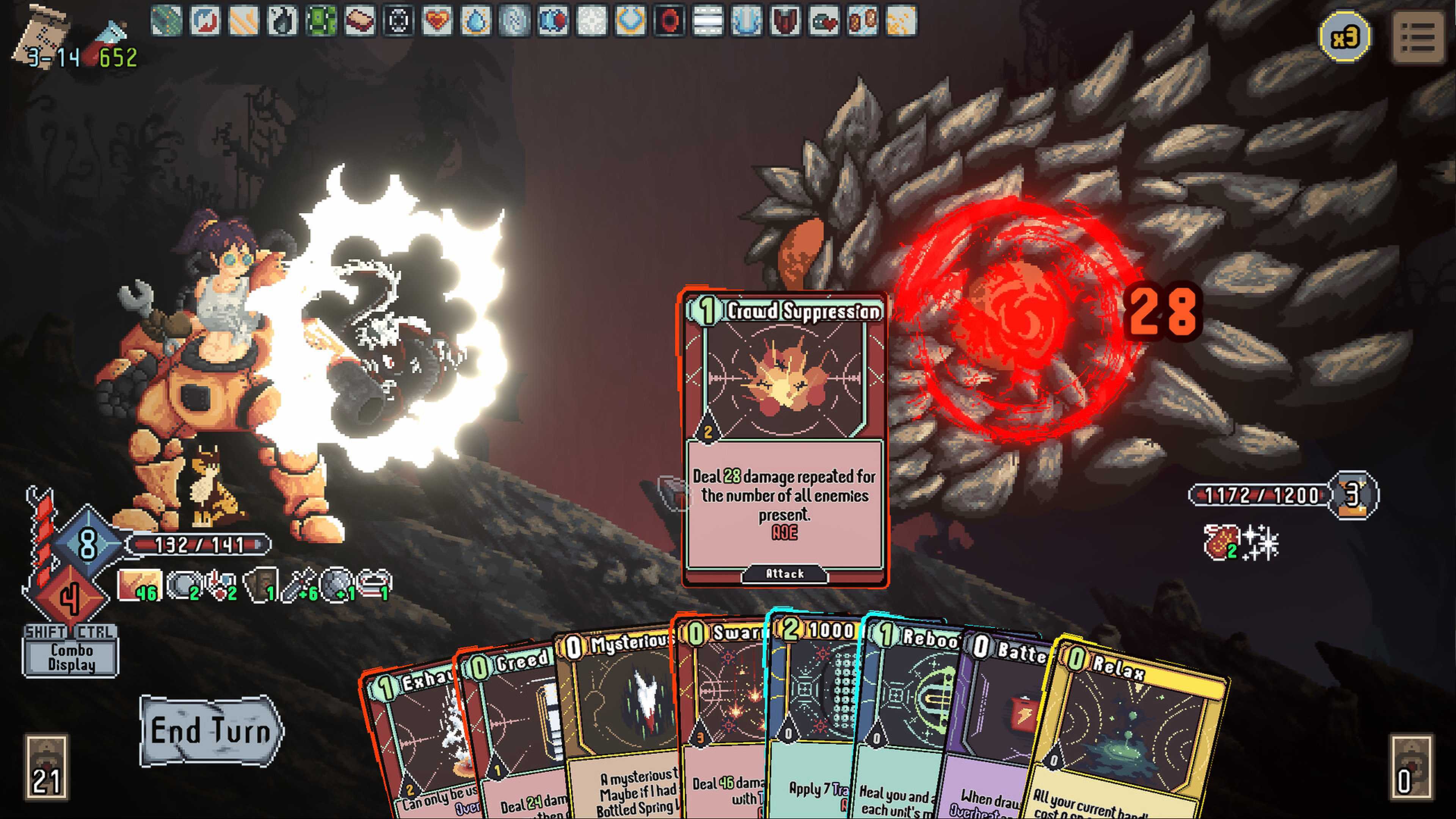
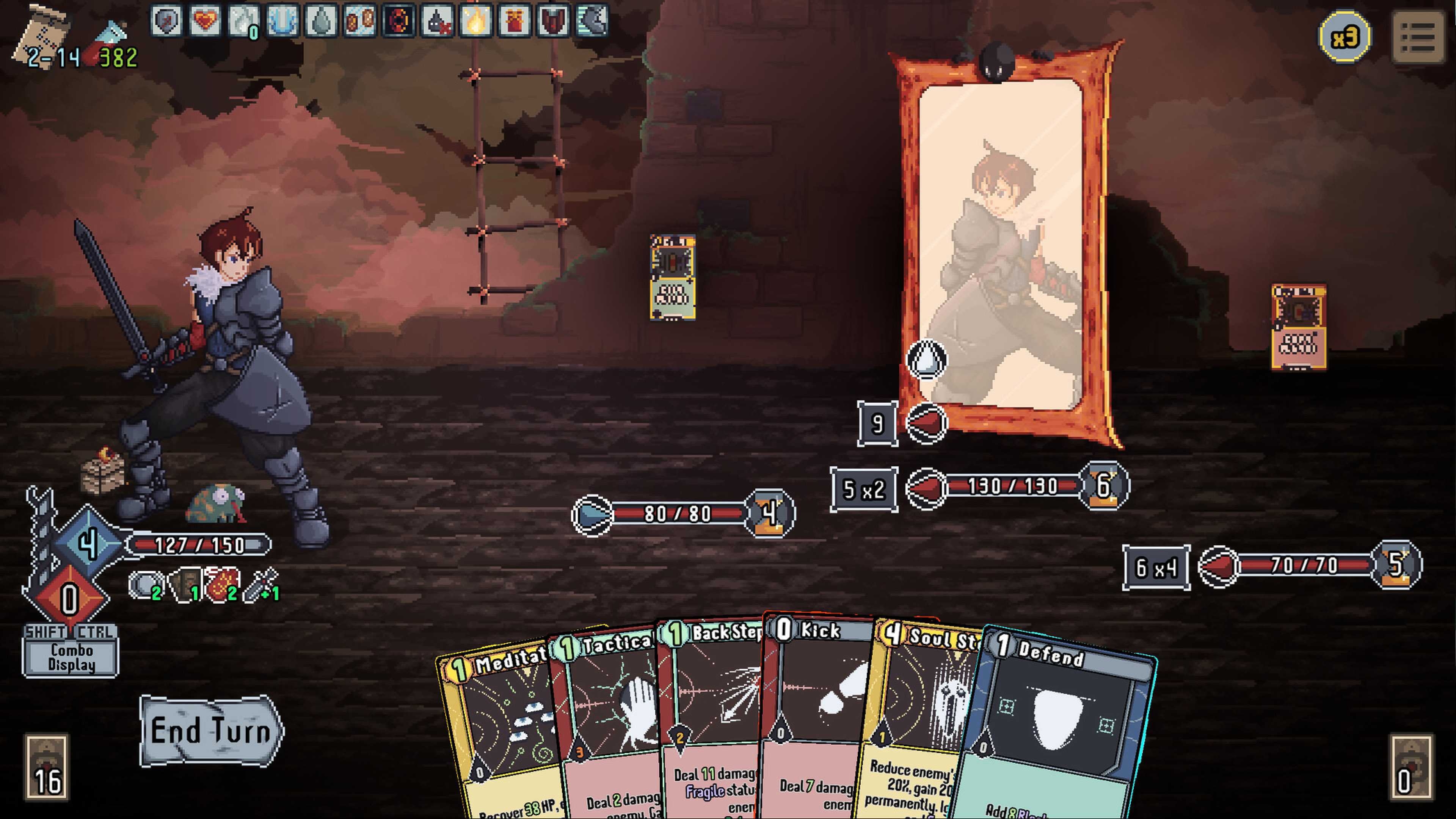
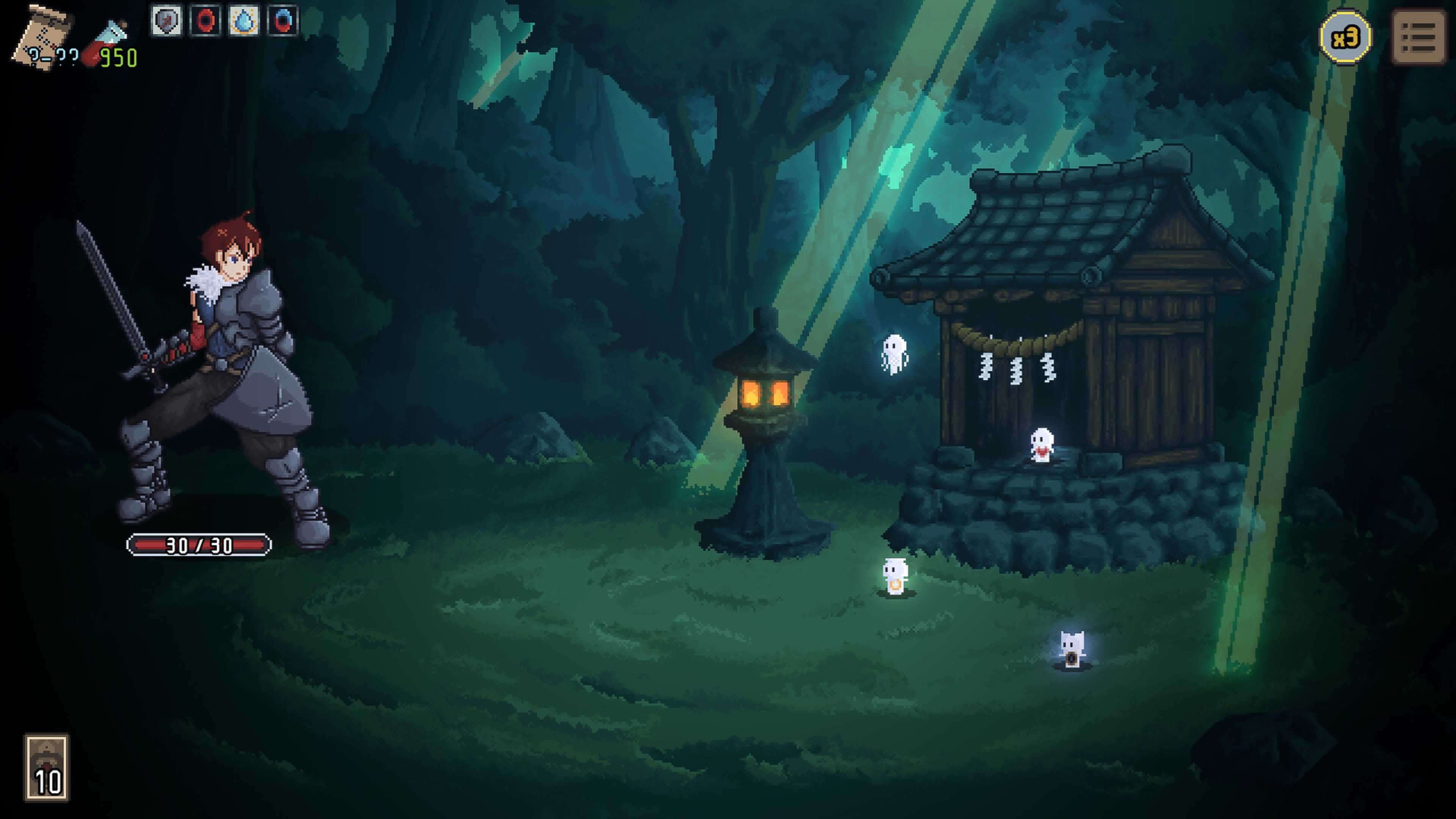
Here sits the biggest difference between Novus Orbis and Slay the Spire: its Countdown system, which makes enemy intentions an active part of every turn. It’s not something players can just prepare for beforehand, basically. Each enemy has a countdown towards its next action, and every card played advances that countdown by one step. Ending a turn advances it by another two steps, meaning opponents can attack before players have even finished using their available cards. I do feel it creates a refreshing dilemma, as players are forced to consider interrupting their plans to deal with an approaching threat.
-
-
 Image: GameRant via Auroch Digital
-
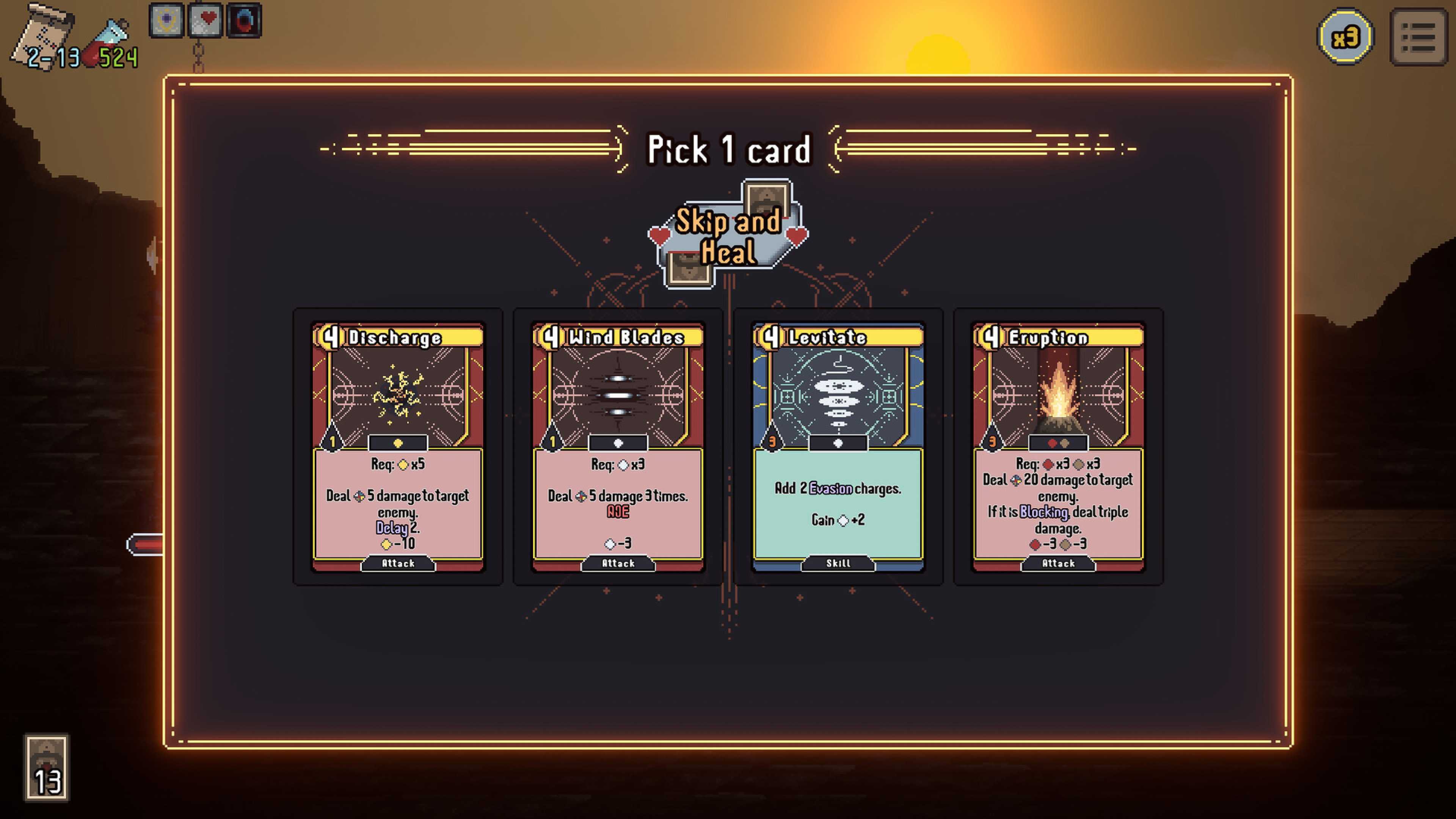
Novus Orbis also features three playable classes, more than 330 unique cards, 119 Blessings that provide powerful upgrades, and 10 pets that can attack, heal, or support players throughout combat. There is even an Endless Mode for players who want to push their builds beyond a standard run.
The Countdown system is actually only one part of what Novis Orbis brings to the roguelike deckbuilding table. There’s also its combo-based card system in which every card has a cost and combo value. Playing cards in the right sequence allows players to unlock their full potential and create opportunities for powerful chains of attacks and abilities. It’s definitely a system that encourages experimentation, and an alternative to just building the strongest deck possible and relying on it throughout a run.
Novus Orbis Shows There’s Still Room to Experiment With Deckbuilders
-
-
-
 Image: GameRant via Auroch Digital
With its November 13 1.0 release, Novus Orbis demonstrates how changing the timing of enemy responses can introduce a massive impact and entirely new kind of strategic challenge—without fully abandoning the importance of careful planning that is integral to deckbuilding. For Slay the Spire, giving players the information they need to make calculated decisions creates a satisfying balance between preparation and improvisations. But that doesn’t mean the formula cannot benefit from experimentation.
I think that whether its Countdown system will appeal to everyone is another matter here. Some players prefer the reassuring predictability of Slay the Spire, especially when building elaborate decks and planning several moves ahead. However, others may appreciate the chance to adapt their combinations as encounters unfold. Either way, Novus Orbis makes a compelling case for looking beyond the genre’s established conventions. Its strong, early Steam reception is certainly an encouraging start, so I’m interested to see if its unusual approach can help it cement a lasting place alongside the deckbuilders that inspired its comparison.