
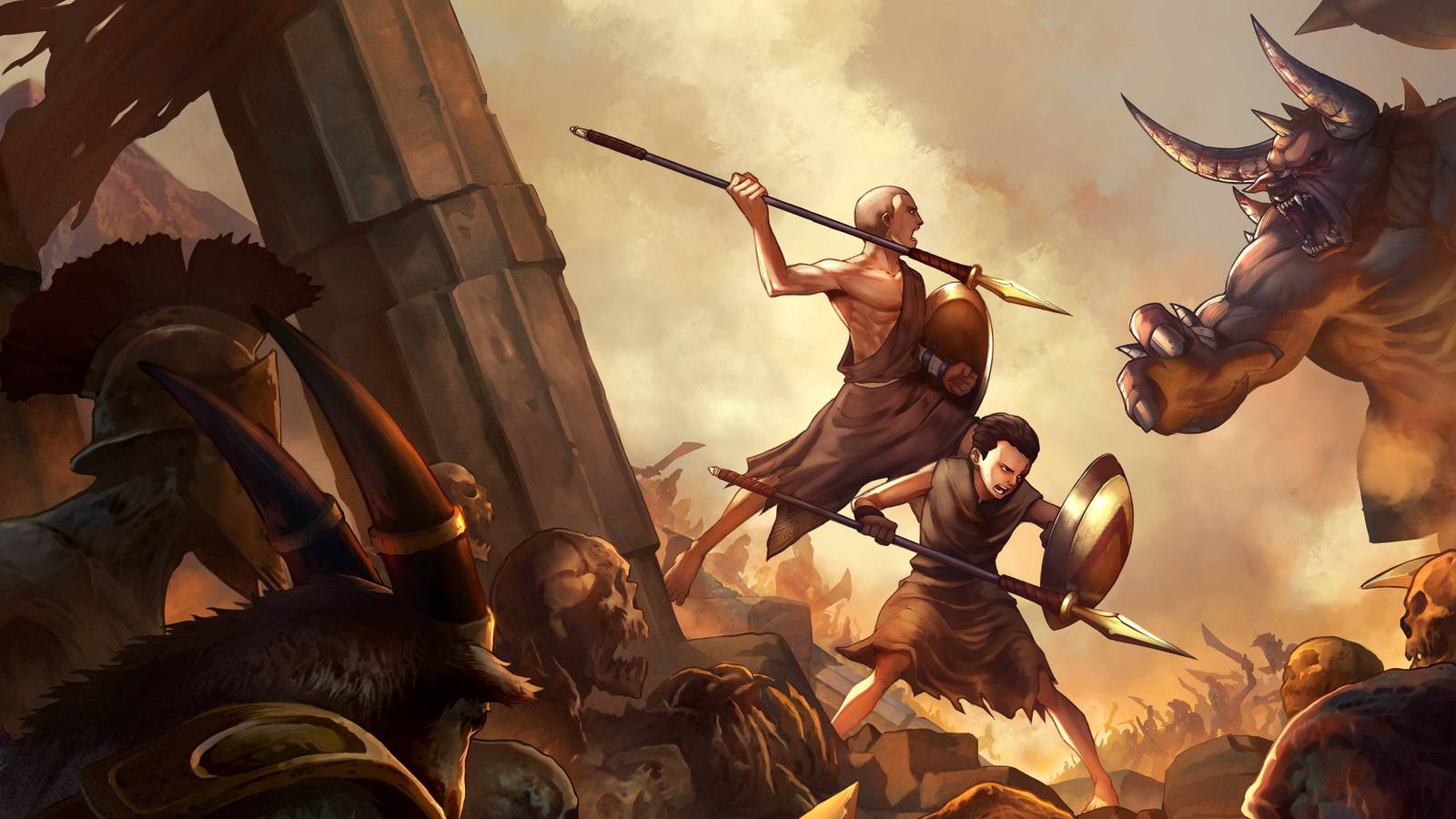


Is there really anything that challenging about spending several minutes chipping away at an enemy’s enormous health bar? For a while, it felt like that in nearly every game, and while higher difficulty settings may push players to master a game’s combat mechanics, I think it’s a little bit lazy to rely on making enemies tougher to kill instead of interesting to fight. Taking a different approach is God of War: Sons of Sparta‘s new Erebus mode, which makes both Kratos and his opponents vulnerable to a single hit. It encourages every encounter to be a test of precision and tactical awareness—an approach to difficulty I think deserves more attention.
There’s still plenty of enjoyment found in a lengthy boss encounter and enemies that demand patience (see Dark Souls, for instance.) But I still think that there’s a big difference between asking players to become better at a game’s combat and asking them to repeat the same attacks until an oversized health bar finally empties. God of War: Sons of Sparta‘s Erebus mode leans into the former, I’d say, and its approach raises an interesting question about what higher difficulty settings should actually aim to achieve.
Higher Difficulties Doesn’t Mean Bigger Health Bars
-
 Sony Interactive Entertainment
-
 Source: Santa Monica Studios
-
 Image via Sony Interactive Entertainment
I’ve expressed before my frustration with higher difficulty settings and how frequently they rely on merely increasing enemy health and damage output. There’s nothing wrong with making opponents more dangerous, but I don’t understand how giving them larger health pools will create a more engaging experience. I’ve played plenty of games where switching to a “harder” setting has made usually straightforward encounters feel like tedious exercises in attrition. To me, this just extends the play time for no good reason. And at the end of the day, you’re just repeating the same attacks for longer while being punished more severely for making mistakes. For perfectionists, this could be appealing, but I struggle to see how it adds any more satisfaction.
Erebus was added on November 16 as an unlockable one-hit challenge mode. The mode also features a Death Counter to track player deaths and must be selected when starting a new save after completing the game.
I will still acknowledge that enemy durability serves a purpose, though. In games built around character progression and equipment upgrades, there is obviously a need for increasingly demanding boss encounters. That said, an enemy should take longer to defeat because it has interesting attack patterns: it’ll encourage me to pay attention and recognize openings, rather than just another artificial obstacle designed to extend an encounter without offering anything new.
I still think that there’s a big difference between asking players to become better at a game’s combat and asking them to repeat the same attacks until an oversized health bar finally empties.
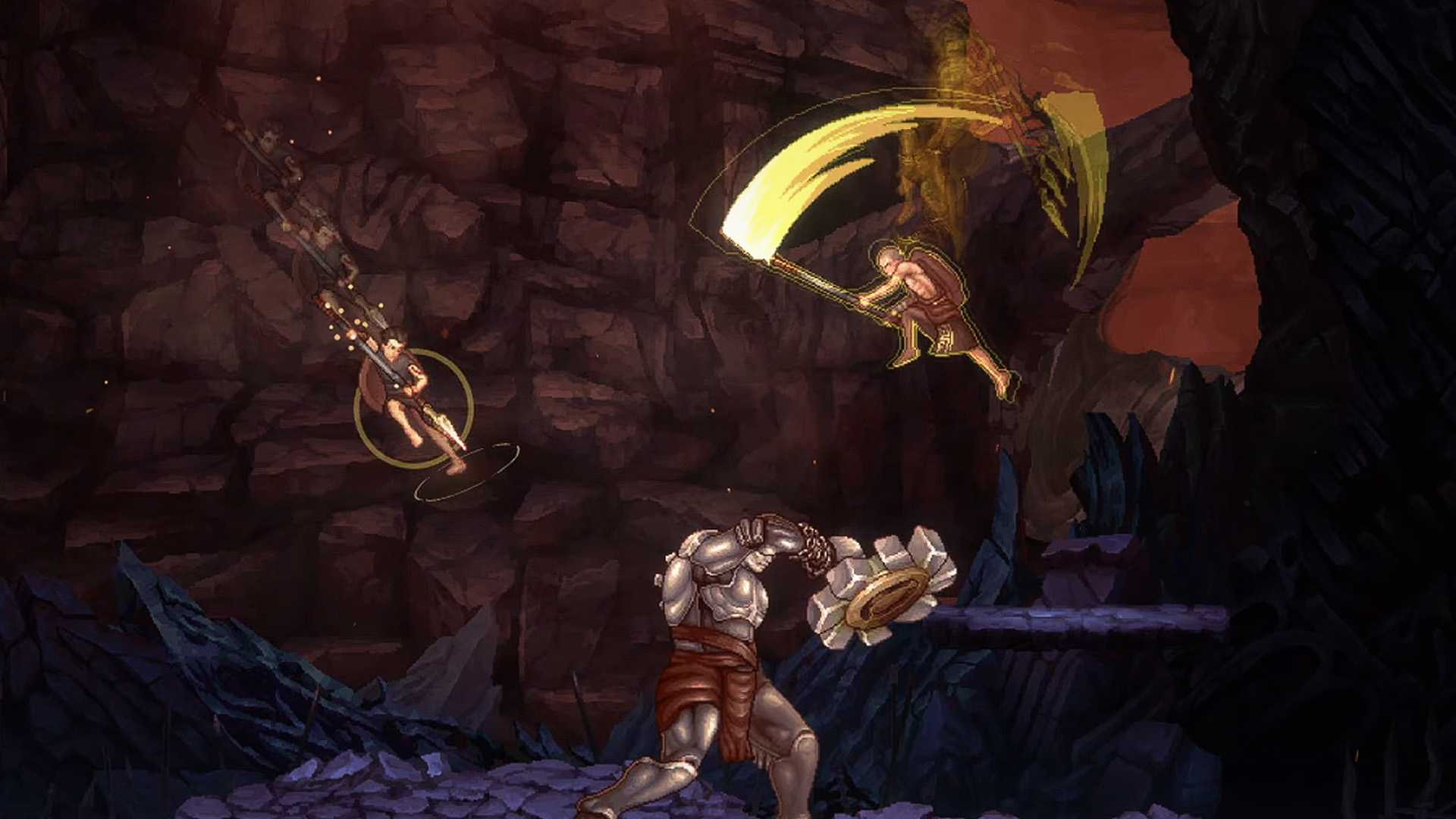
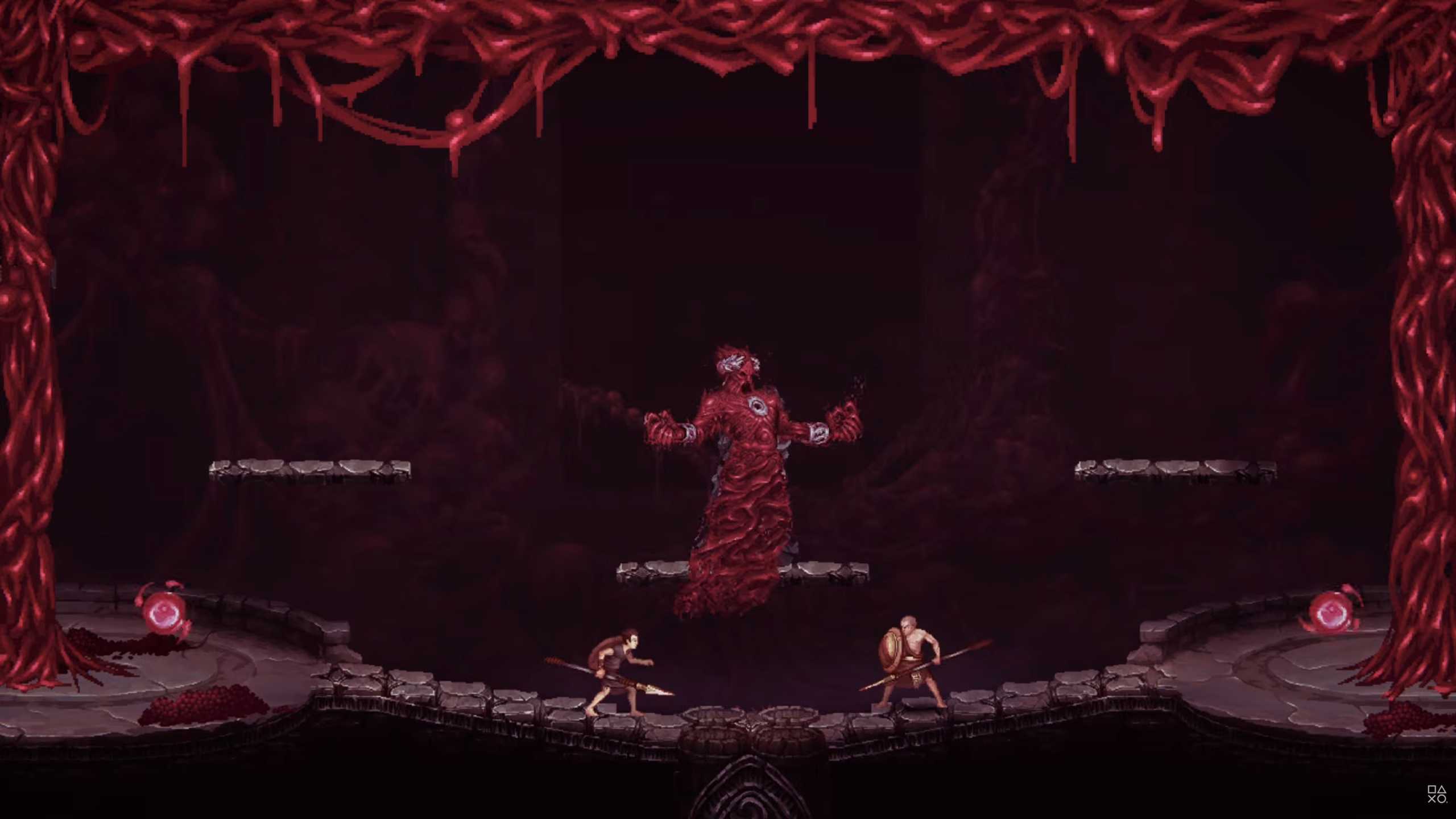
Introduced in a free update on November 16, Erebus mode takes an uncompromising approach to combat difficulty: Kratos and his enemies die in a single hit, meaning players cannot rely on absorbing damage while looking for opportunities to attack. So, encounters that may otherwise feel relatively manageable demand greater attention: a mistimed attack or poorly judged movement can bring the fight to an immediate end. It really is a simple adjustment to the game’s combat rules, but it still fundamentally changes how players must approach familiar encounters.
-
 Image by GameRant; Source: Santa Monica Studios
-
 Image via Sony
-
 Image by GameRant; Source: Santa Monica Studios
The change thus gives greater experience to the combat systems that are already available to Kratos. Players can customize his spear and shield with different attachments, develop offensive, defensive, and movement abilities through three skill trees, and use Gifts of Olympus to supplement their attacks. Some of these divine artifacts offer ranged options, while others provide additional melee combinations. In a mode where taking a single hit means death, these options give players more reason to consider their position and the tools available to them. I guess this doesn’t automatically make every encounter more complex, but nonetheless, it gives players a different reason to engage with the combat mechanics they’ve already learned.
More Games Can Experiment with Difficulty Like This
-
 Image via Sony Interactive Entertainment
-
-
 Image via Sony Interactive Entertainment
Erebus’ one-hit mode doesn’t necessarily translate to an automatically satisfying challenge. There’s room for developers to experiment with difficulty settings, though, and it can actually reward players for understanding the mechanics at their disposal. Whether it’s encouraging more deliberate movement or making enemy attack patterns more important, here lies plenty of ways to make the experience more demanding without just inflating health bars. In fact, Erebus could be a stellar example of how changing the consequences of combat makes familiar encounters that much more exciting and dynamic.
The best difficulty settings should, at the least, make me feel like I’m becoming a better player. There’s satisfaction in recognizing an enemy’s attack and finding the right opening, even if it can be excruciating at first. Longer encounters and tougher enemies certainly have their place: looking at God of War: Sons of Sparta’s Erebus’ mode, it’s nice to see that developers aren’t relying on these tools alone.


- Released
-
February 12, 2026
- ESRB
-
Teen / Blood, Violence
- Publisher(s)
-
Sony Interactive Entertainment