

Super Mario as a brand is known for its weirdness. Along with the general zaniness of an Italian plumber stomping on chestnut monsters to save the fantasy princess captured by a turtle-dragon warlord, the spin-offs sometimes seem like the Mario team threw darts at the wall to decide on the next game’s concept. The crazy spin-off ideas are, ironically, embodied by the franchise’s tendency to put Mario and company in situations that sound rather mundane on paper: playing sports.
A friendly tennis match between two brothers sounds normal, but what happens when you throw Bowser in the mix? How can Goombas play baseball when they don’t have arms? Why is there lava on a golf course? The sports titles are great party games that mix familiar real-world activities with the cartoon fantasy of the core series. But hidden on handhelds are some engaging single-player, story-driven Mario sports games that hardly feel like the Mushroom Kingdom at all until close to the end. They may have been short-lived, but Camelot! Software Planning’s JRPG-style Mario Tennis and Mario Golf games on the Game Boy Color and Game Boy Advance are neat little relics of Mario history.
I Finally Replayed One of Gaming’s “Untouchable” Classics—It Didn’t Age as Well as We Pretend
Super Mario 64 changed gaming forever, but revisiting it today exposes how much of its brilliance was tied to its moment rather than its longevity.
Mario Meets the Prince of Tennis
Sports games in general are meant to serve as multiplayer experiences. It’s arguably Mario himself who set that standard. Ever since Mario Golf on the Nintendo 64, the Mario sports titles have filled the niche of “multiplayer game for when the party’s host doesn’t have Mario Kart.” But while the Game Boy and Game Boy Advance did have multiplayer capabilities, the necessity that every player have their own system and copy of the game made it harder to plan a game night with friends than home consoles did. But the Game Boy was a sales hit, so Nintendo knew that releasing games as casual-friendly as tennis and golf would be a hit. But without the easy multiplayer appeal, a lot of the appeal of a sports or tennis game would be gone. Even Pokemon had a strong single-player campaign to incentivize kids without link cables to buy a copy. And so, Camelot added a story mode.
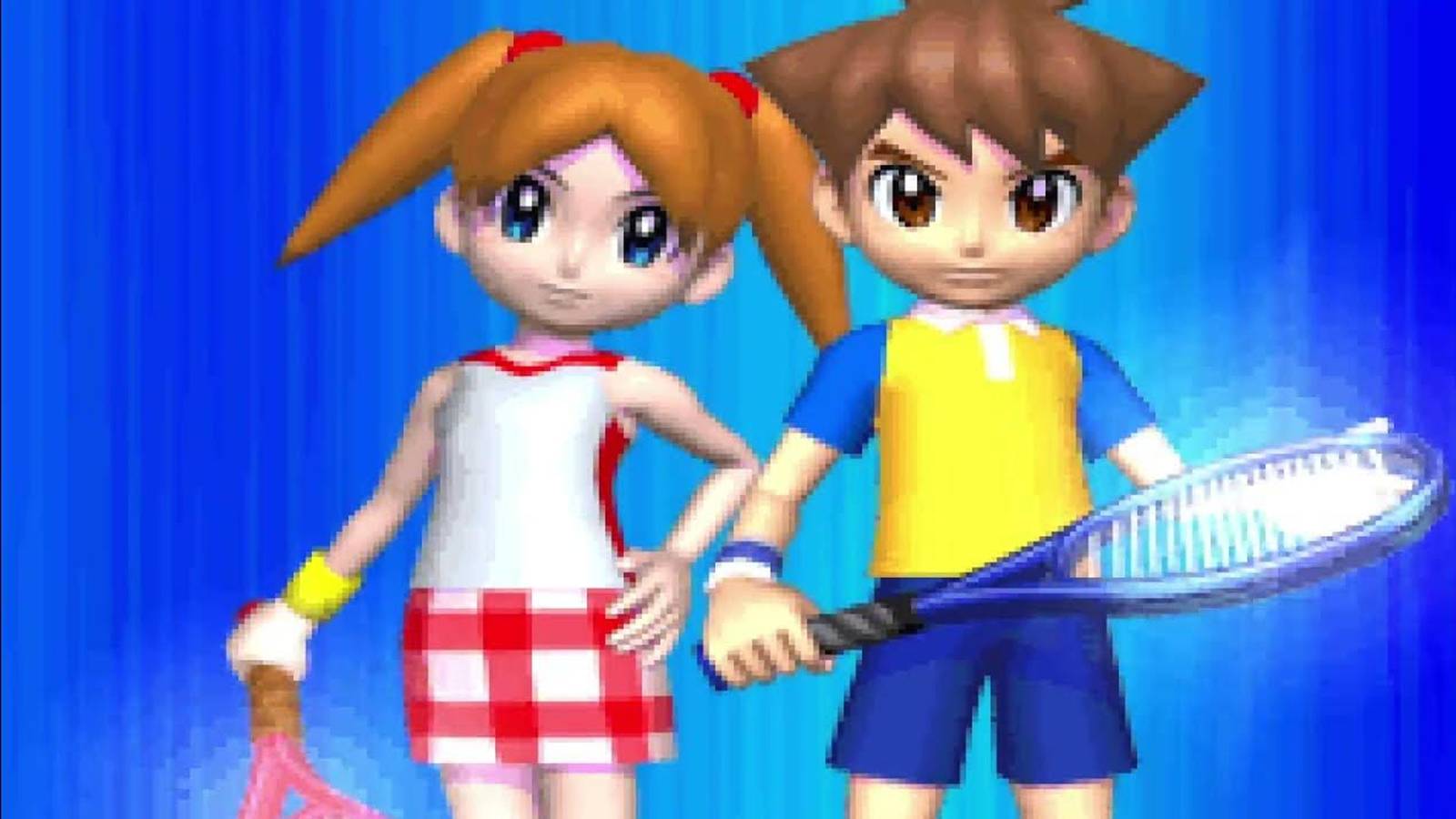
Two twists made the early portable Mario Tennis and Mario Golf campaigns so interesting: their JRPG-inspired stat building systems, and that the story wasn’t about the main Mario cast at all. Instead, a promising young youth has started attending a special academy for gifted golfers or tennis players and they aim to rise through the ranks. While Mario and friends await the player’s challenge after they become the school’s champion, a good 90% of the adventure will focus on a wholly original cast of anime teen prodigies.

The Game Boy Advance versions, Mario Tennis: Power Tour and Mario Golf: Advance Tour, are even direct sequels to the Game Boy games, which adds continuity to this little corner of Mario’s world. But as adorable as the Royal Tennis Academy and Marion Clubhouse are, they feel more like your typical sports anime than something out of gaming’s most recognizable series. There are occasional series references before the red man himself appears in the flesh – the Game Boy Advance titles had some really cute Mario-themed minigames and courses – but you can’t help but wonder if Camelot was planning a standalone game before Nintendo asked them to stick everyone’s favorite portly plumber in it.
The stories themselves aren’t that deep, and most of the new characters don’t have much to do either. In Mario Tennis the player’s doubles partner is a completely different character based on whether they play as a boy or a girl rather than simply being the other playable protagonist, but they don’t have much characterization outside their animations during a tennis match. The Game Boy Advance duo does better at characterization, and the continuity between them and their predecessors does make you care when they reference the few memorable characters from the originals.
Overall, each of the four games tell simple stories of the new kid in town climbing the ranks to become the strongest tennis player or golfer. But the presentation does a lot of the heavy lifting anyway, with good character designs and fun dialogue. They’re bog-standard shōnen sports stories with a little bit of Mario flair, but nobody picks up a sports game – or really, a Mario game – for the story.
Mario Sports Games Developed by Camelot! Software Planning
|
Game Title |
Console |
Year |
|---|---|---|
|
Mario Golf |
Nintendo 64 |
1999 |
|
Mario Golf |
Game Boy Color |
1999 |
|
Mario Tennis |
Nintendo 64 |
2000 |
|
Mario Tennis |
Game Boy Color |
2000 |
|
Mobile Golf |
Game Boy Color |
2001 |
|
Mario Golf: Toadstool Tour |
GameCube |
2003 |
|
Mario Golf: Advance Tour |
Game Boy Advance |
2004 |
|
Mario Power Tennis |
GameCube |
2004 |
|
Mario Tennis: Power Tour |
Game Boy Advance |
2005 |
|
New Play Control! Mario Power Tennis |
Wii |
2009 |
|
Mario Tennis Open |
Nintendo 3DS |
2012 |
|
Mario Golf: World Tour |
Nintendo 3DS |
2014 |
|
Mario Tennis: Ultra Smash |
Wii U |
2015 |
|
Mario Sports Superstars |
Nintendo 3DS |
2017 |
|
Mario Tennis Aces |
Nintendo Switch |
2018 |
|
Mario Golf: Super Rush |
Nintendo Switch |
2021 |
|
Mario Tennis Fever |
Nintendo Switch 2 |
2026 |
The Secret Third Mario RPG Series

While the early Mario Golf and Mario Tennis games have serviceable stories to go with their campaigns, Camelot’s RPG pedigree really shines through in the added gameplay mechanics. The Golden Sun developers gave each of the games a level-up and stat system, where the player can choose which stat they want to level up after winning matches or minigames. Uniquely, if the player goes too many levels without upgrading a certain stat, that stat will actually start to decay. Sports fans will be impressed by how the stats correlate with how the sport plays in real life, too, rather than just a simple “power” or “speed” stat.
For those who don’t know the ins-and-outs of tennis or golf going in, the games have you covered. Each one has a surprisingly detailed in-game dictionary explaining the traits of the sport. This way, you’ll be more prepared when choosing which racket or golf club you’ll want to use based on the court’s composition or how much sand is on the golf course.

While Camelot took care to make sure the sports had true-to-life mechanics, these are still Mario games. And while the Mushroom Kingdom’s denizens might not show up until the end, the wacky fantasy tropes still shine through in the minigames and set dressing. Mario Tennis admittedly stays pretty mundane until after beating the big tournament arc near the end, but Power Tour and the Golf games have plenty of exposition and flavor text that establish that these things are happening in the Mario universe. The Game Boy Advance titles also use their updated graphics to really go all-in on the Mario theme with the training minigames and unique courses. And Power Tour takes another page out of the Prince of Tennis playbook with the addition of power shots: tennis plays that break the laws of physics to help with offense and defense. After all, there’s nothing more quintessentially JRPG than a limit break.

Every Game That Features Mario But Isn’t Actually Super Mario
Super Mario just turned 40, and given the plumber’s impact on gaming history, it’s no surprise he’s popped up in so many other titles over the years.
A Brilliant Idea… That Nintendo Has No Reason to Replicate

The recently released Mario Tennis Fever on the Nintendo Switch 2 has gotten generally good reviews from critics, even with a common sticking point being that the single-player options are somewhat shallow. Many fans who grew up playing the original handheld Mario Tennis and Mario Golf games may be inclined to agree. But as cute as the story modes were, the main focus of the franchise’s sports games has always been multiplayer. While more recent entries have included campaigns, the advent of wi-fi means that it’s easier than ever to find a real-world opponent. And so, Camelot and Nintendo have naturally focused on the multiplayer potential of what are essentially party games. Even the notoriously bare-bones Mario Tennis: Ultra Smash could still provide some entertainment with a group of friends. For a series where the appeal is playing with others, there’s little incentive to bring back the deeper single-player modes.
That doesn’t mean that the Royal Tennis Academy or Marion Clubhouse would be unwelcome to new or casual players. The best of both worlds would be a Mario sports game that features deep single and multiplayer modes. But unfortunately, there’s just not much reason to expect these characters to make a return. Never say never, especially since Super Mario Odyssey introduced New Donk City and its realistically human residents, but the priority of the Mario sports games is the multiplayer experience. Both series have experimented with story modes since then, so even if they focus on the main Mario crew now, maybe the tennis prodigies and golfers-in-training of yesteryear will at least make a cameo someday.


- Released
-
February 12, 2026
- ESRB
-
Everyone / Mild Fantasy Violence
- Publisher(s)
-
Nintendo EPD