




Konami did a pretty great job with 2025’s Metal Gear Solid Delta: Snake Eater, and the company could move forward with other remakes in the future. At the time of writing, Konami hasn’t officially confirmed any new remakes, but it has been issuing polls that ask fans which Metal Gear Solid game they would like remade next, suggesting that they are at least a possibility.
Of all the games Konami should remake next, the first Metal Gear Solid (that is, the first 3D Metal Gear after the MSX games) is arguably the best candidate. Like Snake Eater, Metal Gear Solid still holds up quite well today, and not just because of its impeccable tone and story: Metal Gear Solid feels genuinely smooth, responsive, and just plain good to play. At the same time, it’s obviously the most dated of the Metal Gear Solid games, lacking basic features like crouch-walking and first-person aiming, the latter of which was introduced in Metal Gear Solid 2, making MGS1 feel especially old. Fixed camera angles and PS1-era graphics also make for a rather archaic playing experience, so a remake with polished controls and visuals makes sense.
Why the Metal Gear Solid Delta: Snake Eater Approach Wouldn’t Work for a Metal Gear Solid Remake
Metal Gear Solid Delta is a pretty great remake, in large part because it leaves the most essential elements of the original work unchanged. The game’s greatest mechanical addition is its more contemporary control scheme, allowing for over-the-shoulder firing, aiming down sights while moving, shooting with triggers, and crouch-walking. None of those features were in the original MGS3.


Put the consoles in the correct order.
However, just about everything else remains untouched. Enemy count/placement, level design, encounter design, boss battles, and so on are basically frame-for-frame recreations of the original. Coupled with the more modern control scheme, Metal Gear Solid Delta winds up being considerably easier than its progenitor, which was designed with what amounts to an entirely different controls and gameplay philosophy. While I enjoy MGS Delta, I must admit that its modernizations undermine some of the original’s tactical heft and challenge.
Even though modern controls make Metal Gear Solid Delta easier, the game is still set in conceptually open environments that, at least in theory, work well with over-the-shoulder shooting, third-person controls, and so forth. This can’t be said about the first Metal Gear Solid, which is set entirely on the fictional Shadow Moses Island, mostly inside a compound. In other words, the game’s level design revolves around tight, finite spaces, often hallways or small rooms with judiciously placed obstacles and enemies.
While I enjoy MGS Delta, I must admit that its modernizations undermine some of the original’s tactical heft and challenge.
This approach pairs nicely with Metal Gear Solid‘s fixed camera angle, stealth radar, archaic controls, and sparse enemy placement. Really, the game is a rather straightforward translation of the 2D games into 3D, in the sense that it’s more about movement and tactics than typical action-gameplay scenarios. But with an over-the-shoulder camera and modern controls a la Metal Gear Solid Delta, this carefully constructed PS1 game could collapse into a laughably easy heap.
We’ve Already Seen How Modernization Can Trivialize Metal Gear Solid’s Gameplay
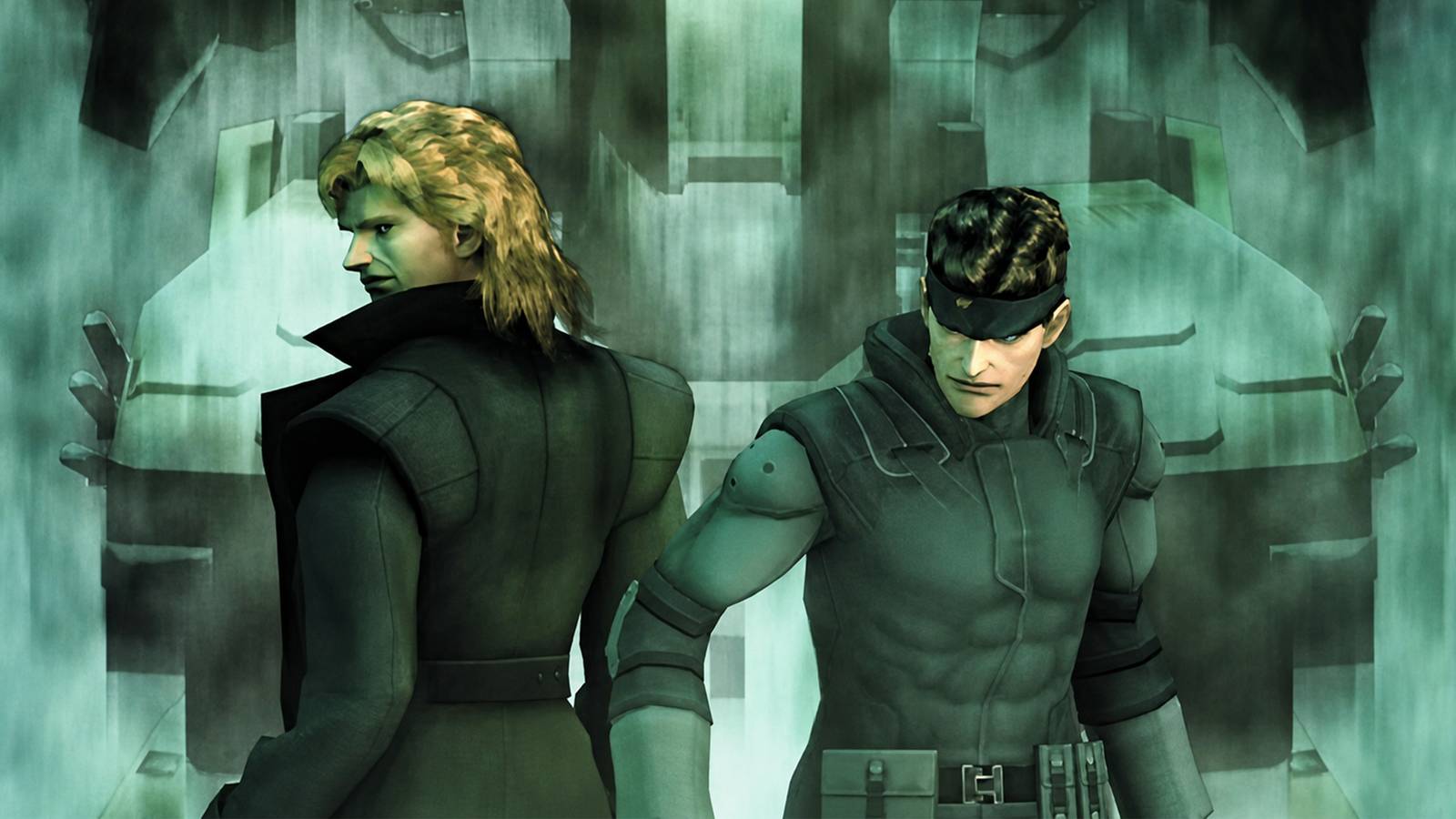
This is an interesting topic, because there’s already clear evidence that MGS1 doesn’t work with updated controls. In 2004, Konami released Metal Gear Solid: The Twin Snakes, a remake of Metal Gear Solid that was made to resemble Metal Gear Solid 2: Sons of Liberty, in many ways. Aside from updated graphics, The Twin Snakes features the same first-person shooting and traversal mechanics (e.g. ledge-hanging) as Sons of Liberty, making for smoother-feeling gameplay.


But these new additions also rob Metal Gear Solid of much of its challenge. Sneaking past guards becomes bafflingly easy when certain obstacles are no longer obstacles, and boss battles are particularly trivial in light of the option to shoot in first-person. What this boils down to is that Metal Gear Solid was never designed with such controls in mind, and by retaining the same layout, enemy placements, and so on, as the original MGS, The Twin Snakes basically gives the player game-breaking cheats.
I can only imagine that such issues would be exacerbated in an even more contemporary Metal Gear Solid remake, assuming it takes the Twin Snakes and Delta approach, remaining faithful to structure, level design, and enemy placement. Take the first encounter with Revolver Ocelot, for instance: this tense, engaging cat-and-mouse game easily devolves into a farce when you’re able to precisely aim at Ocelot across the room in Twin Snakes, and 2026-standard controls would only make it easier.
Konami Needs to Be Willing to Leave Kojima Behind
For as good as it is, Metal Gear Solid Delta is also indicative of a certain trepidation on Konami’s part. Newer controls and visuals are one thing (games like Twin Snakes and Metal Gear Solid HD Collection already set precedents for this), but departing from Hideo Kojima’s original vision would be tantamount to sacrilege for some gamers. This wouldn’t just come down to angry pockets of fans on social media; were Metal Gear Solid Delta to meaningfully depart from MGS3‘s core design principles, it would be unfavorably compared to the original to no end.
But this is a risk that Konami is going to have to take sooner or later. The company has stated a clear intent to reinvest in its most valuable IP, and Metal Gear Solid might be the most valuable of them all. But Kojima doesn’t seem too eager to return to Metal Gear these days, even if Konami wanted him back, so the series’ enduring design pillars need to be challenged by new creators. A remake of Metal Gear Solid, one that makes significant changes to Shadow Moses Island and, by extension, the entire experience, might be a good place to start.




- Released
-
October 20, 1998
- ESRB
-
M For Mature 17+ Due To Blood and Gore, Suggestive Themes, Violence
- Developer(s)
-
Konami Computer Entertainment Japan
- Engine
-
Fox Engine
- Franchise
-
Metal Gear