

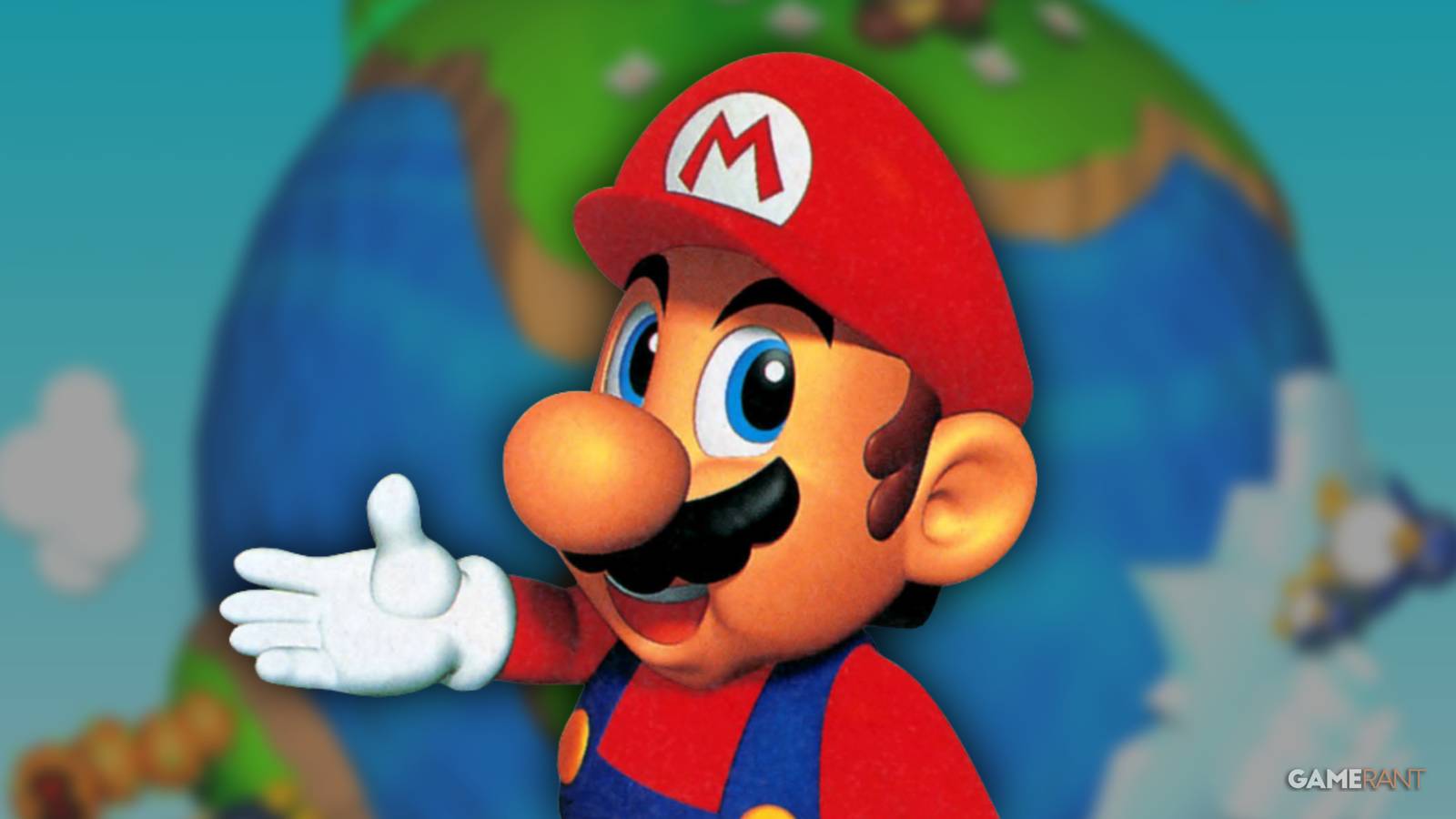





A new fan-made Super Mario 64 port lets players reach into Nintendo’s classic platformer, pick Mario up, and place him directly in their own rooms. The odd little Super Mario 64 project brings the 1996 adventure into mixed reality, although playing it isn’t quite as simple as downloading a new game.
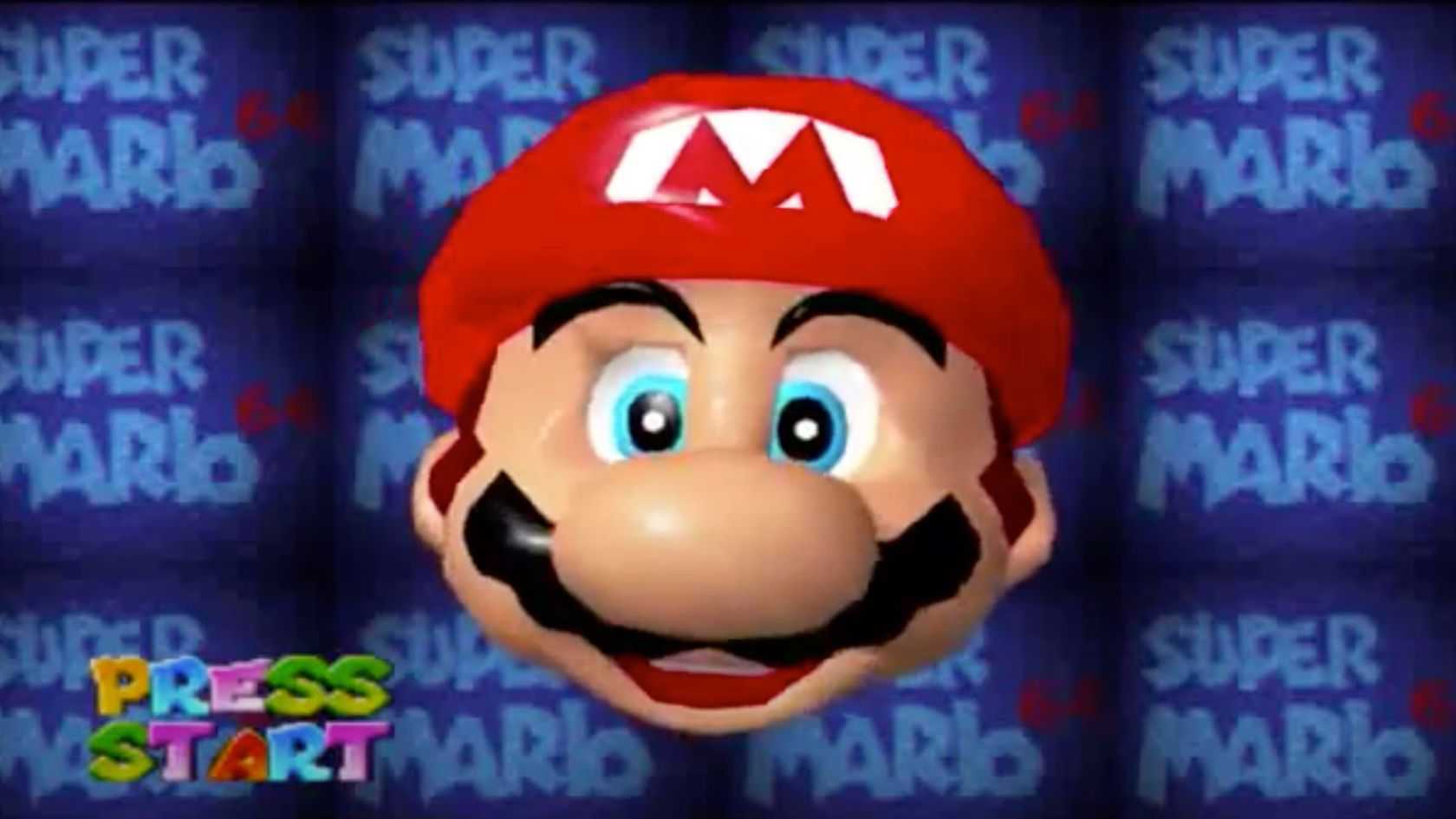
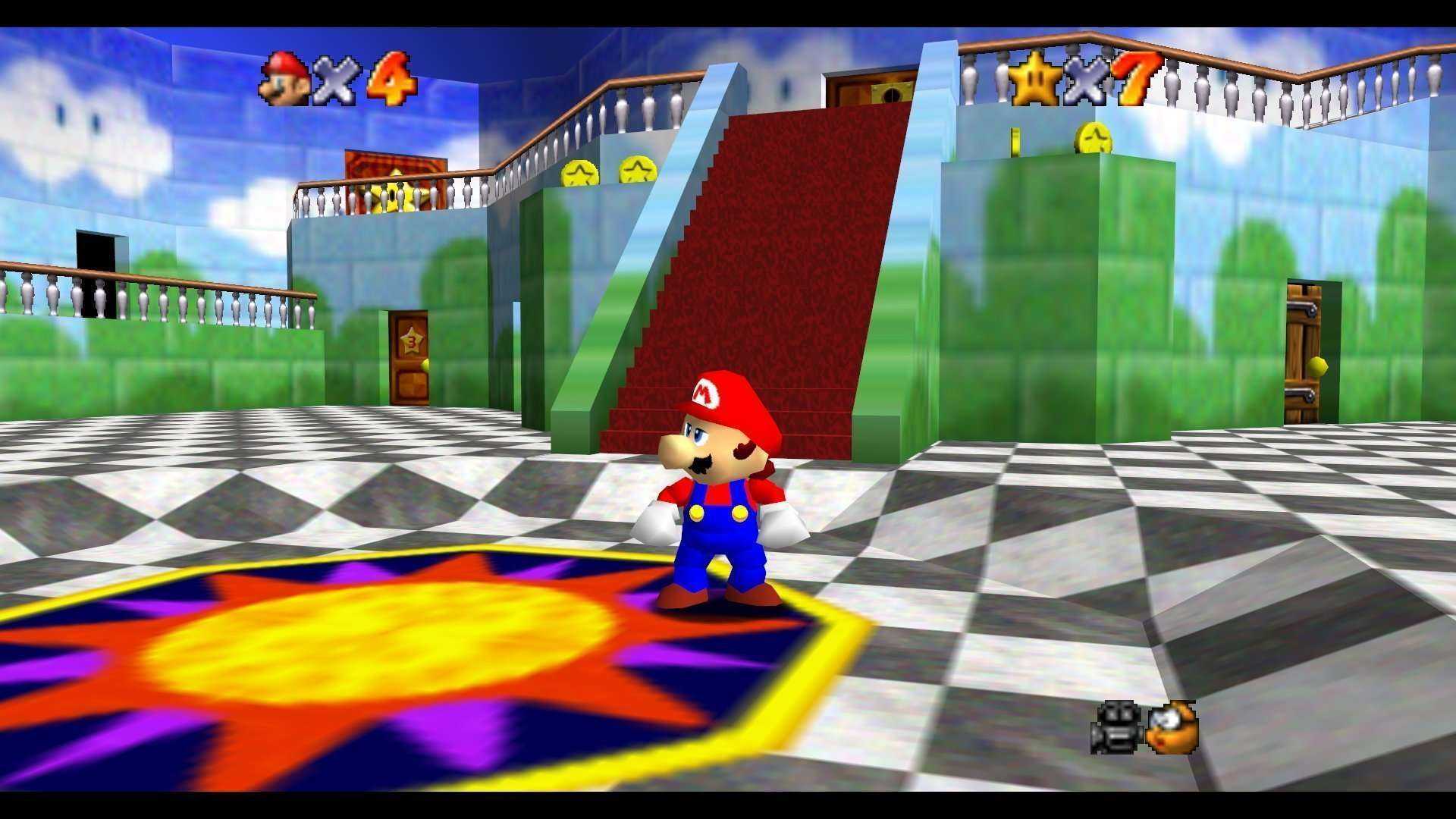
It’s been 30 years since Super Mario 64 gave Nintendo fans their first chance to freely explore the Mushroom Kingdom in three dimensions. Running around Peach’s castle, jumping into paintings, and discovering what Mario could do with an analog stick felt like a huge leap forward in 1996. Even the title screen invited players to grab and stretch Mario’s face, just because they could. That playful spirit has helped the game remain a favorite among modders and speedrunners, but one developer has taken the idea of interacting with Mario a lot further than Nintendo ever intended.
Super Mario 64 Mixed-Reality Port Lets Players Bring Mario Into the Real World
Developer Lucas Martinic has released Mario 64 MR, a free mixed-reality port that turns a virtual Nintendo 64 cartridge into a window onto the entire original game. Wearing a compatible headset, players can pick up the cartridge, stretch it open with their hands, and control Mario inside the floating window. The real magic happens when they reach through it, pinch Mario, and pull him out into the room. He can run across a desk, stand in the palm of a hand, or jump back into the game when he’s finished exploring. Players can also lean their heads into a level or turn it into a miniature diorama that sits on a table. It’s an awfully charming way to revisit a game many fans grew up playing on an old CRT.
-
-
-
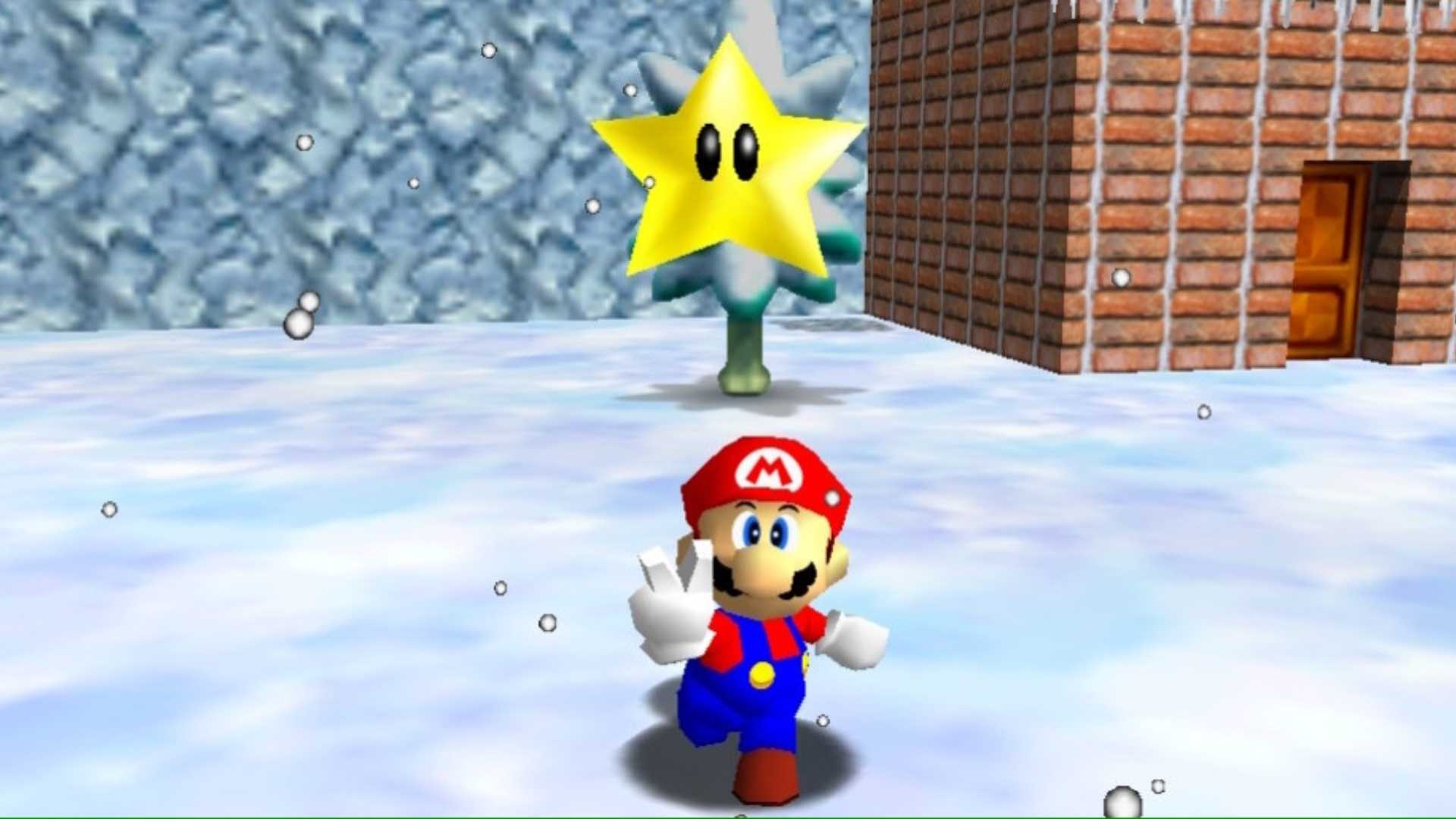


There is a catch, though. According to Martinic’s GitHub page, the port doesn’t include Nintendo’s game files, so players must supply their own compatible US-version Super Mario 64 ROM. On Meta Quest 3, Quest 3S, and Quest 2, getting it working also involves a computer, developer mode, and an installation tool that builds the game from that ROM. In other words, this isn’t an official Nintendo release or something players can simply purchase from a headset’s storefront. The project is free, but anyone hoping to put Mario on their desk will have to do a little setup first.
Martinic has already been improving the project since its November release. Version 1.3 added the option to see a player’s real hands through passthrough cameras instead of Mario’s familiar white gloves, even when reaching inside the virtual level. Experimental PICO support and a separate Steam Frame version have arrived too, although the latter uses controllers rather than hand tracking and can’t put Mario on a player’s palm in quite the same way. The whole Super Mario 64 project builds on community decompilation work, showing how far fans have taken a game that originally ran on a Nintendo 64 cartridge.
What makes Mario 64 MR special isn’t that it gives a classic game sharper graphics or smoother performance. It’s the strange feeling of reaching into a world that used to exist only behind a screen and bringing a piece of it home. Super Mario 64 once made running around a 3D castle feel like the future of video games, so it is only fitting that three decades later, watching Mario balance on a player’s hand might recapture a little of that same childhood wonder.

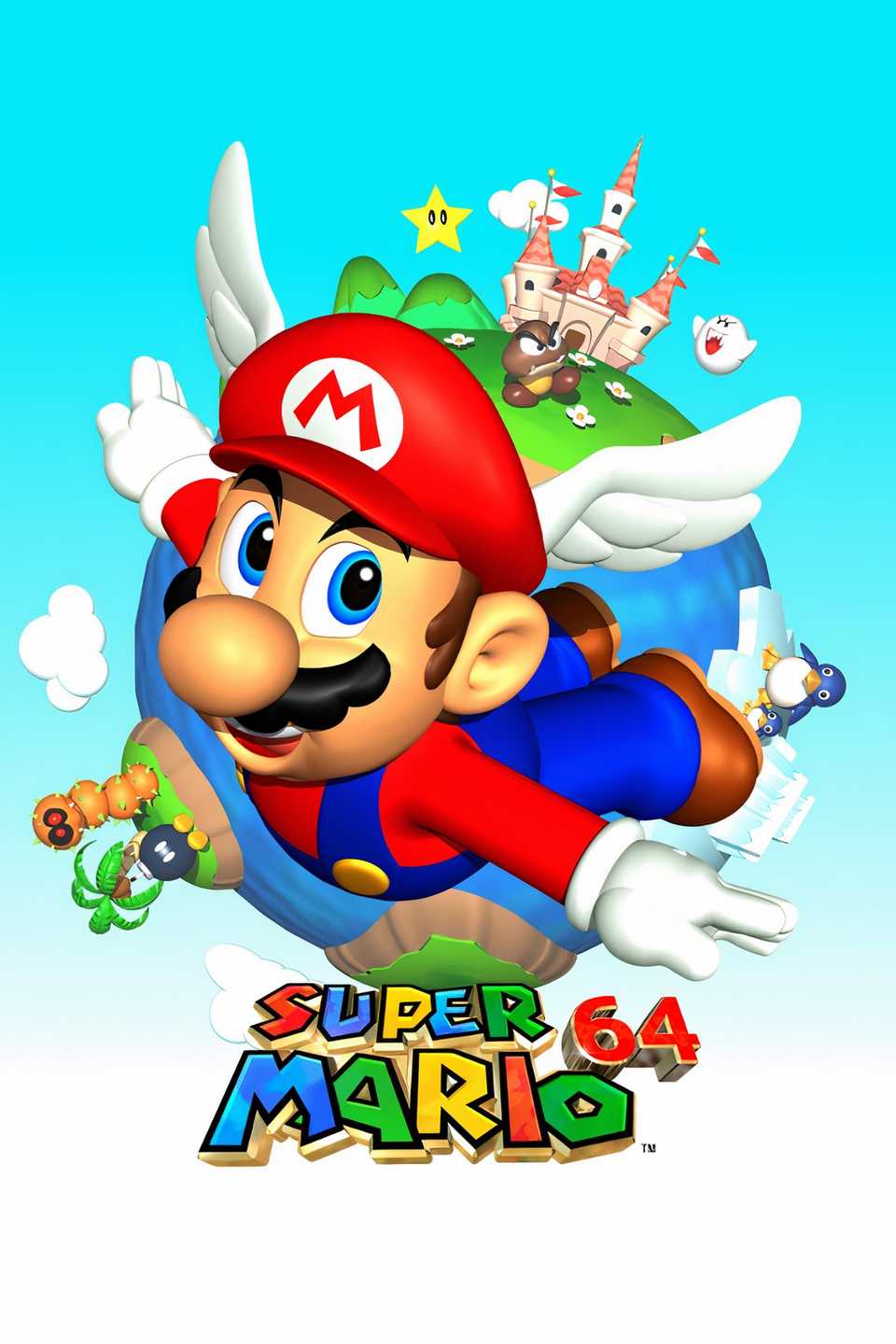


- Released
-
September 26, 1996
- ESRB
-
E for Everyone
- Developer(s)
-
Nintendo
- Publisher(s)
-
Nintendo
- Engine
-
Nintendo 64 SDK