





After beating Pokemon FireRed and LeafGreen on Switch, it’s understandable to want to keep the journey going. The next logical stop would be the next remakes: Pokemon HeartGold and SoulSilver. The changes are as deep, if not more so, than Pokemon FireRed and LeafGreen over Red, Blue, and Yellow. Of course, sometimes that’s easier to see in action than just be told.
Pokemon HeartGold and SoulSilver are the best way to play the Johto games today, and anyone diving in (via Nintendo DS hardware or other means) has key decisions ahead of them: based on Pokemon HeartGold and SoulSilver‘s exclusives, which are best for you? What’s the best starter? But also, in light of Pokemon hitting its 10th generation next year, perhaps there’s some nostalgia to see how much these games have changed over the originals.
Pokemon: The 33 Strongest Out Of The Original 151
The original 151 Pokemon were in a class of their own, and these Pokemon were the strongest of the bunch.
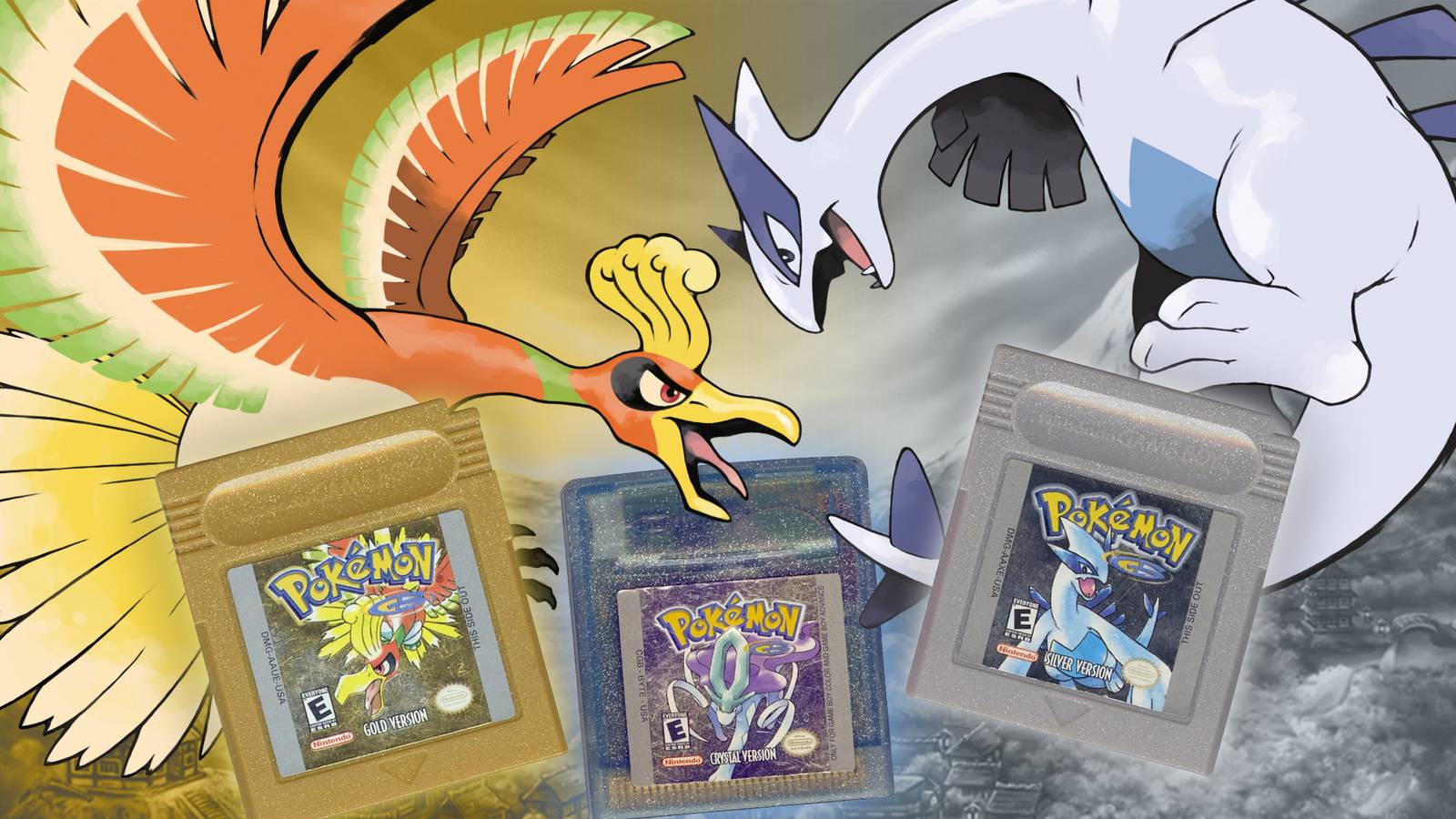
Pokemon HeartGold and Pokemon SoulSilver expand on the original Gold and Silver games with major gameplay and story improvements, leaving no stone unturned. All 493 Pokemon can follow the player, building on the idea from Pokemon Yellow, and players can interact with them to check how they feel. The story is also more structured, making Ho-Oh and Lugia part of the main progression and giving the Kimono Girls a much larger role. Several requirements were added, too, like needing the Radio Card before battling the notorious Whitney and completing key story events before facing Johto’s Elite Four.
Pokemon HeartGold and SoulSilver Changes From Gold, Silver, and Crystal
General
- All 493 Pokemon follow the player, similar to Pikachu in Pokemon Yellow. This was when the beloved feature was fully introduced into the franchise.
- Players can interact with the Pokemon to see how they feel; the only time the lead Pokemon does not follow is when riding the bike, surfing, or certain buildings (for very large Pokemon).
- When choosing a starter (Chikorita, Cyndaquil, or Totodile), players can check if it’s Shiny before picking it
- After defeating Red, players can get starter Pokemon from Kanto and Hoenn from Professor Oak and Steven Stone
- Many Pokemon learn new moves; for example, Togepi can now get Extrasensory through breeding
- Whirlpool can now be crossed while surfing instead of disappearing
- Rock Smash is now an HM instead of a TM, and Defog is no longer an HM
- Rock Climb returns as HM08 and requires the Viridian Gym Badge
- All Kanto Gym Leaders now give out TMs
- Players can Fly to the Pokemon League Reception Gate and travel between Kanto and Johto more easily. However, you still can’t Fly to certain Pokemon Centers (like Routes 4 and 10)
- Decorating the player’s room has been removed
- After the Hall of Fame, Professor Oak’s radio show can report daily mass outbreaks
- Omanyte and Kabuto fossils can be found at the Ruins of Alph (version-exclusive)
- Articuno, Zapdos, and Mewtwo return to their original locations, while Moltres is now at Mt. Silver
- The Steel type is no longer treated as a newly discovered type
Who’s That Character?

Identify the silhouettes before time runs out.
Identify the silhouettes before time runs out.
Easy (7.5s)Medium (5.0s)Hard (2.5s)Permadeath (2.5s)
Story
- The encounters with Ho-Oh and Lugia are now tied directly to the main story. Players must obtain the Clear Bell in HeartGold and Tidal Bell in SoulSilver.
- The Kimono Girls in Ecruteak City now play a major role in the story, where they ask for small favors at first. After receiving the Master Ball from Professor Elm, the player must battle all five of them consecutively.
- Because of the Kimono Girls’ change, Surf is obtained differently, and the Dance Theater has different encounters.
- Several elements, originally introduced in Crystal, like Eusine’s pursuit of Suicune, are present in HG/SS.
-
Story progression changes
- Acquiring the Radio Card before challenging Whitney and her Miltank
- The Kimono Girl and box art legendary storyline must be done before Pokemon HG/SS’s Elite Four
- Blue will not return to his Viridian Gym until the player has all other Kanto Badges
- The Cerulean Gym Machine Part thief battle is now mandatory
- Some items become Key Items, like RageCandyBar
- The Apricorn Box now stores Apricorns and Kurt can craft multiple if given several of the same Apricorn. They can also be used in a blender to improve Pokeathlon stats.
- Several storylines and events are introduced in Pokemon HeartGold/SoulSilver tied to Pikachu-colored Pichu, Celbi, and Arceus.
Location Changes
- Elm’s Lab now has an upstairs where the professor and his family live, while Lyra/Ethan’s family lives in his old house
- Pal Park replaces the old Safari Zone in Fuchsia City
- The Fighting Dojo in Saffron City is now used for rematches with Gym Leaders
- The Pewter Museum and Cerulean Bike Shop are now accessible (though the shop is closing)
- Route 3 once again has a Pokemon Center near Mt. Moon and now includes meteorites that change Deoxys’ form
- New gates connect areas like Violet City and Route 36, and Route 1 and Viridian City
- Union Cave has some layout changes, including a shifted ladder and updates to lower floors
- Route 23 is now part of Indigo Plateau and no longer exists as its own route
- Cinnabar Gym and Viridian Gym now include multiple trainers instead of just the Gym Leader
- The Day Care has been updated: the Day Care Man now stands outside and gives updates, while his wife handles Pokemon storage inside
- New Legendary Pokemon were added: Kyogre, Groudon, Rayquaza, Latias, and Latios, for example.
- Pokemon HeartGold and SoulSilver introduced the Pokeathlon and Pokewalker.
- Systems like Pokemon Storage, Bag Interface, Party Menu, and the like were redesigned for the second Nintendo DS screen.
- QOL improvements: Running Shoes obtained early with a permanent toggle, two quick-select items, Pokegear expansion, and trainer rematches depend on day and time.
- 2 New Routes were added: Route 47 and Route 48. These include new areas like a new Safari Zone, Cliff Cave, and the Embedded Tower.
- Mt. Silver was expanded
- Viridian Forest was restored to a full area
- Cerulean Cave accessible again
- Bell Tower renamed from Tin Tower
- HG/SS used Platinum’s visual style, including animated battle sprites, battle intros for major trainers, and redesigned gyms and puzzles.
Music + Design Changes
- Ethan replaces the original male protagonist design
- Lyra replaces Kris as the female protagonist
- Several characters, like Team Rocket Grunts, see design changes.
- Ambient sound effects—such as wind, water, and footsteps in grass—were also added.
- All music in the game was fully rearranged for the Nintendo DS sound hardware. After earning all 16 badges, players receive the GB Sounds Key Item, which allows them to switch the soundtrack to the original Game Boy-style chiptune music from Gold and Silver.
- Some locations also received new or altered themes, while several Kanto tracks reverted to their Generation 1 versions.
The remakes also add new content and modern features. Activities like the Pokeathlon and Pokewalker provide extra gameplay, while more Legendary Pokemon and special events expand the adventure. Core systems were updated for the Nintendo DS with better menus, early Running Shoes, and improved Pokegear features. The world itself was enhanced with new routes, expanded areas like Mt. Silver, and returning locations like Cerulean Cave. Visually, the games use the style of Pokemon Platinum with animated sprites, and the music was fully updated, with the option to switch back to the original Game Boy-style soundtrack.
Serious work had been put into Pokemon HeartGold and SoulSilver to make them not only the best way to play through the Johto region (and then Kanto), but also the best remakes in the Pokemon franchise. Presumably, eventually, Game Freak will give other games a similar treatment, as Gen 4 is as far as remakes go with Pokemon Brilliant Diamond and Shining Pearl. Gen 5, Pokemon Black and White, were the first games to get sequels, but imagining the Unova region on the Switch 2 is enough to see how far Game Freak could continue to evolve older games in the series.
Source: Bulbapedia


- Released
-
March 14, 2010
- ESRB
-
e
- Publisher(s)
-
Nintendo