





Assassin’s Creed Black Flag is widely regarded as one of the best in the series, and many say the new Resynced version improves it further. Rather than simply remastering the classics, Ubisoft made substantial changes by removing, tweaking, and adding new content. I’m not here to compare the two versions, though. Instead, I want to share how my own self-imposed rules turned what should’ve been an exciting first playthrough into a tedious slog.
As a fan of the series who had never played the original, I came in with fresh eyes and no nostalgia. While I was eager to finally play it, after investing roughly 200 hours in AC Shadows over the past year, I had no interest in spending dozens more exploring every corner of Assassin’s Creed Black Flag Resynced. Knowing the older AC games are often praised for their story and characters, I decided to make the most of my time without dragging it out. So I did something I rarely do in open-world games: I stuck strictly to the main quests. I dove in, skipping all side content and treating Resynced as a purely narrative-driven action-adventure. What I found was a fragmented, disjointed story that made it nearly impossible to stay invested—reminiscent of the notoriously messy Crimson Desert narrative.
Assassin’s Creed Black Flag Main Story Path Is Surprisingly Fragmented
For the first ten hours, I kept waiting for the story to click or at least become coherent. Instead, it felt all over the place and surprisingly difficult to follow. Black Flag’s narrative is painfully fragmented, filled with large time jumps, awkward pacing, sudden map teleports, misplaced flashbacks, and half-hearted attempts at the series’ signature themes that never quite land. The story itself isn’t bad, but its structure and delivery fumble the whole thing. If I had to describe it in one word, it would be overstuffed.
Scratch & Peek


Identify the cover art while scratching off as little foil as
possible.
It opens with a focus on Assassins and Templars that initially intrigued me, only to abruptly drop that premise for hours in favor of pure pirate stuff. I’m not a purist who complains that “it’s not an Assassin’s Creed game,” so the shift itself wasn’t the problem. What felt inconsistent was the constant presence of optional Templar hunts and Assassin contracts right from the start. Even if I ignored them, their availability clashed with the story, as Edward clearly doesn’t care about either faction yet, making their inclusion feel out of place.
For the first ten hours, I kept waiting for the story to click or at least become coherent.
From there, the narrative only grows more disjointed. For much of the middle section, I rarely had a clear sense of what was happening, why it mattered, or where the story was headed. In a well-structured narrative, each mission naturally flows into the next, giving you a sense of direction. Black Flag Resynced rarely does this. Instead, it delivers mission after mission primarily designed to introduce new mechanics like diving or pirate settlement management. While teaching systems is important, it ends up forced and breaks the story’s momentum.
Unlike AC Shadows, Resynced has little to no RPG elements, so you don’t need to grind levels or resources for Jackdaw upgrades. It’s possible to complete the main story on Normal difficulty using only what you naturally obtain along the way.
For contrast, look at The Witcher 3: Wild Hunt, which is still the gold standard for open-world storytelling. Not every main quest there is a tutorial, a grand monster hunt, political upheaval, or ship tailing. It also offers plenty of smaller, quieter moments that give the story room to breathe—something Black Flag Resynced rarely grants.
I get that optional content is probably meant to fill in the narrative gaps, and players who engage with it are likely to find the story far more clear and engaging. Even so, a story-driven game shouldn’t appear this disjointed when experienced through the main path alone. Ubisoft could have done more to tighten the flow—perhaps by making a few key side quests mandatory for smoother sailing.
Without that side content, AC Black Flag Resynced fails to deliver the grand journey I was hoping for. Reaching distant destinations never takes meaningful time, so the world doesn’t come together into a believable, lived-in place. Despite the game’s undeniable visual splendor, several casual design choices constantly break immersion. The supposedly boundless seas feel tiny like a puddle, so crammed with ships you rarely get to enjoy a clear horizon. The Jackdaw’s high travel speed only highlights the issue: sailing between islands takes just a couple of minutes, robbing you of any real sense of voyage or anticipation when you finally take the next step ashore.
Maybe the Real Treasure Was the Pirates We Met Along the Way
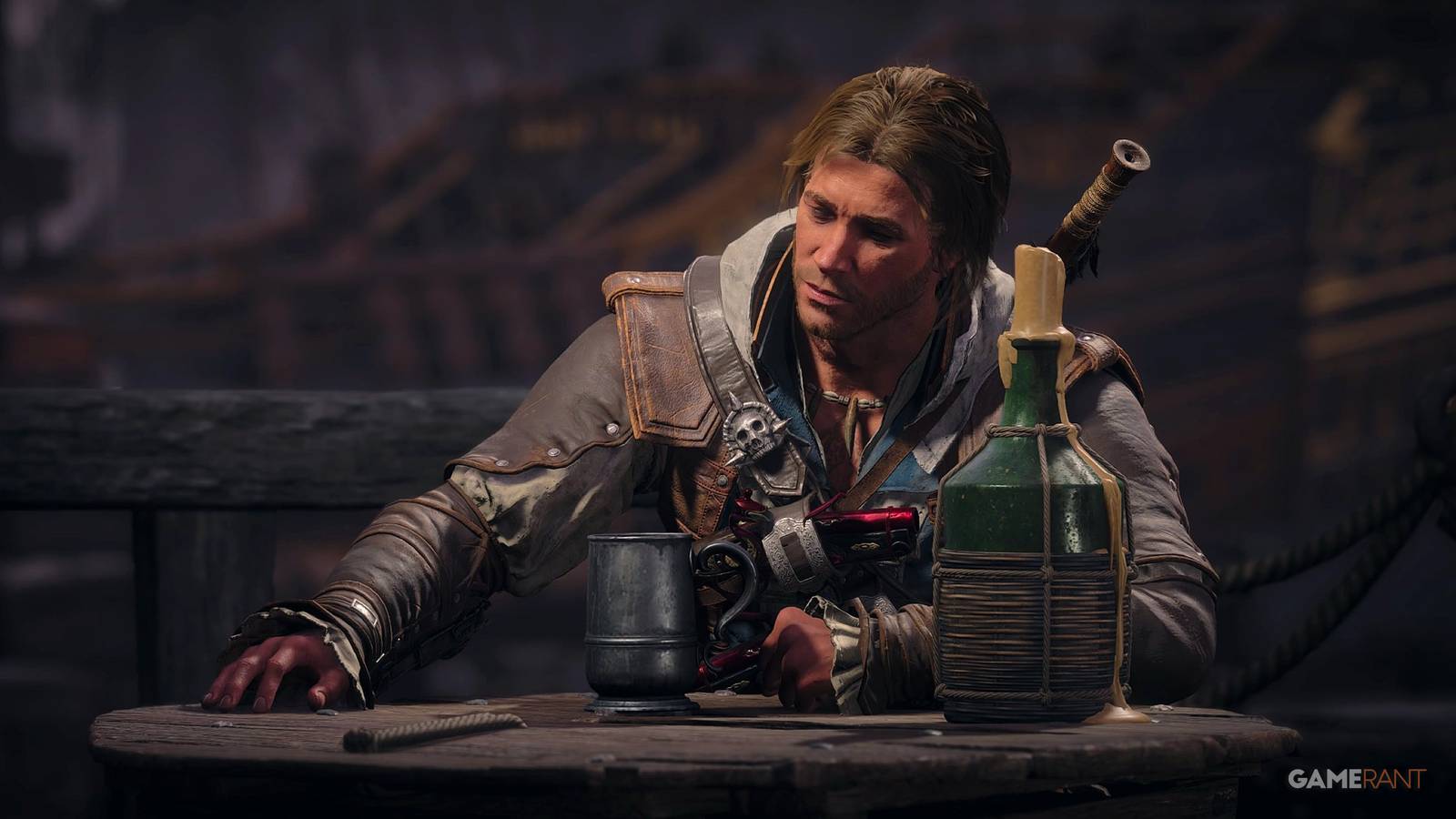
When the story structure fails to earn my investment, you’d hope the characters would pick up the slack. Unfortunately, that’s also not the case. Edward Kenway disappoints early on, with his seemingly inherited knack for all things assassin, as he can perform signature techniques and wields the hidden blade masterfully despite zero training. Overall, the protagonist comes across as two-dimensional so far, with a personality that largely boils down to one repeated refrain: “I’m in it for the coin.” I’m sure he’ll make a 180-turn later, but there’s no need to restate his “pirate’s creed” every single time someone asks captain Kenway about his goals.
The jarring flashbacks to Edward’s married life don’t land either. They appear seemingly at random between missions, often with little context or connection to the present, wasting any potential emotional impact. We see that his old life as a penniless husband wasn’t working out, but it all feels like hot air. Rather than revealing how he became the man he is or adding meaningful depth to his personality, the flashbacks simply repeat what we already know.
As a result, Edward’s true motives remain a mystery to me, and his roguish charm is largely wasted. He constantly complains about running errands instead of living freely, yet the moment another character mentions a problem, he immediately volunteers to “handle it.” Rather than revealing a buried sense of duty, the contradiction makes Edward feel like a character being dragged wherever the next mission needs him to go, making these moments feel like shallow efforts to justify me playing the game rather than natural extensions of Edward’s character or personal goals.
When the story structure fails to earn my investment, you’d hope the characters would pick up the slack. Unfortunately, that’s also not the case.
The supporting cast fares only slightly better. They aren’t poorly written, as there are genuine sparks of fascination, especially with characters like Kidd, Vane, and Thatch, backed by sharp, memorable dialogue and banter that made me want to care about them. The problem is how they’re introduced—or rather, not. They appear with almost no setup, denying me the chance to meet them properly or watch their relationships with Kenway unfold naturally. Instead, they’ve all known each other for years simply because they’re pirates sailing the same waters. That default sense of familiarity and mutual respect makes forming any real bond impossible, and none of it feels earned.
On top of their motivational issues, there’s a poor sense of pacing. Major events in back-to-back missions are often meant to span weeks or even months, yet the game rarely conveys that passage of time. Every time you meet a character, it’s like only minutes have passed since the last encounter, with everyone picking up exactly where they left off. As a result, the cast comes across as stale archetypes rather than dynamic personalities living their own lives between missions.
Since I already mentioned The Witcher 3, think about how natural its interactions feel. When you reunite with someone like Yennefer, you can tell that time has passed. The characters are in new chapters of their lives, and there’s a real sense of catching up before moving forward. I know Ubisoft isn’t CDPR, yet the way Black Flag’s characters often function as walking plot devices remains hard to overlook.
Without having played the original, I can’t speak to how different the structure was, but I understand Resynced removes the modern-day Abstergo sections and other playable characters entirely. I’m not convinced that was the right choice, as their absence still seems to echo throughout. Perhaps Ubisoft should’ve gone the extra mile and removed even the slightest hint of the simulation layer, rather than leaving some of the series’ signature framework intact.
Given how busy the narrative already is, those sequences might have made it even more fragmented, but some things just don’t work without that vital layer of experiencing someone’s memories. Frequent sci-fi-style walls and unexplained restrictions definitely clash with Ubisoft’s framing of Resynced as purely Edward’s story. You’re often blocked from areas the developers don’t want you to reach yet, only to be met with awkward “Area Not Available” simulation messages. There are mysterious system rifts and weekly anomalies. Heck, it’s even in the remake’s title.

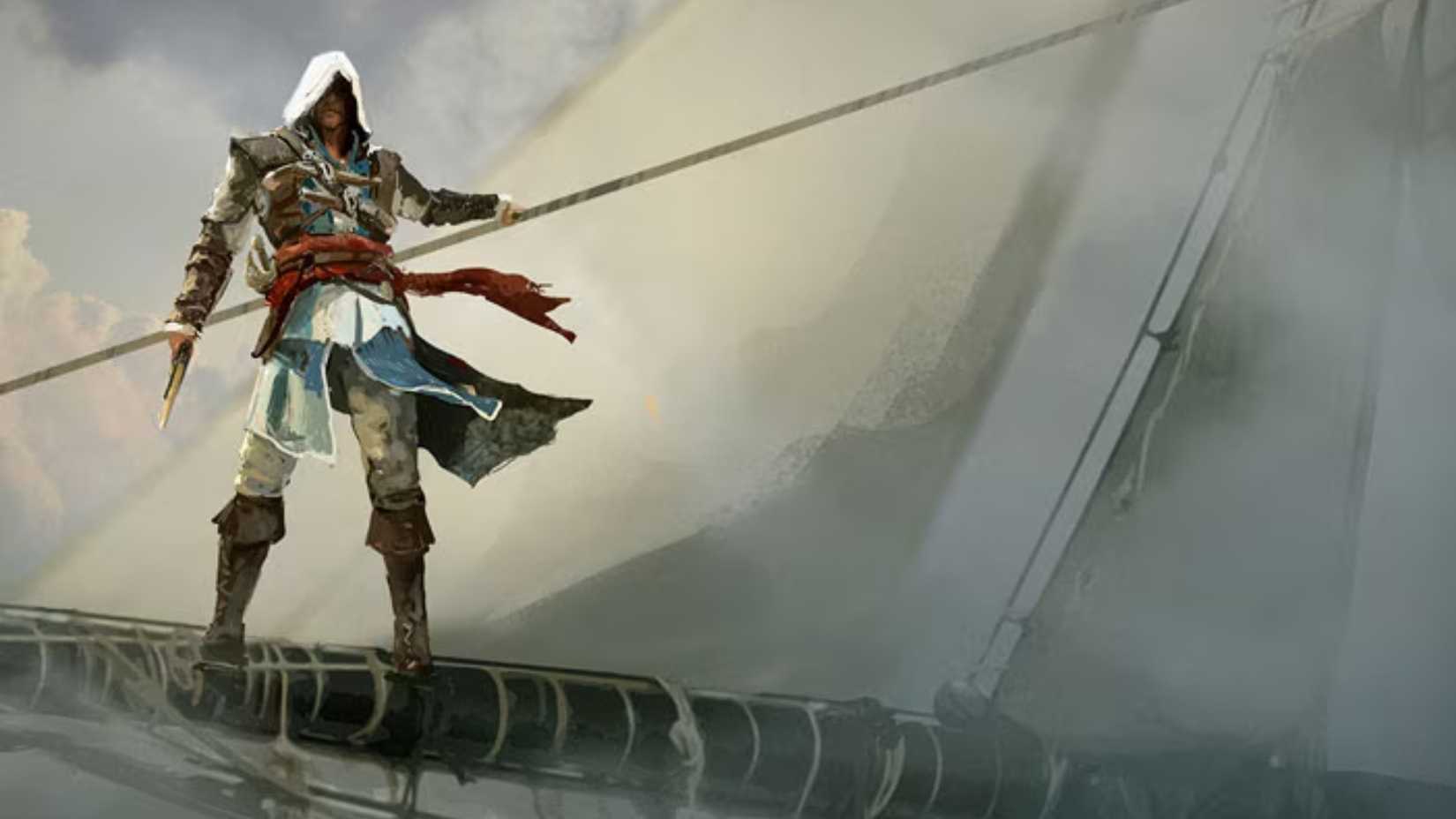
Shreds of the memory simulation resurface at the most inconvenient times. In one mission, I was fighting two ships at the very edge of the playable map and kept desynchronizing simply because I was circling them to find a better angle of attack. These constant design limitations pull you out of the world and remind you that you’re playing a video game.
Every time you meet a character, it’s like only minutes have passed since the last encounter, with everyone picking up exactly where they left off.
This issue becomes especially jarring during the game’s signature assassination sequences. After killing a major Templar target, the world fades into a black void, the victim lies in the water, and they exchange cryptic dialogue with Edward that often only makes sense to longtime fans. I couldn’t help but wonder how these scenes land for complete newcomers, or what they’re even supposed to make of them.
The Story Is Just One Piece of Black Flag Resynced’s Charm
My time with AC Black Flag Resynced fell short of expectations, but the disappointment stems as much from my own approach as from the game itself. After a quick search online, I discovered I’m not the only one who feels the story isn’t the strongest aspect, and I really wish I’d known that beforehand.
Since I’ve never played an open-world game this way before, I’m left wondering: are these narrative sins unique to Black Flag, or are they common across the genre? How many games treat the main story as little more than a bare-bones skeleton that only comes alive when fleshed out with side content? Honestly, I’d rather not find out the hard way, as I don’t want to play another open-world game solely for its story.

Even if I sounded harsh, I hope there’s another, very different game within Black Flag that, unlike me, you get to experience. One whose real highlights lie elsewhere: in the slower, more deliberate exploration of its gorgeous world, in the optional content that delivers meaningful character moments and relationship development, and in the simple joy of sailing across sunlit seas, humming the “Drunken Sailor” shanty with no mission marker in sight.

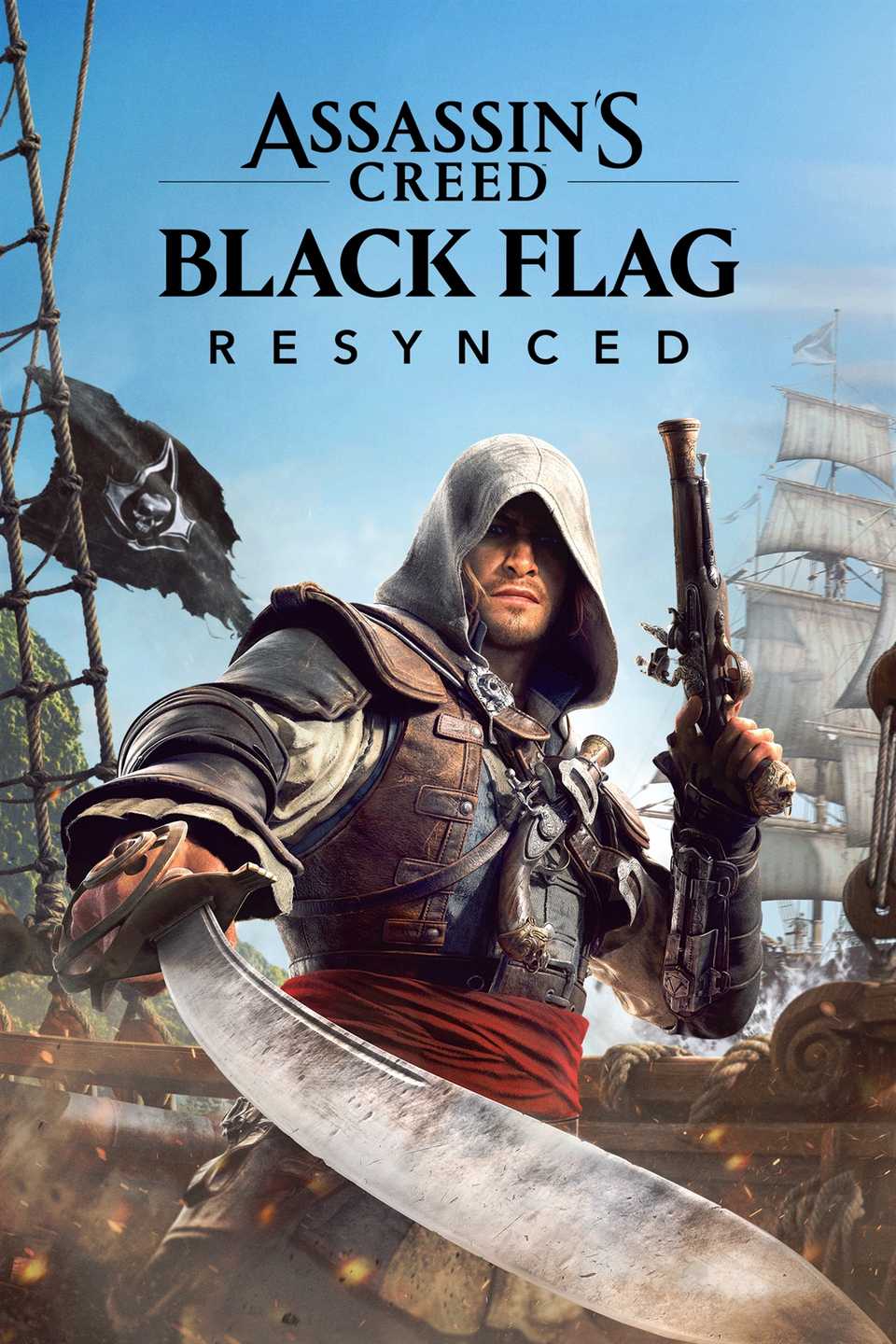
Assassin’s Creed Black Flag Resynced
- Released
-
July 9, 2026
- ESRB
-
Mature 17+ / Blood, Sexual Themes, Strong Language, Use of Alcohol, Violence / In-Game Purchases, Users Interact
- Number of Players
-
Single-player