



BlizzCon has come and gone, and with it, we got reveals for basically every Blizzard IP out there, from World of Warcraft to Overwatch, but in between all the big announcements were a few equally interesting ones that no-one saw coming. We already knew that The Witcher 3: Wild Hunt – Remastered was coming to Battle.net in late September, but it is being joined by Cyberpunk 2077 later in the year, which has a lot of players excited, yet it raises a question regarding the platform’s place in the wider gaming market.
Over the years, Battle.net has grown from Blizzard‘s exclusive launcher for all their games across several generations into a strange mix of first-party titles and games from other studios, primarily driven by Xbox’s acquisition of the company back in 2023. When you boot up the launcher, you see the classic names like Diablo and StarCraft, but are now greeted with Avowed, The Outer Worlds 2, and soon, the CD Projekt Red heavy hitters, which starts to make it look less like a Blizzard-only space and more like a universal platform. And, while it is clear that Blizzard isn’t going to overtake Steam or even Epic Games overnight, it raises the question about where Battle.net fits in the conversation about gaming launchers, especially as more big names are added over time.
Blizzard Is Adding Two Massive RPGs to Its Library on Battle.net
-
 Image via CD Projekt Red
 -
-
 Image via CD Projekt Red
Just over a decade ago, Battle.net was a platform reserved for Blizzard’s games and content, and although it had nowhere near as many games as something like Steam, quantity was far from the point. In my eyes, the launcher stood as the main hub for all things Blizzard, and it didn’t matter if you came for WoW or Starcraft; the platform had a very specific reason to exist. As time has gone on, we have seen more games being added to the platform, with sequels launching and several spin-offs rounding out the edges, but the list that exists now is far from Blizzard-dominated.
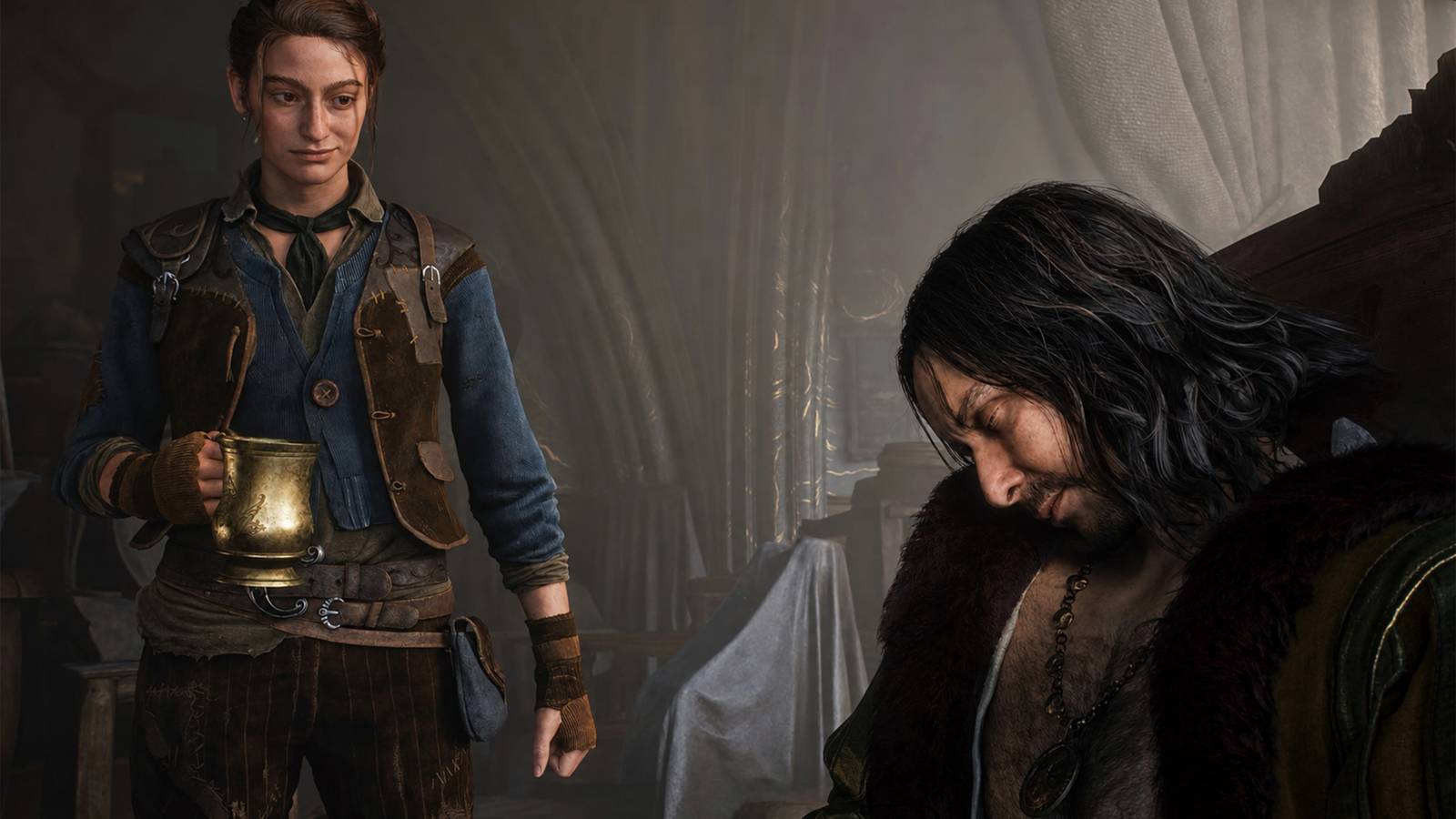
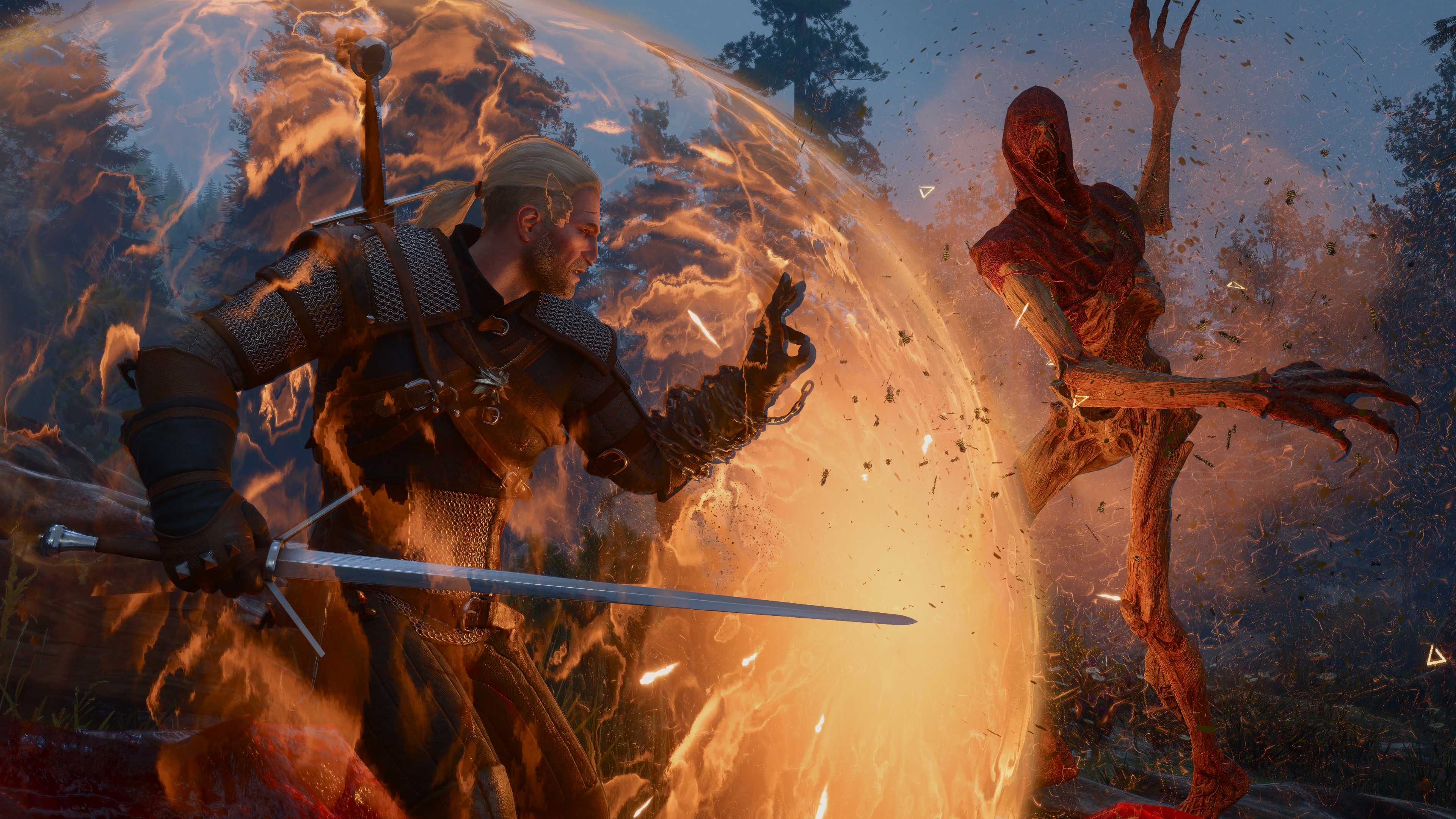
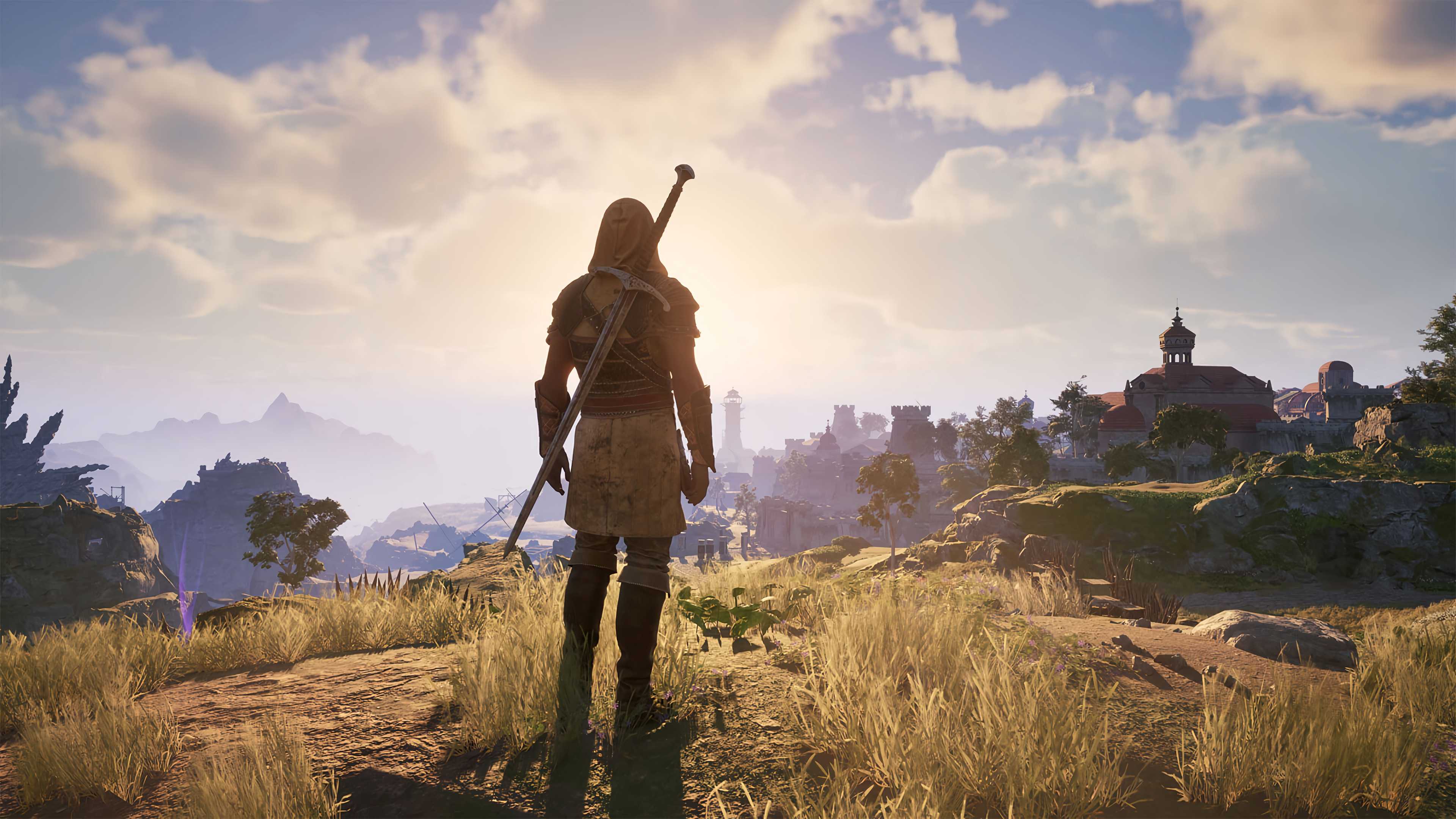
You can use Battle.net to launch the latest Call of Duty, or sail the oceans in Sea of Thieves, and now you are going to be able to play two of the greatest single-player RPGs ever made, with Cyberpunk 2077 and The Witcher 3 joining the fray. Now some of the additions make sense from a corporate point of view, because of the relationship between Activision and Blizzard, but these large RPGs also feel like an ideal fit for the platform. If you already have a big player base of RPG lovers who may be looking for something new, then why not give them exactly what they want on their doorstep, instead of forcing them to look elsewhere in the competition?
And, while it is clear that Blizzard isn’t going to overtake Steam or even Epic Games overnight, it raises the question about where Battle.net fits in the conversation about gaming launchers, especially as more big names are added over time.
However, when you begin adding more and more games to a launcher, it starts to look less like a tailored list and more like a fully-fleshed out gaming platform. Blizzard themselves have said that these additions are in no way intended to make Battle.net compete with Steam or Epic Games, and the focused approach is intended to give the existing players on the platform the kinds of games that they think would be the best fit (via GamesRadar). I do see the argument, as it isn’t as if Blizzard has opened the floodgates and added any and all games to their platform and is instead taking things slow with a more structured set of deals.
-
 Image via GameRant | Sources: Microsoft, Rare
 -
 Image via Treyarch / Call of Duty
 -
At the same time, it gets to a point where the cross-over between platforms becomes hard to avoid. Sure, if you have a single or a couple of games, then you aren’t exactly sharing much space with Steam, but if you then end up with 50+, with more on the way, then those strategic partnerships with your existing games look less like nice fits for the platform and more like an attempt to take up market space. What’s more is that if you have the same games available across a range of different platforms, it adds an extra burden on both you, the publisher, and the consumer. You need to think about platform deals and competing prices and even bundles, and conversely, consumers have to do a lot more shopping around and might just settle for the simplest solution, which is almost always wherever they have the most games.
When Platforms Collide
It’s no secret that there is some serious competition in the world of gaming platforms. For consoles, it is a little more black and white, as you are choosing both the hardware and the platform at the same time, but for PC, you have access to dozens of different launchers and publishers all in one place, so the choice about where to buy becomes a lot more complex. Games like Sea of Thieves are a great example of this, as, because the game is published by Xbox Game Studios, you can actually access it in far more places than you might expect, from Battle.net to Steam, and of course, Xbox’s own launcher.
The latter of the bunch is the most interesting, as there already exists some very real friction between Xbox’s acquired platforms. Blizzard sits under their umbrella, and so you have access to things like Warcraft 3 and Overwatch in the Xbox PC app, but other games like World of Warcraft are still stuck with Battle.net. And, because of the need for account linking, cross-progression, and multiple update points, it can be a lot more frustrating to swap back and forth when compared to other platforms like Steam, and that assumes you can even do that to begin with.
But, if the plan is to expand the Battle.net platform with these RPGs that many people are still yet to play, then you would assume that the publishers want you to stick around in one place for longer, as opposed to having your library with someone else. However, there is a further contradiction within the Blizzard/Xbox world, as while the former still operates under its own control, the crossovers between the two are looking increasingly strange from the outside.
-
 Dominik Bošnjak / GameRant | Source image: CD Projekt Red
 -
 Image via CD Projekt Red
 -
 Image via CD Projekt Red
For example, if I play Diablo IV on the Xbox PC app, then I still need to go through Battle.net, and the same goes for other Blizzard titles on Game Pass. Then, if I buy Avowed, I will again have access to it in both stores, and I might continue to buy more games on the Xbox Store to pad out my library, track my achievements, etc. Then, I see that The Witcher 3 and Cyberpunk 2077 are coming to Battle.net, and I scurry to preorder them, only to see that they aren’t also present on Xbox. That means I have to choose where to play my games yet again, and if I see that Steam has all of those games plus thousands more, then I might as well keep Battle.net around for occasional WoW sessions, and stick to the larger platform for my singleplayer adventures.
This exact scenario has been happening for years now, and the universal outcome is almost always to go with a single platform that houses the majority of your games. If Blizzard wants to have some of their partnered games on Battle.net, then I see no issue, as it makes sense to keep all your names under the same roof. However, the claim that by adding other third-party games you aren’t competing with other platforms is strictly false and plays into the same old question of why would someone buy their games on X if they already own them on Y. I expect that Blizzard is preparing for the future, establishing Battle.net as a place for later titles like The Witcher 4 and potentially more RPGs down the line. But I also know that people universally hate using more platforms than they need to, with the EA app being a perfect case study, so I still fail to see a world where these partnerships expand much further, unless Battle.net gets absorbed into the Xbox app.

- Date Founded
-
February 8, 1991
- Headquarters
-
Irvine, California, United States
- CEO
-
Bobby Kotick
- Parent Company
-
activision blizzard