





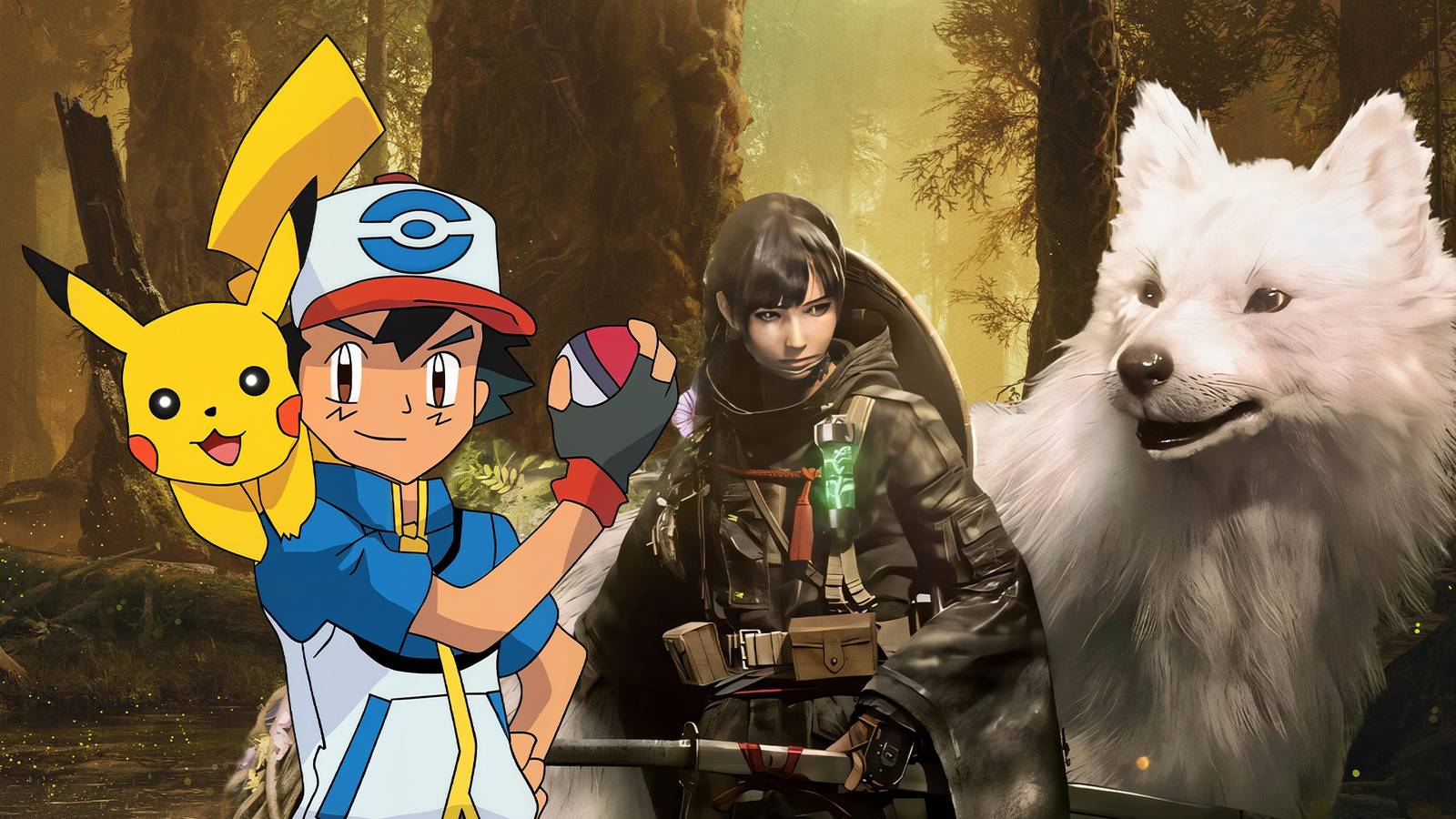
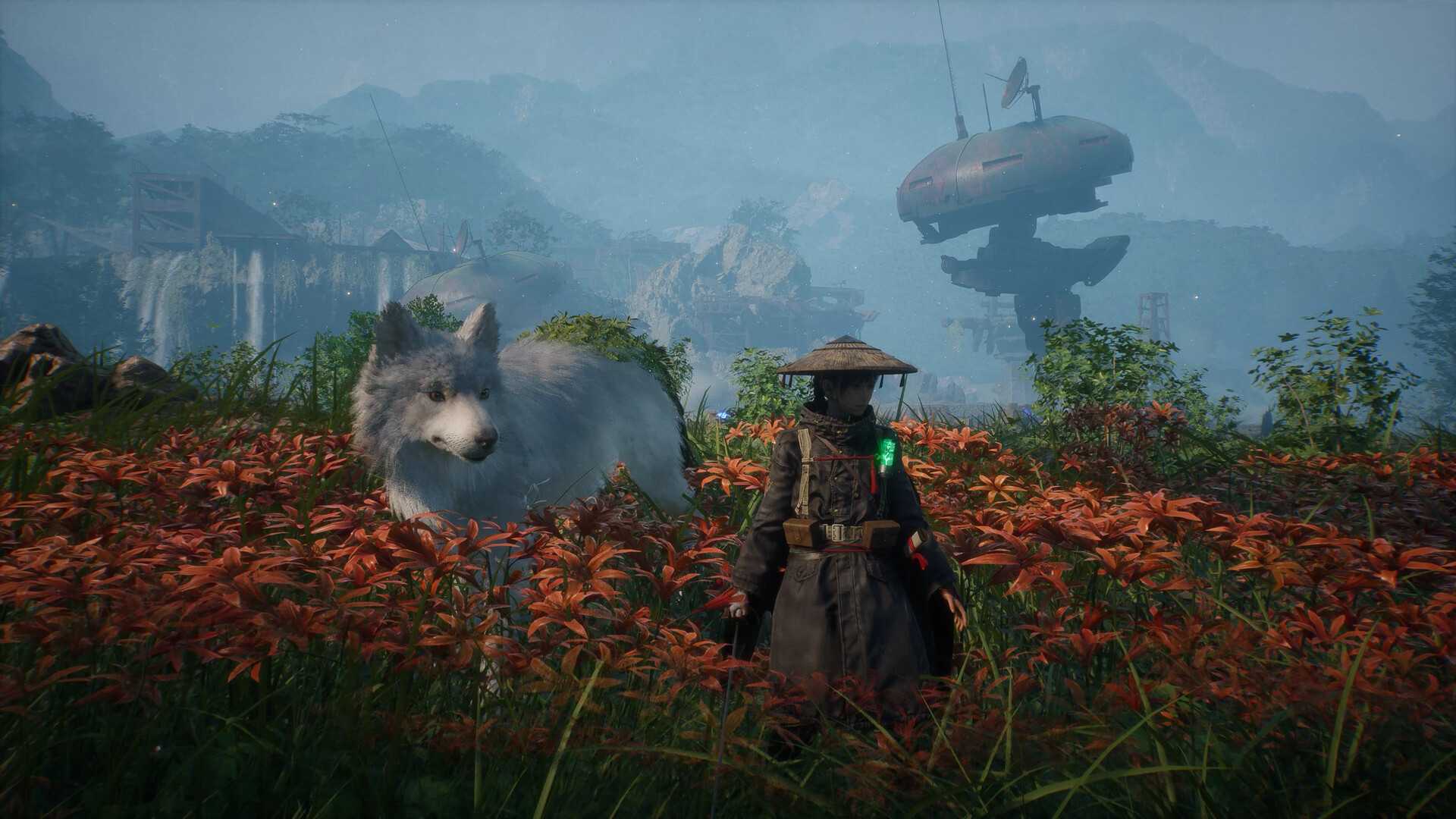
Game Freak has made a bold dive into a completely new direction with their latest project, Beast of Reincarnation. Far from the creator-collecting adventures they are mostly known for, the game is a stylish ARPG with DNA that extends from Sekiro to Persona, and despite being a significant departure from the developer’s comfort zone, it appears that the risk turned out to be worth it. Aside from some performance troubles and some issues with narrative pacing, the reviews are decent, citing the distinctive visuals, satisfying combat, and heartwarming relationship between Emma and the lovable Koo. However, as many players have pointed out, there is a glaring omission within the game that is normally the bread and butter of every single Pokemon title: enemy variety.
It doesn’t matter how far back you go into the creature-collecting catalog; Pokemon has always been catching them all in the most literal sense, presenting you with dozens, if not hundreds, of different critters of all shapes and sizes, but in the case of Beast of Reincarnation, it feels as though you run out of enemies to fight fairly early on in the 20-hour+ campaign. That’s not to say that the enemies aren’t worth fighting, as each type provides a sizable challenge and unique fighting style, like the golems that are more weapon-heavy, and the animals that behave about as erratically as you would expect. Yet there is a nagging sensation that even if Game Freak wanted to depart from their past as much as possible, they should have probably considered consulting the monster team for a few extra foes to tackle across the land.
Beast of Reincarnation Has An Enemy Variety Problem
-
-

-

When you first start out in Beast of Reincarnation, the excitement levels couldn’t be higher, as you are shown a brief glimpse of the chaos that the world exists in, and are then immediately sent out on your first main expedition into the unknown. You get to start smacking away at some weak golem enemies and dodging giant bears as they try to swipe you from afar, and as the game is fairly long, you would expect the list of mobs to only grow from there. However, as sad as it sounds, the enemies you end up fighting in the early areas are going to just keep cropping up, all the way until the final few chapters.


Guess the games from the emojis.
Guess the games from the emojis.
Easy (120s)Medium (90s)Hard (60s)
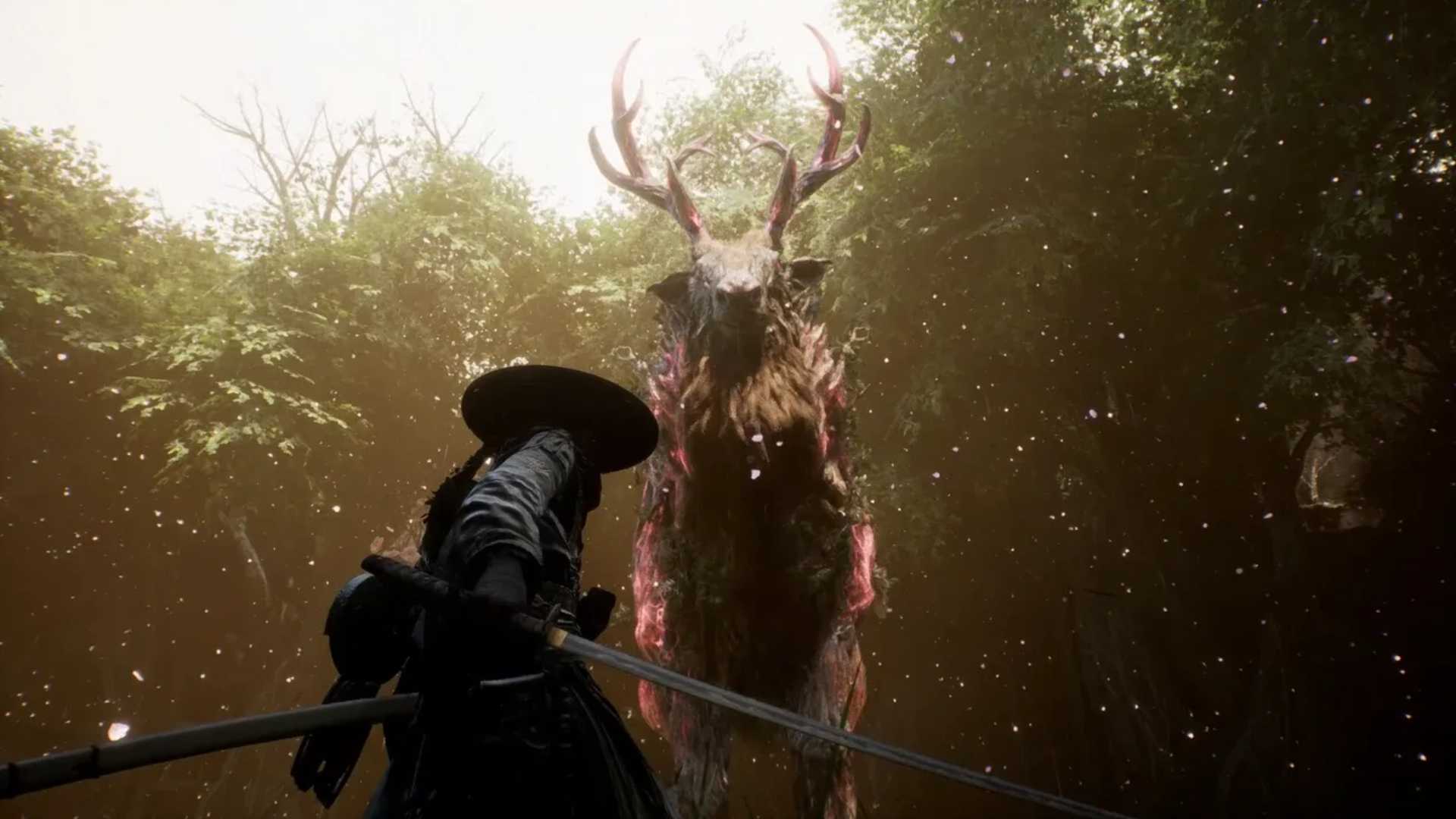
In between all the minor enemies, there are some elite ones that pose a much bigger challenge and will take quite a bit of skill to get through. And as you delve deeper into the story, each major hurdle is guarded by a sizable boss that nicely breaks up the exploration with a real test of your abilities. Yet in both cases, the elites and bosses are often just larger or slightly different-looking versions of existing enemies, meaning that even though you are going from fighting a smaller deer to a bigger one, it still feels like the same kind of fight on a fundamental level. This is exactly where a lot of the confusion comes from, as given how many different Pokemon there are, it seems rather odd that one of the few things Game Freak chose not to add was a huge number of enemies.
The reason enemy variety is so important in a game like Beast of Reincarnation is that no matter how you play and experience a playthrough, you are always going to want more things to fight. I am someone who likes to explore the outer edges and really get into every nook and cranny, so after clearing the majority of the first chapter, I already felt the fatigue setting in after taking down my 100th golem and 20th blighted bear. On the other hand, if you are someone who prefers to focus on the story, then I can see the lack of enemies being less of an issue, as although there is still a need to clear out some groups every now and then, you aren’t constantly meeting the same set of faces each time you step away from the main path.
In the case of Beast of Reincarnation, it feels as though you run out of enemies to fight fairly early on in the 20-hour+ campaign.
Then there are the attributes and skill trees to think about, which do take quite a while to progress, meaning that in a lot of cases, it is nice to go and gather some experience points to unlock the next tier or ability. The trouble is that the farming process is far from satisfying, and while there are some specific areas that net you higher resource gains from stronger enemies, it still boils down to spamming one or two of the enemies you have encountered for the last dozen or so hours. What I am curious about is what the conversations were like internally at Game Freak. It is obvious that there are some optimization issues, which can hopefully be fixed with a few patches, but an absence of entire enemy archetypes and classes is a much more systemic issue that can’t be fixed with a couple of extra lines of code.
Maybe the focus was all placed on the combat, and I can see exactly where the talents have gone, due to how responsive and fun it is to swing around and slash through enemies, while issuing commands for Koo to follow up. Yet, the fighting can only be as fun as the enemies you have to fight, and if your opponents remain constant throughout the story and only vary slightly in specific points or in boss fights, then all that satisfaction that comes from parrying, casting spells, and chaining abilities feels wasted. My hope is that Game Freak looks at the game and sees exactly where they went right, and course-corrects the mistakes like the enemy variety for whatever future projects they may have, whether that be a DLC or something else entirely.
Negatives aside, I think the game is a welcome addition to the genre that bridges a lot of games and delivers a genuinely unique combat experience that I, for one, welcome in the midst of a sea of copycat titles that never seem to quite excel at once single thing. Also, there is already word of a patch to the game that should address a handful of the issues players have with it, though I wouldn’t expect there to suddenly be a million more creatures to fight any time soon. Is it a masterpiece? No, but it is a decent first attempt at something new from one of the industry’s most celebrated devs who clearly aren’t afraid to experiment and move away from the norm, even if it means missing the mark in a few places.