







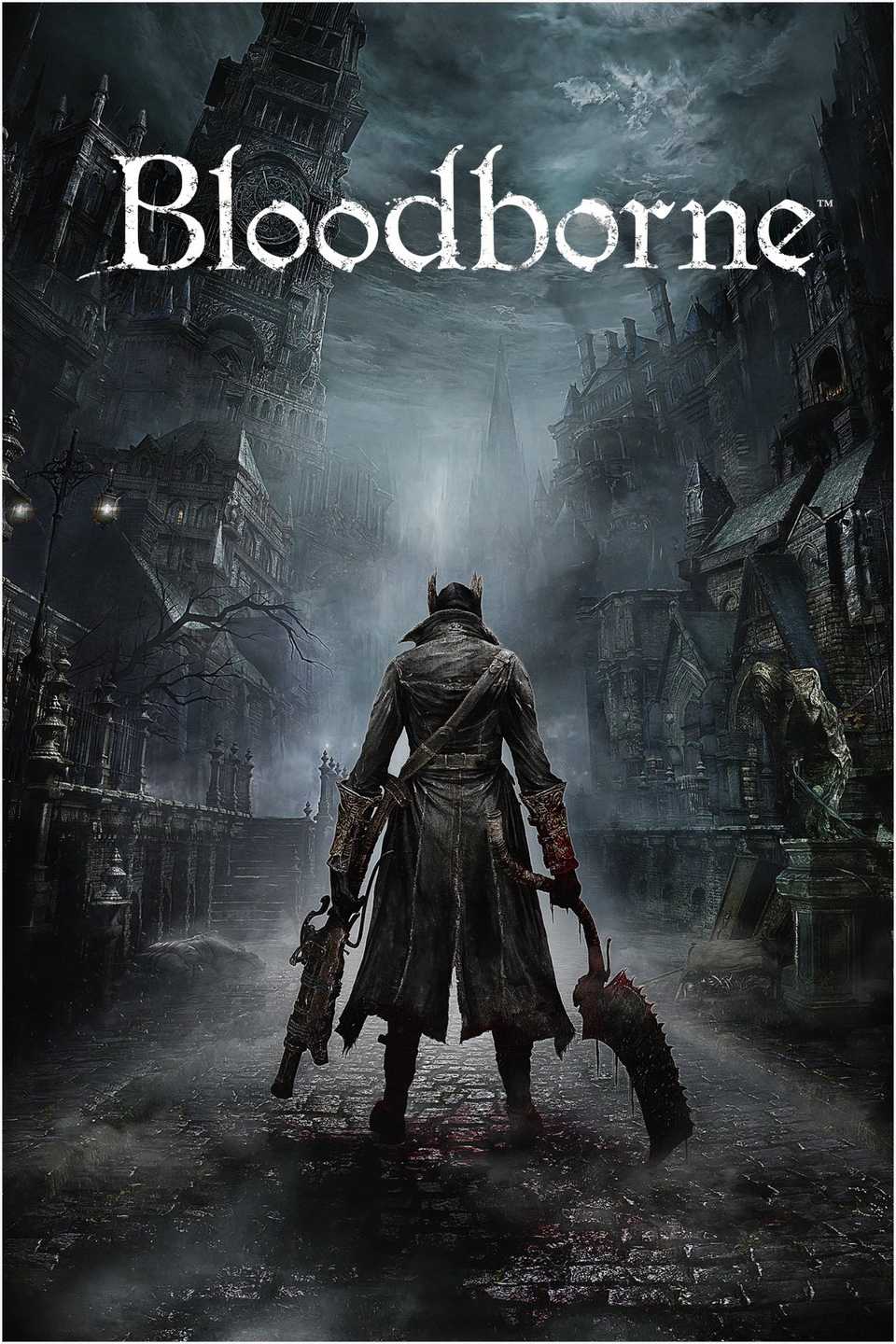
Bloodborne is a fantastic game, one that’s majorly responsible for helping the so-called soulslike genre enter the mainstream. Speaking personally, I count the 2015 PS4 exclusive among my absolute favorites: I’ve beaten Bloodborne at least four times, including the DLC, and know it like the back of my hand. Because of this, I feel somewhat entitled to criticize it.
Like a lot of other Bloodborne fans, I’ve found myself frequently getting frustrated with the Blood Vials mechanic. Replacing the more-beloved, and consequently more utilized, Estus Flask healing formula, Blood Vials that replenish a fixed amount of health, but rather than replenishing at checkpoints, they must be collected like any other item. The impact that this has on the gameplay loop is quite significant, but it can be summed up like this: in Dark Souls, the Estus Flask makes every death feel like a fresh start, but in Bloodborne, the Blood Vial system can make death feel like a punishment with occasional cascading effects. For newcomers, this often manifests in at least one instance of running out of Blood Vials, dying, and then focusing on replenishing the depleted stash rather than on the main task at hand.
Frustrating Though It May Be, Bloodborne’s Blood Vials Enhance the Intended Experience
Bloodborne, the Horror Game
Although I’m more likely to refer to it as an action-RPG in the vein of FromSoftware’s other modern works, Bloodborne can also be safely classified as a horror game. While Elden Ring and the Dark Souls games certainly have unnerving elements, Bloodborne is on a different level, its oppressively dark and dour atmosphere making the player feel especially vulnerable and small. It’s visually and conceptually terrifying as well, as its world of human transformation and horrors beyond comprehension is sufficiently and consistently disturbing.
I would go as far as saying that Bloodborne is far scarier than many games which are widely labeled as Horror. For example, its scares are often more effective than those of the Resident Evil franchise, which is more about blockbuster action. But audiences are more willing to call Resident Evil a horror franchise because it has gameplay mechanics, like resource management and claustrophobic level design, consistent with the interactive horror genre. Meanwhile, Bloodborne dons the trappings of a typical third-person action game, leading many to describe it along the lines of “an action-RPG with a horror aesthetic.”
Blood Vials Add Horror and Tension to Bloodborne’s Gameplay
It goes without saying that interactivity is the main difference between horror in gaming versus film, but this is just the starting point: every other aspect of a horror game, good and bad, stems from this distinction. When you see that the protagonist in a horror movie is about to do something ill-advised, you get anxious; in a horror game, you are that protagonist, and you need to make these sorts of decisions yourself. This degree of control is empowering, but also forces accountability, which can make for a more engaging experience.
Blood Vials help Bloodborne uphold this accountability. At its core, the Blood Vials feature is very similar to resource management, a key pillar of the survival horror genre. Moving through Bloodborne‘s many creepy locations becomes all the more unnerving when you notice that you’re low on Blood Vials, a quasi-finite resource that won’t be replenished by a trip back to the bonfire. But this will also spur you forth, encouraging you to explore and take on enemies in the hopes of finding more Blood Vials—this is an essential difference between this system and its equivalents in other, more traditional soulslikes.
There’s an argument to be made that Blood Vials elevate Bloodborne‘s conceptual horror as well. That Blood Vials are not merely “reset” after each death reinforces the idea that the protagonist is injecting themselves with copious amounts of different people’s blood throughout the story, which is definitely creepy.
You Might Not Like It, but Bloodborne’s Healing Mechanics Have Their Purpose
The flipside of this dynamic is that the Blood Vial system can be as rewarding as it is punishing. Once you start getting good at Bloodborne, you may actually find yourself preferring Blood Vials to Estus Flasks, as you can hoard the former in a way that you can’t with the latter. This can better position you for an especially difficult or lengthy challenge, like a boss fight. This is similar to Dark Souls‘ gameplay rhythm, but the resource management elements are spread out across, theoretically, the entire game. In a game like Dark Souls, your number of Estus Flask charges only really matters until you reach the next bonfire.
For the record, this isn’t me endorsing the Blood Vials mechanic wholesale. Personally, I go back and forth on it, but I’m critical of it more often than not. At its worst, the Blood Vials system can encourage grinding, which runs counter to both FromSoftware’s game design and the primary aims of the horror genre. But if you’re frequently annoyed by the feature, I might suggest replaying Bloodborne with this survival horror idea in mind. I can’t promise that you’ll suddenly start enjoying it, but a change in perspective can help a player appreciate a mechanic’s rolew in a project’s broader creative vision, rather than as just a “fun-multiplier.”



- Released
-
March 24, 2015
- ESRB
-
M for Mature: Blood and Gore, Violence