



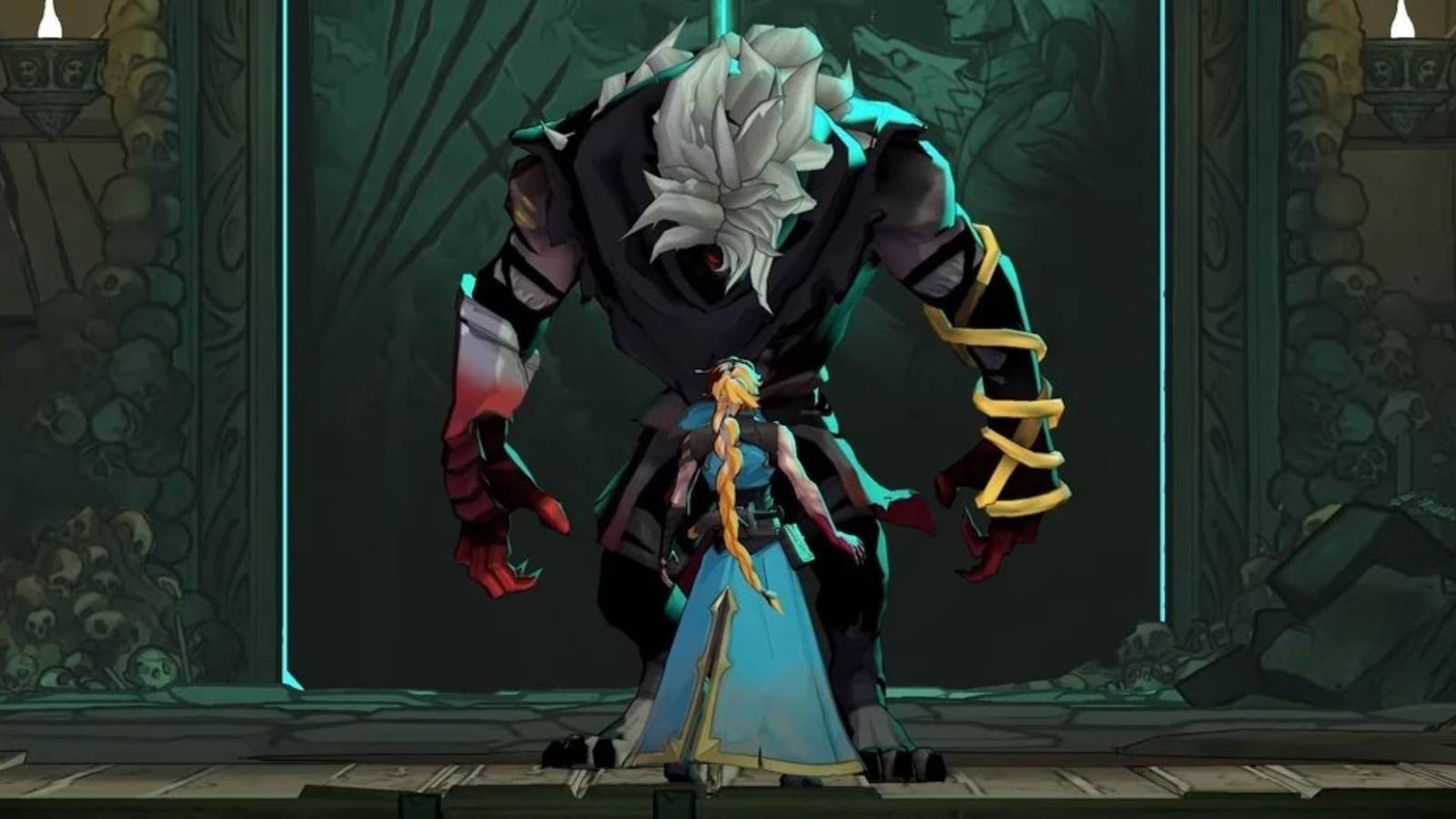
Castlevania: Belmont’s Curse was just included in PlayStation’s November 2 Players’ Choice poll, pitted against other new releases like Phantom Blade Zero, Silver Pines, and Call of Duty: Modern Warfare 4, among others. While ruminating on voting and weighing my options, I found myself thinking about my experience with Castlevania: Belmont’s Curse as it relates to the franchise as a whole. I love Castlevania for its story, complex characters, and difficult combat, but the latest entry gave me something new to love that is distinctly different from other Castlevania games.
Game difficulty for me has always boiled down to how I want to experience a specific game. More and more, we see modular difficulty included in releases, now including Castlevania: Belmont’s Curse. I got to thinking about how modular difficulty impacts the intent of a game like Castlevania, a title well-known for its difficult encounters. Does this change the game’s impact? Are games like Castlevania tailored to create a specific experience with difficulty, or are challenges meant to be tackled individually based on what a player is looking for during gameplay? I believe that Castlevania: Belmont’s Curse is meant to be messed around with, altered by players to create a unique experience, using modular difficulty to their advantage.
Castlevania: Belmont’s Curse’ Accessibility is Meant to Help Players Face Challenges, Not Erase Them
Interestingly, the recently released Konami game features extremely extensive difficulty customization, something that I haven’t seen this in-depth in a Castlevania game before. As of writing, the strongest example of this difficulty slider mechanic in a Metroidvania that comes to mind is Prince of Persia: The Lost Crown. Difficulty sliders like these are often meant to give players who want specific experiences from their game the option to alter certain aspects, tailoring to the needs of every player.

Balance the critic averages
For instance, those who are playing for the story might lower the difficulty to focus on character interaction or dialogue, while those who are up for a challenge might raise the difficulty for more satisfying combat. This is a particularly handy mechanic, given that it seems modern Metroidvanias have become increasingly difficult post the success of Hollow Knight. In Castlevania: Belmont’s Curse, players are able to tweak their experiences to their liking, altering damage values and boss-rematch conveniences to lower that barrier to entry. There’s even an option that prevents death, leaving players at 1 HP or respawning them right at a boss door.
When the discussion of these difficulty sliders comes up in conjunction with notoriously “difficult” games, the frequent argument is that accommodating players undermines an intended experience, seemingly altering what developers had in mind for players. I’d like to argue that when a game like Castlevania: Belmont’s Curse is purchased by a player, it should be changed somewhat, allowing players to control how demanding their experience becomes. Players should alter their experience, offering them a desired outcome that suits their play style and comfort.
-
 Image via GameRant; Source: KONAMI
-
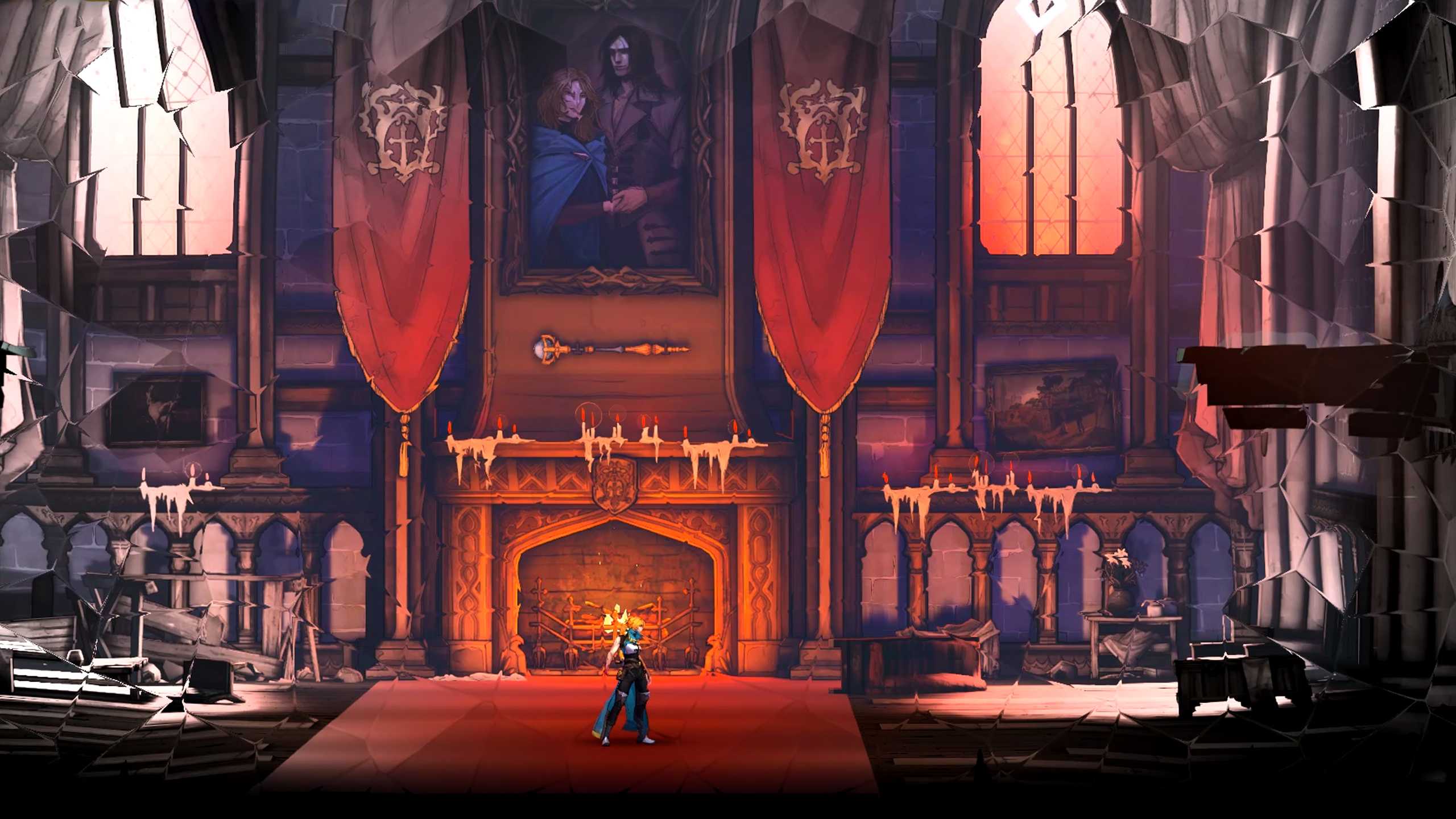 Image via Game Rant; Source: Konami, Evil Empire
-
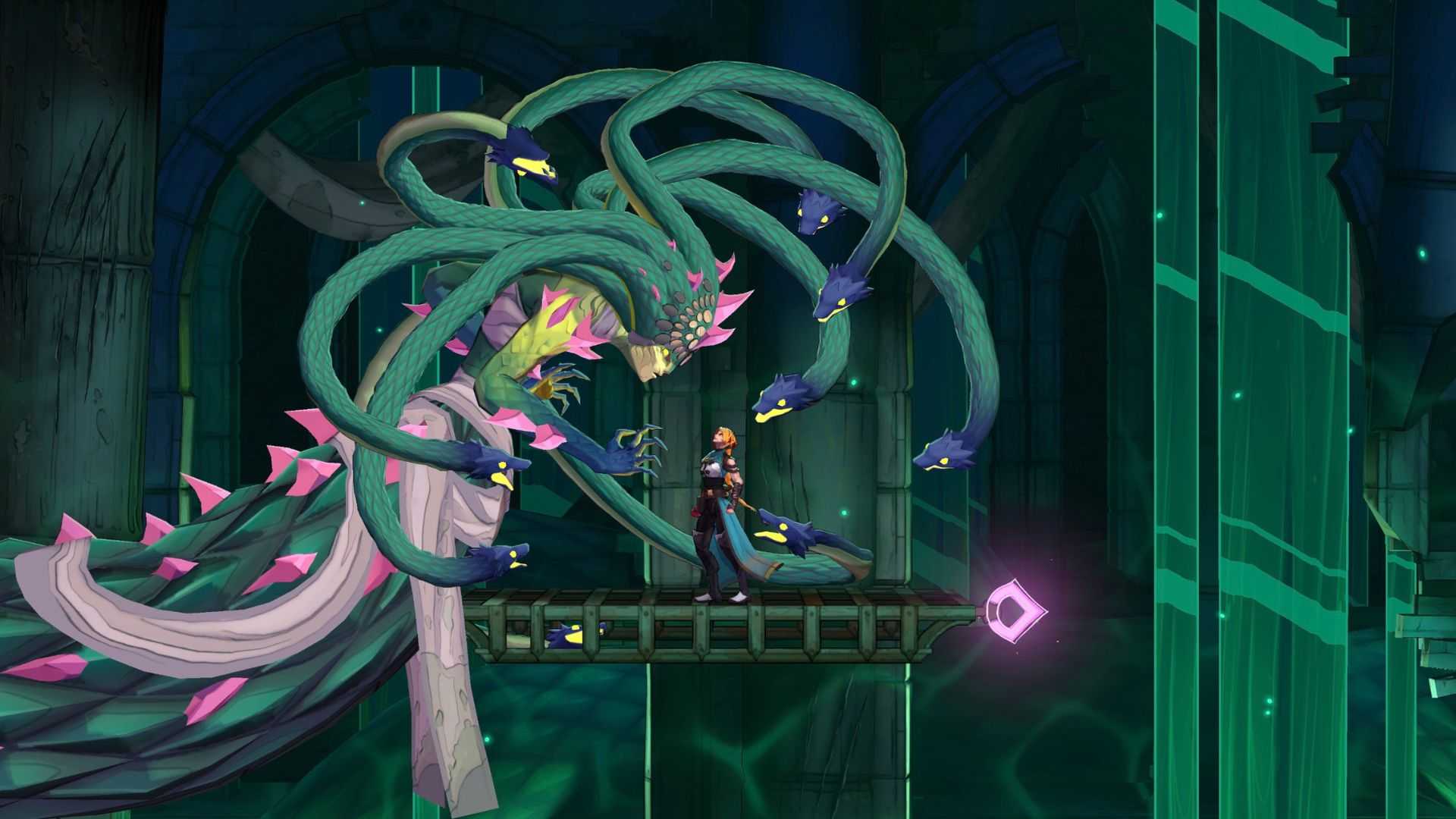 Image via Konami
Difficulty sliders like these are meant to raise accessibility, creating an experience that everyone can get involved in, not just those who are a glutton for punishment. Remember, accessibility is meant to help players face challenges, while difficulty is the challenge at hand. When developers design challenges, they usually don’t always require players to engage with said challenge in the same way, unless we are talking about something like Sekiro: Shadows Die Twice, which enforces a specific rhythm-based play style. The beauty of hard gameplay is that players are encouraged to tackle something like a particularly grueling boss battle or a punishing encounter how they see fit.
When a game like Castlevania: Belmont’s Curse is purchased by a player, it should be changed somewhat, allowing players to control how demanding their experience becomes.
No one game is made for one specific player, just as no one challenge in a game is made to be taken on in the same way. Players are meant to circumvent either by engaging head-on or conjuring up an alternative route. Items are placed throughout a level to aid in experience customization; weapons are available to give a player variety and make a challenge more interesting. Sometimes, games are made difficult for a player to get them into a specific headspace or for a narrative purpose. Something like Dark Souls, which is notoriously hard, is difficult to get players into a specific mindset, giving them this warrior outlook that makes every battle won a triumph.
-
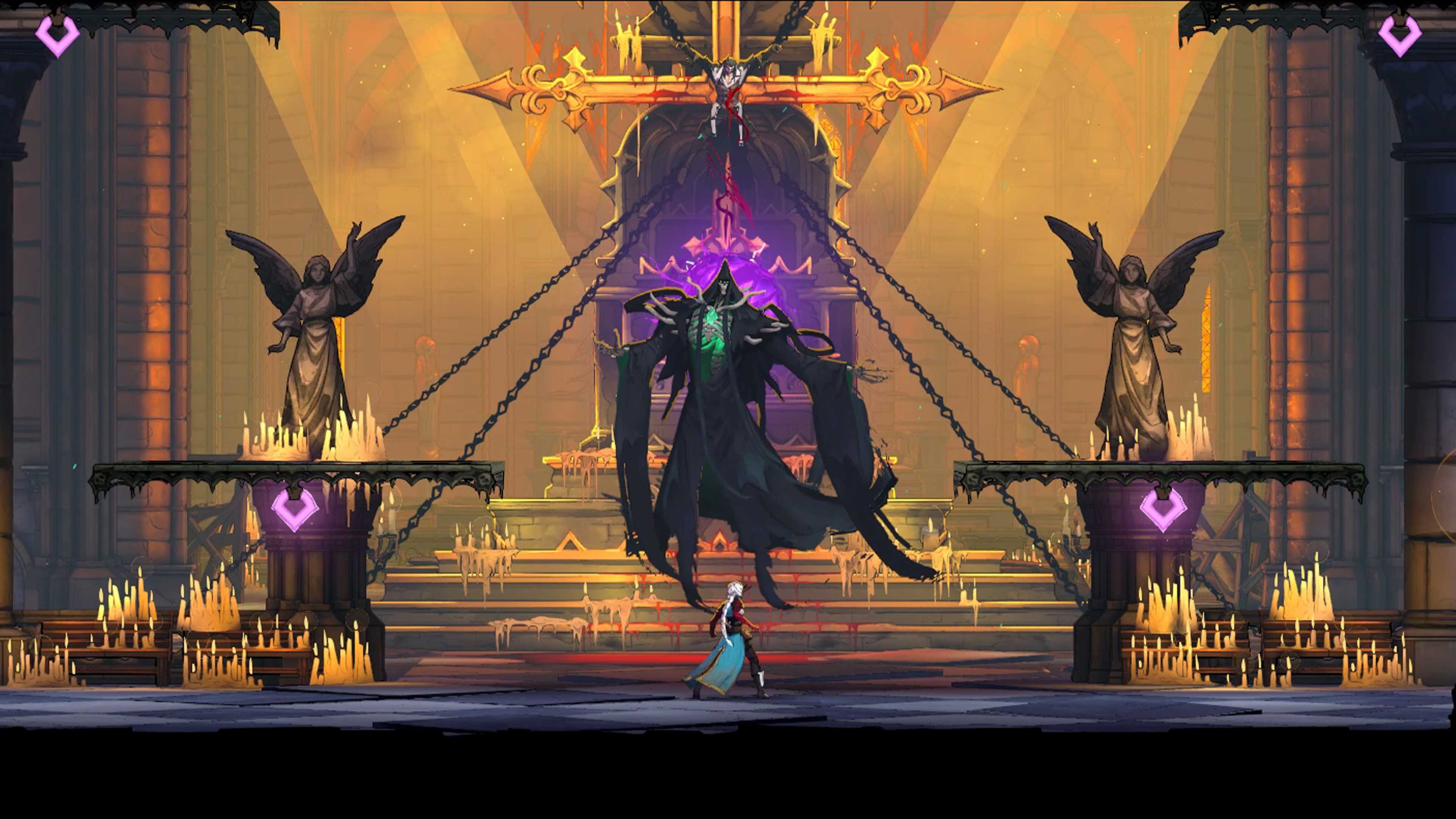 Image via Game Rant; Source: Konami, Evil Empire
-
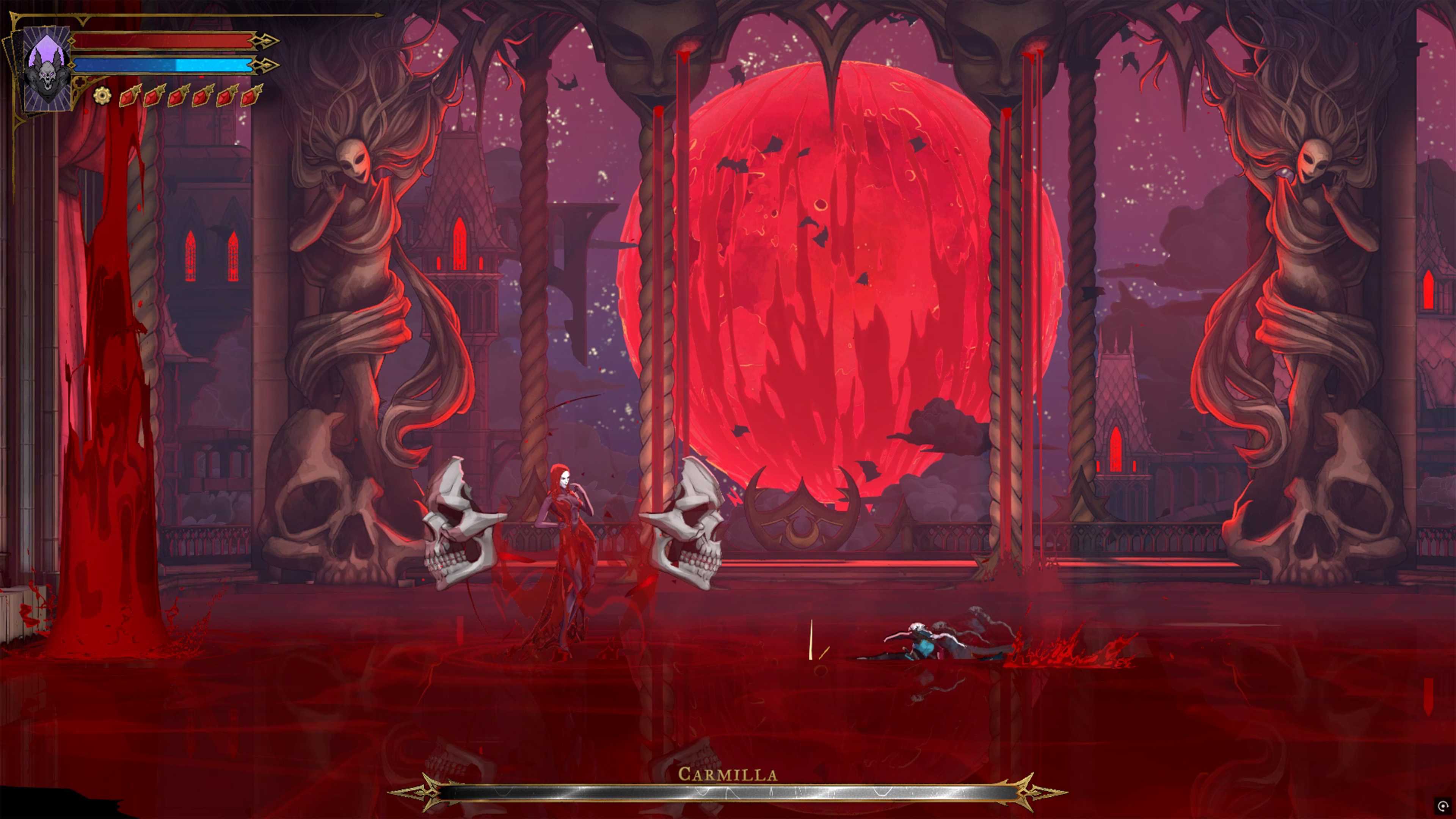 Image via Game Rant; Source: Konami, Evil Empire
-
 Image via GameRant; Source: KONAMI
Dark Souls has a fixed difficulty curve, but even then, players can organically change how hard or easy the game feels via gameplay choices like grinding, summoning help, or leveling up their gear. For a game like Dark Souls or Elden Ring, the fixed difficulty was intentionally implemented to invoke a specific feeling. As a whole, most games are designed to offer individual experiences rather than a blanket experience for all. Difficulty is usually a small piece of an overall game, made to keep players on their toes rather than rule their experience entirely.
Remember, accessibility is meant to help players face challenges, while difficulty is the challenge at hand.
Cuphead is a grand example of this, presenting challenges that are truly challenging, but offering a difficulty slider to mitigate some of that difficulty in favor of highlighting the story or amazing cartoon design. More often than not, I would argue that developers are aiming to create game experiences that are strong enough that even as difficulty is tweaked, the meaning or intent remains. Something like The Last of Us Part I & II features modular difficulty, but the impact of the game is not lost. Clickers, even less responsive ones, are still just as frightening. Rather than through difficulty, the emotional intent of the game is conveyed through character experience, setting, lighting, and even music choice.

Most complaints about difficulty sliders, in my experience, usually come from players who feel like choosing a specific difficulty is a reflection on the player and how “skilled” they are at gaming when that simply has no merit. There is a time and a place for difficult titles and punishing combat, and making it the intent for a game is okay, just as creating alternate experiences via a difficulty slider is also just as acceptable.
Punishing Difficulty Does Not and Should Not Make the Game a Success
-
 Image via Studio MDHR
-
 Image via Konami
-
 Image via FromSoftware
Castlevania games have established a reputation for punishing difficulty, but I would argue that the series’ difficulty does not make the game. Difficulty is not and should not be a measure of success, nor should it be a cornerstone that defines games in a series. Departing from an expected difficulty can be rather refreshing at times, offering players a new experience out of a series they’ve come to love. Difficulty changes made to Castlevania: Belmont’s Curse should be a gold standard because it allows for an alternative experience, but doesn’t erase that well-known difficulty from the franchise.
If players want a hard time, they can certainly create that for themselves by tweaking damage received from enemies and damage dealt to the maximum number of potions they can carry. Players don’t have to automatically brace themselves for a difficult time based on other games in the franchise. This change manages expectations in a really helpful way, especially for newcomers. Well-formulated challenges are meant to elevate a game, rather than define it. When players focus on difficulty, it feels like sometimes the immediate conclusion drawn is that a game is “bad” or “boring” when it is easier for all. “Fun” someone gleans from a game is ultimately subjective and largely depends on what kind of game I find myself playing.
-
 Image via Team Cherry
-
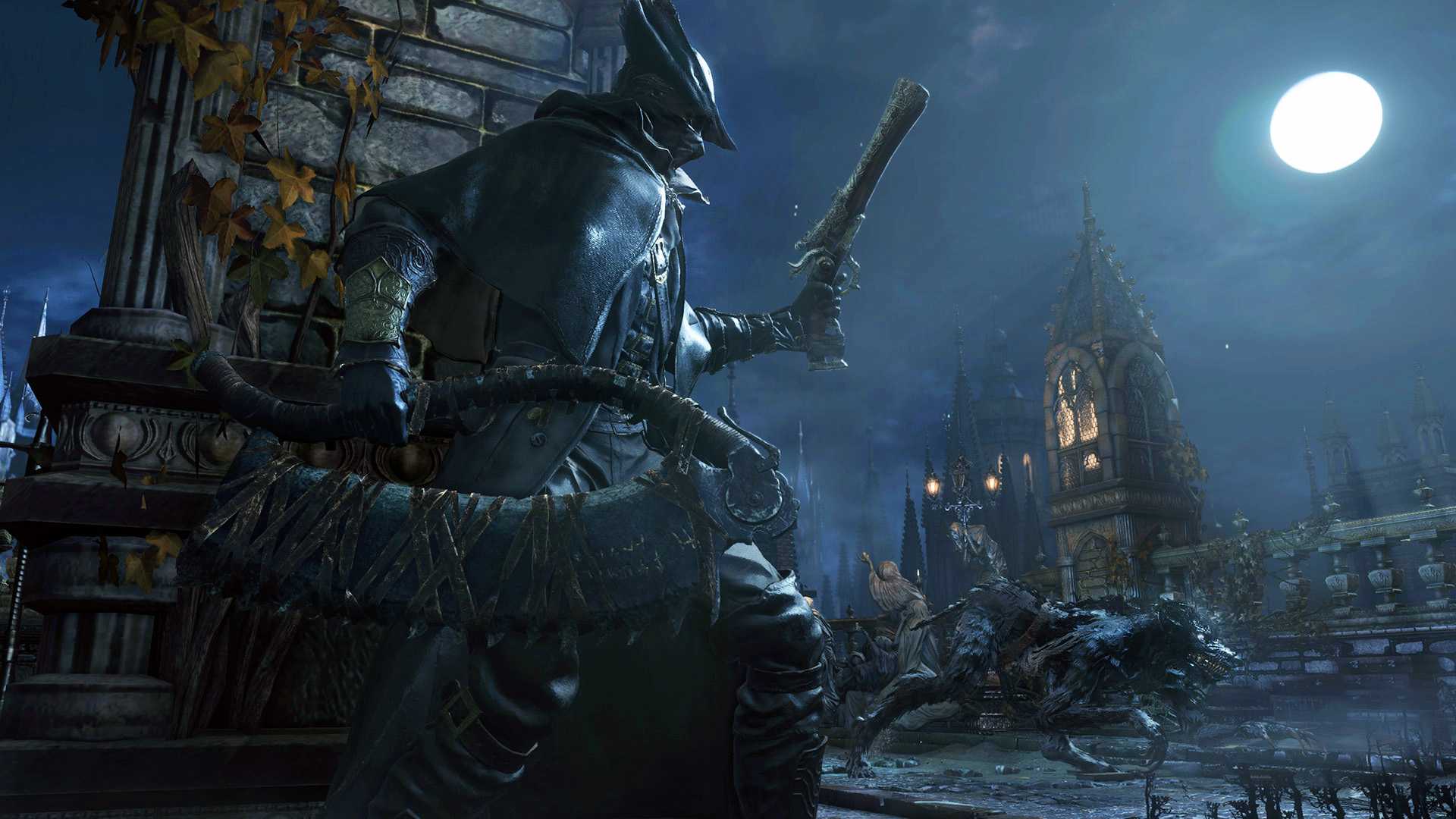 Image via FromSoftware
-
 Image via Sega
I expect franchise games like Super Monkey Ball or Hollow Knight to be challenging based on past entries, but that’s not what makes these game series worthwhile. These games are not successes because they are hard; rather, they are “successful” because they offer something new, changing a format or utilizing mechanics or art not seen before. Difficulty is a small piece of the puzzle of a game’s design. Subverting expectations with franchise games by altering difficulty, like Castlevania: Belmont’s Curse, should always be an option. Difficulty does not need to define a franchise.
Plenty of franchise games have varied difficulty, offering modulating options and still managing to be popular with an existing fanbase along with new players. Take 2005’s Resident Evil 4, which was the first in the series to offer dynamic difficulty. The game has long since been hailed as one of the favorites from the franchise by both casual and die-hard fans. Since then, modular difficulty has been incorporated into a good deal of new RE titles going forward. Across the board, RE games are still pretty difficult. I still have trouble with titles like Resident Evil Code: Veronica, even if I have played it multiple times now.This addition of modular difficulty didn’t change the difficulty perception of the franchise, and it certainly didn’t make the games any less successful.

- Released
-
October 15, 2026
- ESRB
-
Teen / Blood, Mild Suggestive Themes, Violence
- Developer(s)
-
Evil Empire, Motion Twin