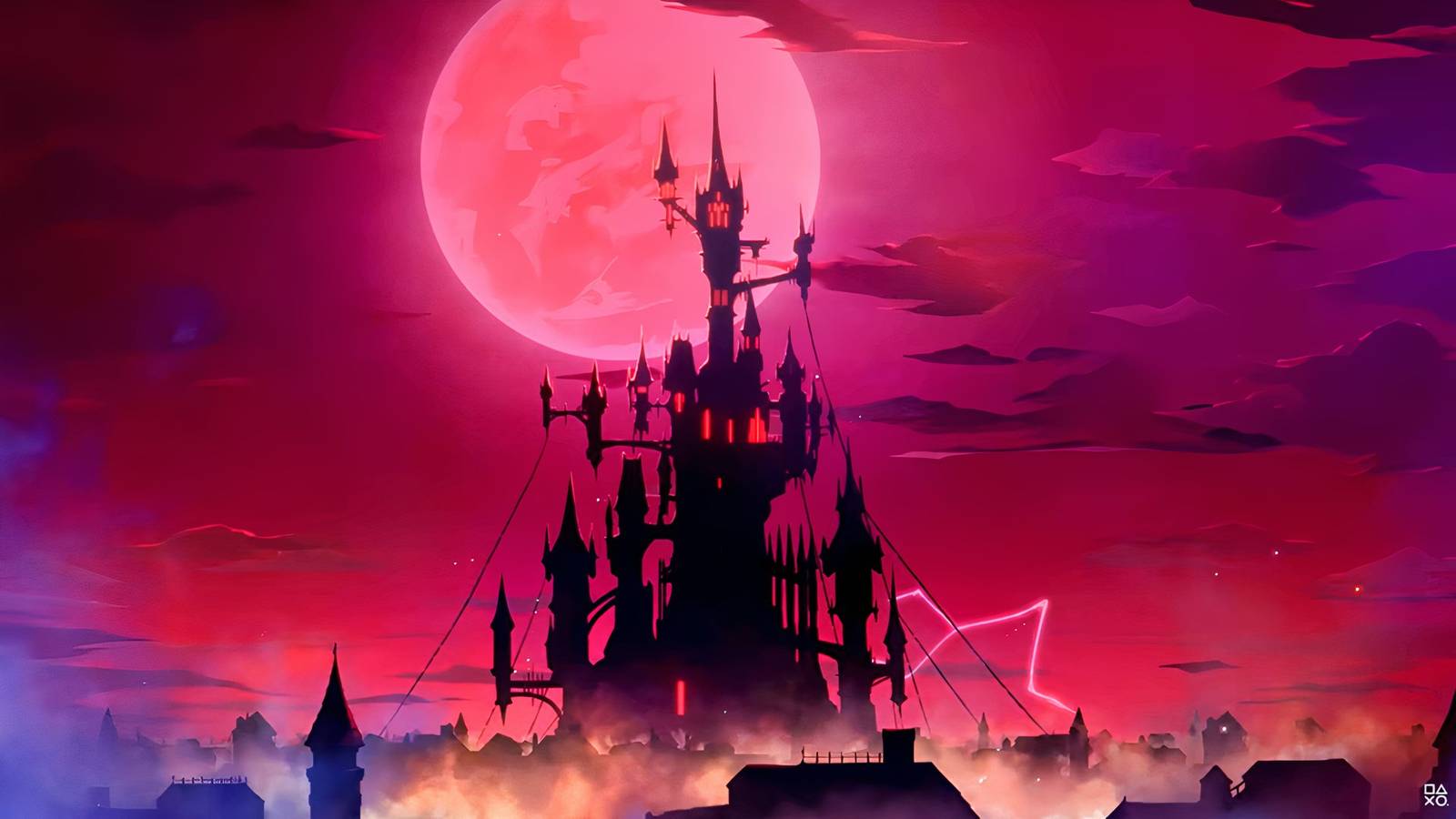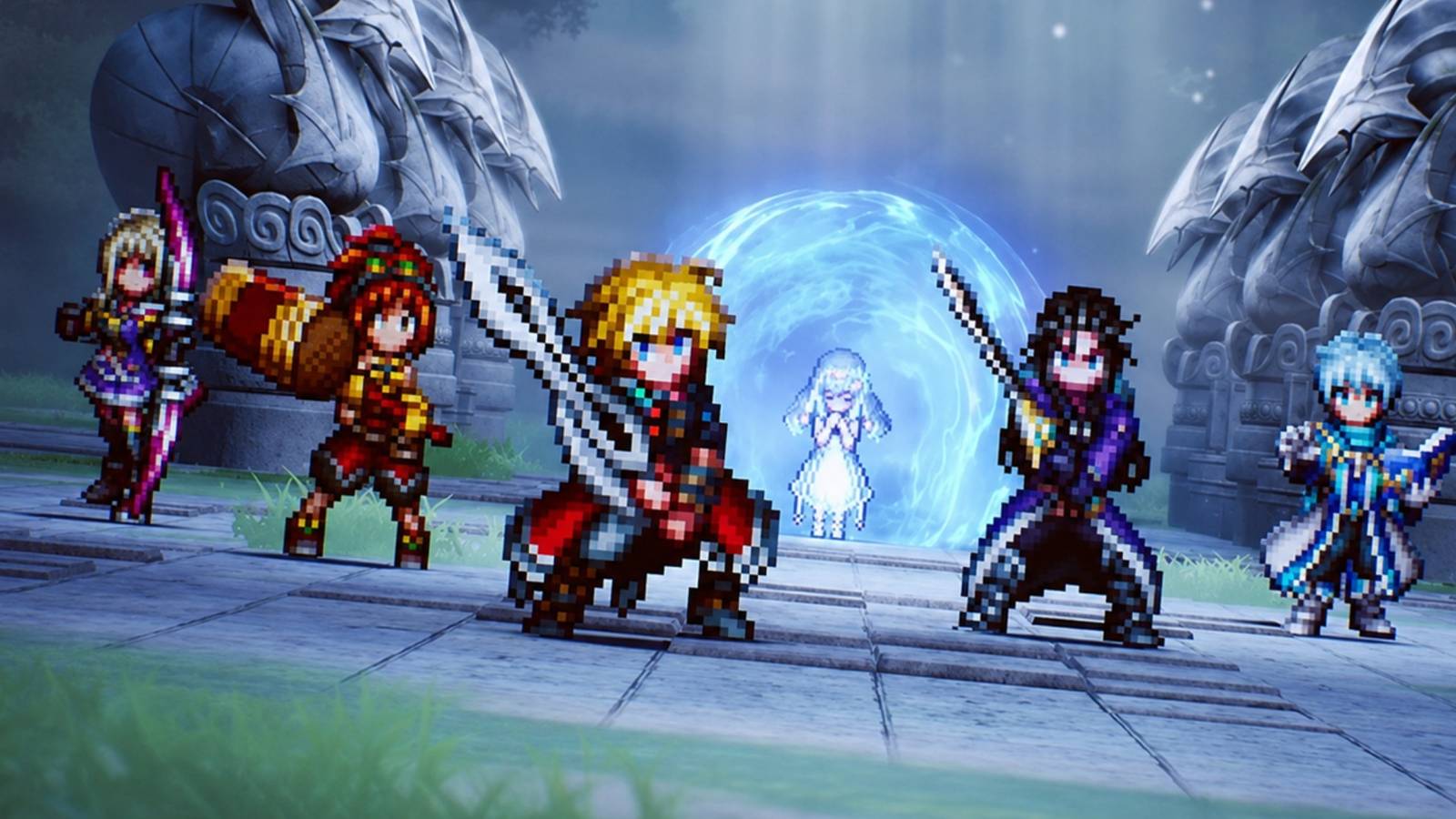




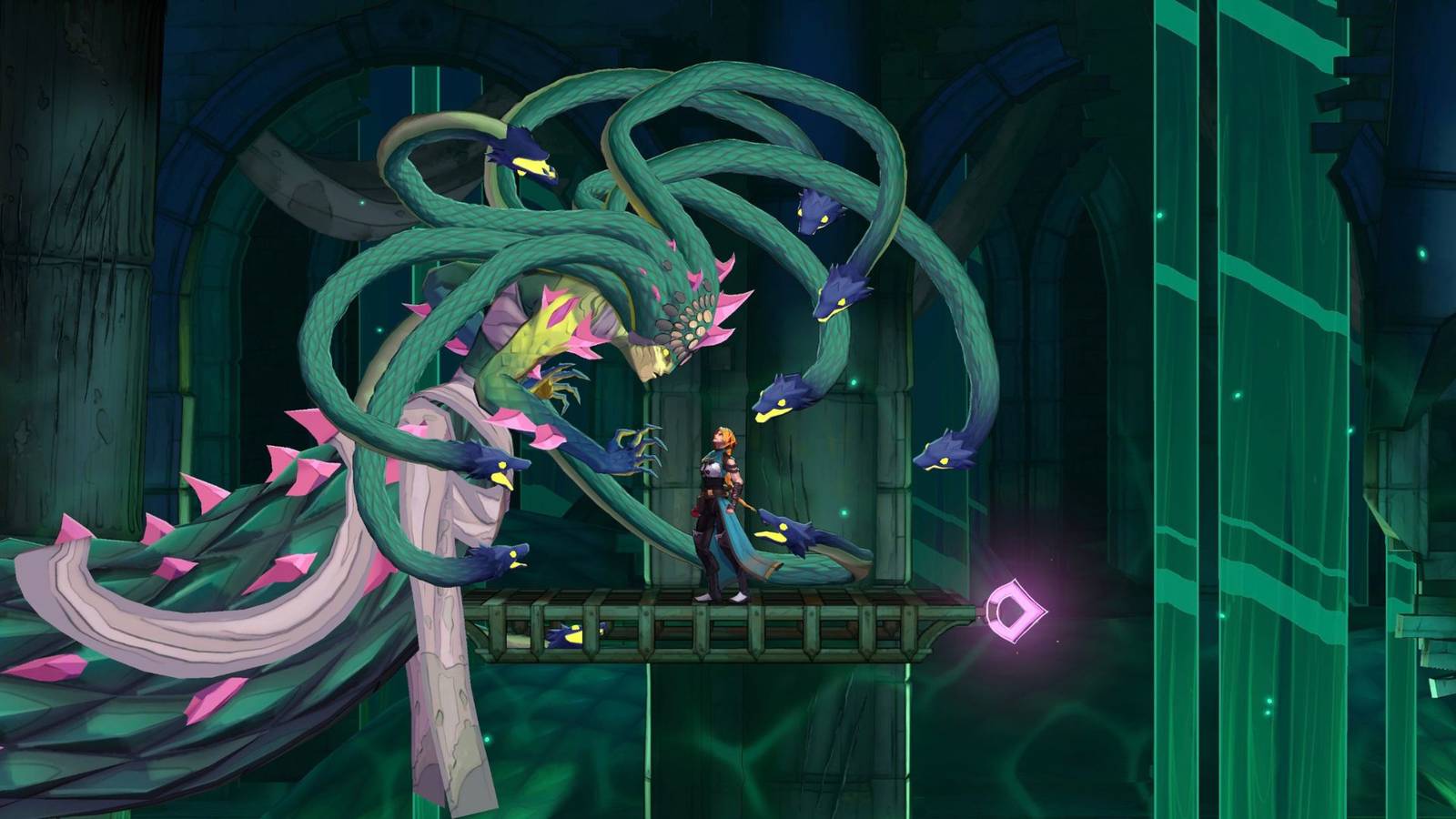
It is hard to imagine that Castlevania: Belmont’s Curse has already been out for almost two weeks, serving up action-packed combat to eager fans. Backed by Konami and created by Evil Empire with direction by Motion Twins, Castlevania: Belmont’s Curse has been a joy to play in these past few days, offering me a Castlevania experience unlike any of the other games in the franchise. The title plays wholly differently from past entries, shifting focus while still reading as a Castlevania game, which is not a small feat in the slightest.
Noticeably, Castlevania: Belmont’s Curse has forgone most of its RPG elements, seemingly making room for more focus on combat and platforming. The choice to strip away RPG elements is seemingly one made based on influence from the developers. If you think about it, Motion Twins are particularly great at creating snappy, fast-paced, and action-packed combat, with a primary example being Dead Cells. While there is totally a time and place for traditional slow-paced Igavania RPG mechanics, Castlevania: Belmont’s Curse is anything but. The game was made to capture and hold attention with stylish move sets, and traversal feels satisfying and modern.
Castlevania: Belmont’s Curse Is a Much More Action-Packed Experience Than Its Predecessors
-
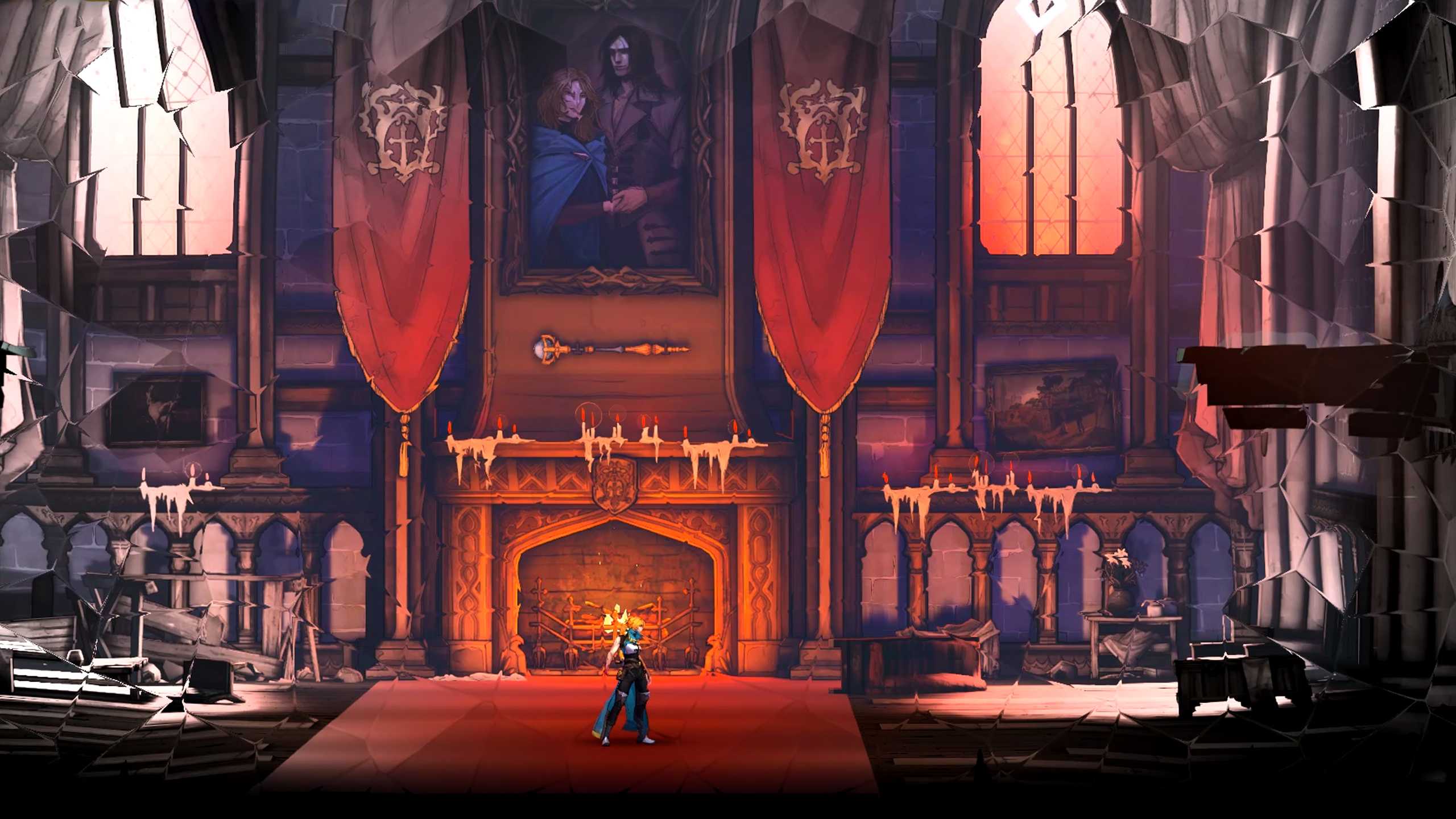 Image via Game Rant; Source: Konami, Evil Empire
-
 Image via GameRant; Source: KONAMI
-
 Image: GameRant via Konami
Upon picking up the controller, I noticed right away that Castlevania: Belmont’s Curse was different. It seems the goal was to reduce the emphasis on traditional RPG-style progression that players have seen in titles like Castlevania: Symphony of the Night and Castlevania: Circle of the Moon in favor of demanding combat and precise platforming. Actions are faster and more flashy, oriented around the use of the whip in Rose Belmont’s arsenal, aka The Vampire Killer. This singular weapon’s upgrade into a traversal item really changed the way Castlevania: Belmont’s Curse is played. Players can swing around stages via anchor points or flying enemies, pulling acrobatic moves to traverse with much more ease and style. This is decidedly a stark departure from the slower-paced, weighted movement of Castlevania‘s past.

Rearrange the movies into the correct US release order.
Sign in to claim your place on
the leaderboard!
Players of older Castlevania titles will know that they needed to full-send jumps, focusing on timing since jump trajectories were locked in place. Similarly, the whip attack movement was locked in place upon letting it rip, meaning players also needed to space out their swings properly. This was a product of its time, sure, but slow movement was also an active choice on Konami’s part as each level was treated like a puzzle. Rushing through stages without taking in every threat and pitfall could get players killed. Earlier traversal was all about making a plan and sticking to it. Long gone are the days of rigid move sets. Now, players can freely change the trajectory of attacks or traversal moves with help from mechanics like the aerial rush, which is essentially a midair dash that makes bridging large gaps easy.
It seems the goal was to reduce the emphasis on traditional RPG-style progression that players have seen in titles like Castlevania: Symphony of the Night and Castlevania: Circle of the Moon in favor of demanding combat and precise platforming.
Holy Light is also another fun traversal tool that uses Chaos Shards to block out long falls, staircases, and winding paths. As a whole, I tend to use the whip, aerial rush, and the double jump given to players in Notre-Dame to get around. Since enemy placement is so dense, it only made sense that traversal was made faster and flashier. Players need to be able to turn on a dime and provoke enemies in a flash to down them. Sure, there’s still skill involved with traversal in that I still find myself planning out routes, but I am also able to forgo the past game’s slow-going with a snappier move set.

It took me a few hours to master combat this time around because it is so deliberate. Think of Castlevania: Belmont’s Curse combat like a beat-em-up with grace and agility. Much like traversal, combat is extremely snappy and satisfying, relying on the use of The Vampire Killer along with a few other tools. Combat essentially boils down to nailing down evades like back dashes or quick slides while employing the seven unique weapons in a player’s arsenal. Each weapon does different things and has a longer or shorter reach. Longswords, spears, lances, and cestus gauntlets are just a few weapons available at players’ disposal, and they should be used specifically to take on specific scenarios.
Parrying comes in with that Holy Light mechanic mentioned earlier, used to protect Belmont from oncoming projectiles. This parry can be used while a player is still advancing, allowing for attack and protection all in one fell swoop. I cannot overstate how challenging but fun this combat is. Pattern recognition becomes key when battling enemies or bosses. Since gameplay is so fast, players need to be on their A-game, so to speak, taking on threats with discretion. Like your older Castlevania titles, this combat still heavily relies on placement and timing, but it is worlds faster.
-
 Image via GameRant; Source: KONAMI
-
 Image via Game Rant; Source: Konami, Evil Empire
-
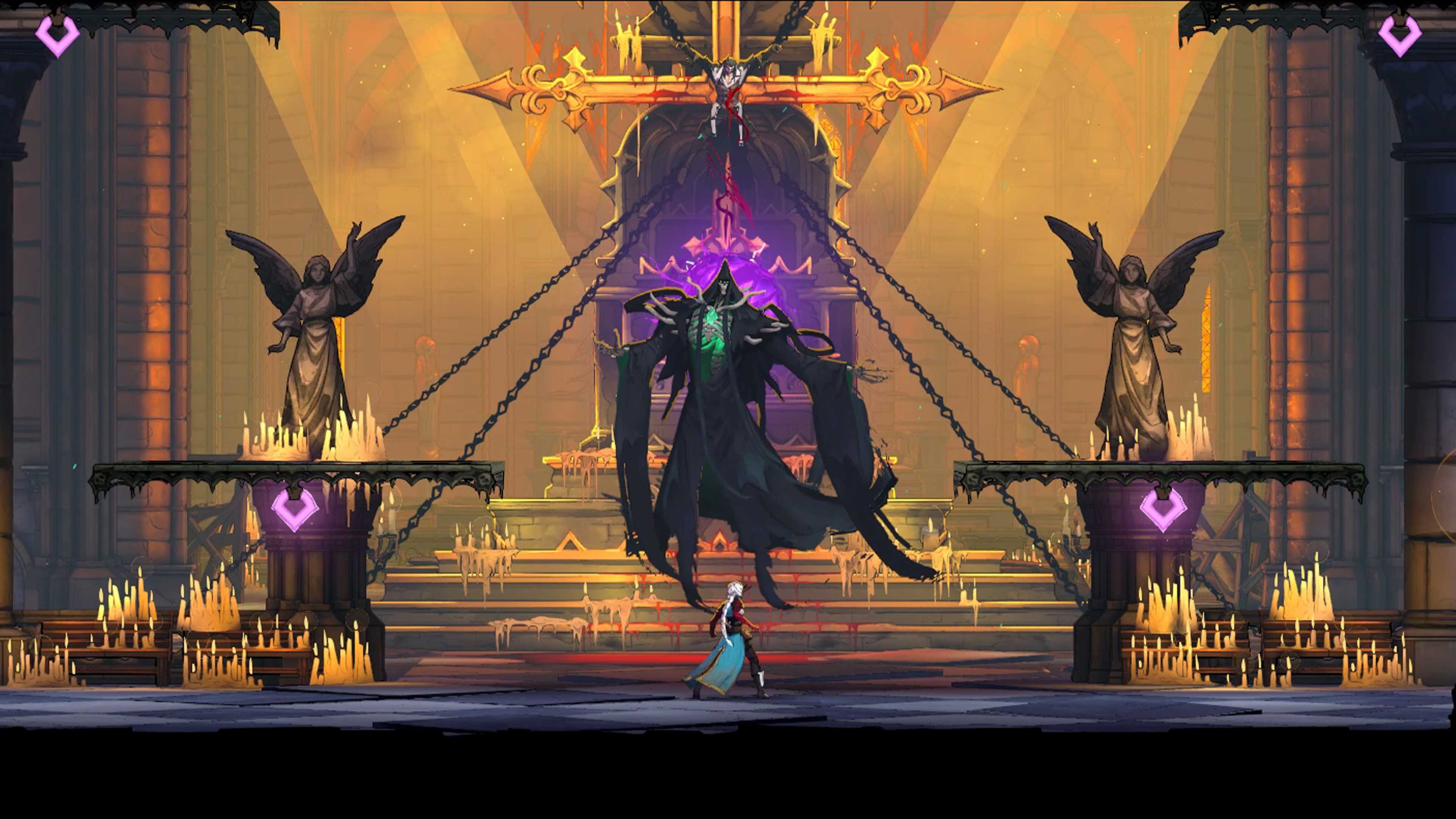 Image via Game Rant; Source: Konami, Evil Empire
Konami, Motion Twin, and Evil Empire have sacrificed RPG elements like heavy stat grinding, turning the new game into a very light RPG. This was done to seemingly embrace the action side of Castlevania more completely. There is no heavy stat allocation, leveling loops, loot drops from enemies, or numerous equippable accessories. Of course, the game has some standard RPG elements that are nice, like character upgrades or quests given to players via NPCs.
The game was streamlined, meaning players don’t need to intensely level up to cross the finish line. Castlevania: Belmont’s Curse is more about trying things from different perspectives, tackling tough boss fights by utilizing all those fast-paced traversal move sets. Changing an approach to a situation, playing with equipped weapons, and learning how to get through is the way to go. Platforming and how a player approaches combat are the main focal points, which makes the game feel like high-octane action.
Castlevania Titles are Unique in that They Blend Genres to Make Something Completely New
-
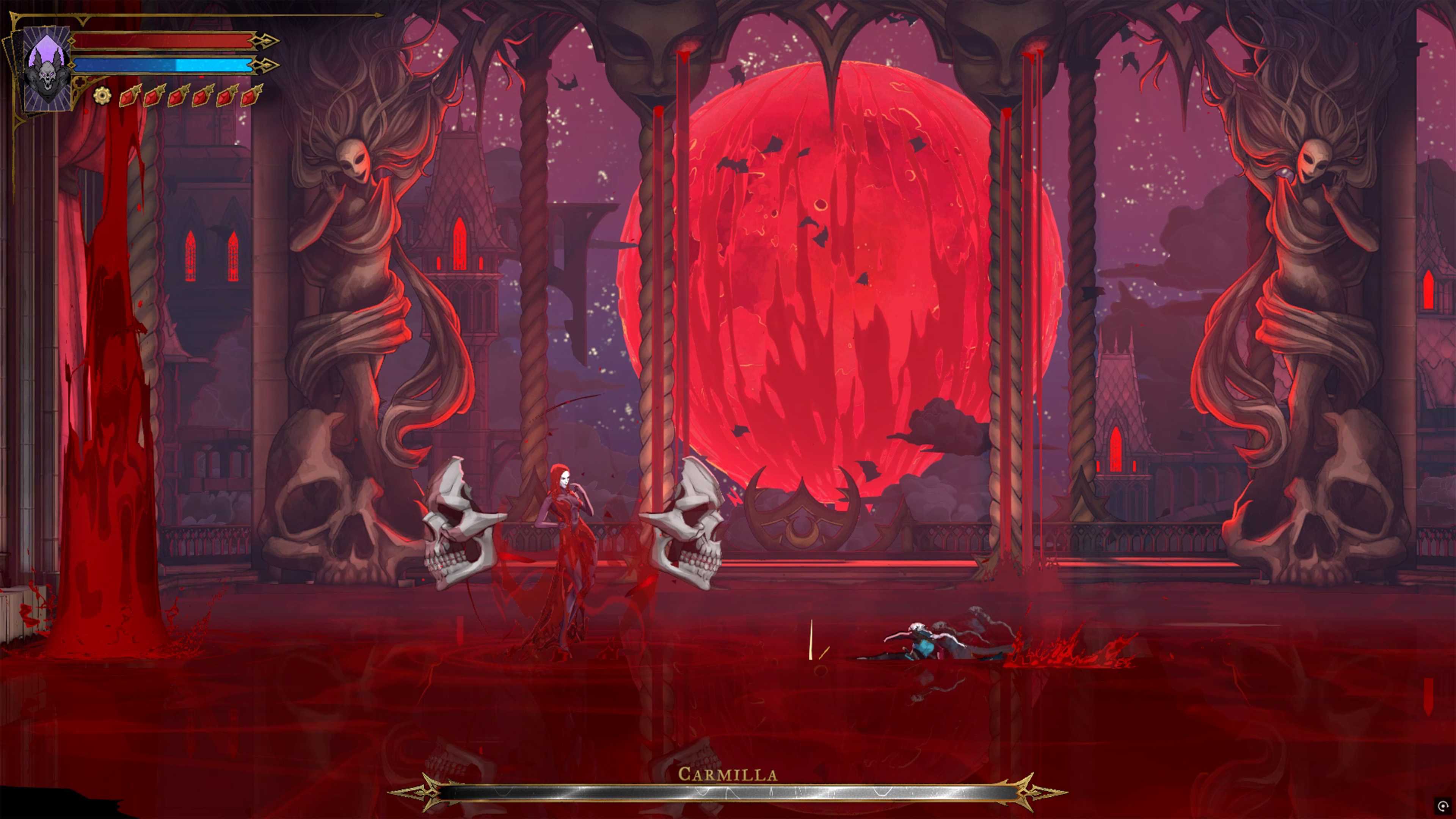 Image via Game Rant; Source: Konami, Evil Empire
-
 Image via Konami
-
 Image via Konami
Why Castlevania is so unique, and the reason I fell in love with the franchise in the first place, is because it is an amalgamation of many genres. The title blends horror, action, platforming, and RPG elements all in one neat and tidy package, playing around with proportions of each genre to get a perfect mix every time. Growing up, Castlevania: Symphony of the Night was a favorite of mine because it was the most horror-feeling game in the franchise, with the atmospheric soundtrack, the eerie and wonderful inverted castle, and the nightmare fuel that were some of the enemy designs. My fights with Beelzebub and Legion kept me up for days.
Like Castlevania: Symphony of the Night, Castlevania: Aria of Sorrow is considered one of the titles with more of those RPG elements. The introduction of that Tactical Soul system made combat more deliberate. Players would need to collect souls to gain stats or enhance attack power. I would essentially farm these souls to make myself more powerful before going into a particularly challenging boss battle. Gear can also be customized, bought, and switched out to create builds tailored for the player. Each piece added would affect the player in some way, whether that be decreasing damage or upping attack speed.
While these genre elements come and go, utilized more than others in specific titles, players will always find remnants of every one of these genres throughout a Castlevania game. Some might be more horror, while others might focus more on platforming and action, but all the facets that make a Castlevania game a Castlevania game will be there. Since the beginning, Konami has flirted with multiple genres for Castlevania, making it into its own unique thing entirely. Despite its many genres, Castlevania is not muddied or overcrowded. Each genre is used as a specific element in sections of every game, sprinkled about in true Castlevania fashion.

- Released
-
October 15, 2026
- ESRB
-
Teen / Blood, Mild Suggestive Themes, Violence
- Developer(s)
-
Evil Empire, Motion Twin