

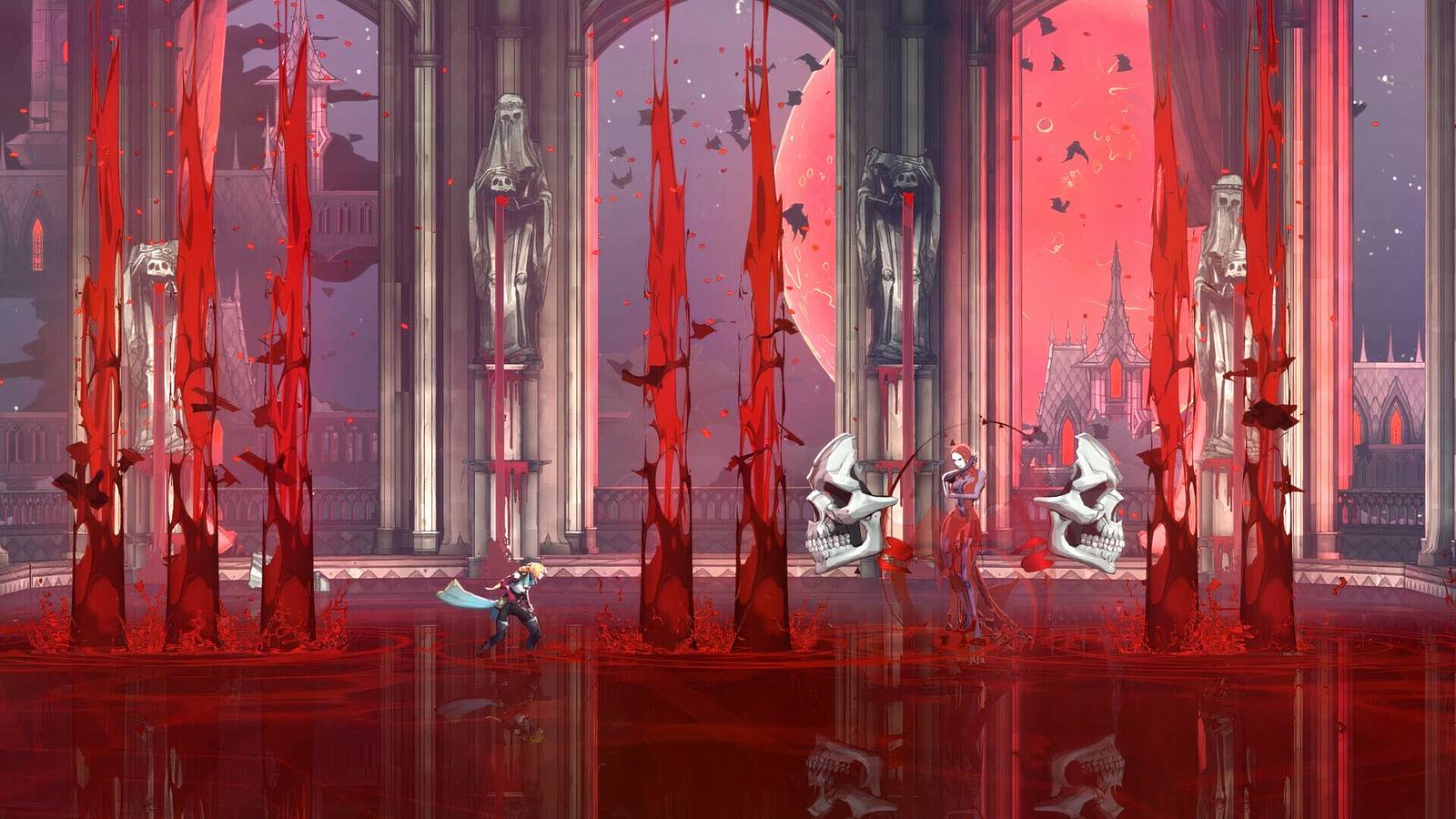
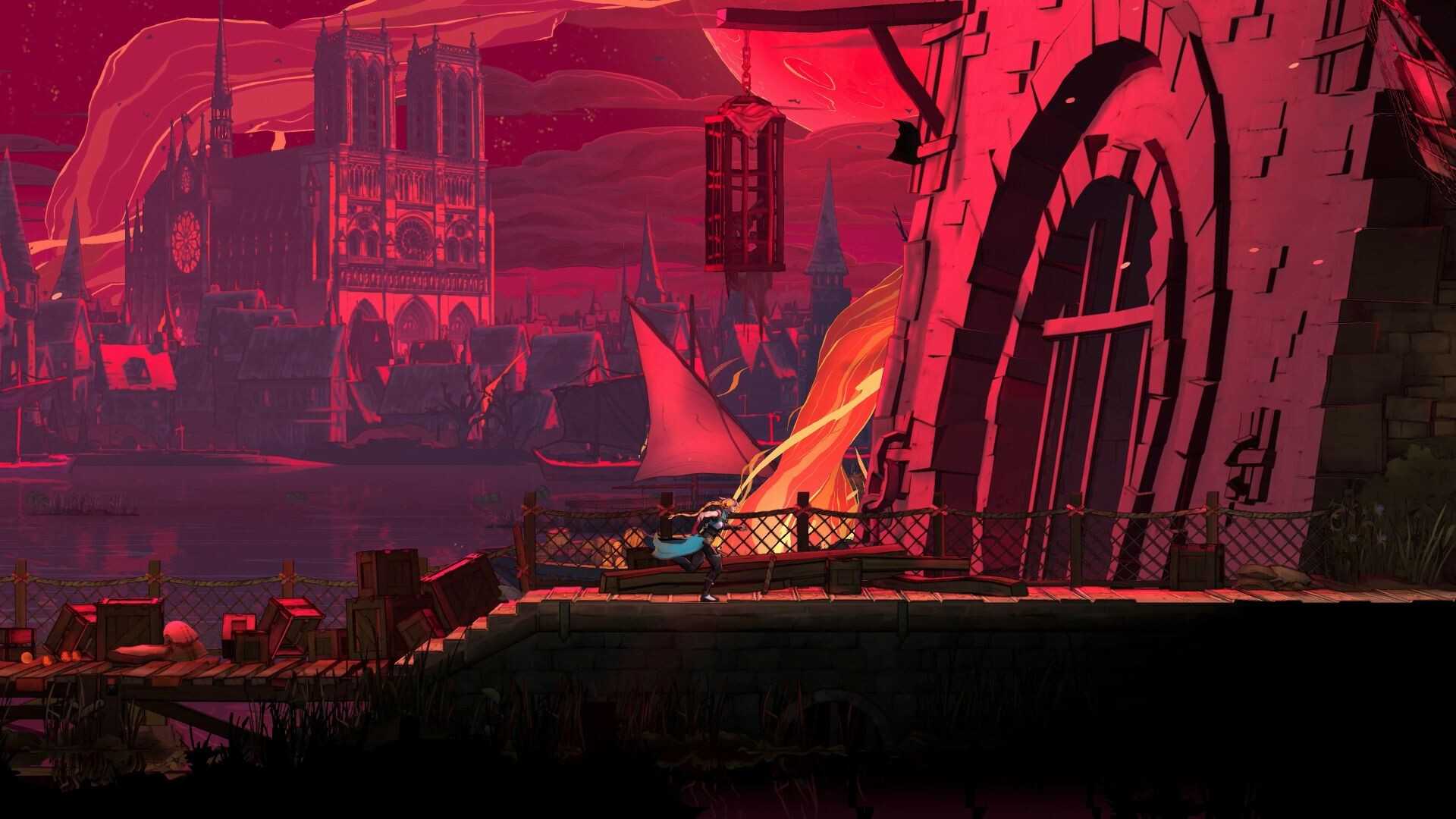
Castlevania‘s last new entry in the series was over 12 years ago. Now, a new player in the franchise, Castlevania: Belmont’s Curse, is set to release this October, finally giving fans of the gothic action-adventure game something to talk about. Konami’s IP is a standout for many reasons, from its iconic music and complex characters, but its steadfast 2D side-scroller style, save for a few titles here and there, is largely what Castlevania is known for.
While Castlevania: Belmont’s Curse is true to its 2D roots, it is interesting to see how Castlevania’s past 3D counterparts, like Castlevania 1999, Castlevania: Legacy of Darkness, and Castlevania: Curse of Darkness, were received in contrast. These 3D games, whether built in-house or with third-party developers, weren’t failures. In fact, they have a small but mighty fanbase to back them, ready to go to bat against naysayers. These titles prove that Castlevania can be 3D. It’s all about embracing modern technology while paying homage to the beloved title’s roots.
-
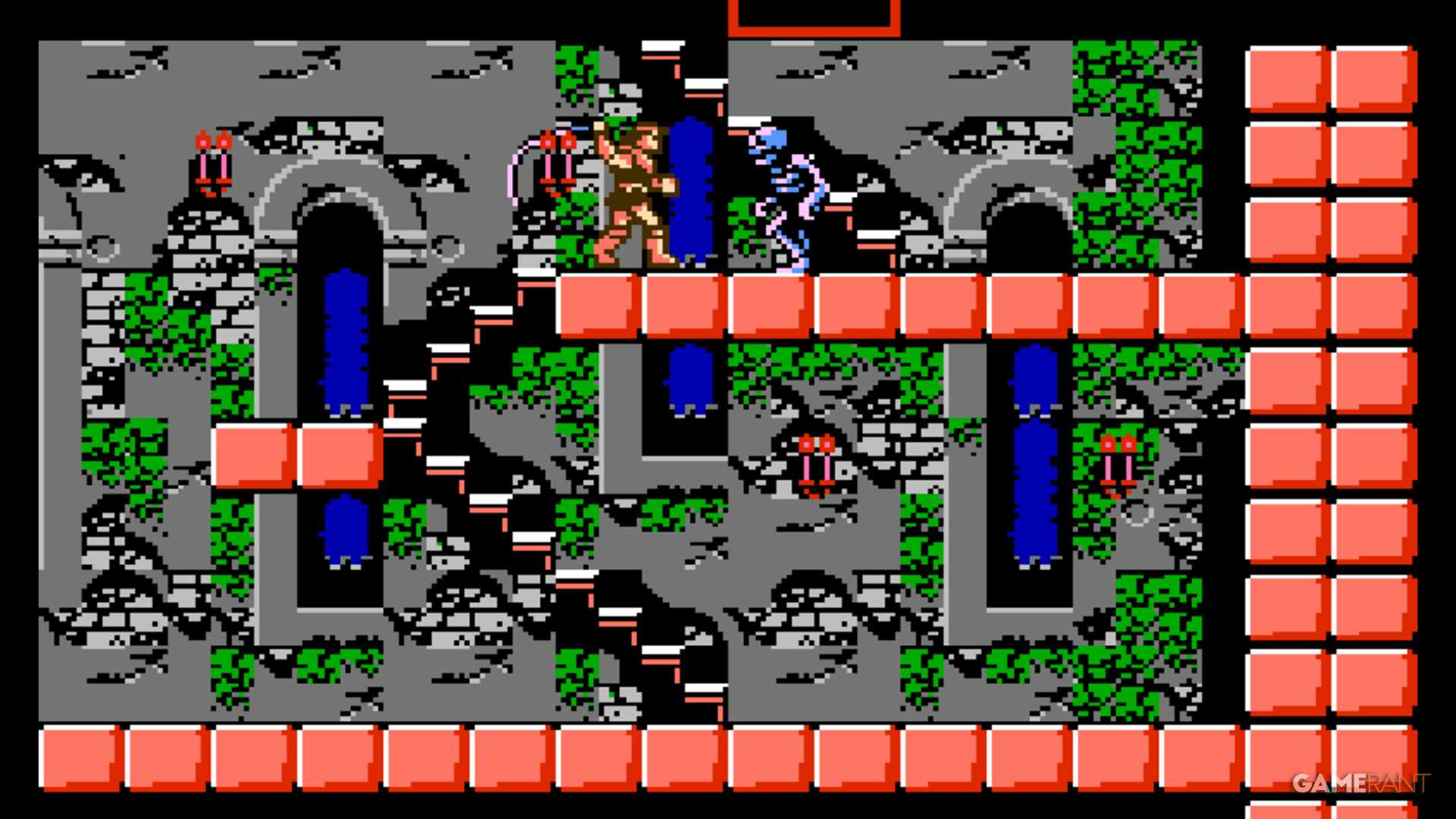 Image by GameRant; Source: Konami
 -
 Image by GameRant; Sources: Nintendo, Konami
 -
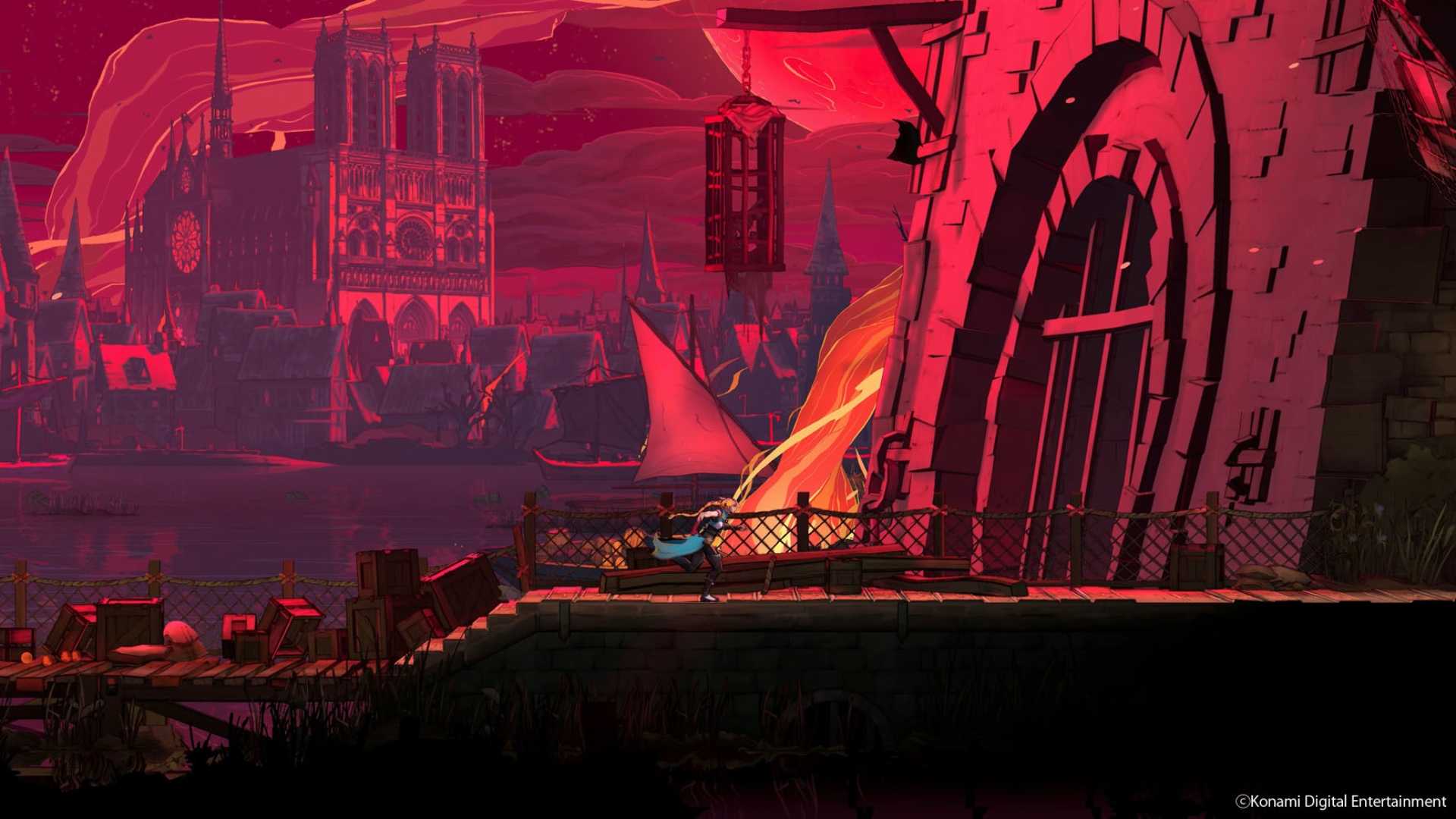
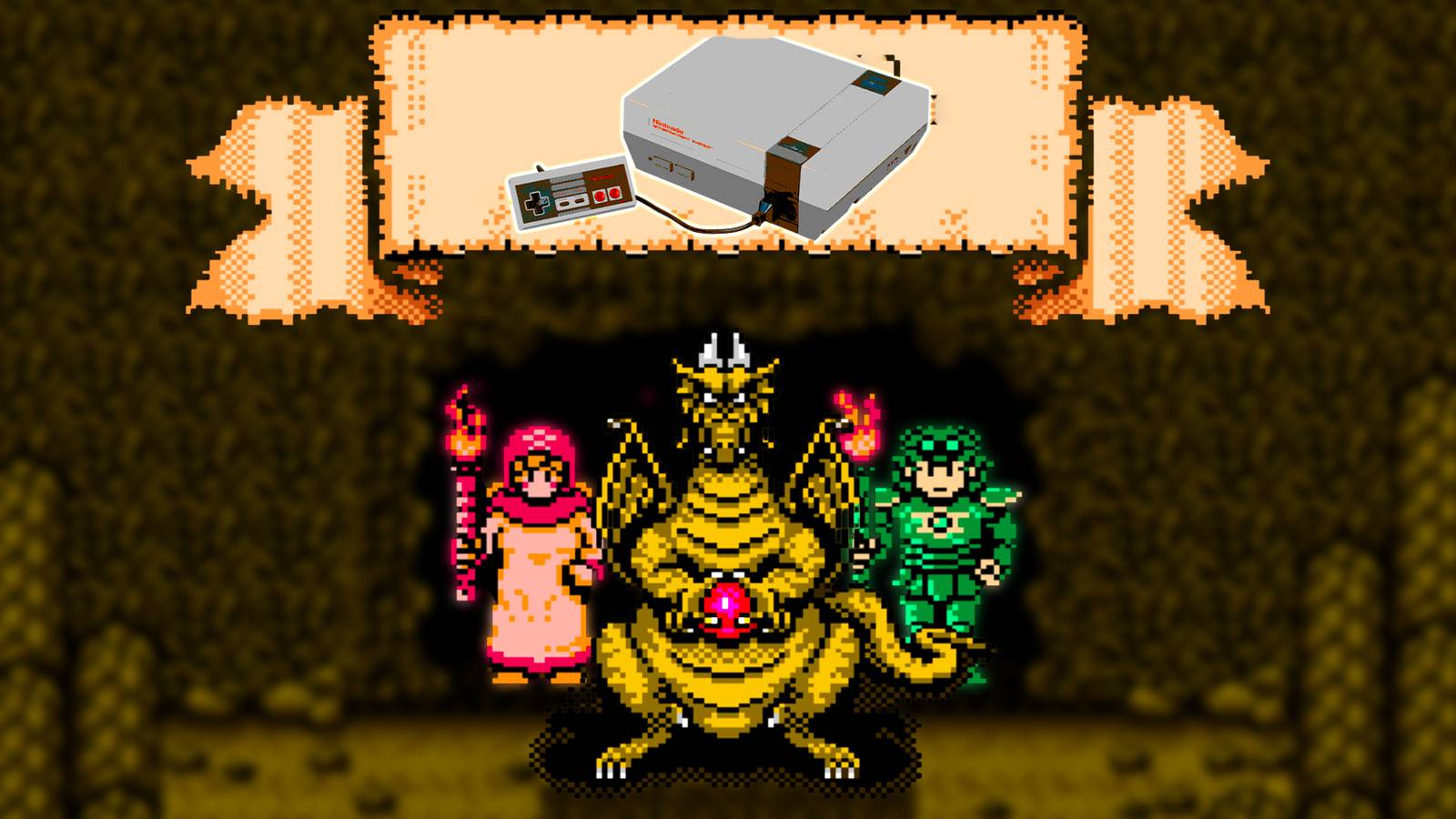
The first Castlevania game was released on the Nintendo Entertainment System back in 1986, which, as you can imagine, was constrained by the technology of the time. This led to the first game, mononymously known as Castlevania, being a 2D side-scroller, an industry standard of the time. Thankfully, times have changed, and companies are widely adopting new technology that allows enhancements to older IPs, save Konami. There are over 30 official Castlevania games out there today, with around 25 to 28 being mainline titles, but only six are 3D.

Find all 10 pairs
Find all 10 pairs
Regular Cover ArtClean Cover Art
It’s not that these 3D titles aren’t well-received. Castlevania: Lords of Shadow seems to be the fan favorite, receiving a 7 or 7.5 out of 10 across the board from many reviewers. The other five games are also pretty highly rated. The lowest on the rung, Castlevania Judgment for the Wiii, still has a 7.5 from some reviewers, while Metacritic gave the game a 45%. Some former haters were even converted after playing the 3D games. Facebook user Asmaria Ria wrote:
I’ll admit. I always had an unfair attitude towards 3D Castlevania games. “If it’s not 2D platforming, it’s not a Castlevania game.” I just started playing this and it’s kick ass. I admit when I’m wrong.
While many love Castlevania’s 3D titles, some haters specifically despise the awkward camera or clunky controls. There are lists out there that lament how awful the 3D titles are, like on Comic Book Resources, going game by game to tear them to shreds. While I can’t say I personally hate the non-2D side-scroller style, I can sympathize with the haters’ qualms. Some of the 3D titles don’t necessarily feel like Castlevania. Castlevania was built as a 2D side-scroller, and has endured that way for years.

It is embedded in the title’s DNA in a way that cannot be replaced or disturbed. Gameplay and combat specifically benefit from this aspect. Jumps are physics-based and cannot be changed while in midair, and whips are dispatched vertically for most games, ahead of the player to down enemies flying at you from off-screen. Levels are tight and focused, centered around a specific backdrop.
There are over 30 official Castlevania games out there today, with around 25 to 28 being mainline titles, but only six are 3D.
There is a distinct rhythm and flow to traversing platforms in stages that the 3D titles lack. Of course, there is also the nostalgia portion of this argument. Many detest change, wanting Castlevania titles to stay true to the game they played. Maybe it won’t feel the same in 3D, or maybe the game will lack the magic it once had. These are all valid fears I also shared before even touching a 3D Castlevania game.
An Obvious Solution to a Complex Problem
Logistically speaking, taking a 2D title and making it 3D is quite difficult beyond the fan outcry. Camera angles, controls, and art style need to change to accommodate the aspect shift. There’s also a ton of math involved. 2D games track horizontally and vertically on the X and Y axes, respectively, while 3D games add depth, or the Z-axis. This essentially multiplies the amount of math your game engine must process to render object positions, graphics, and calculate physics.
-
 Image via Konami
 -
-
 Image via Konami
Most game developers should know simple algebra or vector multiplication, which makes doing all this math a whole lot easier. All this to say, shifting Castlevania into a 3D world is seemingly harder than you might think. It’s not a necessary shift, given most fans are pretty happy with Castlevania the way it is, and one that might cost Konami more to create, so it might not seem worth it to the studio.
Castlevania: Lords of Shadow – Mirror of Fate is seemingly the answer to both camps’ frustrations, combining both 2D and 3D aspects all in one game. Technically, the title is 2.5D, and it was specifically created for a release on the Nintendo 3DS. In short, this means that 3D character models, enemies, and environments are viewed in a side-scrolling perspective.
The 3DS’ stereoscopic technology creates the illusion of 3D depth by slightly offsetting the image. The game launched in 2013 and received lukewarm to good reactions from fans, certainly not an outcry of praise. Thankfully, if you want both aspects, there are options out there. Whether you’re in the 2D side-scroller camp or a die-hard 3D lover, Castlevania is still a heavy-hitter, holding it down as one of the most famous side-scrollers out there. It will be interesting to see how the 2D aspect is received by younger generations looking to tap into Castlevania: Belmont’s Curse.

- Released
-
October 15, 2026
- ESRB
-
Teen / Blood, Mild Suggestive Themes, Violence
- Developer(s)
-
Evil Empire, Motion Twin