
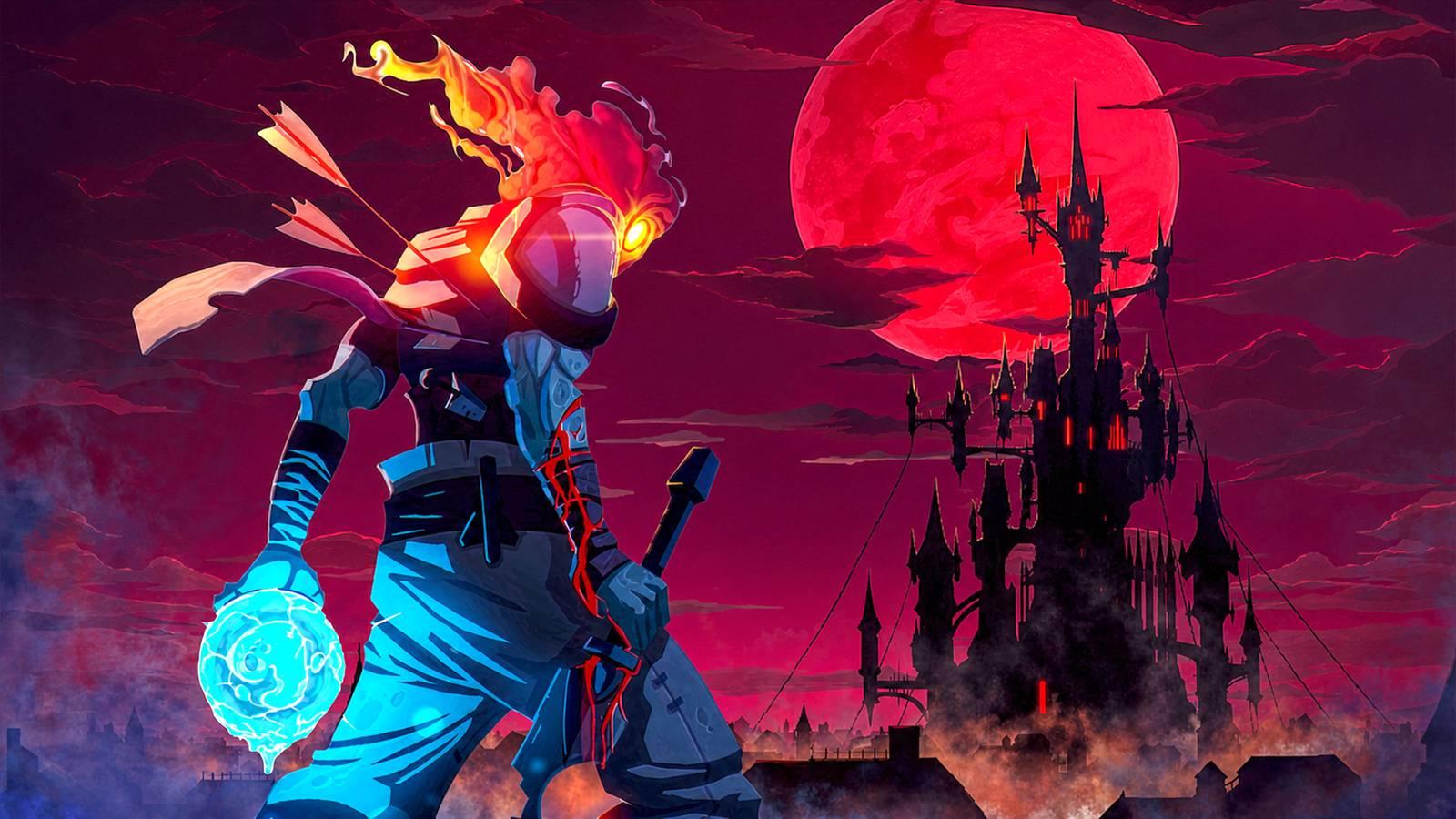


The release of Konami’s Castlevania: Belmont’s Curse, a brand-new addition to the Castlevania family, is now right around the corner. Developed by the team behind Dead Cells, Evil Empire and Motion Twin, Castlevania: Belmont’s Curse has already been making a big splash in the world of gaming thanks to a recently released demo. Now that I have had time to sit with the hour-long romp ahead of the game’s October 15 release, I have some thoughts about gameplay, especially as it relates to the world of metroidvanias. Castlevania: Belmont’s Curse has implemented new mechanics that make gameplay feel fresh, while still paying homage to Castlevania games of the past.
This is no small task, especially since Castlevania is such a beloved franchise with very vocal fans. If something added doesn’t sit right, they will be the first to let developers know. With such high stakes in mind, it is interesting to see how the 2026 title’s development played out, especially when compared to Dead Cells, an arguably lower-stakes title. The big question is, how does Castlevania: Belmont’s Curse manage to please both old and new fans with such an important IP attached? It’s a balancing act that takes skill, and the new game just might have pulled it off.
Castlevania: Belmont’s Curse Marries Facets to Create Unique Gameplay Unlike Anything Else
-
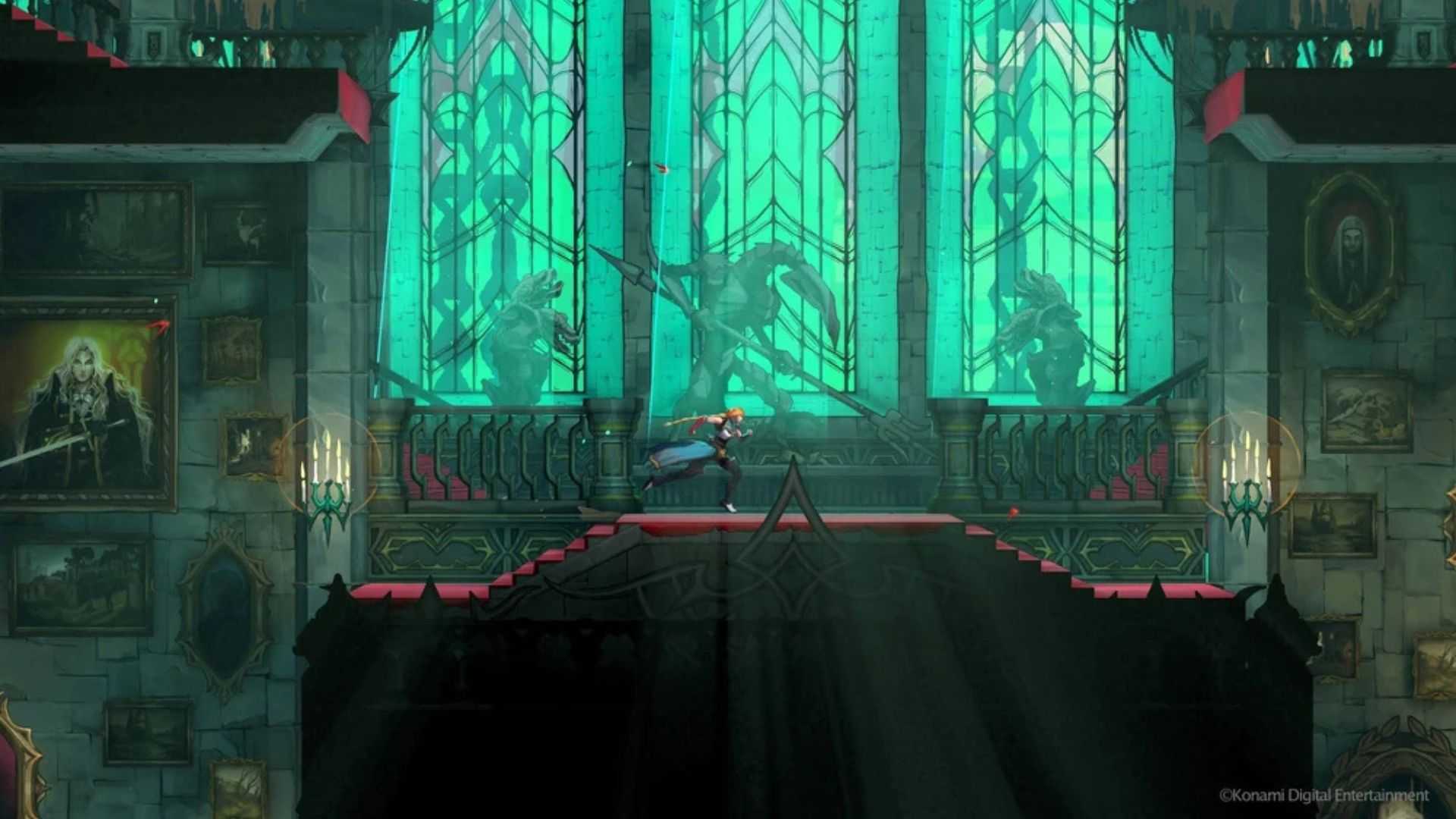 Image via Konami
 -
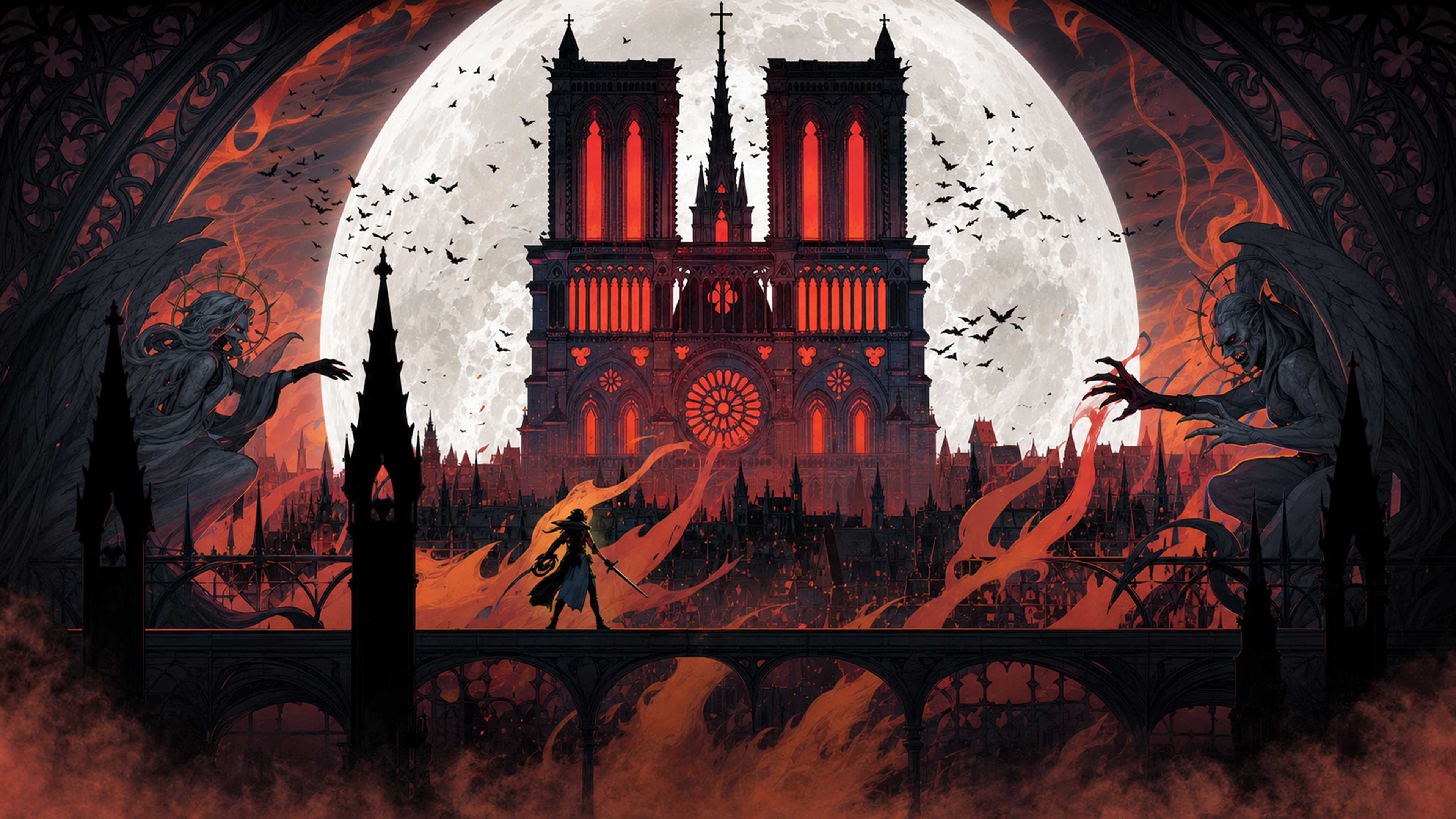 Image via Konami
 -
 Image via Konami
The upcoming title is one with a unique style down to the art. The game is a far cry from classic Castlevania titles in that the 2D formula was heavily modernized to appeal to pretty much everyone, including those unfamiliar with the previous games. Combat is action-heavy and fluid, utilizing a flashy move set of ground slides, wall-jumping, back-dashes, and fireballs. Sub-weapons are full of variety and change up combat beyond your standard whip mechanic. There are fast cestus gauntlets, longer-reaching lances, balanced long swords, heavy great swords, and quick rapiers all available to use as the player sees fit.

Find all 10 pairs
Find all 10 pairs
Combat feels impactful and tangible, which is something I feel is lacking in past Castlevania games. In short, Castlevania: Belmont’s Curse serves as a mix between old and new, pulling facets from older Castlevania titles to honor the source material, while bringing in new mechanics that we tend to associate with newer metroidvanias like Dead Cells, Waltz and Jam, Nocturnal 2, and Well Dweller. Both ideas are married perfectly, creating something new in the process.
The upcoming title is one with a unique style down to the art. The game is a far cry from classic Castlevania titles in that the 2D formula was heavily modernized to appeal to pretty much everyone, including those unfamiliar with the previous games.
While playing the demo, I found that the mechanics introduced, like tarot cards, felt fresh but not unfamiliar, while that boss battle at the end was satisfyingly challenging. Instead of brute-forcing my way through this boss, I was compelled to learn its move sets, taking my time to strike. Timing is key to combat in Castlevania: Belmont’s Curse. In fact, it is the key to traversal as well. Timing jumps or attacks is imperative to success. One misstep and players could be facing a world of hurt.
-
 Image via Konami
 -
 Image via Konami
 -
 Image via Konami
The map is scaled down just a bit to accommodate new combat mechanics, but I felt that there was still a good balance of action versus exploration with goodies stashed all over. On Reddit, folks who have played the demo are raving about its return to “classicvania” with a clear focus on platforming. For example, in a post by user TornSilver praising Castlevania: Belmont’s Curse‘s return to classicvania, user bLEAGUER commented,
When the franchise started leaning away from classic platforming more and more, I disengaged. So it’s great that the platforming mechanics are really front and center on this one. Eager to check out the demo.
Newer metroidvania games like Castlevania: Belmont’s Curse have tended towards a blend of ideas to create something unique. In a way, Dead Cells is a great example of this because it mixes the fluidity of modern side-scrolling titles with the combat of something akin to Bloodborne or Dark Souls. Combat is snappy and satisfying, but players can take pauses with shields, which are used to time parries and stun your foes, offering a brief reprieve. Combat is reliant on pattern recognition to defeat enemies, similar to a Soulslike.
-
 Image via Motion Twin
 -
 Image via Motion Twin
 -
 Image via Motion Twin
The game’s weapons, skills, and equipment are split into three categories: Brutality, Survival, and Tactics, which correlate to melee, defensive, and ranged gear. Red, purple, and green; this gear can be upgraded and mixed and matched to aid in the player’s escape. This is a unique addition that makes traversal feel more tactical. All that being said, Dead Cells is more of a “roguevania” than a true metroidvania.
Mixing aspects, pulling from what was once done while imparting something new, is always a good strategy. 2D side-scrolling titles have been around forever, which means a lot has been covered already. The best way for indie developers or big studios to make their mark on the genre is to create something new that pays homage to what once was. While both games hail from the same studios, unlike Dead Cells, Castlevania: Belmont’s Curse had to go about introducing a new play style while still keeping the past Castlevania game’s DNA in mind.

A balancing act was needed to manage expectations, whereas Dead Cells is a brand-new title with no history behind it, so going off the rails and trying new things seemed less risky. Thankfully, it looks like many fans of the franchise seem to support the stylistic path that Castlevania is traversing, pleased with this new title’s outcome. Castlevania: Belmont’s Curse seems to be something that pleases both old and new fans, a rare middle ground that some hallowed franchises can never get to.
When it Comes to Rebooting Older Franchises, Trying Something New Isn’t Always the Answer
Creating a new title in an established franchise is no small feat. New editions made to Castlevania: Belmont’s Curse have seemingly paid off, but adding more isn’t always the best strategy. It’s a tricky business, creating a new game in a series with new graphics and mechanics while maintaining what makes the series so special. There are plenty of games that are part of a fan-favorite series that stray away from what the game was originally about, trying something different only for it to blow up in developers’ faces. While I am still partial to it, Dead Space 3 is a prime example of this.
Castlevania: Belmont’s Curse seems to be something that pleases both old and new fans, a rare middle ground that some hallowed franchises can never get to.
Diverting from the true survival horror that we saw in Dead Space and Dead Space 2, Dead Space 3 was created as an action-heavy game with less of a focus on scare factor. The resulting game alienated core fans, offering the fanbase something entirely different from what they signed up for in the first two titles. In short, Dead Space 3 killed the franchise. Sonic Unleashed is another franchise addition that didn’t go as planned, panned by longtime fans for its random wolf mechanic that was intended to reinvent the series. Werehog Sonic combat was sluggish and repetitive in contrast to Sonic’s speedy, satisfying interactions.
-
 Image via Visceral Games
 -
 Image via Sega
 -
 Image via Visceral Games
The title was also released following the flop that was 2006’s Sonic the Hedgehog, so hopes among fans weren’t too high at the time. Instead of reinventing the wheel, sometimes what works best is sticking to the classics. Relying on what works is the safer option, especially when developers are working with major IPs like Sonic the Hedgehog and Dead Space. Creativity can usually come when developing something entirely new, not tied to a legacy IP. I appreciate reinventing classics, but only when done with care.
Developers must read the room and test the waters to find out what might work best if creative editions are made. That means seeing what is currently working in the world of gaming and implementing that into a pre-existing idea. Castlevania: Belmont’s Curse seems to have mastered that formula, merging both old and new to create something with longevity.

- Released
-
October 15, 2026
- ESRB
-
Teen / Blood, Mild Suggestive Themes, Violence
- Developer(s)
-
Evil Empire, Motion Twin