


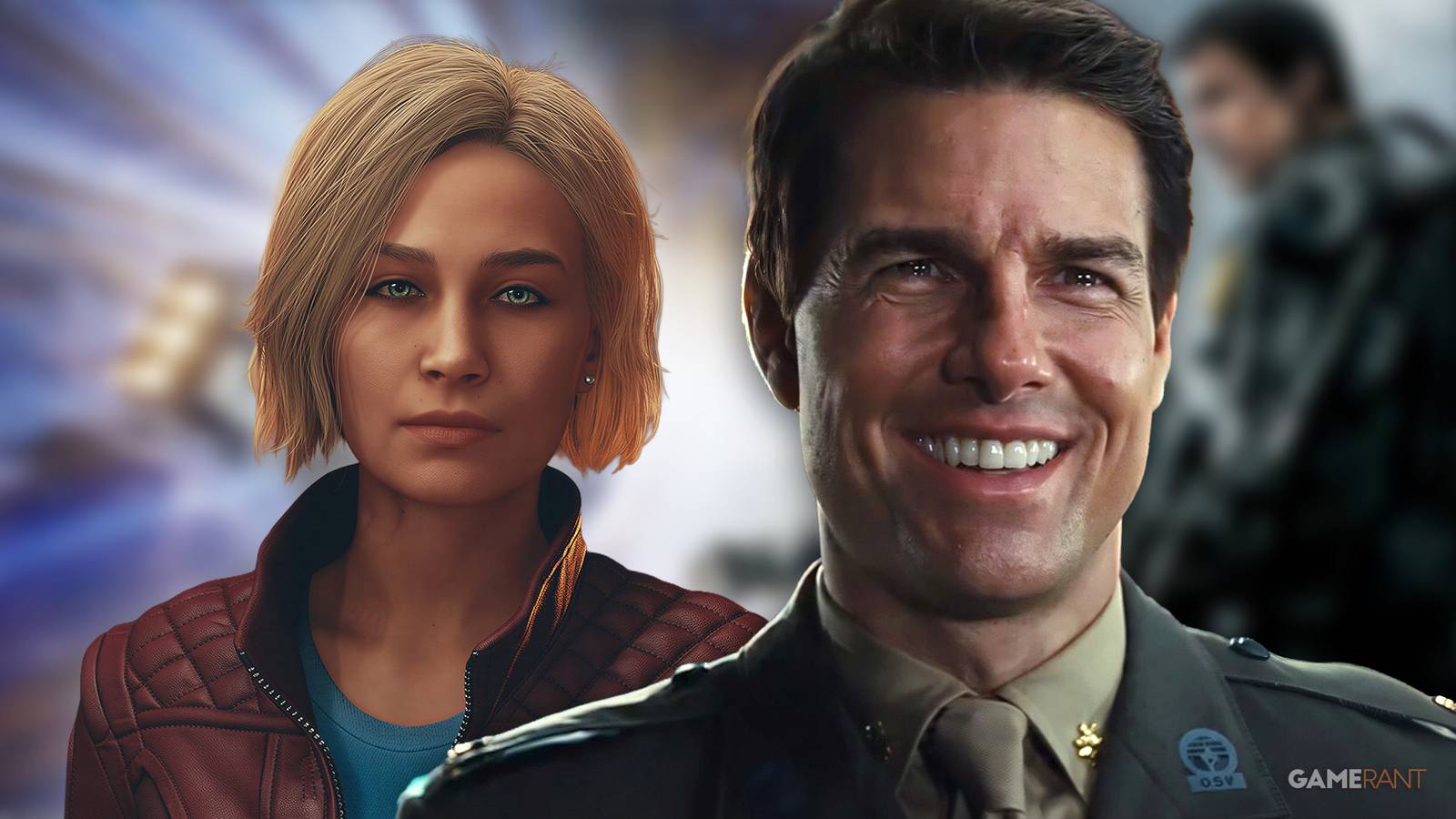
The following contains spoilers for Starfield and Edge of Tomorrow starring Tom Cruise and Emily Blunt.
Doug Liman’s Edge of Tomorrow, starring Tom Cruise and Emily Blunt, is often considered underrated, but not because people don’t like it. In fact, the movie has a 91% Tomatometer on Rotten Tomatoes and a 90% Popcornmeter, and given how increasingly rare it feels for critics and moviegoers to agree on a film’s quality, that’s saying something. However, it was Edge of Tomorrow‘s initial weak reception that would lead to many considering it an underrated movie, after it grossed just under $29 million during its opening weekend, which is considerably low for a $178 million blockbuster. Nevertheless, in the years following its theatrical release, it became one of the “best sci-fi movies you probably missed,” hence Todd Howard and Bethesda’s decision to model the ending of Starfield after its own.
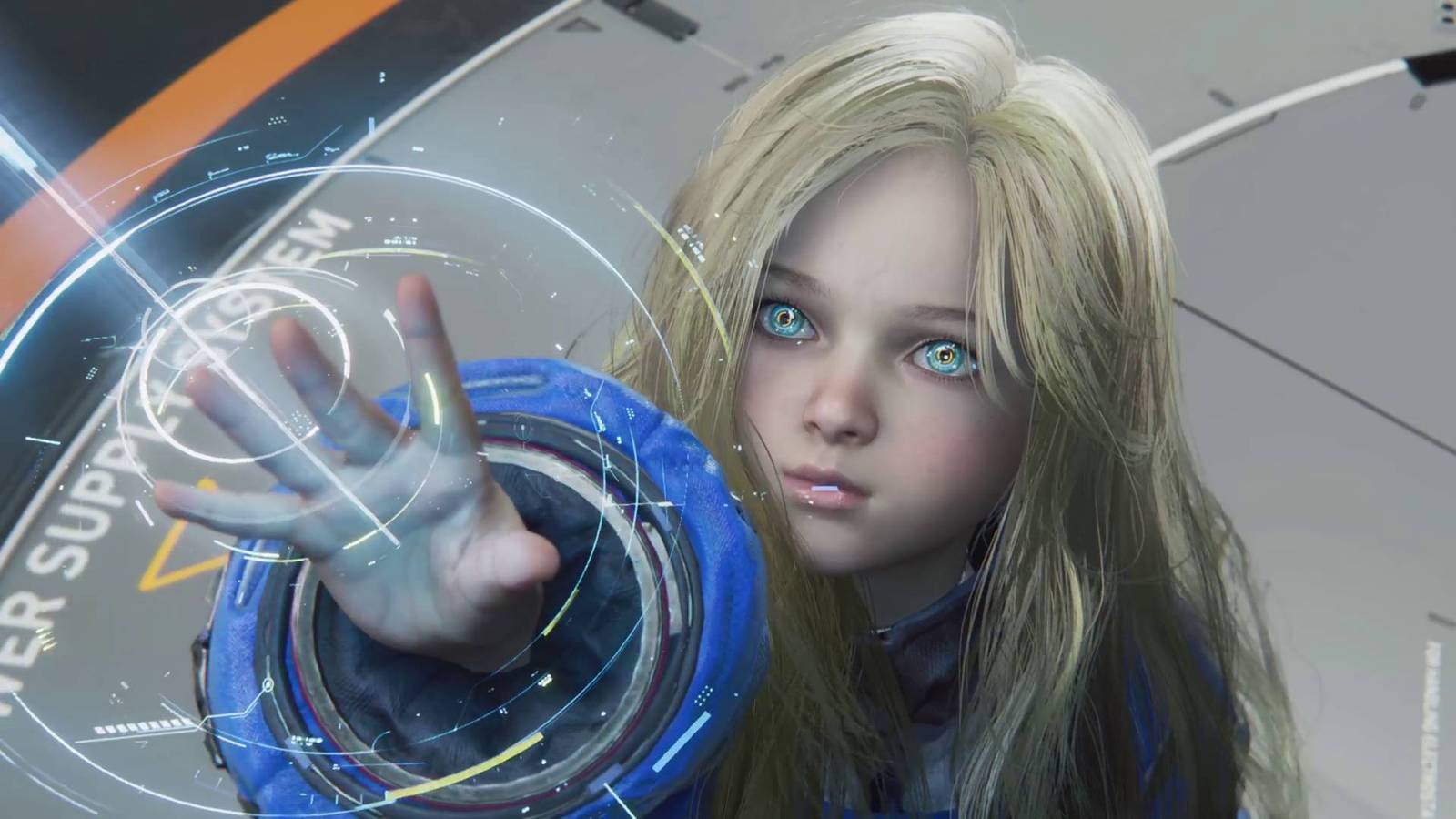
GameRant recently traveled to Rockville, Maryland to visit Bethesda HQ and get a taste of Starfield‘s Free Lanes update and Terran Armada DLC ahead of its release. While there, director and executive producer Todd Howard entertained a group Q&A, where he answered questions about the sci-fi RPG, its future, and all things Bethesda. At one point during the discussion, Howard began delving into Starfield‘s ending, outright comparing it to Edge of Tomorrow and the feeling it leaves viewers with once the credits start rolling.
Bethesda and Todd Howard Wanted Starfield’s Ending to Feel Like Edge of Tomorrow
New Game Plus is one of the most popular features in role-playing games that are meant to be played for a long time, as it gives players another opportunity to not only experience a game’s story again, but also to continue growing their character and potentially make different choices during each subsequent playthrough. But Starfield‘s New Game Plus isn’t as simple as rinse and repeat, as it drops players into an entirely different universe with each playthrough, changing everything from dialogue to certain narrative events and even some of the most important characters in the game’s world.
However, players aren’t forced to start a New Game Plus in Starfield if they don’t want to, and they can instead choose to stay in their current universe. The reason why they might want to is that stepping into the Unity—an ethereal sphere at the center of the universe—means their relationships and even many of their belongings will be left behind in the process, and when they emerge on the other side in a brand-new universe, the characters they once built something lasting with will have no memory of who they are. Howard commented on the original intention behind that, stating it was meant to ask players a “weird deep question” beyond even gameplay:
“The Unity, that part of Starfield…that really was a way of asking you this weird deep question of, “Are you this power gamer who wants to just get everything? Are you willing to leave this world behind? How do you feel about your own life choices? Would you leave that behind and start over?” So, some of that pain—we’re fixing it—some of that pain of having to give up your stuff is supposed to make you feel bad.”
Of course, Howard had to add that Bethesda was “fixing” New Game Plus with Starfield‘s Free Lanes update, which allows players to bring a limited amount of their belongings into the next universe upon stepping into the Unity. But “fixing it” might be a bit of a stretch, because while a certain part of it is now fixed in the eyes of many players who have been requesting such a patch for quite some time, they are still leaving behind relationships they’ve built with some of Starfield‘s key NPCs—and in some cases, those characters might not even exist in the next universe. Howard compared that feeling of loss to the end of Edge of Tomorrow:
“Did you ever watch Edge of Tomorrow? It’s like one of my favorites. I love it. They’re making another one, I guess. Is that true? Yeah, I don’t know if they’re fake posts or whatever. I’m like, it’s real. But when he walks in and Emily Blunt looks at him, and you just feel like she doesn’t remember. And then that song kicks in and the credits roll. Sort of that feeling of like, you have to leave everything you did behind, but as a gamer, you’re like, “I just go through the magical gate and I get more power.””
The premise of Edge of Tomorrow sees William Cage (Tom Cruise) becoming stuck in a time loop when fighting a war against aliens, with Rita Vrataski (Emily Blunt) sacrificing herself each time to help Cage destroy the Omega, the alien “brain.” Essentially, every time he dies, the day resets, he keeps his memory, and he gets better at fighting—basically a roguelike game in movie format. He eventually loses his time-loop ability, though, giving him one last chance to destroy the Omega. As usual, Rita sacrifices herself, and with the time loop now being over, Cage can’t reset the day to save her.
However, upon becoming mortally wounded after destroying the Omega, he is covered in its blood, which gives him the opportunity to reset the day one final time. When he wakes up, the war is suddenly over because all the aliens died when he destroyed the Omega, but more importantly, Rita is alive. Even so, because Cage was the only one to ever retain his memory with each reset, when he approaches Rita, she has no memory of him. He then smiles, knowing everything that happened, and the credits roll. Naturally, viewers would likely feel what Cage felt at that moment—that feeling of loss, that despite all Cage and Rita had been through, their relationship had effectively been reset.
But Bethesda still wanted Starfield‘s New Game Plus to feel like there was still more to do, rather than merely forcing players to repeat everything they had already done, and that’s even truer now with the “fixes” the game’s Free Lanes update has implemented. As Howard stated:
“So, this sort of elder gameplay loop, we need to make the world you’re in feel like you have more to accomplish there. And then, if you decide to enter the Unity, you can do it in a way that you can still continue your character and have some of your stuff, but it’s something that you earned.”
Howard’s comparison to Edge of Tomorrow ultimately lands because it gets at something Starfield is clearly trying to do beyond just giving players another loop to chase. It’s not really about power or progression as much as it is about what players are willing to leave behind to keep going. That final moment in Edge of Tomorrow works because Cage is standing in a world that’s been reset, even if he hasn’t, and Starfield is aiming for that same kind of tension when it asks players to step into the Unity. They can keep pushing forward, but the question is whether it still feels like a continuation of their story or the start of something that no longer belongs to them.
- Released
-
September 6, 2023
- ESRB
-
M For Mature 17+ / Blood, Suggestive Themes, Use of Drugs, Strong Language, Violence, In-Game Purchases