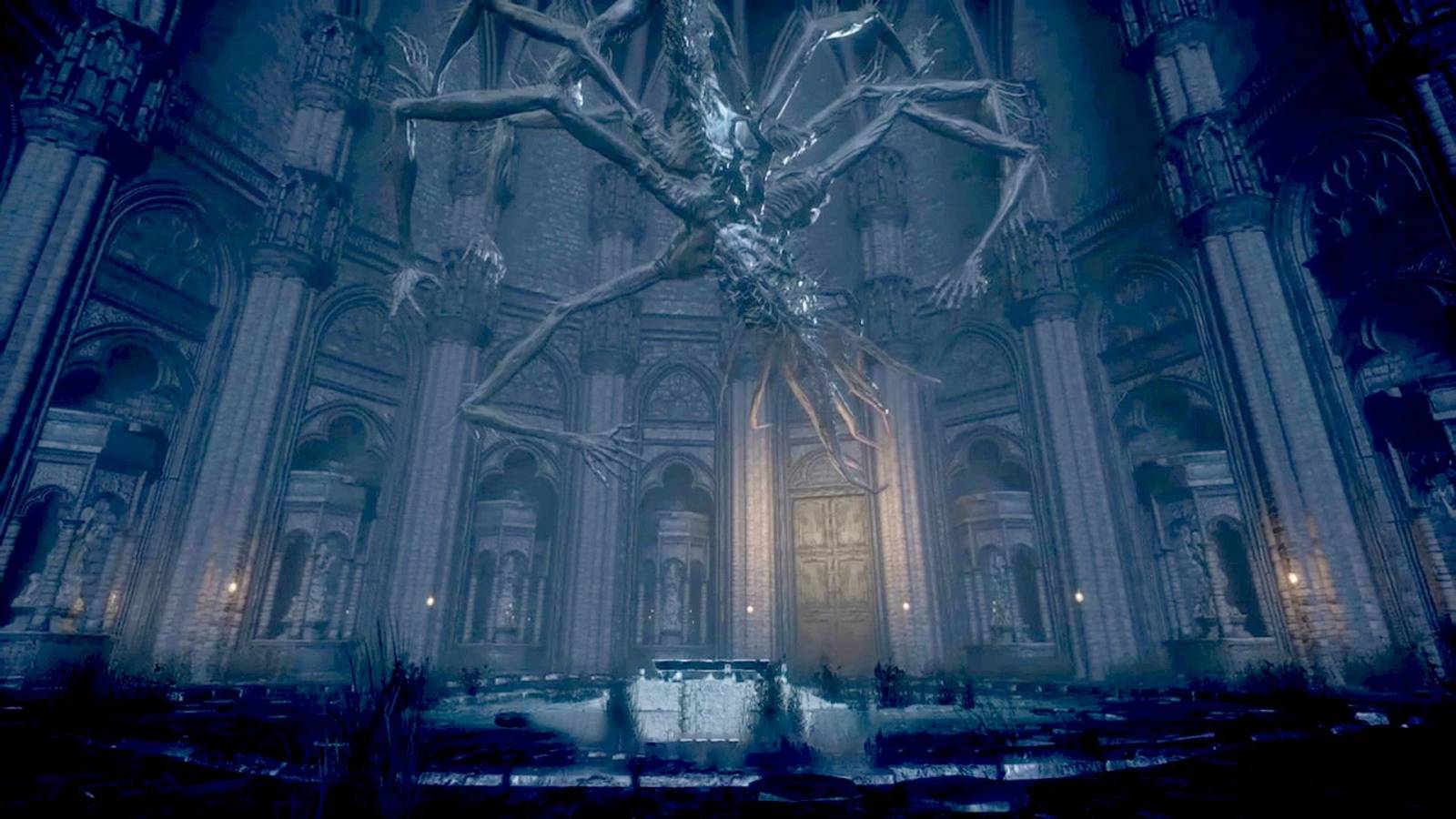



Bloodborne is a strong contender for my favorite video game, and I’m far from the only person who feels this way. Indeed, Bloodborne is frequently cited as FromSoftware’s best contemporary game, and certainly its most unique, standing out from its Dark Souls and Elden Ring relatives in an immediate way.
Sadly, the game’s ingenuity is matched by a frustrating lack of support and attention. Despite being one of the PlayStation 4’s best exclusives, Bloodborne has never gotten a proper PlayStation 5 tune-up, nor even an update for the PS4 Pro; it’s still locked to 30 frames per second, with a maximum resolution of 1080p, and can only be played on the PS4 (or PS5 via backwards compatibility). More than this, the Bloodborne IP seems to be languishing in obscurity, with no clear plans for any sort of sequel or spin-off, all while FromSoftware’s other properties, namely Dark Souls, Armored Core, and Elden Ring, have received continual development. This is unlikely to change any time soon.
Bringing Bloodborne Back Might Be a Challenge Tougher Than Orphan of Kos
FromSoft and Sony’s ostensible disinterest in Bloodborne has confounded gamers for around a decade now, but there have been some theoretical explanations posed by fans, most of which involve the copyright complications of the Bloodborne license. Shawn Layden, former PlayStation chairman, broadly agreed with this sentiment on the Trophy Room podcast, pointing out that any future Bloodborne project would probably need the green light from Sony, FromSoftware, and Kadokawa Corporation(FromSoftware’s parent company), and this dynamic could be tricky.
Moving beyond this idea, Layden noted a more ephemeral, but no less important, challenge associated with bringing Bloodborne back. Musing about the inimitable impact of the original, Layden posed a rhetorical question: “Can you do something that is not only respectful of the original, but can you recreate the phenomenon?” It’s an interesting question, and one that applies to a lot of iconic games, but Bloodborne is a bit of a special case in this respect.
More than anything else, Bloodborne is an outlier among its own kin. Elden Ring is a rather straightforward evolution of Dark Souls, which is itself an obvious evolution from Demon’s Souls. And of course, Dark Souls got two sequels, morphing into a formidable franchise from relatively humble beginnings. Bloodborne wouldn’t exist without Dark Souls, but it’s arguably even more distinct, with more of an identity of its own, than Elden Ring. In other words, Bloodborne has a lightning-in-a-bottle quality that, by its very nature, cannot be replicated.
Bloodborne wouldn’t exist without Dark Souls, but it’s arguably even more distinct, with more of an identity of its own, than Elden Ring.
There are several factors that contribute to this, from Bloodborne‘s uniquely compelling trick weapon system to its interconnected level design which, for my money, is FromSoftware’s best crack at the concept after Dark Souls 1. But more than anything, it’s Bloodborne‘s storytelling that makes it impossible to recreate. No game has managed to quite replicate the particular way that Bloodborne evolves from a Van Helsing-style vampire-and-werewolf romp and into an arresting, cerebral cosmic horror extravaganza, and there’s a high chance a sequel wouldn’t be able to either.
A Bloodborne Sequel Could Never Recreate the Original’s Success, and That’s Okay
The desire for more Bloodborne games is something of a monkey’s paw wish. Even if Sony, FromSoftware, Kadokawa, and any other involved parties were able to sign off on a new Bloodborne game, it’s hard to imagine how it would manage to capture even a fraction of the original’s power. The sheer element of surprise leveraged by Bloodborne wouldn’t be present in a theoretical sequel, as anything set in the same world would need to somehow convey the blend of bestial and cosmic horror in the same way. Even if FromSoftware were able to work around the canonicity challenges posed by Bloodborne’s many endings, it wouldn’t be able to pull off the same aesthetic, narrative, and tonal twists as the original. If it attempted to make the same progression into cosmic horror as the first Bloodborne, it could feel contrived and uninspired–a tragic fate for a follow-up to one of the most inspired video games of all time.
I think most Bloodborne fans would agree that no sequel would be better than a bad or even mediocre one. Director Hidetaka Miyazaki has echoed fans’ affection for Bloodborne, having gone on record about its sentimental importance to him, but he’s never given any indication of any future sequel or spin-off. This might seem paradoxical to some, but it’s possible that Bloodborne’s value lies in its singular nature, as the game gets to exist as a sort of mystical, esoteric oddball beyond the modern gaming zeitgeist. A sequel could rob it of that intangible value.

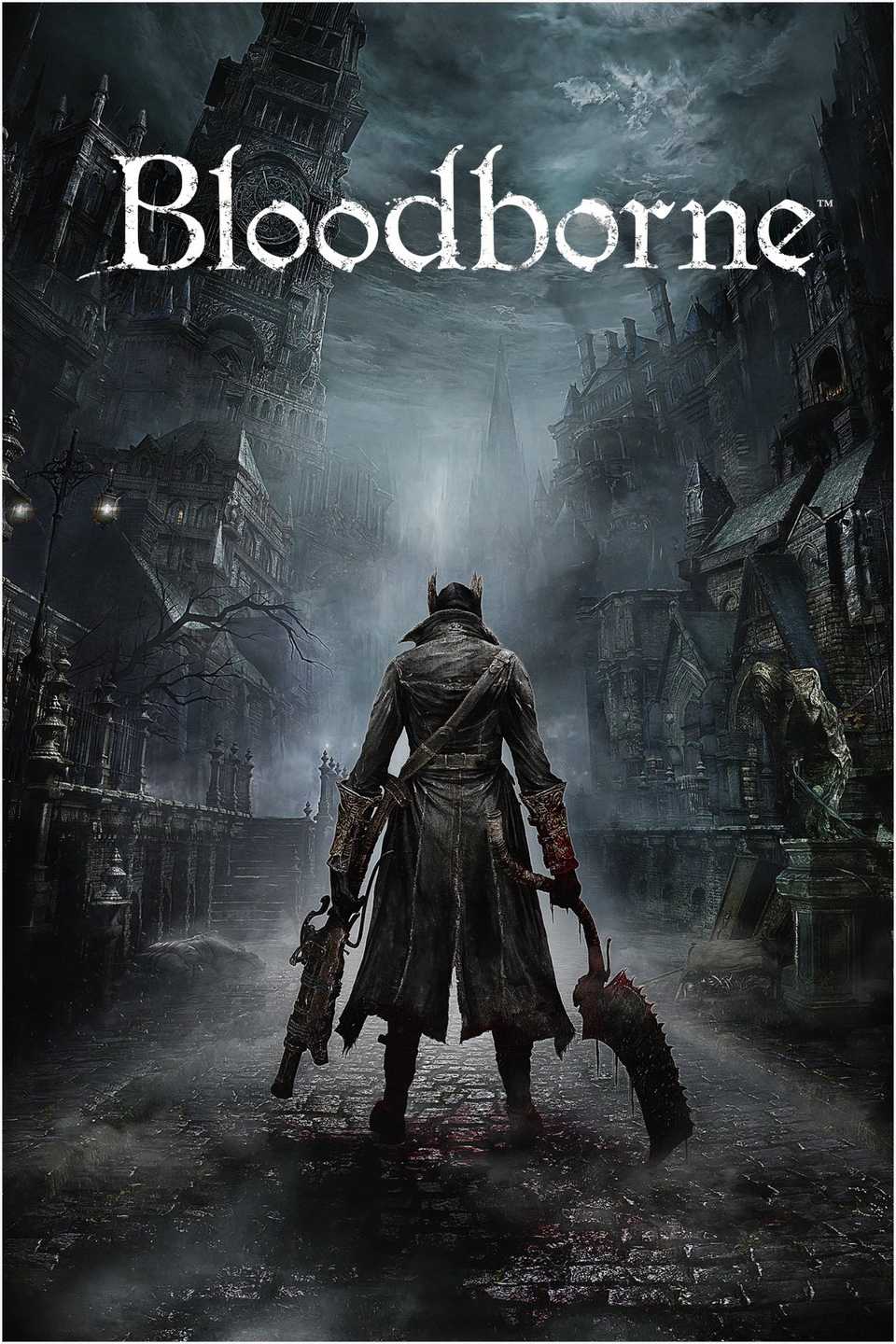


- Released
-
March 24, 2015
- ESRB
-
M for Mature: Blood and Gore, Violence