






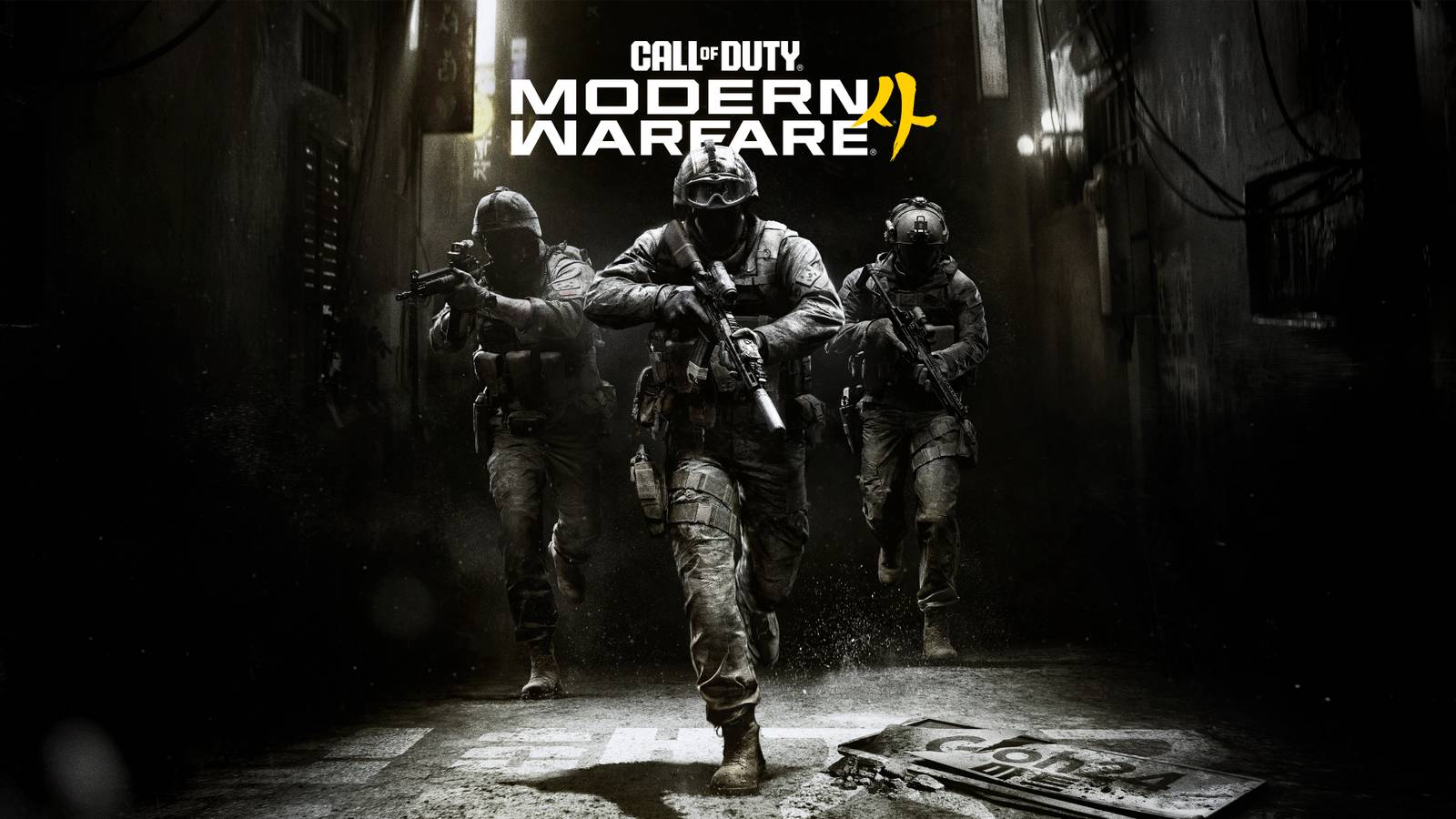
I have had quite a complicated relationship with Call of Duty. I’ve enjoyed plenty of entries in the franchise, but I’ve also found myself drifting away from it over the years for one reason or another, whether it’s due to the live-service ecosystem it has been wrapping itself up in or simple fatigue. Even so, going into a hands-on preview for Call of Duty: Modern Warfare 4, I put myself in a position to be surprised, as I’m always hopeful that the next big game can get its hooks in me. Ultimately, I wanted to see whether Infinity Ward’s latest entry could still feel like Modern Warfare while simultaneously giving me a reason to care about this particular version of it.
After going hands-on with its multiplayer modes and getting a deep dive into its campaign and all-new DMZ during a recent press event at Infinity Ward in Los Angeles, I walked away even more interested than I expected to be. My actual game time was limited to multiplayer, while info about the campaign and DMZ was presented through a hands-off briefing, but I nonetheless ended up with a clear idea of what Modern Warfare 4 is aiming at. Infinity Ward wants to give players a more authentic, immersive, and technically-refined entry through its various modes, and in the multiplayer slice that I played, I felt exactly that. Movement was extremely fluid, weapons packed a serious punch, and the game felt approachable in a way that surprised me as someone who enjoys Call of Duty and other FPS games but doesn’t live in the sweatiest corners of the community.
Modern Warfare 4 Is Returning to Its Larger-Scale Roots
Authenticity and immersion are major points of emphasis in Modern Warfare 4, and that comes across in just about everything—from the way it looks and sounds to the way it feels once you’re in control. A lot of this is no doubt on account of Infinity Ward’s decision to leave last-gen tech behind and fully embrace the power of latest-gen hardware, as it allows them to experiment with the scale, fidelity, density, and responsiveness that all feed into the immersion factor they’re going for.
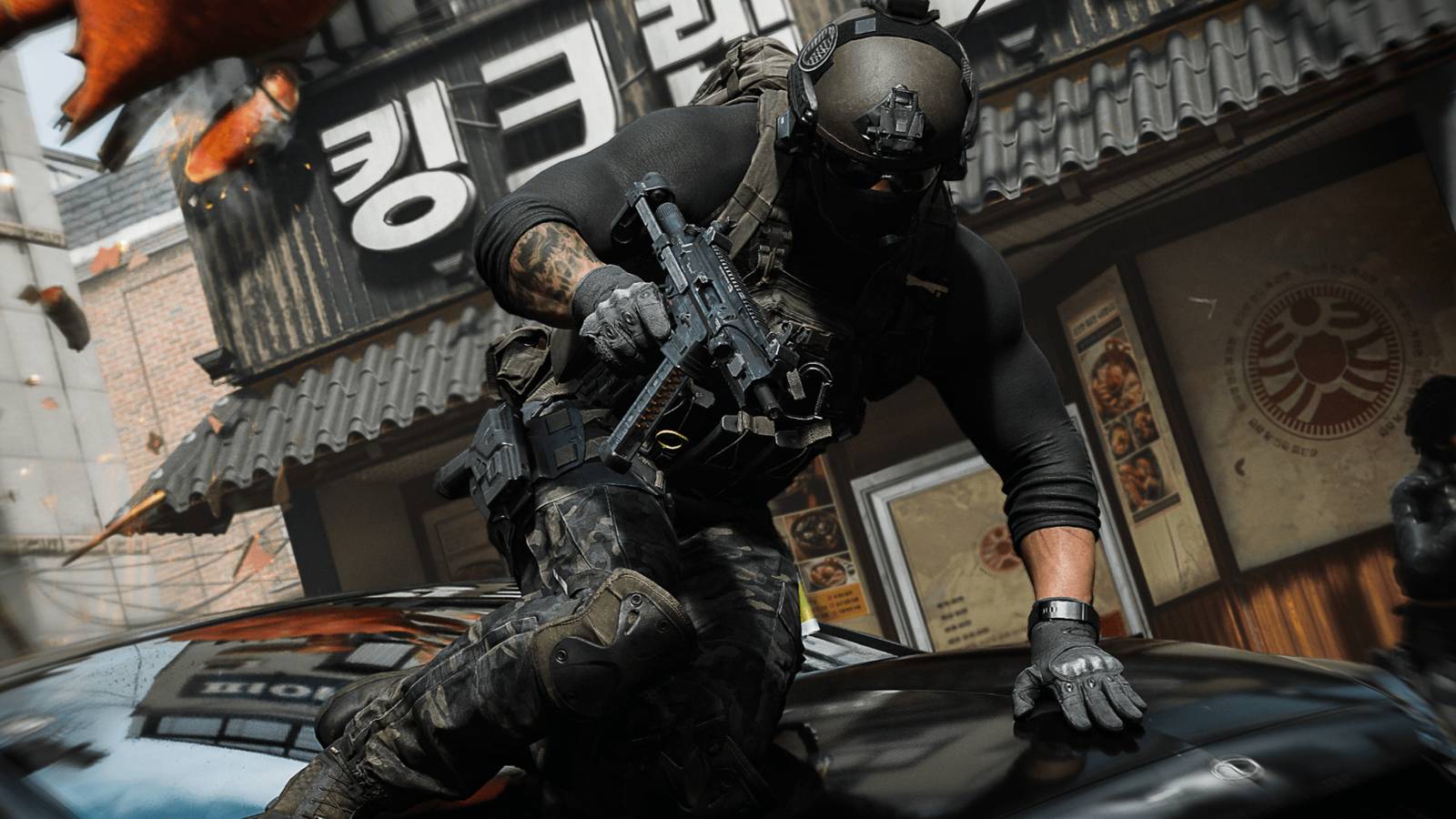
While I didn’t get to see how this plays out firsthand in Modern Warfare 4‘s campaign or DMZ during the event, Infinity Ward showed off enough of the campaign to make this one look like the biggest yet, and in more than one way. Based on what was revealed by the team, Modern Warfare 4 centers on a full-scale invasion of South Korea, with political tension, shadow operations, and outside interference pushing the world toward the brink of war. The studio repeatedly described the story as “ripped from the headlines,” meaning it’s not pulled directly from a real event, but it’s meant to feel plausible within the modern geopolitical climate.

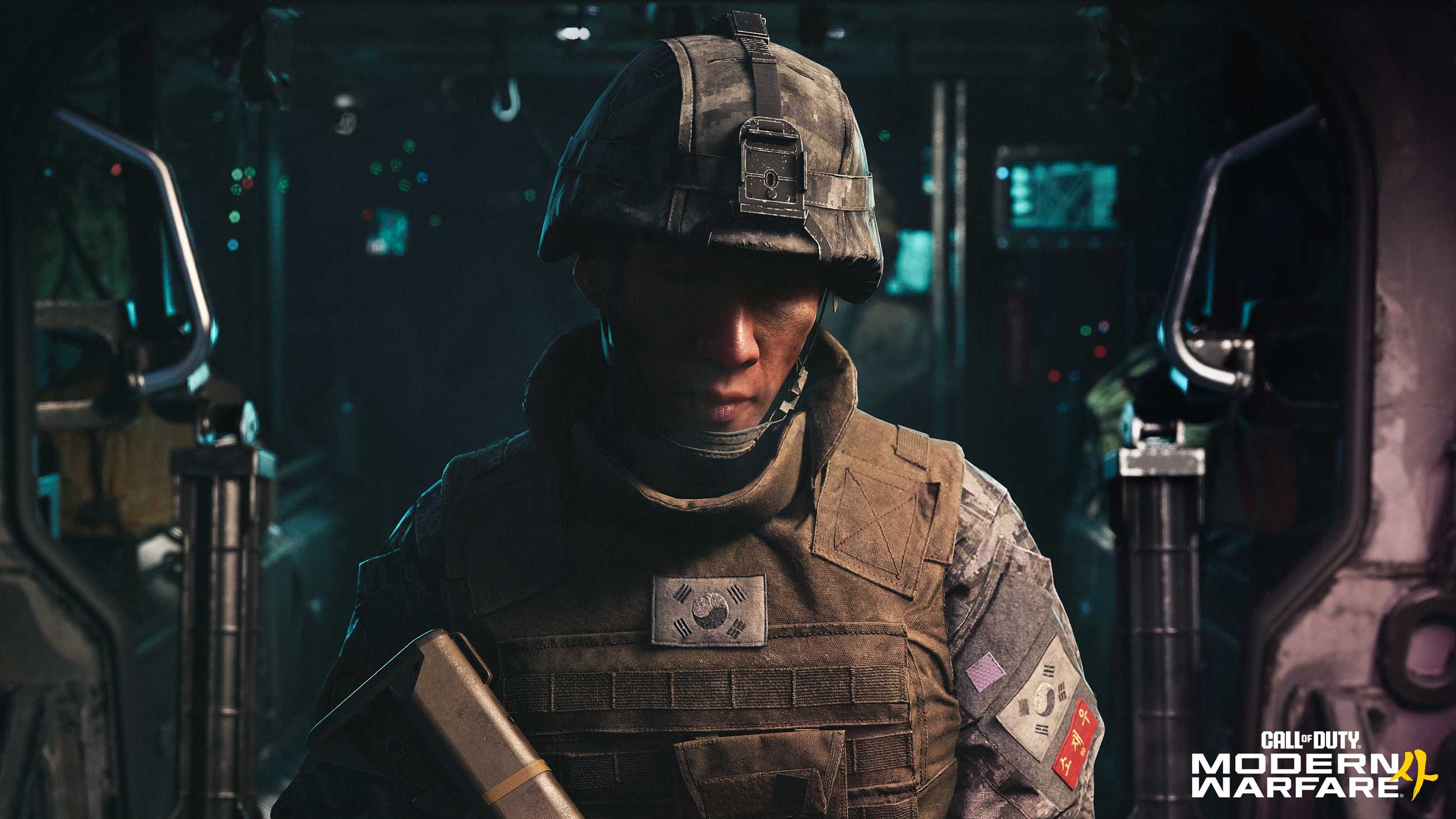
One of the main new characters is Private Park, a young Korean grunt soldier thrown into combat for the first time. Infinity Ward framed his story as a zero-to-hero journey, with Park and his squad forced to survive impossible odds during a full-scale invasion. Considering the recent Modern Warfare games revolved more around smaller special forces operations and Task Force 141’s internal story, Modern Warfare 4 is clearly aiming for something much bigger, on a larger scale, and closer to Call of Duty‘s roots.
Modern Warfare 4 centers on a full-scale invasion of South Korea, with political tension, shadow operations, and outside interference pushing the world toward the brink of war.
Captain Price also returns in Modern Warfare 4, but he’s operating from a very different place than usual. This time, Price forms a rogue alliance and works outside the system, separated from the Task Force 141 team he once called his own. One of the more interesting things about Price’s role in this entry, though, is how it seems to contrast with that of Private Park. Where the young grunt protagonist’s story sees him moving from zero to hero, Infinity Ward regularly hinted at Price moving in the opposite direction, though they wouldn’t fully commit to a total zero as his inevitable end.

During my interview with Infinity Ward, associate design director Alex Norris and narrative director Jeff Negus also emphasized that this game gave the team a chance to move into new territory because there has never been a Modern Warfare 4 before. It’s worth noting that my conversation with the devs was exclusively about the game’s campaign, too, so many of the team’s more creative decisions are likely to reach their greatest potential as players move through the story.
Infinity Ward also said this is probably the largest Modern Warfare campaign in the series’ history. Missions will take players through Korea, New York, Paris, Mumbai, and more, with scenarios ranging from trench warfare and close-quarters battles to high-speed pursuits, SAS night raids, and city-wide assaults to reclaim territory. The developers also continually pointed back to Modern Warfare 4‘s emphasis on variety, particularly within the campaign, to ensure each mission had its own identity and gave players a distinct experience apart from the rest.
Modern Warfare’s Multiplayer Feels Fluid, Immersive, and Fair

Modern Warfare 4‘s multiplayer is the part I got to play, and movement was the first thing that stood out. Infinity Ward talked a lot during the briefing about how it was rebuilding movement systems like sliding, mantling, climbing, and traversal to ensure players felt like they had more control over their character, and that’s precisely how I felt once I actually sat down to play. Vaulting over walls and objects felt nearly seamless, and movement overall felt incredibly fluid. I don’t think I’ve ever played an FPS game that moved this well.
At the same time, Modern Warfare 4 didn’t feel weightless in the hands. Weapons felt heavy, punchy, and responsive, and the feedback from firing them was honestly one of my biggest takeaways from the preview. Visual and audio feedback also made gunfights feel more readable than ever, where I felt like I was always hitting what I was aiming at. Even when I lost an engagement, I generally understood why and how I lost it, which hasn’t always been the case in Call of Duty.

A lot of this comes down to what Infinity Ward calls Modern Warfare 4‘s “Ballistic Authority” system. Essentially, the system brings bullet trajectory, weapon motion, Operator stance, camera, audio, FOV, and visibility together to ensure that every shot feels like it lands where it’s meant to land. “No bloom, no guesswork, and no doubt” is Infinity Ward’s promise here, and Modern Warfare 4 makes good on it.
Weapons felt heavy, punchy, and responsive, and the feedback from firing them was honestly one of my biggest takeaways from the preview.
The most important practical detail is that weapon bloom has been removed from hipfire. Instead of bullets randomly landing somewhere inside an invisible cone, shots go where the weapon is actually pointed. Infinity Ward also talked about improved weapon framing, enhanced FOV, cleaner sight pictures, better recoil sampling, and more realistic weapon behavior near walls and corners. In my hands-on time with the game, I couldn’t break down every one of those systems individually, but I could certainly feel the result of them working together.
If there’s one thing I can say about Modern Warfare 4 on account of these improvements, it’s that Call of Duty feels more fair than ever. That, in and of itself, should make newcomers more enticed to jump in, as well as players who left the franchise and are looking for a good opportunity to get back in. Even when another player took me out, the kill cam never had me feeling like there was something mechanically fishy going on about the way it happened. Also, as someone who is decently skilled at FPS games but far from a hardcore Call of Duty player, I felt like I had a fighting chance in most matches. There were definitely stronger players at the event who dominated the field, but the game didn’t feel like it was only built for them.
Customization was another major piece that stood out to me, mainly because Modern Warfare 4 lets players assign a different Operator to each loadout. To me, that almost made it feel like I was customizing role-playing classes rather than simple loadouts, and it gave each one a clearer identity. Killstreaks can also be selected per loadout, perks are back to a cleaner pick-three system, and Infinity Ward also showed off Gunny, a new Gunsmith feature that recommends weapon builds based on a preferred playstyle and unlocked attachments, though I didn’t get to try that part myself.

Apex Attachments are another major weapon feature in Modern Warfare 4, and they’re essentially final weapon-progression unlocks that change how a gun plays. They also don’t take up one of the five regular attachment slots, so players can still build a weapon normally before adding an Apex Attachment on top once they’ve invested enough time into it.
If there’s one thing I can say about Modern Warfare 4 on account of these improvements, it’s that Call of Duty feels more fair than ever.
Infinity Ward showed several examples during the briefing, including a revolver with a fanfire-style setup, an SMG with a mounted 12-gauge shotgun, an M4 Hurricane conversion that turns it into a 5.7×28 SMG-style weapon, tracking ammo tied to an optic display, and an AK jamming system built to counter enemy equipment and killstreaks. Several of them had us laughing at how ridiculous they were, but in the best way. This feature alone is bound to make Modern Warfare 4 a more exciting experience for committed players.

During the preview, I played four multiplayer modes: Team Deathmatch, Domination, Inflation, and Gunfight. Team Deathmatch and Domination were exactly what one would expect, so they mainly gave me a chance to get a feel for the movement and gunplay without having to think too hard about the rules. Inflation was the one new mode I played, and it works like a deathmatch-style mode where players drop bounties and the team holding the most cash at the end wins. Gunfight was the one I struggled with the most, but that made sense, considering we played it on Modern Warfare 4‘s new dynamic multiplayer map, Kill Block.
Kill Block Is a New Dynamic Multiplayer Map That Will Keep You on Your Toes
Kill Block, officially known as the Westbridge Training Facility, is a dynamic multiplayer map built from three map “slabs,” with the center “hero slab” acting as the main anchor for engagements. The map is roughly the size of Shoot House, and Infinity Ward said it will support more than 500 configurations at launch, with more coming post-launch. Essentially, the slabs in Kill Block can shift into different configurations while players are in a match, with each slab featuring a different map design and layout, in turn keeping everyone guessing and on an even playing field.

Beyond Kill Block, Modern Warfare 4 will launch with 12 new core 6v6 maps set in locations around the world. Infinity Ward said some of those maps share locations with the Campaign, while others take the series to places it hasn’t used before. From what I gathered during the briefing, the goal behind map design in Modern Warfare 4 is to ensure players are fighting one another rather than the map itself, and despite how quickly the game moves in multiplayer, that design philosophy largely panned out.
The full multiplayer package will also include dedicated Gunfight maps and multiple Big War maps built around infantry and vehicle combat. I didn’t get a chance to play the Big War modes, which include Combat Outposts and Frontal Assault, but their inclusion in Modern Warfare 4 makes sense in the grand scheme of things. This is still very much a traditional Call of Duty multiplayer game at its core, but Infinity Ward is clearly trying to make room for larger-scale combat alongside the usual 6v6 experience.

Modern Warfare 4 Is Bringing DMZ Back
DMZ is the last thing I’ll mention, because I can’t say a lot about it just yet. What I can say is that it’s designed to be the definitive Call of Duty extraction shooter experience, which means it’s returning as a living combat sandbox where players can loot, fight, negotiate, betray, and extract with whatever they can carry. Players deploy solo or with a squad as off-the-books assets recovering advanced military technology left behind after the war. Modern Warfare 4‘s DMZ will also feature changing weather, dynamic military objectives, and hostile forces moving throughout the zone.
Modern Warfare 4 Feels Like a Promising New Start

My time with Modern Warfare 4 was limited to multiplayer, and there’s no telling yet how everything will come together when the full game is in players’ hands. The Campaign sounds bigger than anything the recent Modern Warfare games have attempted, DMZ sounds like Infinity Ward is finally giving that mode the full treatment, and the multiplayer will obviously live or die by its maps, balance, progression, and post-launch support. But for now, based on what I played, the biggest thing I can say is that Infinity Ward’s talk about immersion, fluidity, and responsiveness actually translated into gameplay.
More than anything, Modern Warfare 4 made me want to keep playing. The movement felt great, the guns felt even better, and the multiplayer gave me room to compete without making me feel like I had to be the sweatiest person in the lobby to enjoy myself. I went into the event hopeful, but still pretty skeptical, mostly because that’s where my relationship with Call of Duty has been for a while. I left more interested than I expected to be, and if the rest of the game can hold up around what I played, Modern Warfare 4 might be the one that gets me back in.

- Released
-
October 23, 2026
- Multiplayer
-
Online Multiplayer, Online Co-Op
Call of Duty: Modern Warfare 4 will be available globally on Xbox Series X|S, PlayStation 5, PC, and Nintendo Switch 2 on Friday, October 23rd, 2026. GameRant was provided with travel and lodging for this preview.