



Karolina Stachyra, a rising luminary in European game development, is returning to CD Projekt Red after spending a few years with Dying Light developer Techland, and then another year with S.T.A.L.K.E.R. creator GSC Game World. Across all these companies, Stachyra worked as a writer, acting as Narrative Director at Techland and GSC Game World, catapulted from her excellent work on The Witcher 3: Wild Hunt.
It’s Stachyra’s experience on The Witcher 3 that has fans excited just as much, if not more so, than her impressive, cross-dev resume. Anyone who has played The Witcher 3 will readily tell you that its writing is what puts it a cut above other, similar games. Indeed, many Witcher 3-inspired RPGs have failed to capture the magic of their core influence, specifically because they struggle to match its storytelling chops. And among The Witcher 3‘s many compelling and entertaining quests is Family Matters, often referred to as the “Bloody Baron” quest chain. This haunting, multilayered, and emotionally gracious story still stands out as one of gaming’s best subplots, and its dialog and cutscenes were written by none other than Stachyra herself.
Spoilers ahead for The Witcher 3.
Karolina Stachyra’s Tenure at CD Projekt Red Is Especially Noteworthy
It should go without saying that nabbing a good writer is a boon for any narrative-focused gaming project. So, in that sense, Stachyra’s reunion with CDPR has an obvious, surface-level upside. But the particulars of Stachyra’s writing tendencies make things even more promising.
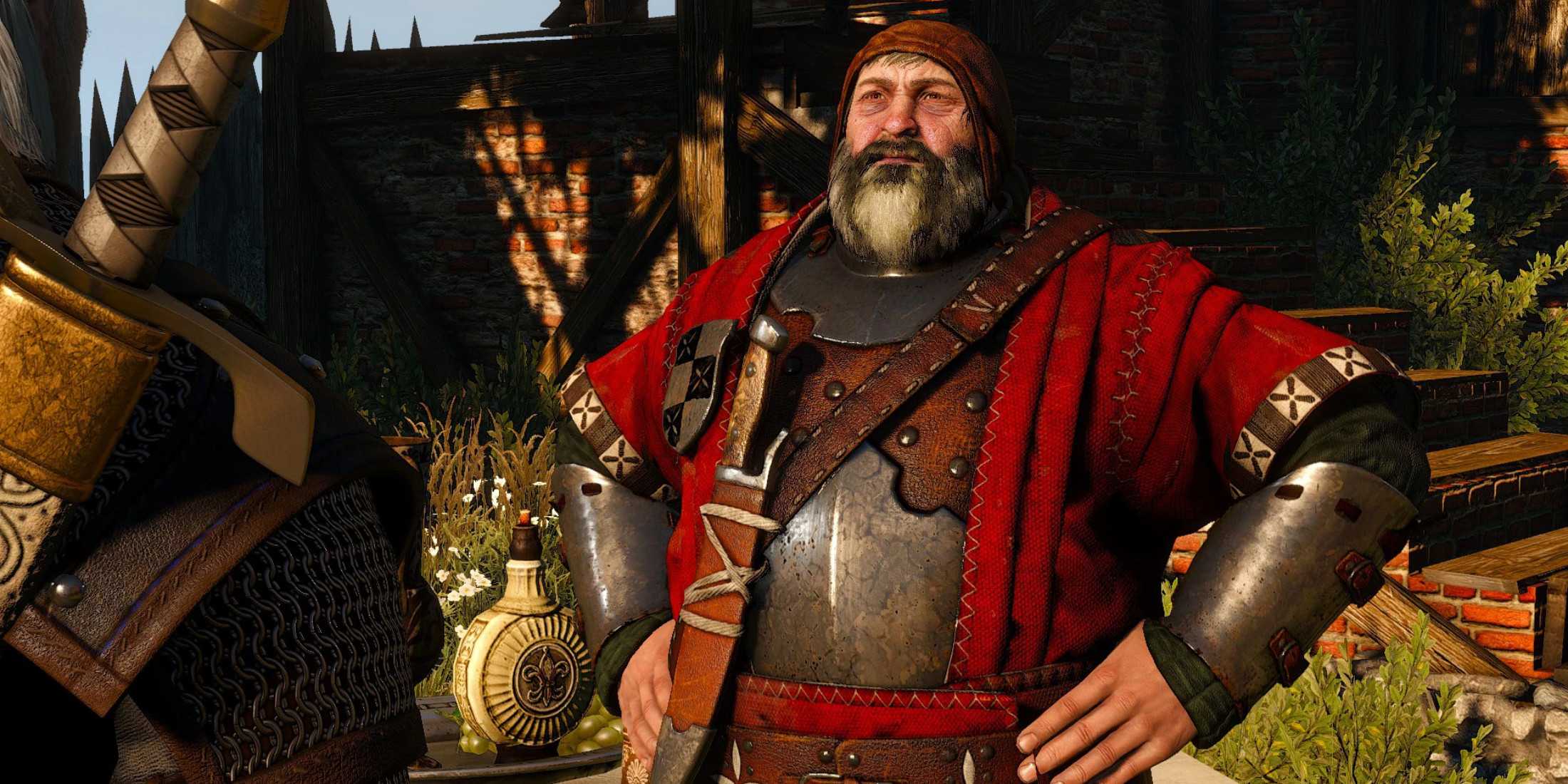
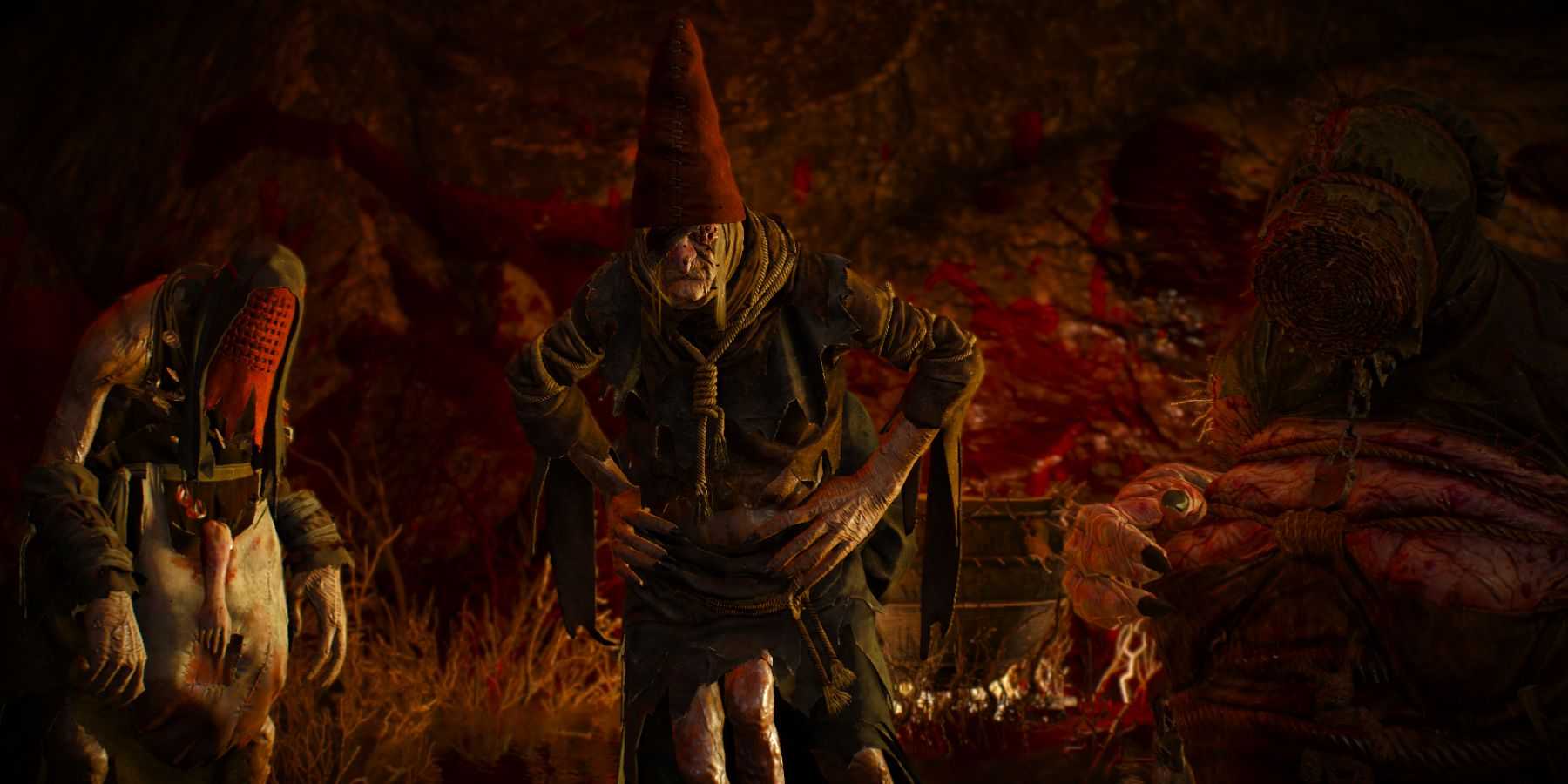
As a quick refresher, the Bloody Baron questline starts out like a typical missing persons case before shifting into a more ethically complicated story about addiction, abuse, and remorse. As it turns out, the Baron, who has seemed genuinely scared out of his wits this whole time, drove his missing family away through his constant over-drinking and physical abuse. It’s a difficult moment for Geralt and the player, as they both come to this harrowing realization, and are then encouraged to empathize with the now-monstrous Baron, who swears to want nothing more than to make things right.
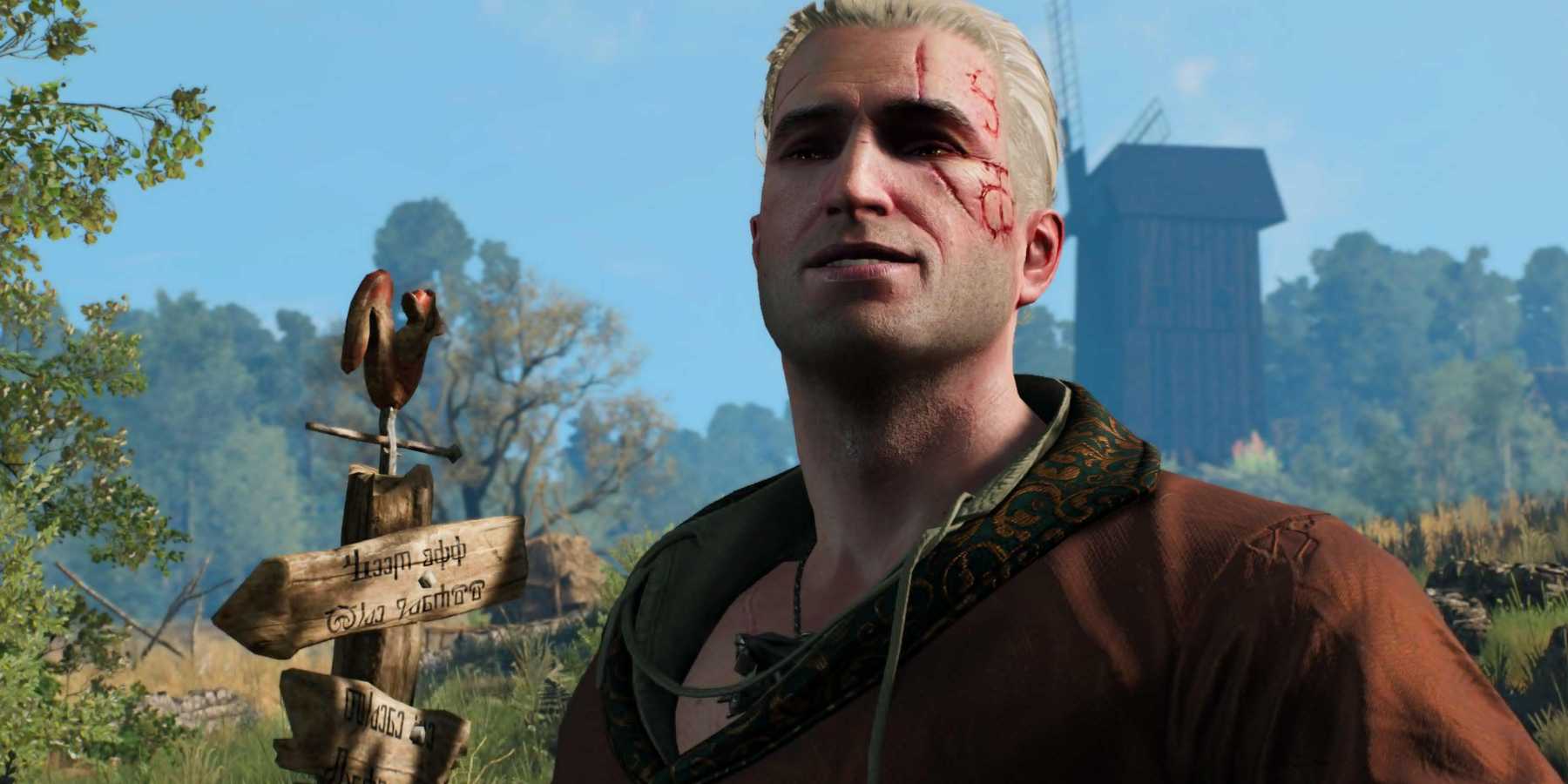
Another notable quest penned by Stachyra occurs during the Heart of Stone DLC. The quest, titled Dead Man’s Party, sees Geralt reviving a dead man called Vlodimir for one last grand night out. The twist is that Vlodimir has to share Geralt’s body, and so an evening filled with dark fantasy shenanigans begins. It’s certainly one of The Witcher 3‘s more comedic quests, but there’s still a bittersweet, eerie wrinkle to it, especially when it ends with a rather haunting banishment of Vlodimir back to the realm of the dead.
Why Stachyra’s Bold, Ethically Complex Writing Is Good News for The Witcher 4
-
 Dominik Bošnjak / GameRant | Source image: CD Projekt Red
 -
 Image via CD Projekt Red
 -
 Image via CD Projekt Red
Stachyra is only one of many talented and impactful staff at CD Projekt Red, all of whom came together to make The Witcher 3 what it is, buther work stands out nonetheless. Perhaps it is because stories like Bloody Baron exemplify the foundational strengths of The Witcher as a franchise. In a nutshell, I would say that The Witcher games’ writing is compelling because it is interpretable, mature, nuanced, and sophisticated—traits that are decidedly lacking in the fantasy genre, especially as it manifests in gaming.
The Bloody Baron and Dead Man’s Party quests are not the only examples of this mature, nuanced sophistication in action, though they may be among the most pointed and arresting. This is the world that Geralt inhabits, one where he may find himself in the employ of a grief-ridden, brutal drunkard or possessed by a nostalgic ghost. The Witcher lifestyle is not for the faint of heart, and while the player can probably already infer that from the various monsters that Geralt slays, getting a glimpse into the darker sides of humanity makes for a more expansive understanding of the idea.
The Witcher games’ writing is compelling because it is interpretable, mature, nuanced, and sophisticated—traits that are decidedly lacking in the fantasy genre, especially as it manifests in gaming.
These quests serve as far more than just shock value. They flesh out Geralt’s character (in whichever direction the player steers him), deepen the game world’s lore, and set a precedent for true surprise and subversion; after wrapping up the Bloody Baron questline, it feels like any seemingly normal quest could fly off the rails. These qualities are nigh-essential for The Witcher 4, which has some impossibly large shoes to fill when it comes to overall writing and quest design.
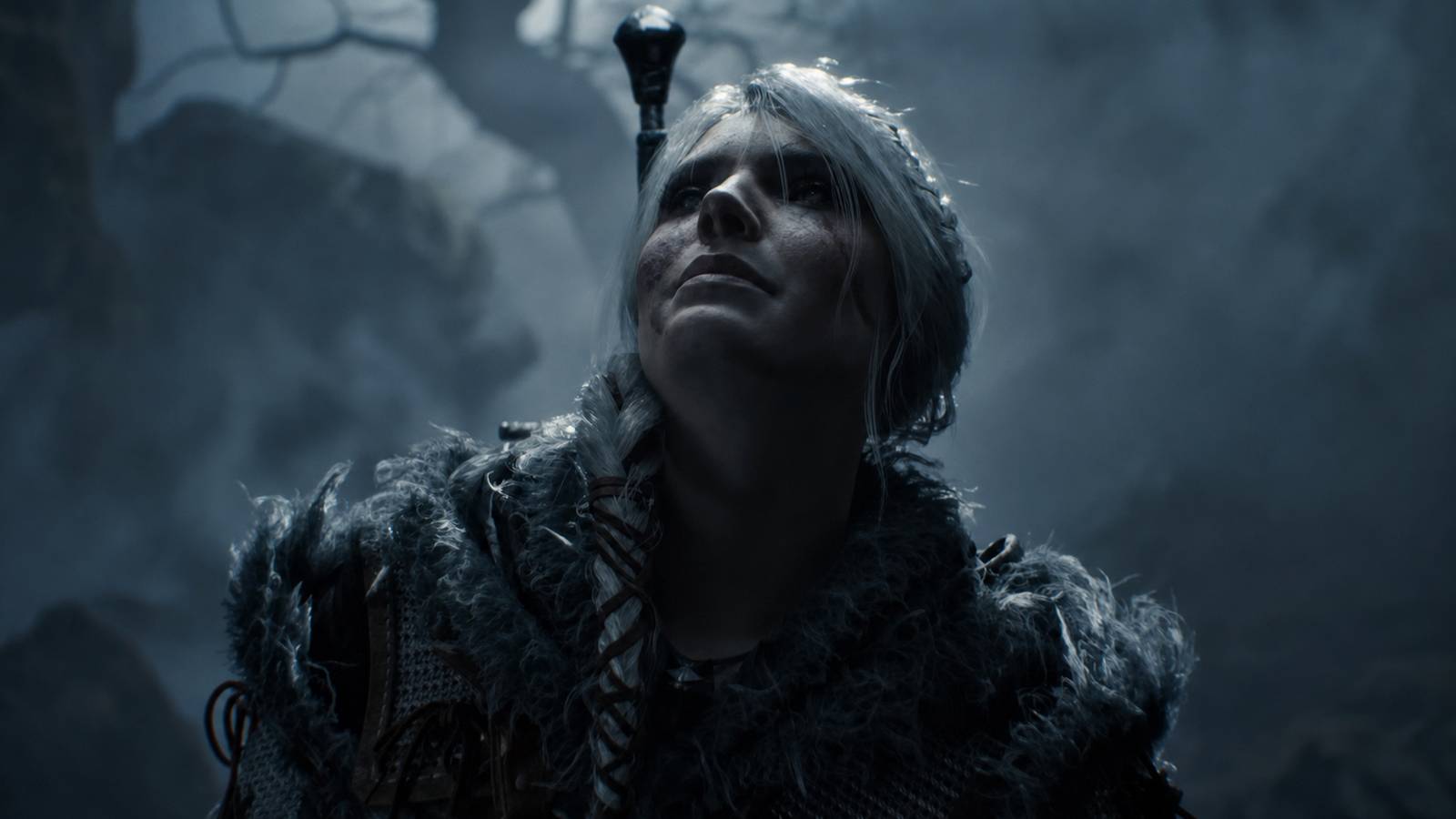
This is especially true insofar as Ciri is concerned. Make no mistake, Ciri has been through the ringer already, and is no spring chicken, but part of what made Geralt such a great protagonist was seeing how he engaged with the morally grey world around him. For The Witcher 4 to provide that same sort of narrative heft, it will need to put Ciri in situations that are just as morally grey, disturbing, or otherwise unnerving. Based on what little we’ve seen of the game so far, and the fact that Stachyra is back on board, my hopes for this are quite high.