





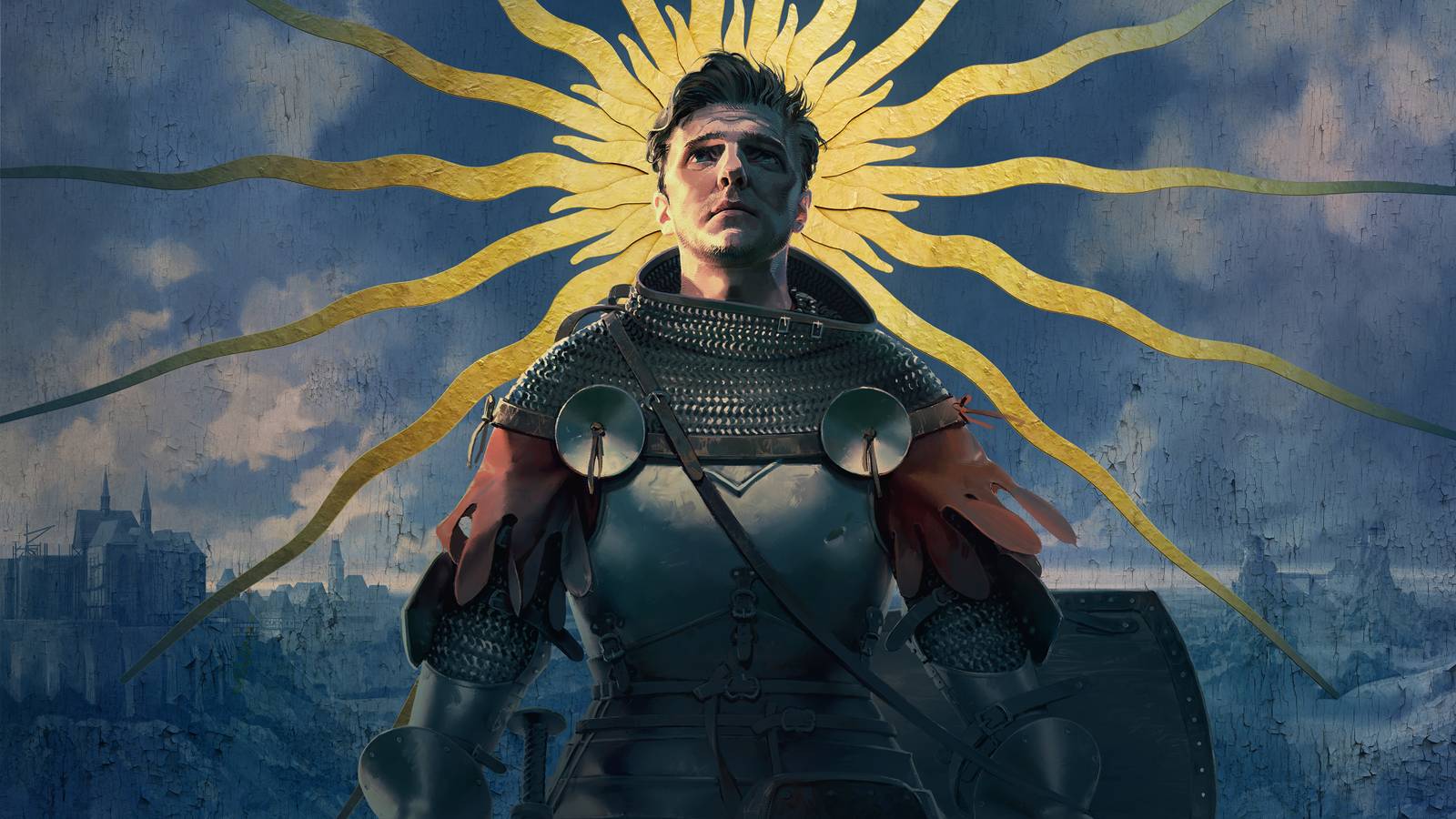
Kingdom Come: Deliverance 2 has officially become a massive success for Warhorse Studios, with the developer announcing during a recent community stream that its medieval RPG has now surpassed 6 million copies sold worldwide. For any single-player RPG, that’s undoubtedly a massive milestone, but it looks even more impressive when you put those numbers next to the original Kingdom Come: Deliverance. Given that Kingdom Come: Deliverance 2 is now just under 17 months old, it has already doubled its predecessor’s sales in a shorter amount of time.
For Warhorse, this is obviously great news that is more than worth celebrating. Kingdom Come: Deliverance has gone from a bold historical RPG experiment to a franchise with some serious commercial power behind it. Still, there is a big catch with any franchise like this, because Kingdom Come: Deliverance 2‘s success also means Warhorse is entering a very different future than the one it had after the original game.
Warhorse’s Open-World Lord of the Rings Game Already Feels Like the GTA 6 of RPGs
Warhorse Studios’ Lord of the Rings game has already generated hype, and it could have a similar affect on the industry as GTA 6.
Kingdom Come Has Become Too Big to Stay Small
The original Kingdom Come: Deliverance was a success, but it always felt like an underdog compared to all the other major open-world RPG franchises out there. It was a grounded medieval RPG with no dragons, no magic, no fantasy races, and no desire to make its world more accessible or easier than it, according to Warhorse, needed to be. Even when it became popular, it still felt like the kind of game that succeeded largely because of how starkly different it was from everything else around it.


Guess the games from the emojis.
Guess the games from the emojis.
Easy (120s)Medium (90s)Hard (60s)
Of course, Kingdom Come: Deliverance 2 has changed that for the franchise, and it did so rather quickly. The first Kingdom Come: Deliverance sold 2 million copies after just one year, reached 3 million after more than two years, and needed roughly 6 years to hit 6 million. KCD2, on the other hand, has reached that same sales milestone in less than a third of that time, showing that Warhorse is no longer dealing with a niche curiosity.
The original Kingdom Come: Deliverance was a success, but it always felt like an underdog compared to all the other major open-world RPG franchises out there.
But that’s where the good news starts to become a bit more complicated. Essentially, Kingdom Come is now big enough to create even bigger expectations. With that undoubtedly comes bigger budgets and bigger pressure on the studio as well, which is a somewhat bittersweet reality for any game developer. If Kingdom Come: Deliverance was more akin to a scrappy outsider, it can’t stay that way any longer, as its sequel has now decided for it what it will become—and Warhorse really has little choice but to ride that wave.
However, that doesn’t mean the developer should entertain every idea it’s tempted to realize. A more successful Kingdom Come could mean a bigger map, a more cinematic story, a broader audience, and, perhaps more than anything else, a far more accessible experience than even Kingdom Come: Deliverance 2 tried to be. Some of that growth would be natural, sure, and KCD2 already proved Warhorse could build on the original game’s formula without losing its soul. But the danger would be going too far in that direction.
One of the reasons Kingdom Come is such a brilliant franchise is because it’s stubborn. It forces players to play by its rules and live with the consequences of their decisions. The more popular the series becomes, though, the harder it might be to keep those rougher edges around that give the IP its distinct identity.
KCD2‘s 6 million sales doesn’t mean Warhorse needs to make the next game a blockbuster fantasy RPG, as it could be argued that the studio now has permission to keep believing in the formula it has already established across two games. The catch is that bigger success often brings increased pressure to become more welcoming, and Kingdom Come‘s greatest strength has always been about how unwelcoming it actually is. As such, Warhorse will need to figure out a way to preserve that quality as it moves headlong into a more glorious future.
Warhorse’s Future Is Bigger Than Kingdom Come Now


It’s also worth mentioning that the timing of this sales milestone makes the situation even more interesting. With Warhorse now working on another Kingdom Come adventure and an open-world RPG set in Middle-earth, the developer now has more on its plate than ever, but that’s only half the battle. Now that it’s working on one of the most recognizable IPs in history—and one that will naturally defy their iconic design philosophy in many ways—it has to ask itself whether it wants to be big because it can be now or whether it would rather remain committed to the one-lane road it has been on with Kingdom Come: Deliverance.
The catch is that bigger success often brings increased pressure to become more welcoming, and Kingdom Come‘s greatest strength has always been about how unwelcoming it actually is.
Some would impulsively call it a “sell-out” moment for Warhorse, as it might immediately seem as though the developer has essentially handed itself over to a franchise that already has its own set of rules and boundaries. Within Middle-earth, it might be hard for the studio to stay true to itself, and that could be where the concern really begins. Warhorse is now successful enough to be trusted with something as massive as an open-world Lord of the Rings game, but that also means it’s successful enough to be pulled away from the one thing that made it so interesting in the first place. Kingdom Come may be far bigger now than it was in 2018, but it’s still a stranger, harder, less universally marketable franchise than Middle-earth will ever be.
That’s the uncomfortable part of KCD2‘s success. Warhorse has proven Kingdom Come can sell, but it has also proven the studio itself may be valuable enough to attach to something more recognizable. From a business standpoint, that makes perfect sense. The Lord of the Rings is easily one of the safest fantasy brands in the world to develop a game around, while Kingdom Come is still an RPG grounded in history that refuses to give players the kind of power fantasy many of them expect from other open-world RPGs.
So, yes, KCD2‘s 6 million sales are great news for Warhorse, but it could be argued that they also mark the moment the studio becomes too big to belong only to Kingdom Come. Warhorse has earned the right to chase something larger, but its biggest challenge now is making sure success doesn’t turn its most distinct franchise into the thing it works on between safer, more universally adored opportunities.

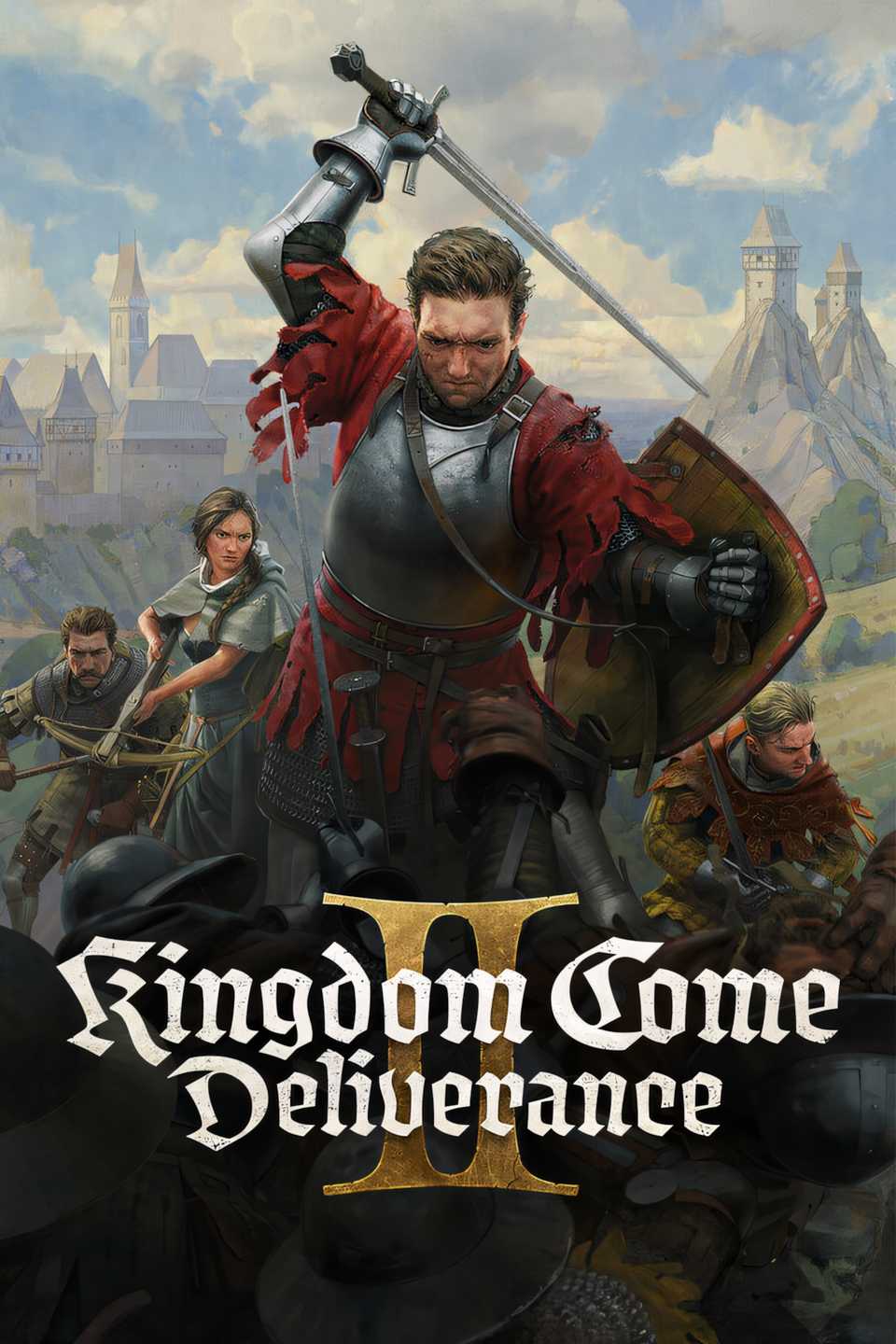
- Released
-
February 4, 2025
- ESRB
-
Mature 17+ / Use of Alcohol, Blood and Gore, Sexual Content, Strong Language, Intense Violence, Partial Nudity
- Developer(s)
-
Warhorse Studios