






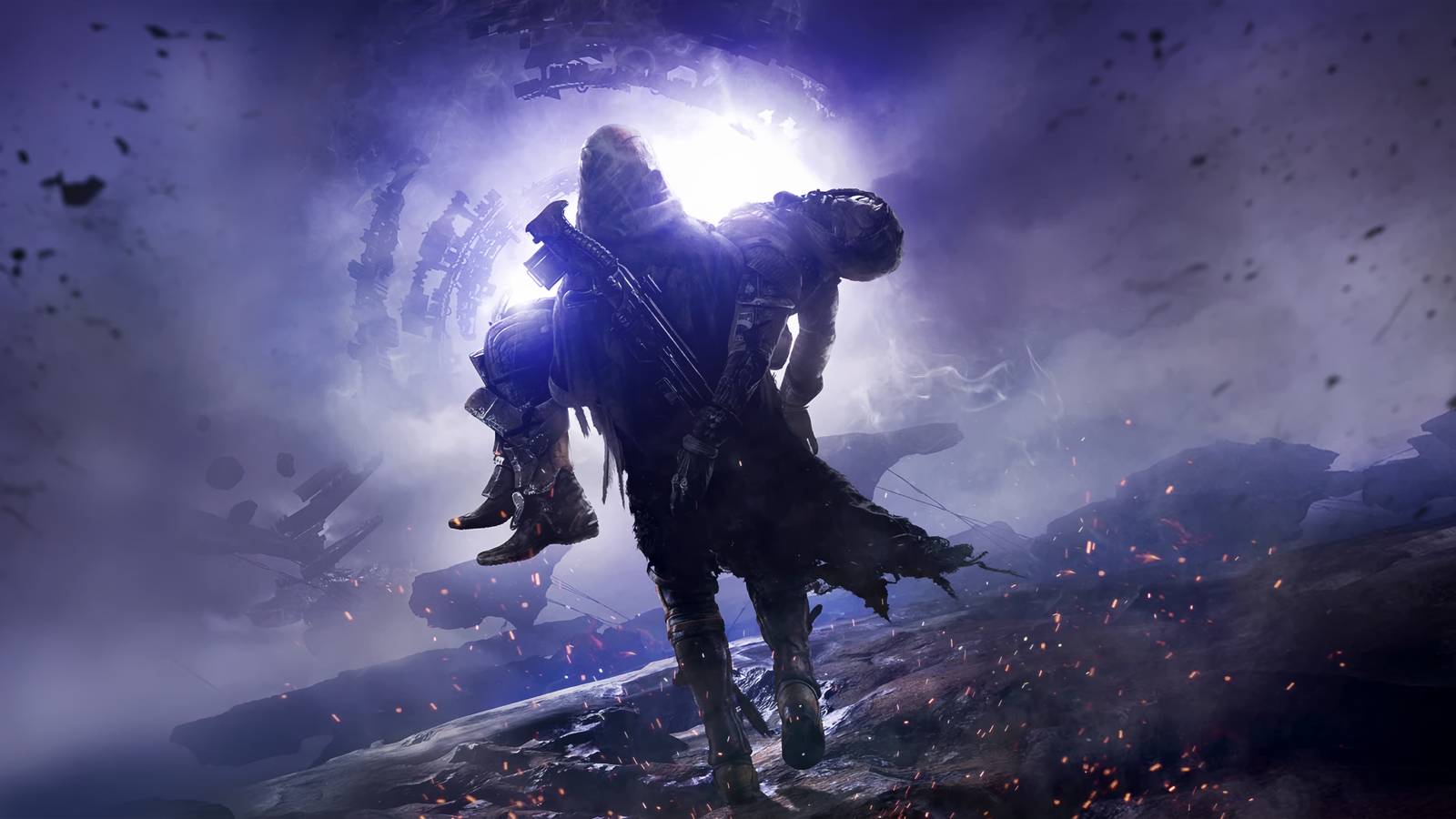
If you haven’t heard the news yet, you must not be on the internet much, but live-service support for Destiny 2 is effectively coming to an end after one final update, Monument of Triumph, on June 9, 2026. To be clear, no one really saw this coming. Those of us who played the game knew of its issues, and even many of those who had never played it and only heard about it were more than aware. However, something inside of us fans always believed Bungie would pull through and that Destiny 2 would not just survive but actually eventually reach a point where it was consistently excellent rather than just occasionally great.
Of course, this eulogy I’m delivering for Destiny 2 doesn’t seem to make sense to some, because I keep seeing this idea floating around that the game isn’t actually shutting down, that it isn’t actually dead. Essentially, the idea is that, because Bungie is keeping it in maintenance mode, and it’s still playable, there’s no reason to mourn it. There’s a slight problem with that line of thinking, though, as the type of game that Destiny 2 is designed to be and the type of game it will become after its final update are fundamentally at odds with one another.
Why Destiny 3 Is Not a Given for Bungie’s Next Game
Destiny 3 may still be possible, but Bungie’s next chapter may depend on Marathon finding its footing after Destiny 2’s final update arrives soon.
For Live-Service Games, Playable and Alive Are Two Very Different Things
To get to the heart of this debate and settle it once and for all, Destiny 2 needs to be acknowledged for what it is: a live-service game. For a traditional single-player or boxed multiplayer game, being playable might be enough to say that it is still alive. Even when those types of games stop receiving regular updates from developers or a significant portion of their player base moves on, they are still technically alive, fully playable in every way, and even worth revisiting after some time has passed. In the end, this comes down to the way they are designed, shipped, and the experiences they are intended to be.
Who’s That Character?


Identify the silhouettes before time runs out.
Identify the silhouettes before time runs out.
Easy (7.5s)Medium (5.0s)Hard (2.5s)Permadeath (2.5s)
Non-live-service games are built to be finished products at launch, regardless of whether they launch in a technically unfinished state. At their core, they are designed to offer players a full experience that doesn’t rely on ongoing support or an active online community to keep their content in a constant state of relevance, but live-service games don’t get that luxury. In fact, they live and die by their “live-service” name, with the service element being their lifeblood. In other words, when the service stops, they die.
Live-service games are designed to continually give players a reason to come back, so while everything in the past and present is a closed door, the future is still intentionally left open. Sure, a successful single-player game might have expansions or DLC planned for post-launch content in a similar manner, but they are made with a clear stopping point in mind—live-service games are not.
Metaphorically speaking, a non-live-service game is like a cookbook, while a live-service game is like a restaurant. A cookbook can sit on a shelf for years and still be exactly what it was designed to be, because its value comes from whatever the user can cook up based on the recipes that are still inside of it. A restaurant is different. Its value comes from the doors being open, the kitchen running, the staff showing up, and people having a reason to come back. Once the kitchen closes, the building might still be there, and people might still have memories tied to it, but it’s no longer alive in the way a restaurant is supposed to be alive.
Live-service games are designed to continually give players a reason to come back, so while everything in the past and present is a closed door, the future is still intentionally left open.
That’s where this particular Destiny 2 debate starts to fall apart. If Bungie keeps the servers on, players may still be able to walk through the door, but if the service side of the game is over, the kitchen is closed. One could say the metaphorical restaurant that is Destiny 2 will go out of business on June 9, even if its owners are still alive and well. They may just be serving another restaurant at this point or tossing around ideas about opening a new one.
Destiny 2’s End of Live-Service Support Effectively Kills It
Destiny 2 may technically still be playable after the Monument of Triumph update goes live, but the definition of “playable” is what matters here. Because the live-service game was initially designed to keep players coming back, what happens when they no longer do? What happens to Destiny 2‘s Crucible and Gambit when matchmaking slows down significantly due to the increasingly shallow pool of players, and those who remain don’t have the patience to wait? What happens to destinations when they are empty of everyone but NPCs and enemies? What about strikes, raids, and dungeons—everything intended to be completed by multiple players?
I will say that I believe Destiny 2 will have a strong player count for quite some time after its final update goes live, but that is still not a true sign of life for the game. More than anything, it’s a sign that people aren’t ready to let go of it. But the thing is, they eventually will. As painful as that is for me to admit, it’s true. At some point, the new content that Monument of Triumph adds to Destiny 2 will become old content, and then, with no new content in front of them to look forward to, players will begin leaving, one by one. They may return to it again later on, driven by the power of nostalgia, but that won’t be enough to keep them around for long.

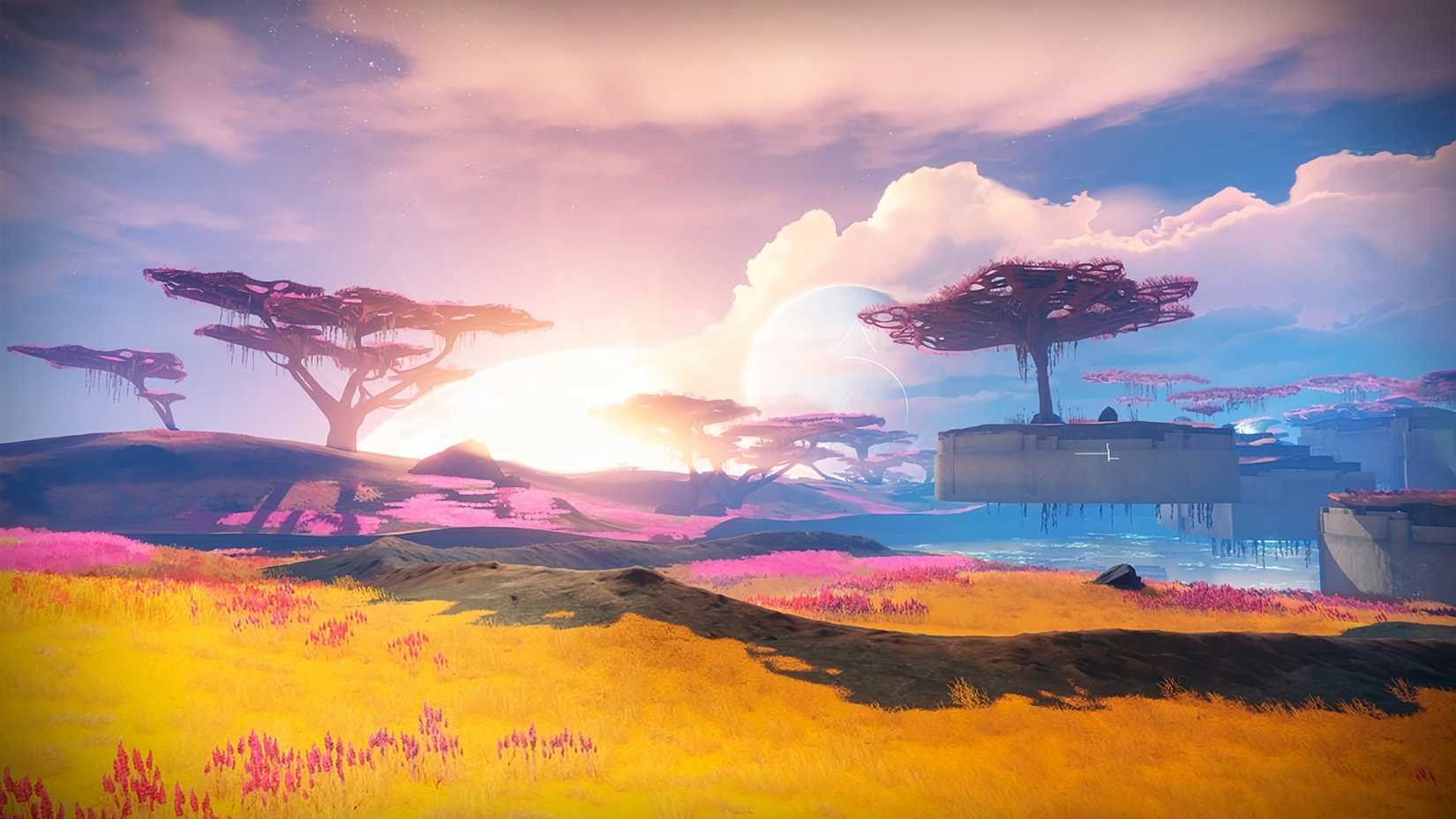
If I could give an exact number for the original Destiny‘s currently active players, I would, because I believe it would provide the best example of what I mean when I say that Destiny 2 will die on June 9. More than likely, the player count is insignificant, and any players who hop back into it with the intent to stick around for the long haul doubtfully do. That’s the unfortunate side of nostalgia. It promises memories you can never actually get back. The same thing will eventually happen with Destiny 2.
Because the live-service game was initially designed to keep players coming back, what happens when they no longer do?
I don’t mean to sound heartless when I say that, because, as a massive fan of Destiny 2, a game that has meant so much to me over the years, letting go of it is one of the hardest things I’ve ever had to do in gaming. I will certainly be one of those that logs in on June 9 for one last hurrah, and I may even play it for a few weeks after that. But I don’t have faith that it will hold my interests for much longer than that. It’s already hard enough no longer having many friends to enjoy it with, and considering the world of Destiny 2 is about to get even lonelier, I’m sure I’ll be logging off with everyone else.
So, calling Destiny 2 “dead” is not really as dramatic as some make it sound. It is simply an acknowledgment of what Destiny 2 has always been. This was a game built around the promise of what comes next, and once that promise is gone, the experience fundamentally changes. Bungie may keep the doors unlocked, and players may keep walking through them for years, but the service that made Destiny 2 feel alive will have ended. For a game like this, that is the end.

- Released
-
August 28, 2017
- ESRB
-
T For TEEN for Blood, Language, and Violence