





Nvidia is facing a firestorm of confusion, skepticism, and outrage over its recent DLSS 5 demo that shows generative AI being used to achieve more photorealistic lighting, and also yassifying the faces of gaming characters. Digital Foundry was one of the outlets that had an advance preview of the tech, and it shared a video breakdown that was positive on the potential of DLSS 5 even as most of the internet was dunking on it.
The team has now addressed some of the backlash to the tech and its own assessment of it in a new Q&A video posted on YouTube. “I’m going to kick off first of all by holding my hand up and saying that yeah, we understand a lot of the feedback to the video and I don’t think we did a good enough job on the day,” site founder Richard Leadbetter said.
“We had a lot to say, not a lot of time to say it, and we went straight from seeing the demos into into making the video. Beyond that, hindsight is a wonderful thing, right? But we should have taken more time with the material and I think it would have been prudent to wait to see the reaction from the audience and the developers to the keynote.”
I think this video does a good job explaining the viewpoints of the team but I wanted to make sure it was clear that I wasn’t feeling up to participate yet thus not in the video. I will share my own thoughts soon but my opinions largely mirror what Alex says in this video! https://t.co/WMvfRTYJyf
— John Linneman (@dark1x) March 18, 2026
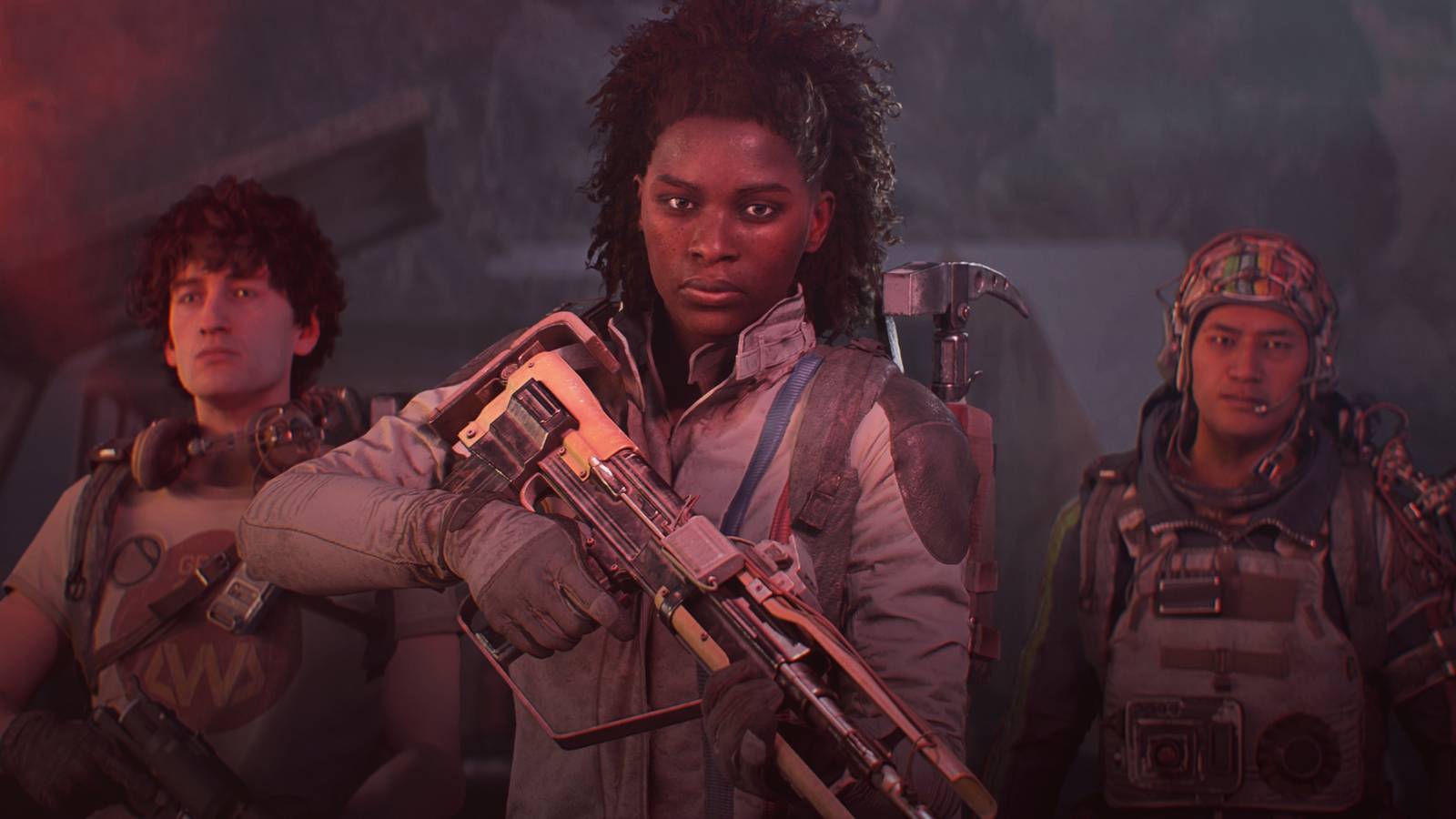
While there is a lot to unpack about DLSS 5 on the technical side, the part that caught most people’s attention were before-and-after comparisons that showed what games looked like once the generative AI tech was enabled. It used training data to add an extra layer of visual fidelity, but also appeared to drastically alter the original look and feel of the games it was applied to, particularly with regard to characters’ faces. One example showed Grace from Resident Evil Requiem looking fundamentally different from her existing model render on console and PC.
“When you first see that shot it’s quite difficult to argue with that when you flick between the two, which one would you rather play?” says Leadbetter at that exact moment in the original Digital Foundry preview of DLSS 5. “It’s a bit of a no brainer, isn’t it?” He and colleague Oliver Mackenzie, who was also involved in the preview, both became targets for the broader backlash to Nvidia’s demo, including getting death threats. It was also clear that other members of the team weren’t all on board with the assessments in the initial video.
“Whenever you’re seeing something new and cutting edge, there’s an excitement you get coming out fresh from those sort of types of encounters and yeah, we can talk strengths and weaknesses about the technology in a bit, but ultimately this is our first real look at games that are being driven by new rendering, right?” Leadbetter said in today’s follow-up video.
I want whatever Rich is smoking pic.twitter.com/qldXh4IkCD
— Jeremy M (@slyzappy15) March 16, 2026
“And there’s a hell of a lot going on here that’s going to be defining the elements of next-generation graphics. But I think we needed extra time to talk with our teammates and come to a consensus about what we’re dealing with here, good and bad, before we put something on the record, and we didn’t do that.”
It’s worth noting, too, that the original analysis was much broader then the parts that got clipped by the rage-bait economy and went viral on social media. It went into detail on the tech and its complexities, noting caveats and debates that would arise from the DLSS 5 imposing its own AI-fueled vision of “reality” when rendering games that function as both technical products and works of art.
But the latest episode of the tech experts’ show also included dissenting opinions from fellow Digital Foundry member Alexander Battaglia and allowed the discussion to go into more nuance. “When I look at a lot of AI-generated features in other media, you see this kind of over-averaging and over-perfecting of things based upon, like, presumably the training data was based upon certain stock images of certain types of people,” Battaglia explained.
“And so I kind of got that out of that where the unique character model of Grace was completely gone. Ethically, I find that very problematic because the actress probably signed off on her likeness to a certain degree and I don’t find that very good to do to someone’s acting performance,…just like in terms of taste. George Lucas messing with [the original Star Wars films], you know, pisses me off.”