



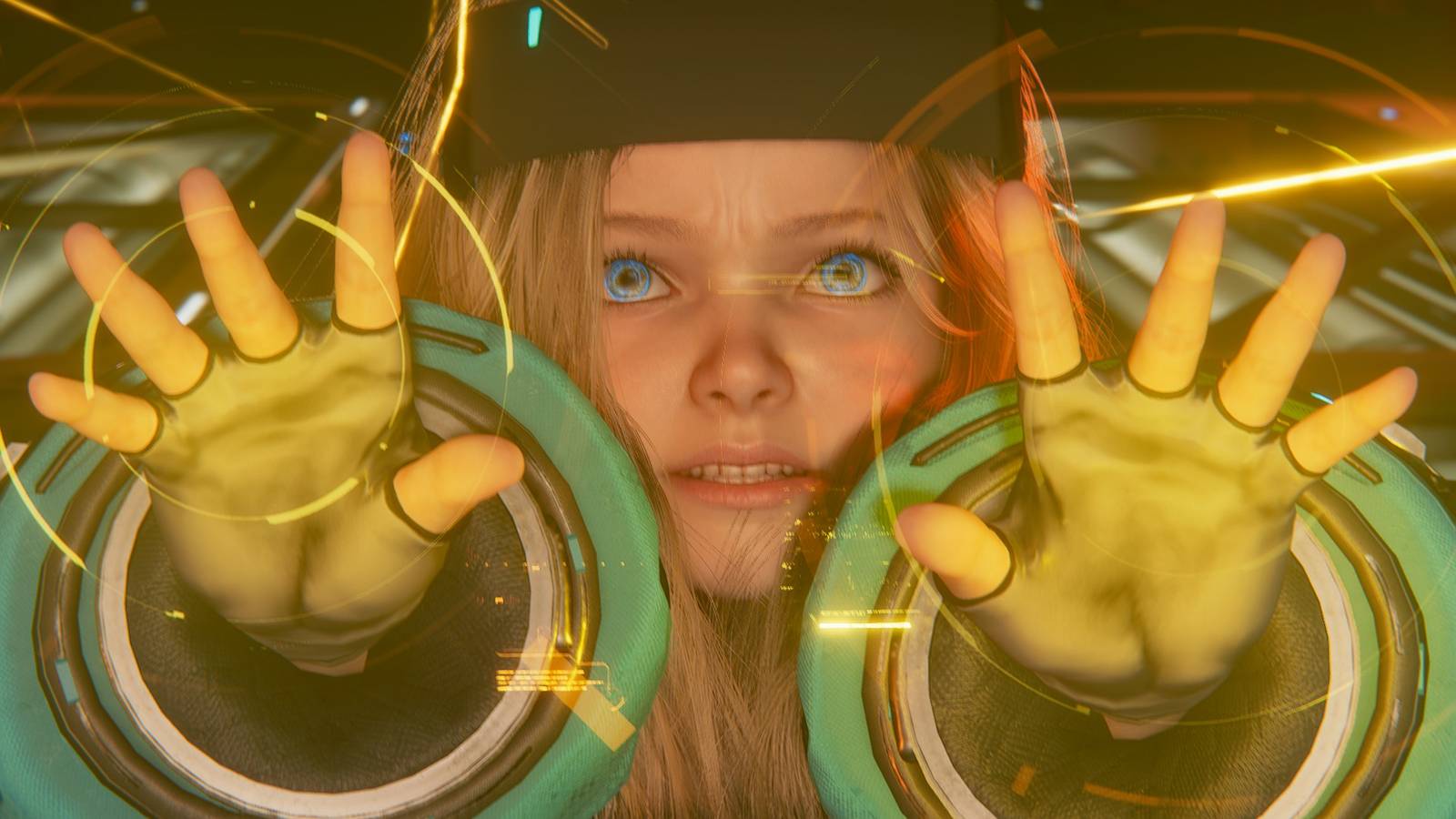
Pragmata might not be getting the same love as other 2026 hits like Resident Evil Requiem, but it’s still gotten a good bit of traction, especially for a new IP. To be more specific, Pragmata has cult classic written all over it, and it’s not hard to see why its characters, world design, lore, and gameplay have appealed to so many.
It’s a weird one, though, to the point where a non-negligible percentage of the Pragmata discourse has centered on half-joking, half-earnest questions about its Hideo Kojima influence. You can see the resemblance: Pragmata is set in a strange near-future world with magic-adjacent tech, its gameplay is flexible and unconventional, and its sleek, bulky moonpunk aesthetic all feel like they could have come from the Metal Gear creator. Many believed its marketing took a bit after the auteur’s own methods, too. Even the suit worn by Pragmata’s protagonist feels like it could be dropped into Death Stranding and no one would bat an eye. Of course, Kojima did not work on Pragmata, and after playing most of the game myself, I have to say that that’s not actually all that surprising.
6 Things That Make Hideo Kojima Games Unique
When jumping into a new game, there are always some dead giveaways that it was designed by Hideo Kojima
Is Pragmata a ‘Kojima-Like’?
While I certainly understand why some players might draw parallels between Pragmata and games like Death Stranding, I think most of these connections are cursory or overexaggerated. There are some broad-strokes aesthetic and narrative elements shared by Pragmata and Kojima’s most famous IPs, but these don’t quite permeate the surface-level. For instance, Pragmata’s mechs are similar to those found in some Metal Gear games, but also in various anime and manga, including Evangelion and Mobile Suit Gundam.
Scratch & Peek


Identify the cover art while scratching off as little foil as
possible.
Identify the cover art while scratching off as little foil as possible.
EasyMediumHardPermadeath
In general, there’s a tendency to conflate “weird” and “Kojima-inspired” when it comes to games. For many gamers, especially those less familiar with Kojima, weirdness may actually be the defining feature of his work. And while I don’t argue that both Pragmata and Kojima’s portfolio are weird, they’re weird in different ways. A series like Metal Gear is about complex techno-political commentary, and is, in many ways, very grim and depressing. Pragmata touches on darker themes as well, but it’s much more about swashbuckling adventure and heroics than cerebral, obsessively detailed musings about war, identity, governance, or the afterlife.
Pragmata Is Much More Similar to Yoko Taro’s Work Than Hideo Kojima’s
If you’re seeking a cultural touchstone to measure against Pragmata, don’t look at Hideo Kojima—look at Yoko Taro. Best known for creating the Drakengard and NieR franchises, Taro’s games are characterized by their impeccable, flamboyant style, unusual but fast-paced combat, and deceptively complex fictional worlds. If you’ve just played Pragmata, these descriptors may sound familiar to you. Ultimately, Pragmata is much more similar to NieR: Automata than anything in Kojima’s catalog.
What’s worth honing in on, in particular, is Pragmata’s presentation and delivery. In a Kojima game, monologues or exceptionally long cutscenes tell players perhaps more than they need to know at times; this sort of exposition overload is one of Kojima’s most polarizing tendencies. But Yoko Taro prefers to drop players into a bizarre world, not necessarily drawing attention to its alien nature, and allow them to put the pieces together themselves. This sort of stark objectivity, which is conveyed as a lack of self-consciousness, defines Taro’s games, as it does the unapologetically quirky, stylish Pragmata.
Whether It’s Influenced by Kojima or Taro, Pragmata Is Awesome


It’s fun to compare unlike things—we wouldn’t have metaphors and similes if it weren’t—but such thinking can also be limiting. At the end of the day, Pragmata’s strength lies in the fact that it is trying something new, not aping another game’s mechanics or identity. I could compare the game to the works of not only Kojima and Taro, but also PlatinumGames founder Hideki Kamiya, and even the burgeoning portfolio of Stellar Blade director Kim Kyung-tae—but to do so would be reductive. Yes, Pragmata has a lot in common with these games and others, but its puzzle-combat gameplay, simple but inspired level design, and rewarding build-crafting systems, among other things, combine to set it apart.
In other words, Pragmata has the X-factor that makes franchises like Metal Gear so enduring, even after so many years without new entries. Perhaps the greatest similarity Pragmata has to such titles is its uniqueness, and perhaps, sensing that, some gaming audiences have drawn a connection between it and Kojima’s work. But this connection is more spiritual or theoretical than literal and quantifiable. You can call it creativity, but every video game team is fundamentally creative. I would better classify this quality as bravery, the bravery to stick to bold, uncertain, and/or “weird” ideas, rather than follow trends or play things too safe. It’s an unfortunately uncommon practice in the entertainment world, but as an unabashed Kojima fan, I most certainly encourage it.

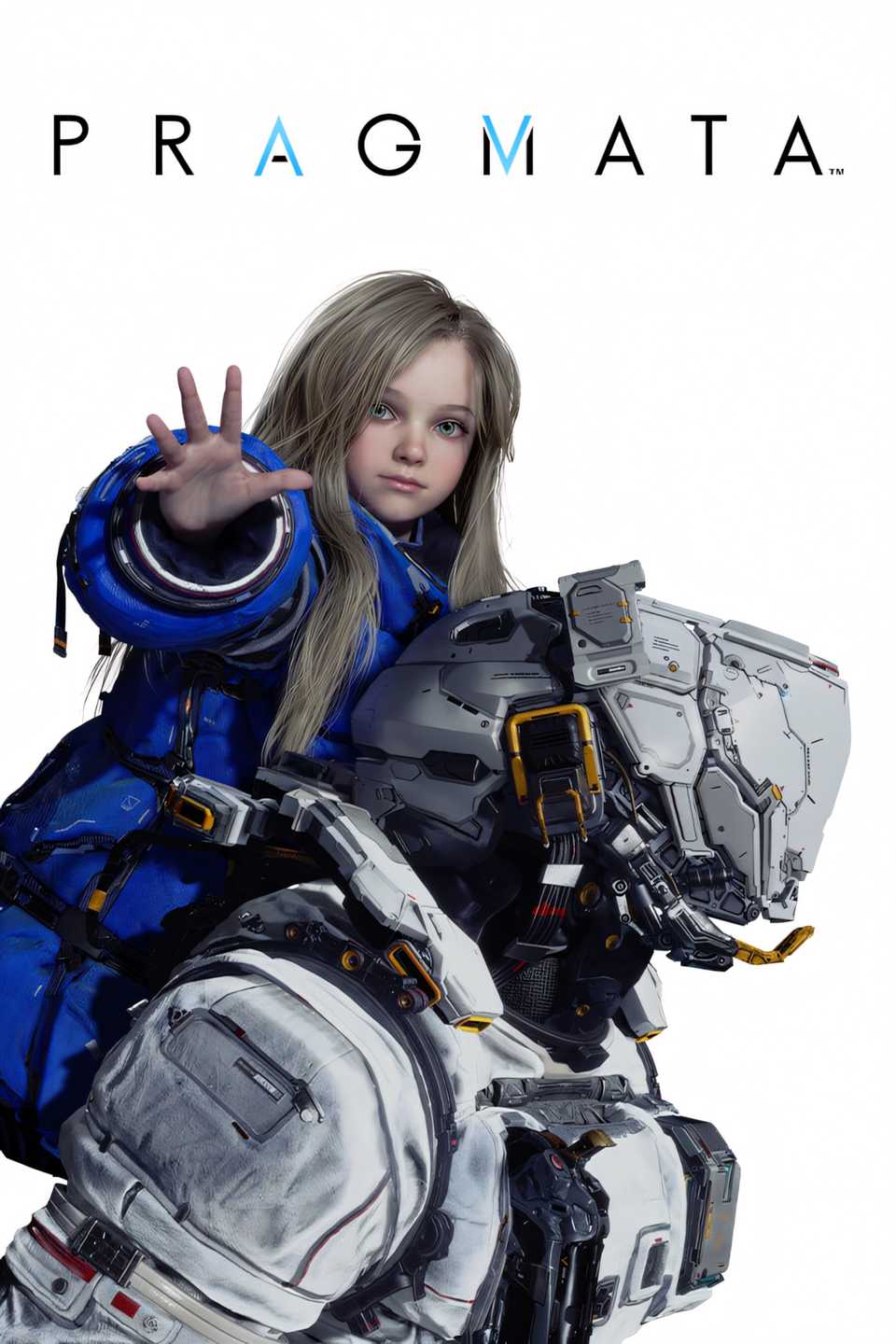
- Released
-
April 17, 2026
- ESRB
-
Teen / Language, Violence, In-Game Purchases