

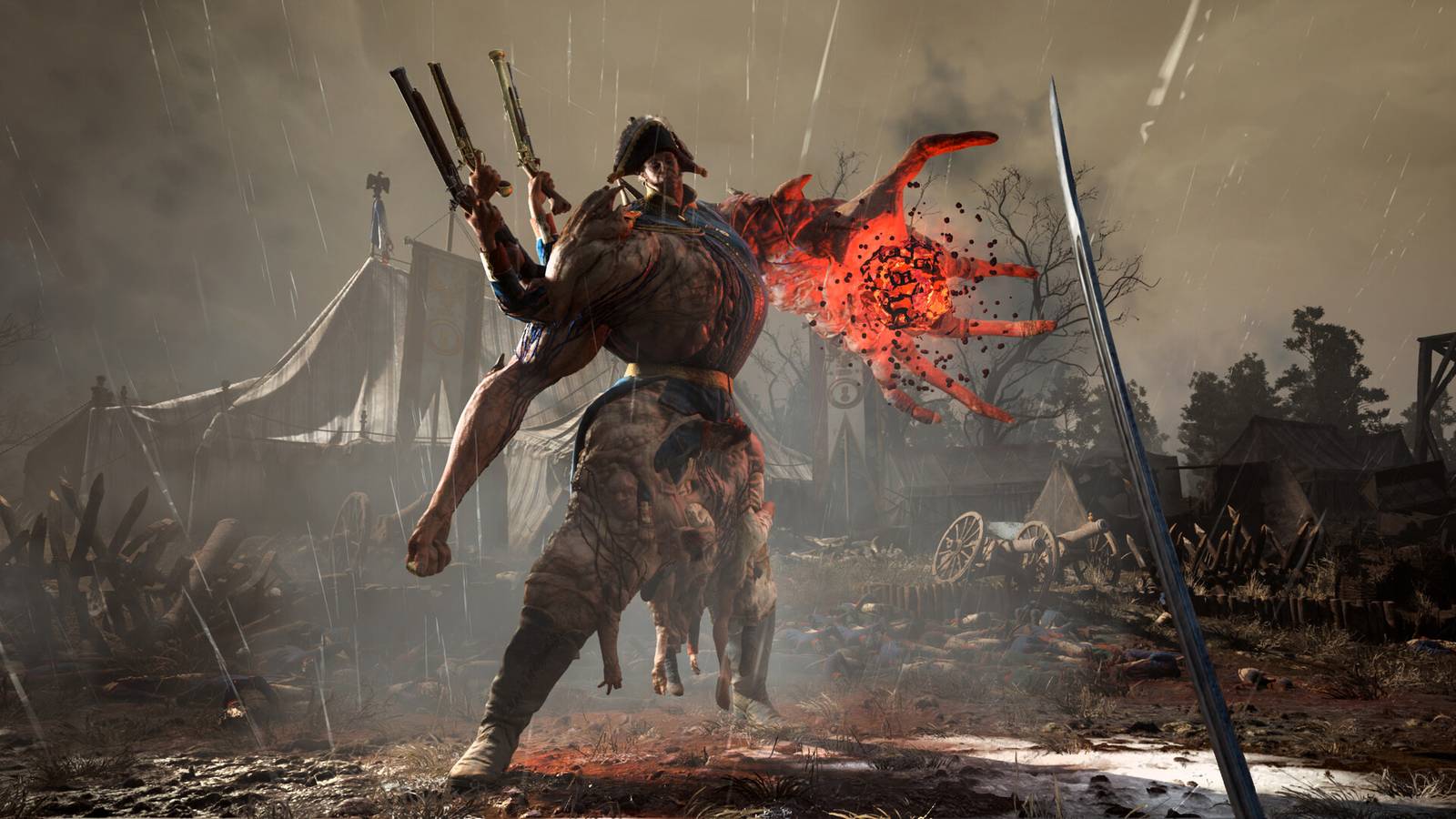


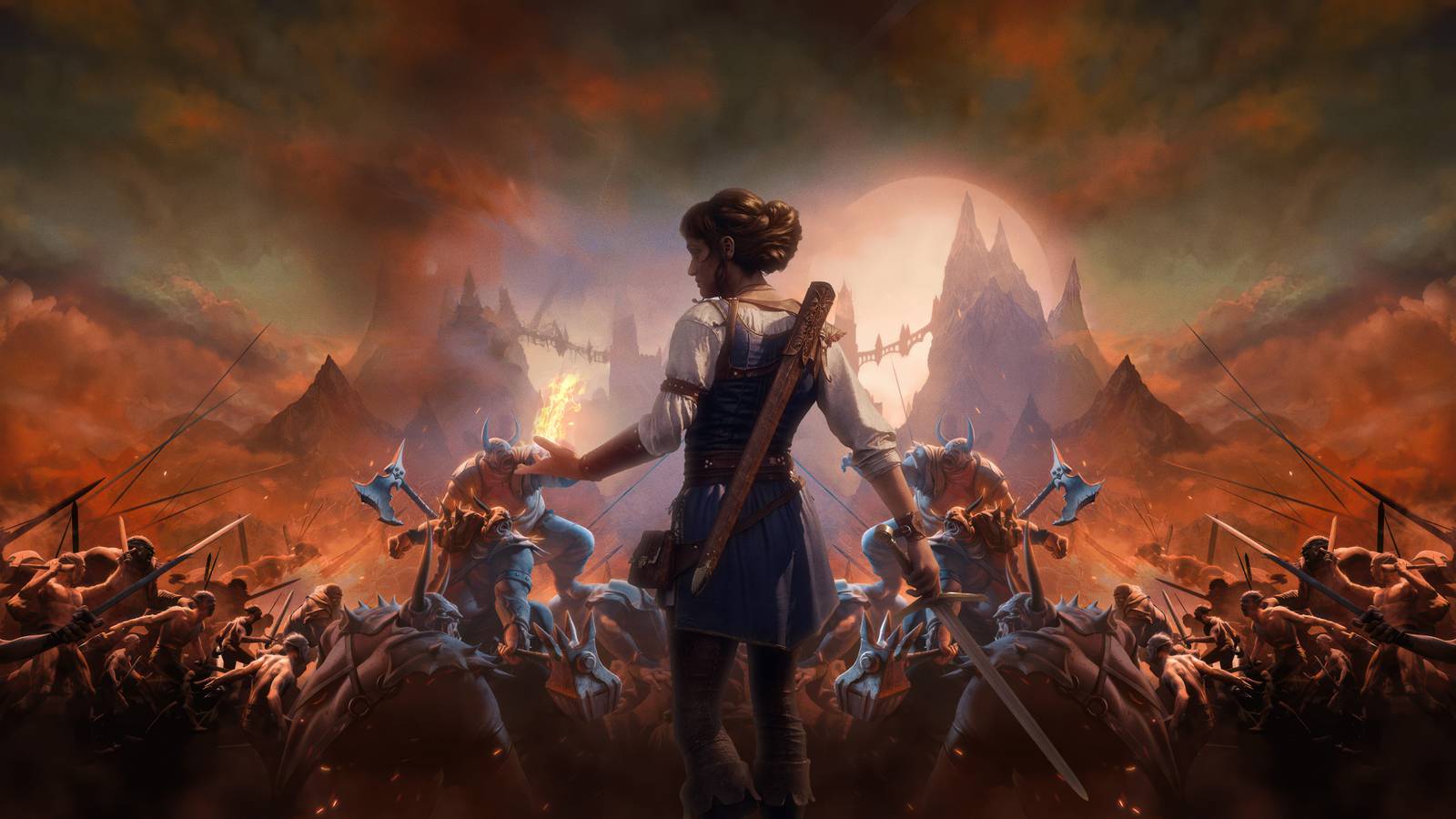
With Fable now pushed back once again all the way to February 2027, the wait for Playground Games’ highly anticipated reboot is starting to feel a bit tiresome, and Xbox doesn’t have much else in the fantasy RPG lane to fill the gap in the meantime. There is, however, a perfect game out there that fits the bill in almost every regard: Kingdoms of Amalur: Re-Reckoning, a genuinely excellent open-world RPG that never found the audience it deserved and offers a strikingly similar promise of total build freedom, seamless melee/ranged combat, and a sprawling world built to be wandered rather than checklisted.
The comparisons to Kingdoms of Amalur: Re-Reckoning aren’t a stretch, as both games hand you a hero unbound from a fixed class, both give you all the tools to fight exactly how you choose, and both put free exploration ahead of rigid confines, ensuring the fantastical world truly feels like yours to conquer. Kingdoms of Amalur never became the franchise EA hoped for when it launched in 2012, and its 2020 remaster didn’t change that fortune much either, but a decade on, it’s aged into one of the more overlooked action-RPGs of its generation, and there’s no better moment to finally give it a look.
Kingdoms of Amalur: Re-Reckoning Is The Perfect Fable Replacement

Kingdoms of Amalur: Re-Reckoning Key Features
- OPEN-WORLD RPG: Explore five distinct regions packed with quests, dungeons, and hidden areas.
- CLASSLESS PROGRESSION: Mix Might, Finesse, and Sorcery abilities however you want.
- DESTINY SYSTEM: Unlock powerful character archetypes based on how you spend skill points.
- ACTION-HEAVY COMBAT: Chain melee attacks, magic, dodges, parries, and weapon abilities together.
- WEAPON VARIETY: Use greatswords, daggers, bows, chakrams, staves, faeblades, and more.
- FATESHIFTING: Build Fate energy to enter Reckoning Mode and brutally finish enemies.
- DEEP CRAFTING: Create weapons, armor, potions, and gems through multiple crafting systems.
- FACTION QUESTLINES: Join several factions with their own stories, characters, and rewards.
- TONS OF SIDE CONTENT: Take on hundreds of quests beyond the main storyline.
- CHOICE-DRIVEN BUILDS: Respec your character and completely change your playstyle.
- REMASTERED PRESENTATION: Features improved visuals and gameplay balancing over the 2012 original.
- BUILT-IN DLC: Includes The Legend of Dead Kel and Teeth of Naros expansions.
Kingdoms of Amalur: Reckoning launched in February 2012 with a pedigree that should have guaranteed it a long life. With several game design and writing legends at the helm, who had worked on world-class RPGs like The Elder Scrolls IV: Oblivion, the initial wave seemed promising, with the game selling over a million copies in its first weeks, which by most standards would count as a success. For 38 Studios and the higher-ups at EA, it simply wasn’t enough, and the studio collapsed within months, squashing any chances of a sequel and killing the planned MMO spin-off, leaving Kingdoms of Amalur as an orphaned single-player game with no franchise behind it.
It’s a shame, because the game underneath all that corporate collapse holds up remarkably well, and more specifically, the 2020 remaster cleans up the frame rate, introduces all the original’s DLC content, and rebalances some of the more broken end-game builds, without touching what actually made the game special. Also, what the remake did was give the game a second lease on life, ironing out the rough edges and reviving it for a more contemporary audience, whilst still ensuring that it ran well on even lower-tier rigs. Suddenly, you could experience an AAA-quality RPG in the modern day that had all the QOL fixes you could ever want, yet still felt authentic and old-school compared to a lot of the more mainstream titles today.
Diving into the game itself, at the center of Kingdoms of Amalur is the Fateless One: a hero resurrected by a device called the Well of Souls who, in the process, is severed from the threads of Fate that govern everyone else in the world. Every other person in Amalur, whether they be mortal or fae, has a destiny they’re locked into, but your character doesn’t. Narratively, that’s the hook for a fairly standard chosen one plot, but mechanically, it’s the setup for one of the most elegant class systems the genre has produced.
What the remake did was give the game a second lease on life, ironing out the rough edges and reviving it for a more contemporary audience, whilst still ensuring that it ran well on even lower-tier rigs.
Rather than picking a class at the start and living with it, you invest points in three skill trees—Might, Finesse, and Sorcery—and can freely mix them at any ratio. Pour everything into Might, and you get a straightforward warrior; split evenly between Finesse and Sorcery, and you get a battlemage who teleports behind enemies before detonating them with fire. The game rewards this hybridization with Destiny cards, unlocked once enough points sit in the right trees, which grant passive bonuses tuned to whatever combination the player has actually built. Nothing is locked out, and nothing is wasted.
The combat is where that freedom actually gets used to its fullest. You can carry a full loadout of weapon types at once, which means that your pockets can hold anything from longswords to chakrams to bows, and more, and you are able to swap between them mid-fight without breaking the combo they’re building. Landing hits fills a Fate meter that, once full, triggers Reckoning mode: a brief window where enemies can be executed in slow-motion finishers that chain into stylish area attacks that decimate everything else standing nearby. It’s flashy in a way few other games in the genre commit to, and it never really stops being fun across a campaign that can easily set you back 40+ hours.
Kingdoms of Amalur Already Has a Lot of What Fable Is Promising
This is where the Fable comparison really lines up and why I think playing Amalur now is the best way to satiate that fantasy hunger. The developers have been explicit that the 2027 reboot’s combat will let players weave several different weapon types together in real time, instead of committing to a fixed loadout, and that character building will emphasize freeform customization over locked archetypes. That is, almost beat for beat, the pitch Amalur already delivered thirteen years ago, and again with the remake. Fable is also promising an open world with no region gates or quest-level walls, letting you wander Albion however you like from the get-go, something which is again the exact structure that Amalur’s Faelands were built around, even though the side content can get a bit repetitive at times.
There are some distinct differences where the two games diverge, notably the tone, with Fable leaning hard into British dark comedy and borderline life-sim mechanics like buying properties and holding down odd jobs, whereas Amalur plays its high fantasy straighter, closer to a more grand Tolkien-style epic, even if the writing has its share of wit as well. Neither approach is better, but it means Amalur isn’t simply a blanket substitute for Fable’s, more that it is a precursor to a similar yet distinctly different experience that we will hopefully see in the next few months, assuming it doesn’t get delayed again. So, if you are a long-time Fable fan, or a newcomer that is firmly on the hype train, why not give Kingdoms of Amalur: Re-Reckoning a go, as the remake is the most definitive and polished version of a game that so many missed when it launch, but even more would have loved.

Kingdoms of Amalur: Re-Reckoning

7/10
- Released
-
September 8, 2020
- ESRB
-
M For Mature 17+ Due To Blood and Gore, Intense Violence, Suggestive Themes
- Developer(s)
-
38 Studios, Big Huge Games, KAIKO GmbH