







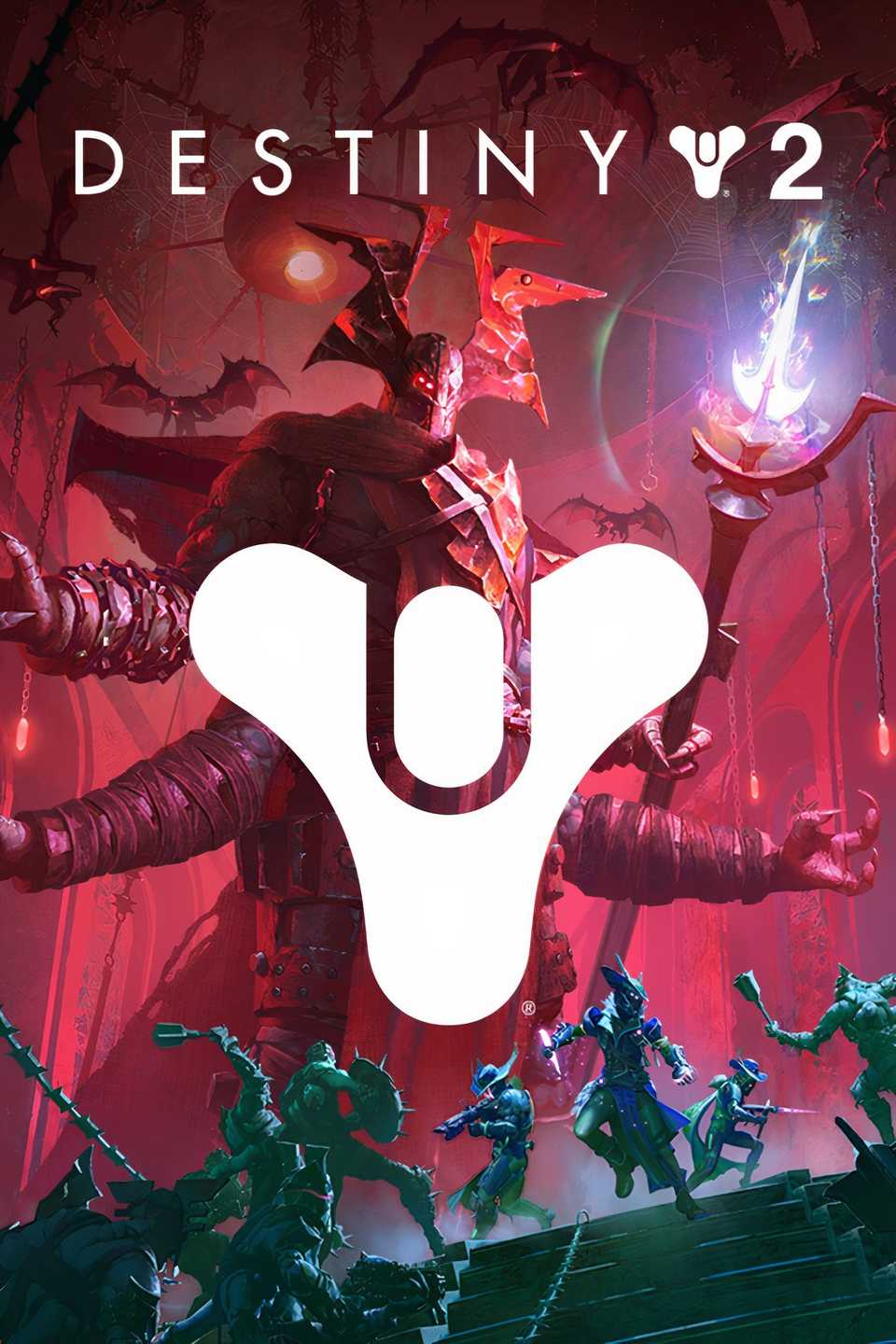
Tim Sweeney, founder and CEO of Epic Games, suggested that if Bungie had resorted to creating content using AI, the now-abandoned Destiny 2 would have survived. Sweeney is known for his controversial views on the use of AI in the gaming industry, often taking jabs at Epic Games’ competitors for their relatively anti-AI policies. However, his comment on Destiny 2‘s fate is now drawing significant backlash against him.
On June 29, Forbes’ Paul Tassi published a report claiming to reveal two of the most important reasons behind Destiny‘s failure. According to Tassi’s anonymous insider source, aside from leadership mistakes and Bungie’s mismanagement of the IP, another factor that contributed to Destiny 2‘s unfortunate downfall was “the enormous scale of content that had to be produced nonstop,” while the game “was only very rarely profitable during its entire lifespan.” Reacting to this report, the Epic Games CEO suggested that Bungie might have been able to save the game with generative artificial intelligence.
Vampire Survivors Dev Reconsidering Fortnite Collab Over GenAI Concerns
Vampire Survivors developer Poncle might step away from the recently announced crossover with Epic Games’ Fortnite due to the company’s use of genAI.
‘If Only There Were a Tool to Mass Produce In-Game Content’
Over on Twitter, Tim Sweeney replied to Paul Tassi’s post, saying, “If only some sort of newfangled technology could come along and make it possible to overcome bullet point #1 and enable games like Destiny to thrive!” By “bullet point #1,” he was referring to one of the alleged reasons for Destiny 2‘s end of support, namely the enormous volume of content the development team had to produce continuously. In essence, Sweeney appeared to suggest that generative AI could have helped mass-produce assets or in-game content, potentially allowing the team to keep up with player demand while reducing costs and, in his view, saving Destiny 2.
What’s That Weapon?


Identify the silhouettes before time runs out.
Identify the silhouettes before time runs out.
Easy (7.5s)Medium (5.0s)Hard (2.5s)Permadeath (2.5s)
This is not the first time Sweeney has made controversial comments regarding generative AI in games. In June 2026, he also said Steam should stop imposing AI disclosure requirements on its storefront, calling it “irresponsible.” He argued that forcing developers to reveal AI use could trigger backlash against them and prevent their creations from thriving. To support this view, he previously compared Steam’s policy to forcing developers to disclose what brand of shampoo they use, a comparison many fans found irrelevant.
There is still an undeniable stigma around the use of generative AI in video games, as well as in many other art forms. As a result, Sweeney’s comment has been viewed by many as both inconsiderate and somewhat irrational. The counterargument is fairly straightforward: Many believe he is overlooking the reality that AI-generated content has not been proven to save any game, and that his stance blatantly ignores the potential copyright infringement issues associated with generative tools.
Given his track record of controversial comments on AI, Sweeney is unlikely to be affected by the current backlash from the Destiny 2 community, nor is he likely to change his stance on generative AI. However, it is clear that the situation surrounding Destiny 2 is far more complex than Sweeney’s comment suggests, and hardly any fans would agree that generative AI, a tool often criticized for sloppy outputs, hallucinations, and errors, would be the key to saving the beloved Destiny franchise.

- Released
-
August 28, 2017
- ESRB
-
T For TEEN for Blood, Language, and Violence