


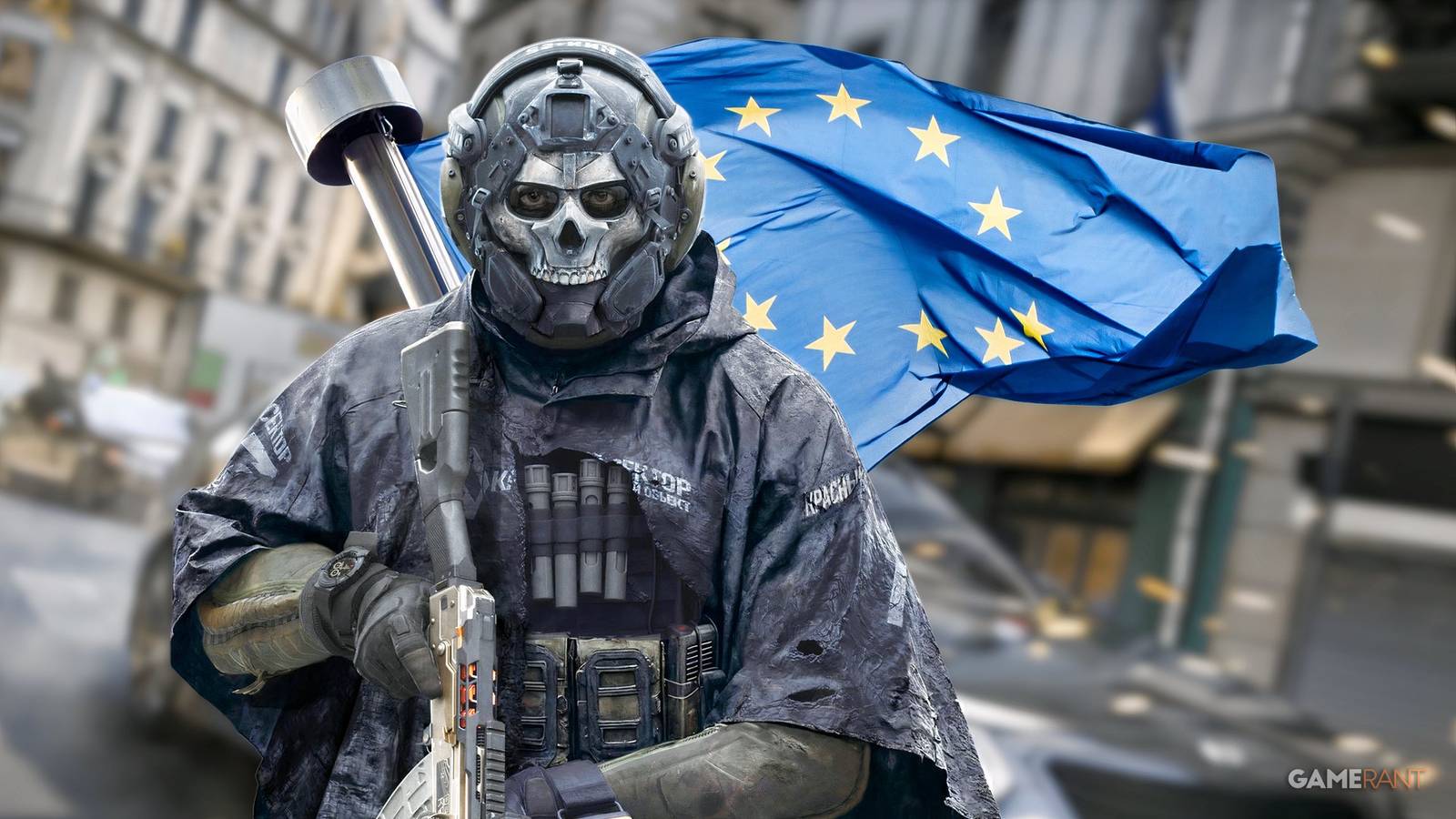




The European Commission has announced it will take action against Call of Duty Mobile, Minecraft, and nine other games that have failed to comply with its new microtransaction-related rules. In 2025, the EU published the Key Principles on In-Game Virtual Currency, a set of rules for in-game purchases. Now, the Commission says many video game companies, including those behind Call of Duty Mobile and Minecraft, have failed to follow the new regulations, prompting it to take further action.
The Key Principles were provided by the Consumer Protection Cooperation Network, or CPC Network for short. The principles call for clear real-world pricing, the removal of cost-obscuring currency exchanges, and an end to forced bundle purchases. They mostly target in-game purchases like loot boxes, which have already been banned or heavily regulated in some other countries.
List of Video Games Targeted by New European Commission Actions

- Call of Duty Mobile
- Diablo Immortal
- Minecraft
- Valorant
- Clash of Clans
- For Honor
- Hunt: Showdown 1896
- Forge of Empires
- Candy Crush Saga
- Mech Arena
- Gardenscapes
The new European Commission and CCP Network statement says, “Some video game business models and design practices harm consumers, especially vulnerable groups such as children.” It also adds, “Consumers across Europe should be able to play and interact with video games without being tricked into spending more money or time on video games than they want.” Therefore, the two groups will start a joint action against major developers and publishers, including Activision Blizzard, Mojang, and Ubisoft, companies behind popular game franchises such as Call of Duty, Minecraft, and Assassin’s Creed.
Find the odd one out before the timer hits zero.
The CCP Network says the coordinated action against these video games will require them to follow several rules: provide clear and transparent pricing, avoid obscuring costs, avoid forced currency purchases, provide clear information before a purchase, respect the right to withdraw, use fair and easy-to-understand terms, and protect vulnerable consumers. The group has also asked other video games with aggressive microtransactions to review their policies and comply with these regulations before the committee takes action against them.


- Released
-
October 1, 2019
- ESRB
-
r
- Engine
-
Unity
Source: European Union