



2026 has already been a pretty great year for open-world RPGs, with several promising upcoming titles also scheduled for the fall season. From long-awaited sequels and free-to-play releases to faithful remakes and brand-new IPs with potentially bright futures, fans of the genre already have their hands pretty full. Some might even need extra time in 2027 to finish everything released this year.
While it is pretty much impossible to count “every” new open-world RPG released in 2026 so far, this list will focus exclusively on major titles that made a noticeable impact, with no early access games included. Also, while critic and player scores contribute to the “official” ranking, they aren’t definitive, so some games may rank higher or lower based on my personal judgment. Even with these rules, there are plenty of interesting and varied titles to cover, so let’s just get into it.
“Where’s Crimson Desert?”
One thing that needs clarification is the ongoing debate over whether Crimson Desert belongs to the RPG genre. Pearl Abyss specifically calls it an action-adventure rather than a full-fledged RPG, and it’s easy to see why. The game places a strong emphasis on puzzles and traversal mechanics, features non-traditional combat scenarios such as clearing waves of respawning enemies in camps and fortresses, and offers relatively light skill trees, little build variety, and almost no branching quests or ways to influence the story. Crimson Desert is at its best as an open-world adventure with tremendous freedom of exploration. Still, if you are convinced it belongs in this ranking, it would probably land somewhere in the Top-3 games here.
8
The Division Resurgence
It’s Like the Successor, but Backwards
- Global Steam Reviews: 47% Positive
- OpenCritic Average: 75
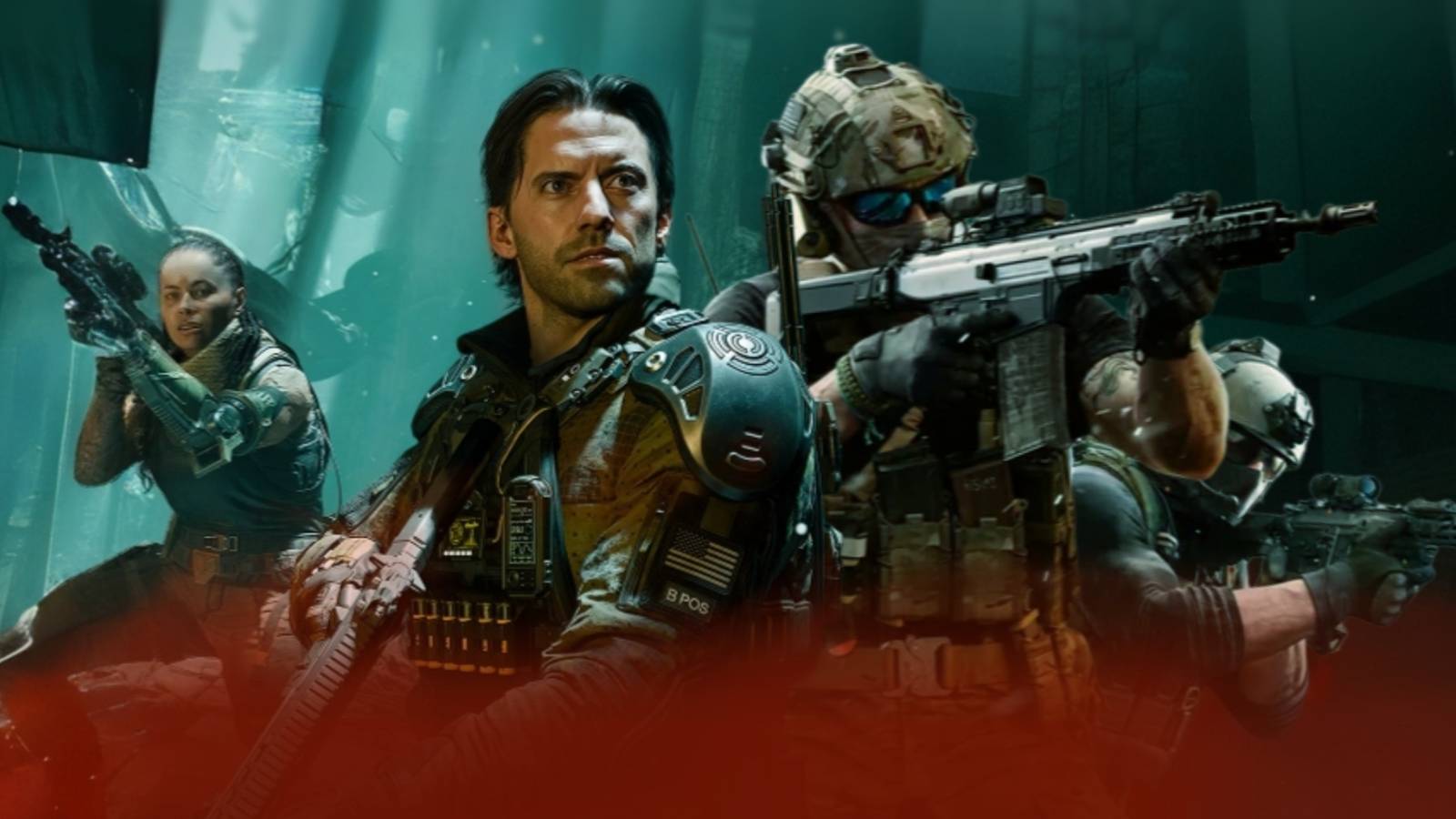
More of an honorable mention, Tom Clancy’s The Division Resurgence was originally developed for mobile and later ported to PC. It is unlikely to impress the series’ hardcore fans unless they have completely run out of content in the previous installments. The game often feels like a watered-down version of The Division 2, which becomes especially apparent when compared to the latter’s more than seven years of active support, with Ubisoft still showing no signs of stopping.
Still, for casual players looking for a decent tactical looter shooter, The Division Resurgence could be worth trying, especially since it is free-to-play and retains much of the series’ signature DNA. Naturally, you’d better be prepared for a heavy grind and considerably less content variety than its predecessors offer.
7
The Seven Deadly Sins: Origin
Falling Into the Same Old Traps
- Global Steam Reviews: 60% Positive
- OpenCritic Average: 70
Despite its intriguing premise, apparent ambition, and richly realized world of Britannia, The Seven Deadly Sins: Origin ultimately disappoints, falling into largely the same familiar traps associated with free-to-play titles built around gacha mechanics. Overall, the game simply feels too heavily inspired by Genshin Impact, which is unsurprising but ultimately holds it back.
From excessively gated progression and repetitive quests and activities to a weak endgame and an underutilized setting, the game never seems to fully realize its potential. On top of that, it suffers from persistent technical issues and general jank. There’s still some fun to be had in Britannia, especially during the initial hours filled with discovery, but ultimately, The Seven Deadly Sins: Origin is among the least essential titles of the year in this segment.
6
Code Vein 2
One Step Forward, Two Steps Back
-
-
-


- Global Steam Reviews: 65% Positive
- OpenCritic Average: 73
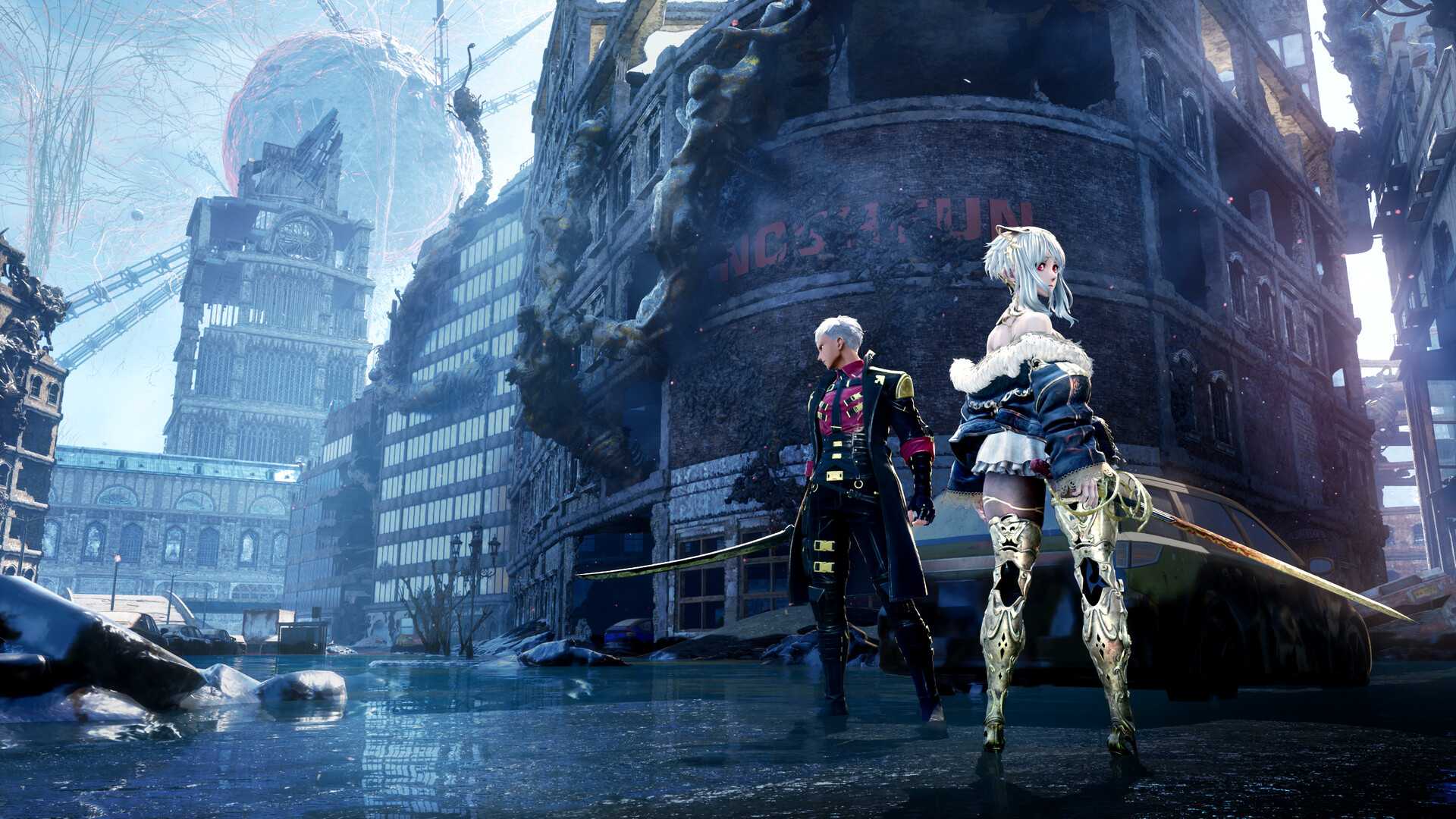
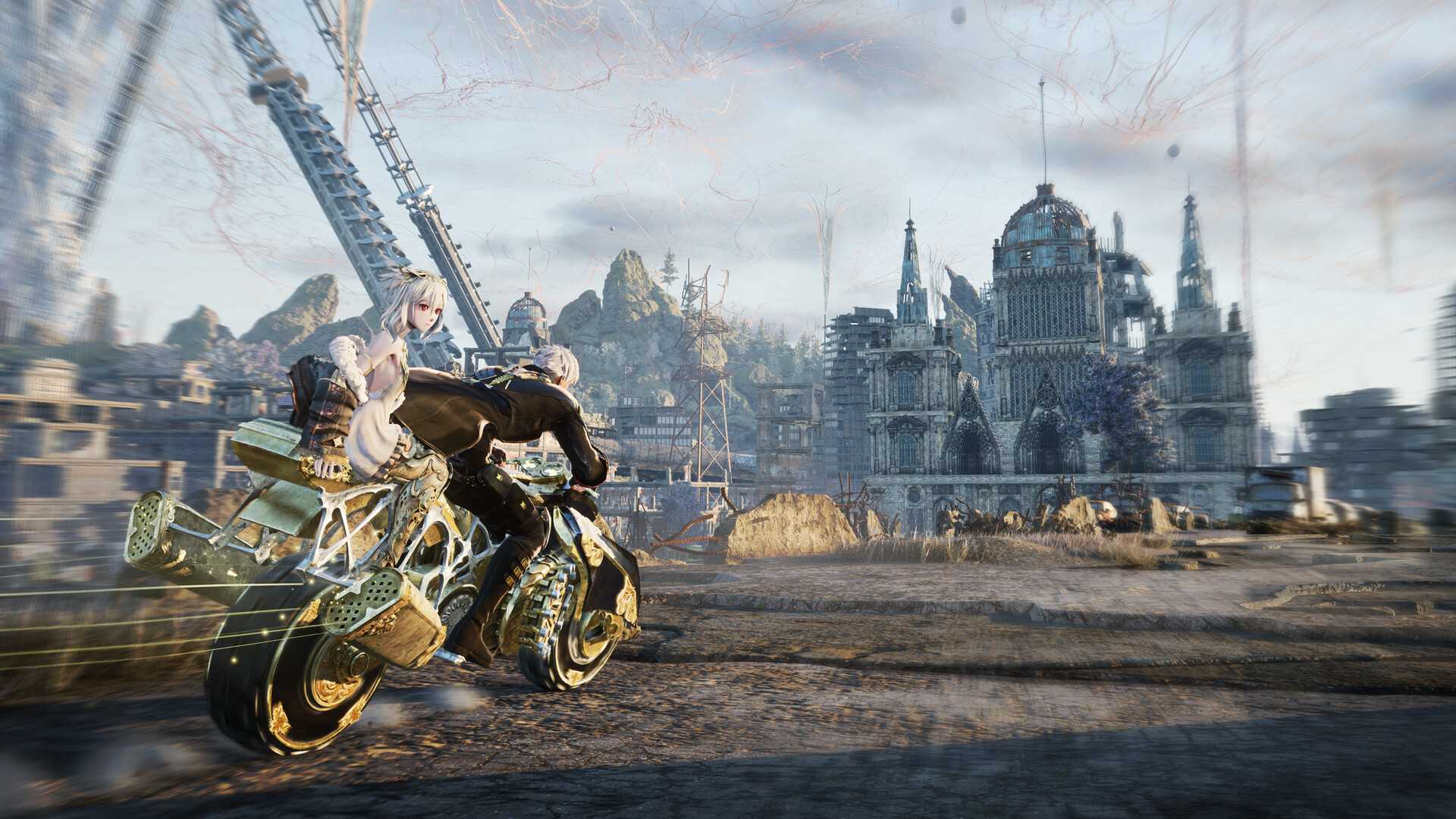
Arriving many years after the original, Code Vein 2 is another title that leaves a bitter taste in one’s mouth, especially when thinking about “what could’ve been” or comparing it to other soulslikes released in 2026. Unlike most games here, the sequel’s biggest sin is probably its decision to go fully open-world, resulting in a poorly realized, bloated, and repetitive playground that only dilutes the package’s strongest pillars. The uneven world design and limited variety in enemies, environments, and even bosses cause fatigue to set in long before the ending.
Still, Code Vein 2 notably improves upon the original mechanically, offering better combat options and making it much easier to experiment with a greater variety of builds. Its more flexible design also makes the game approachable, as there are always new directions to explore instead of getting stuck on a single obstacle.
Nioh 3 is excluded from this list because the developers specifically describe it as an “open-field,” interconnected zone-based game rather than a full open-world like Rise of the Ronin.
5
NTE: Neverness to Everness
A Wee Bit Away From Becoming the Benchmark
-
Neverness To Everness trailer city overlook -
-

- Global Steam Reviews: 83% Positive
- OpenCritic Average: 71
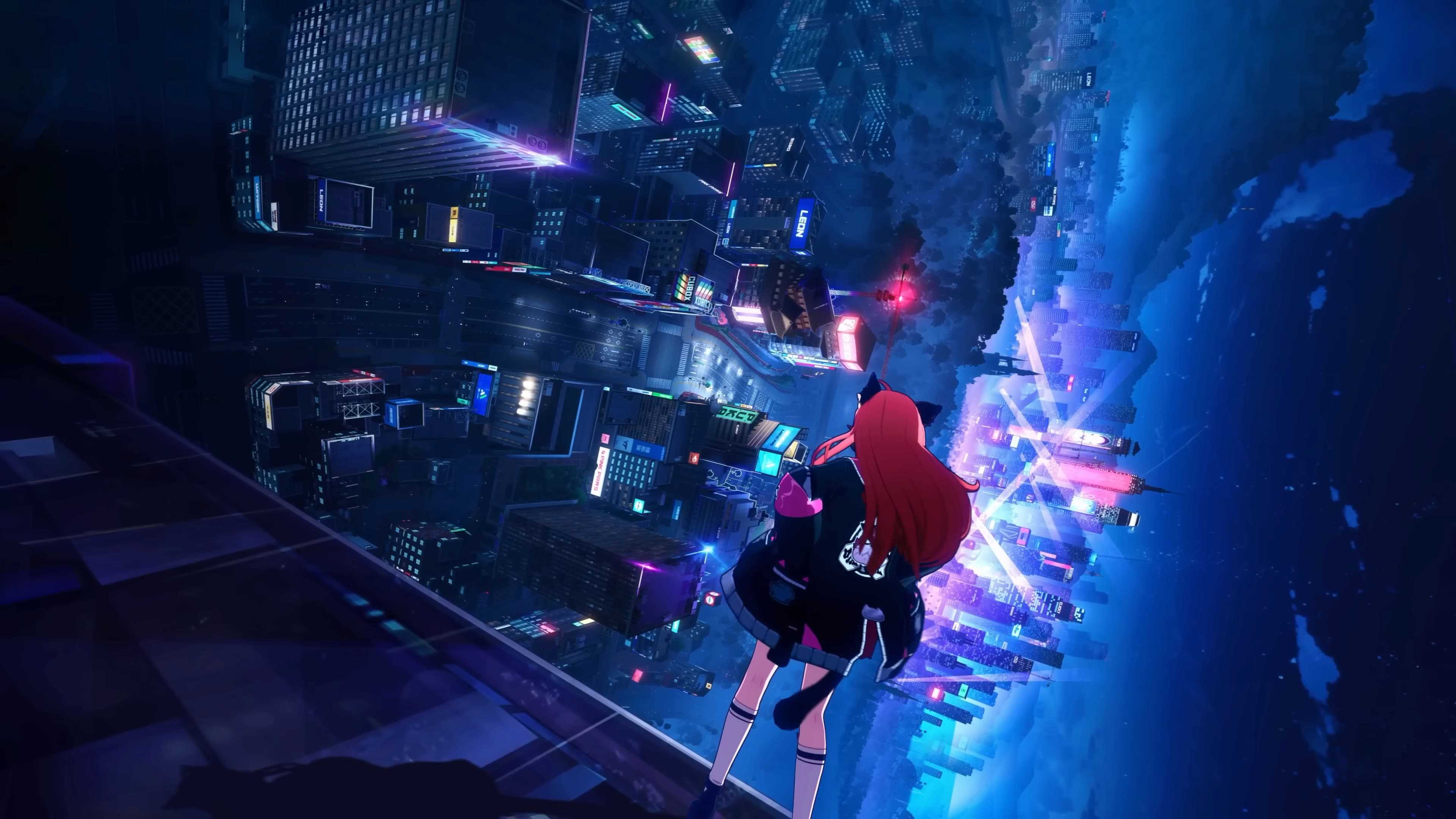
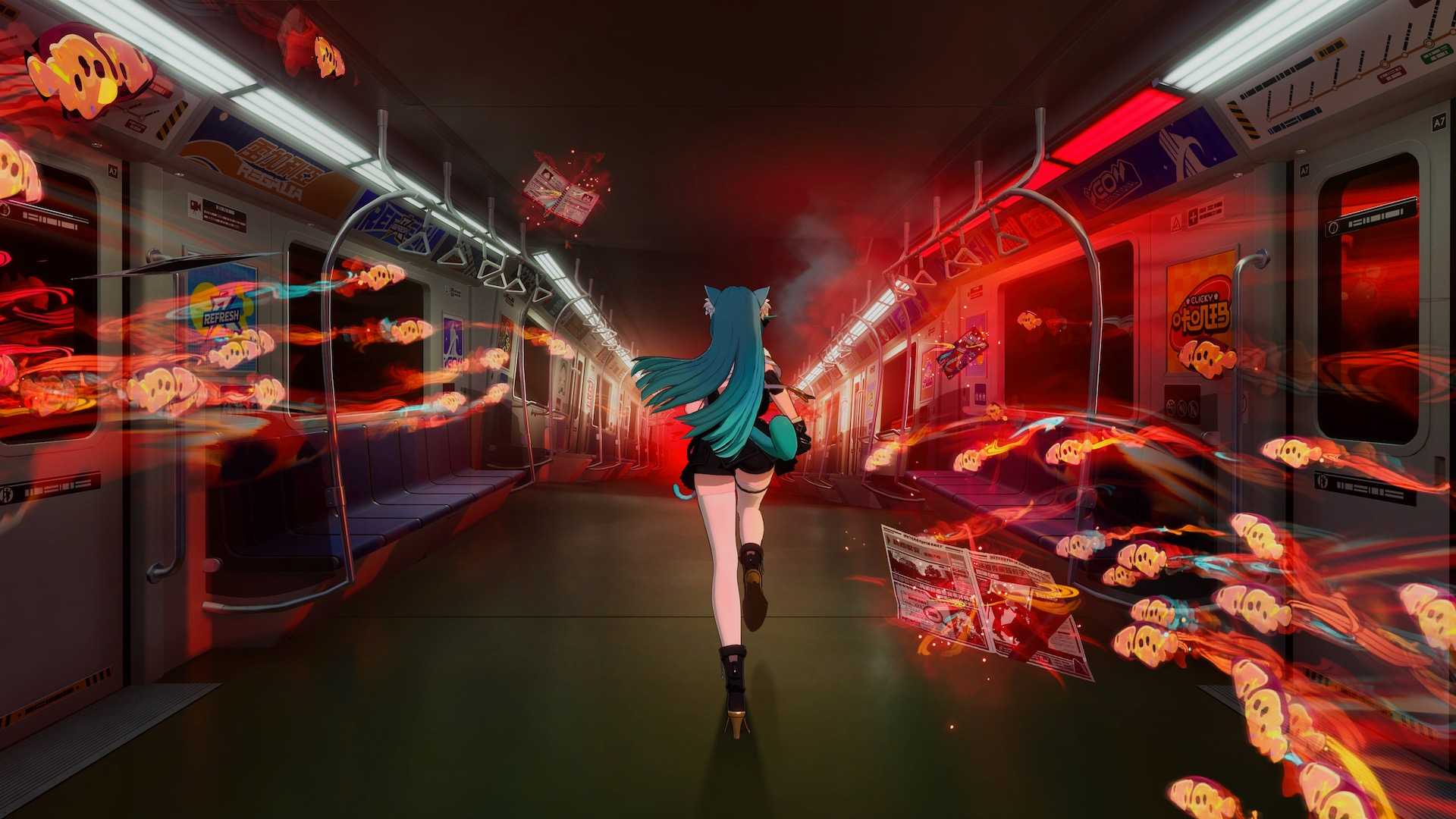
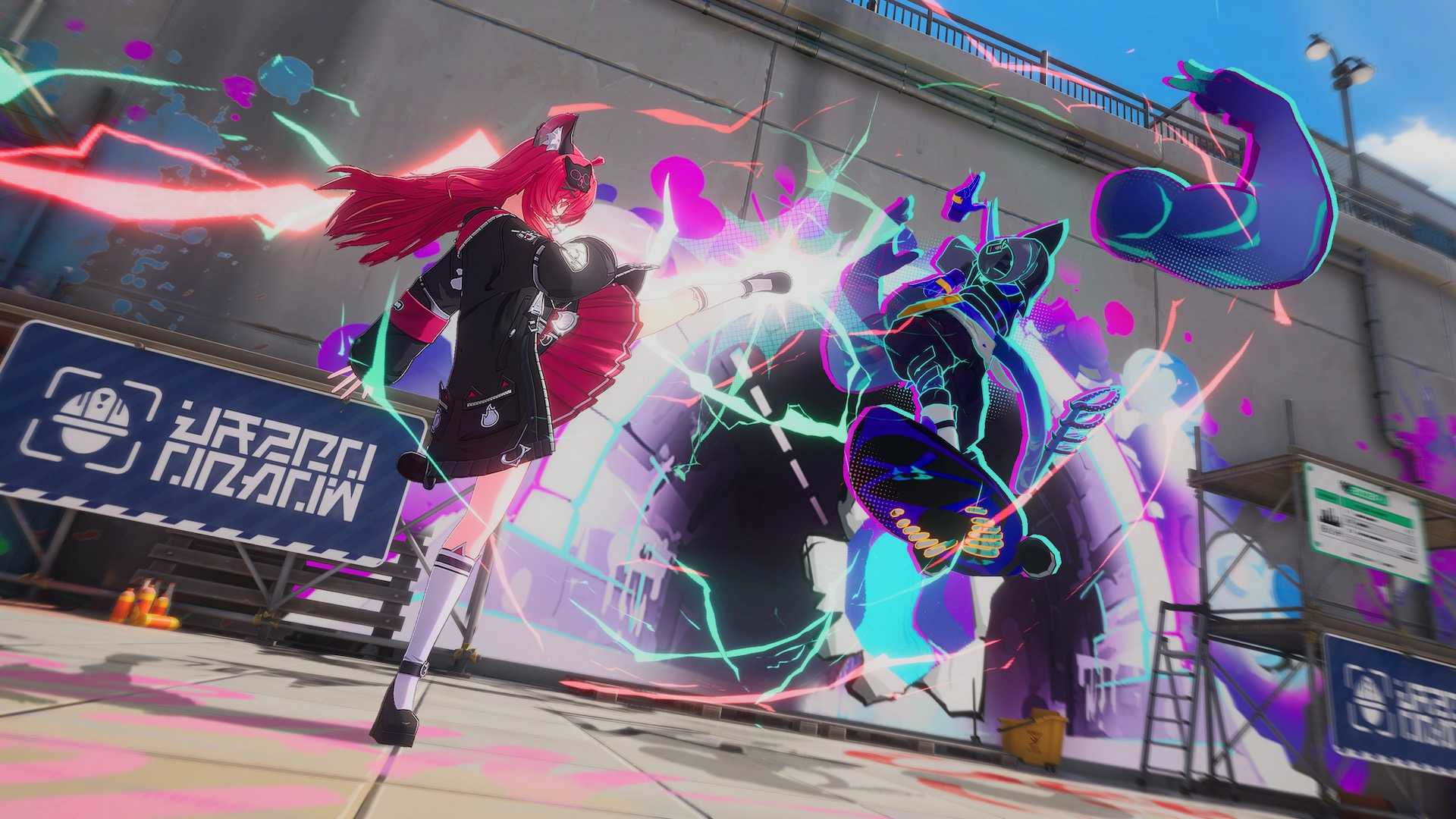
Anime-style visuals are all but dominant in the free-to-play gaming segment, but fortunately for NTE: Neverness to Everness, its fresh urban aesthetic helps it stand out from a myriad of similar fantasy titles. Coupled with a rich supernatural layer, the game delivers a genuinely memorable experience, where investigating twisted paranormal events and chasing otherworldly beings as Anomaly Hunters called Appraisers can easily carry the entire adventure.
Neverness to Everness seemingly tries to be too many things at once, including a city life simulator and management sandbox, yet it proves surprisingly competent at nearly all of them. Packed with activities and robust progression mechanics, the game’s unique design choices and memorable soundtrack grant it a distinct personality more than anything else. With some dedication and greater attention paid to its narrative layer, NTE could really evolve into one of the genre’s benchmarks.
Scratch & Peek


Identify the cover art while scratching off as little foil as
possible.
4
Gothic 1 Remake
Stepping Into the Time Machine
- Global Steam Reviews: 88% Positive
- OpenCritic Average: 73
Gothic 1 Remake easily claims the title of the most faithful RPG remake in quite some time, offering a ticket back to an era when the genre felt radically different from its modern-day incarnation. Tough, compact, challenging, and absolutely brutal, Gothic makes you fight for every inch, with nothing handed to you without a struggle. Its world and inhabitants truly feel alive, resulting in a deeply personal and immersive experience.
Alkimia Interactive really did the classic justice, modernizing only the parts that needed it while respecting all the signature features that make Piranha Bytes games so special. Gothic 1 Remake is demanding but rewarding, and all your choices, discoveries, victories, and defeats stay with you. Sure, some jank is unavoidable here, which makes the game a tough sell for modern players looking for AAA levels of polish.
3
DragonSword: Awakening
Hitting Way Above Expectations
- Global Steam Reviews: 89% Positive
- OpenCritic Average: 87
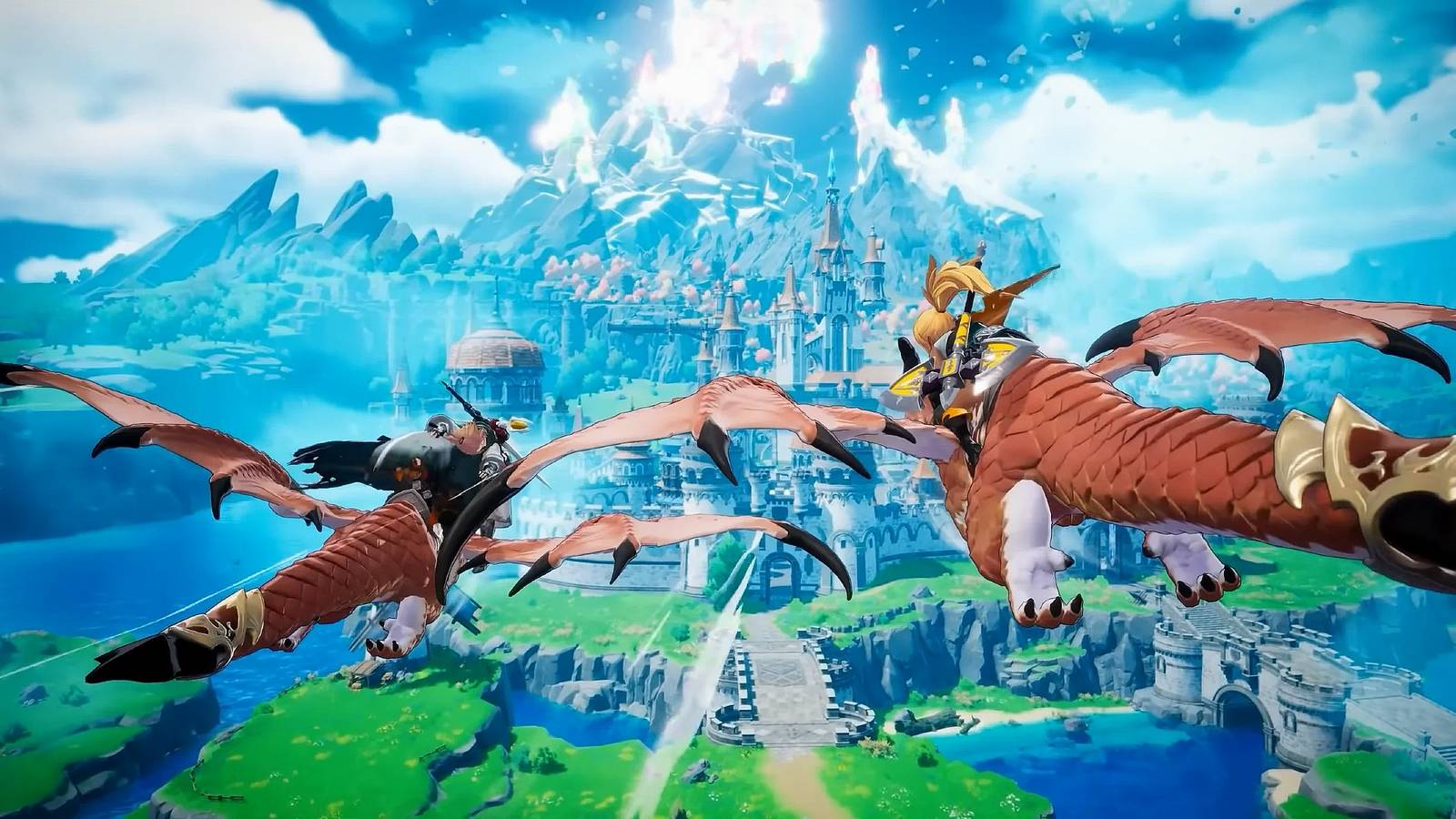
One of the unexpected favorites among 2026’s open-world RPGs, DragonSword: Awakening has turned out to be a really pleasant surprise. The game delivers a colorful open world across the Continent of Orbis that is fun to explore, while its flashy tag-team combat remains accessible yet deep enough to experiment with and gradually master. There are even some Pokemon-esque elements in the mix, with collectible companions called Familiars aiding you on your journey.
DragonSword: Awakening’s strengths are undeniable, and it essentially feels like Genshin Impact without gacha. Even so, it might not suit players looking for stronger narrative hooks due to its fairly generic central premise of stopping a reawakened dragon, while its anime-style presentation might not appeal to everyone, either. While it’s a pleasant experience overall, it hardly brings enough new ideas to the genre to be cherished for years to come. Still, in the grand scheme of things, these shortcomings are little more than nitpicks in what remains one of the year’s most pleasant surprises.
2
Mortal Shell 2
Undeniable Growth. Still Too Little Color
-
-

-

- Global Steam Reviews: 76% Positive
- OpenCritic Average: 85
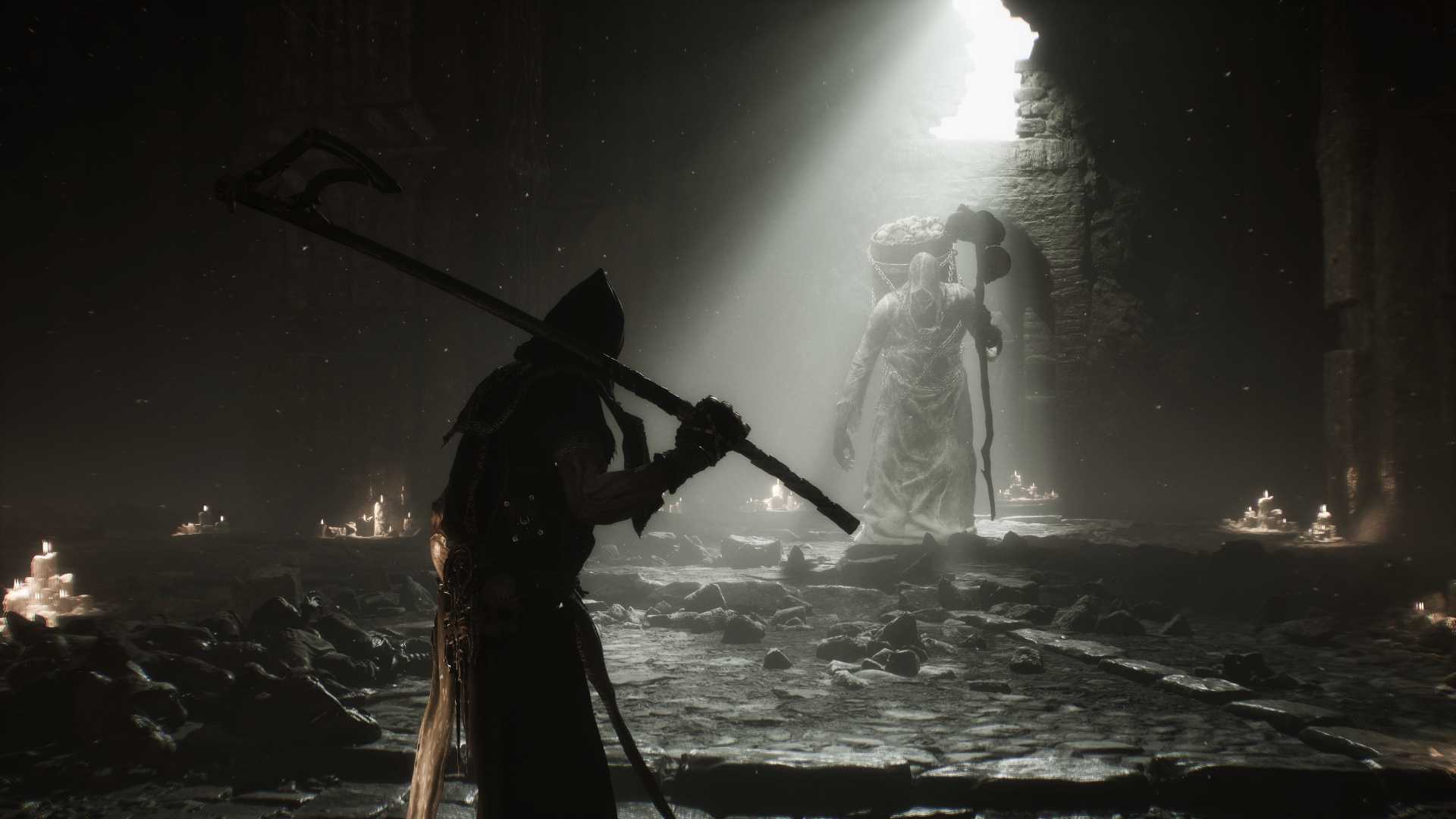
One of the standout open-world action RPGs of the year so far, Mortal Shell 2 isn’t perfect, but it confidently nails most of the essentials. A noticeable step up from the original in every department, it is a true hard-rock sequel with an atmospheric, bleak world that feels fragmented yet connected at all times. The opening hours leave you completely lost in the best possible sense, with paths branching at every turn as you desperately try to navigate toward the next save beacon.
With a tighter combat system, genuinely distinct Shells serving as flexible classes, refined visuals, deep lore infused with cosmic horror, and plenty of optional dungeons and secrets, Mortal Shell 2 offers a brutal 50-hour gauntlet that tests fans of the genre in every way imaginable. Some technical caveats may spoil the early impression for certain players, yet it’s safe to assume that Mortal Shell 2 has already cemented its place as a must-play modern soulslike.
1
The Blood of Dawnwalker
The Birth of a Promising New RPG Franchise
- Global Steam Reviews: 75% Positive
- OpenCritic Average: 85
Easily among the most anticipated open-world RPGs of 2026, The Blood of Dawnwalker appears to have proved that the wait was worth it, delivering a solid first chapter for Rebel Wolves’ planned vampire saga. Strong early critical reception (although not everyone is fully sold) highlights Dawnwalker’s greatest strengths, including its thick atmosphere, excellent worldbuilding, and dark, mature themes. Meanwhile, unique features such as time constraints, complete nonlinearity, and a half-vampire protagonist set it apart from almost everything we’ve seen in the genre recently.
Judging by the first wave of player feedback, many have greatly enjoyed The Blood of Dawnwalker, with most caveats involving technical issues that will likely be ironed out after launch. As it stands, this is an undeniably strong debut, filled with everything we love RPGs for, and one of 2026’s strongest offerings. It should only become better after several months of patches and refinements, and it’s already exciting to see where the team goes from here.