
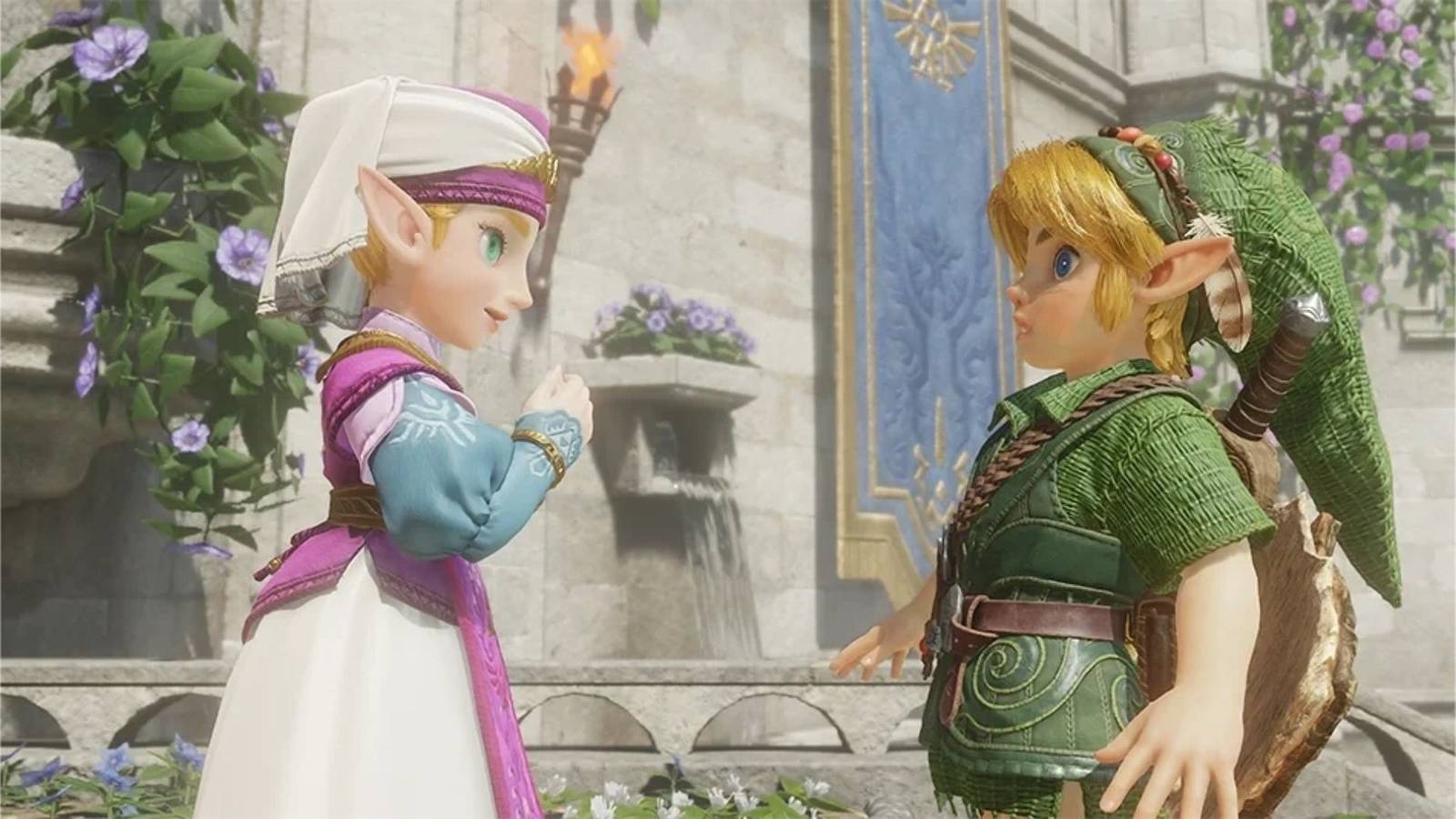




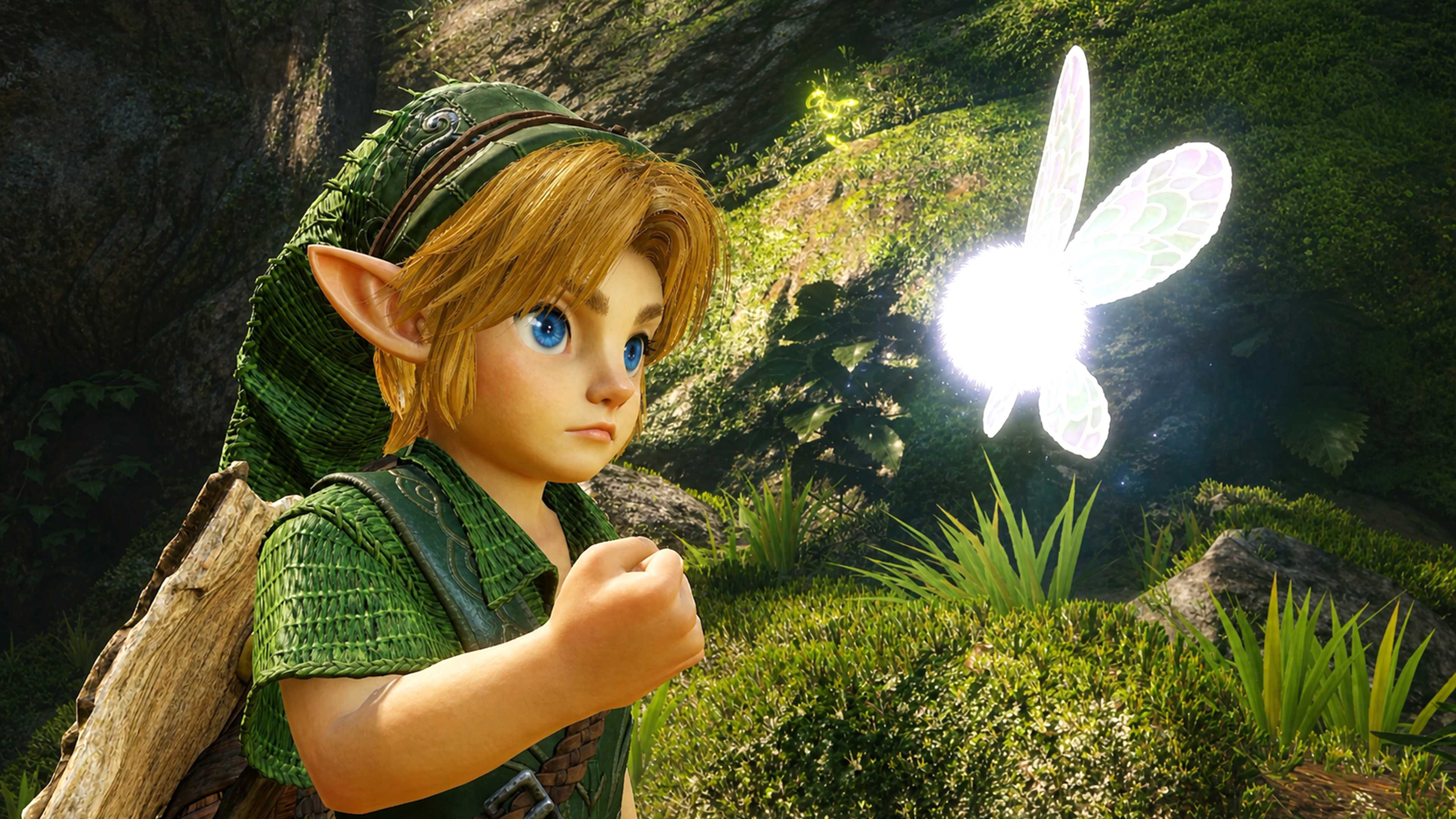
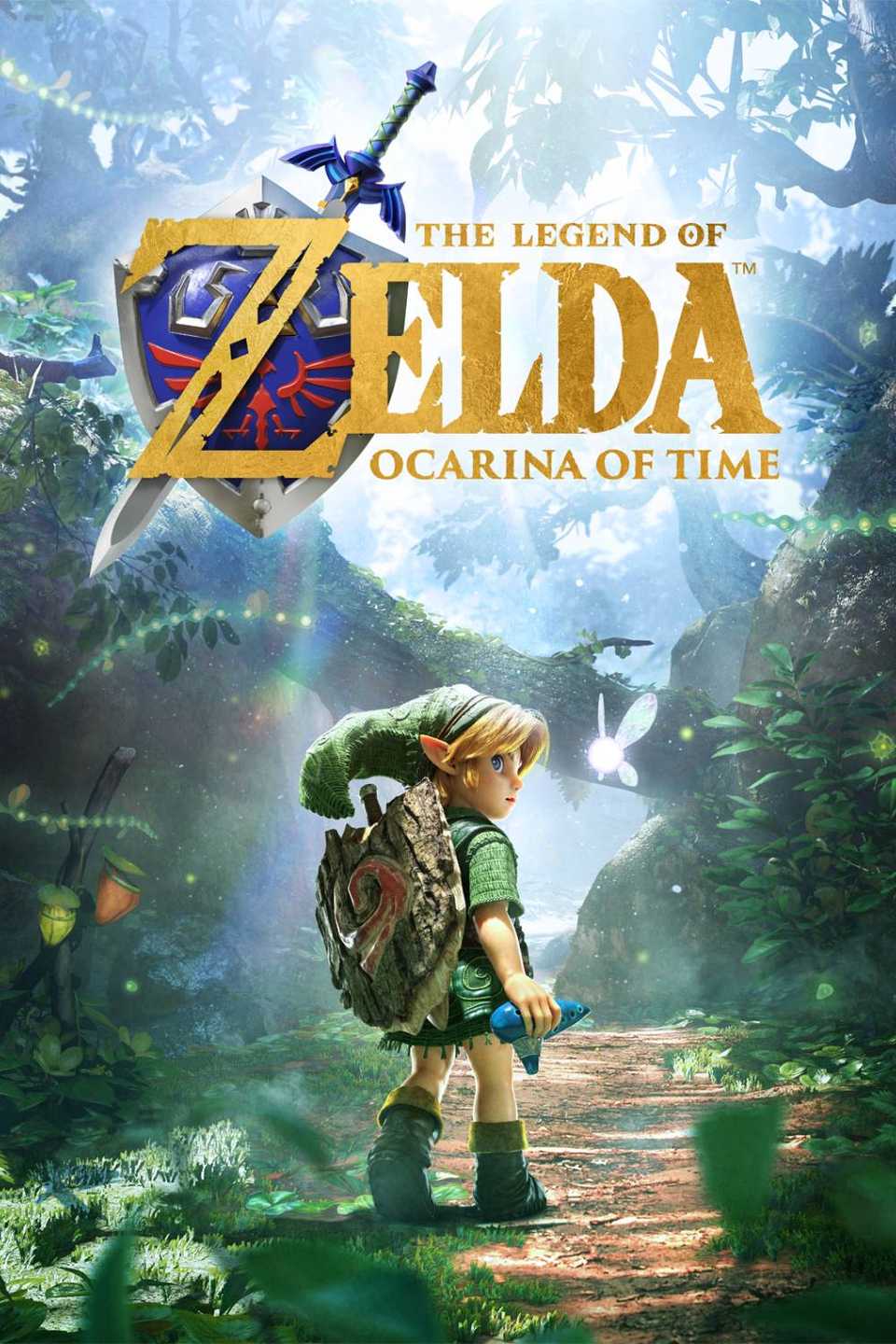
I, for one, am a major fan of voice acting in video games. Spoken dialogue often offers color to written words, creating emotion and depth. This is precisely why I am so excited about The Legend of Zelda: Ocarina of Time remake. To catch folks up to speed, The Legend of Zelda: Ocarina of Time remake, slated to release on November 5, will feature full voice acting for major cutscenes and key characters. This is a huge departure from the silent, text-based format of the original Nintendo 64 and 3DS versions, which should hopefully enhance the game rather than take away from it.
While this isn’t the only change made to the beloved title, it is a big one, serving to potentially change the way players, both old and new, digest the world Nintendo created. For older fans, it could offer revelations about the world and the characters they grew up with. For new fans who haven’t touched the game before now, it offers a gameplay baseline that is welcoming and vibrant, an excellent first impression for a game that was released almost 27 years ago. Voice acting is a titular part of video games today, but it wasn’t always this way. Adding voice acting to once-silent characters opens up a whole new world, and I am here for it.
Zelda: Ocarina of Time Remake Finally Lets Hyrule Speak for Itself
-
-

-

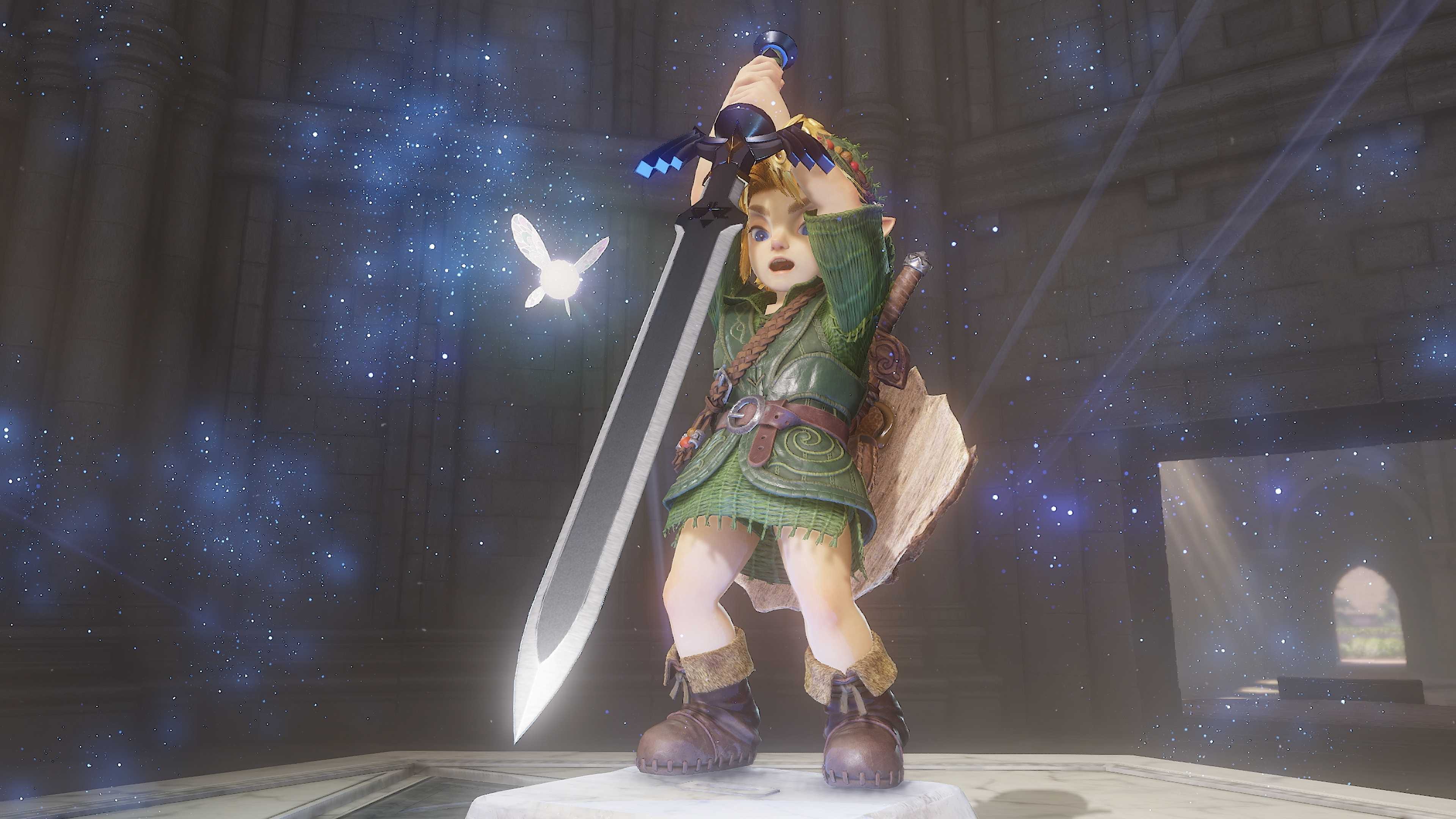
Changes made to the remake of The Legend of Zelda: Ocarina of Time are pretty groundbreaking. We’ve finally got a dedicated jump button, and there’s a nifty quest log that keeps players organized. Navi is also significantly less invasive. While all of that rocks, one of the biggest changes made for the better is the fully voice-acted cutscenes, finally giving major moments and key characters a voice. Of course, our pal Link is still silent.
Voice acting is a titular part of video games today, but it wasn’t always this way. Adding voice acting to once-silent characters opens up a whole new world.
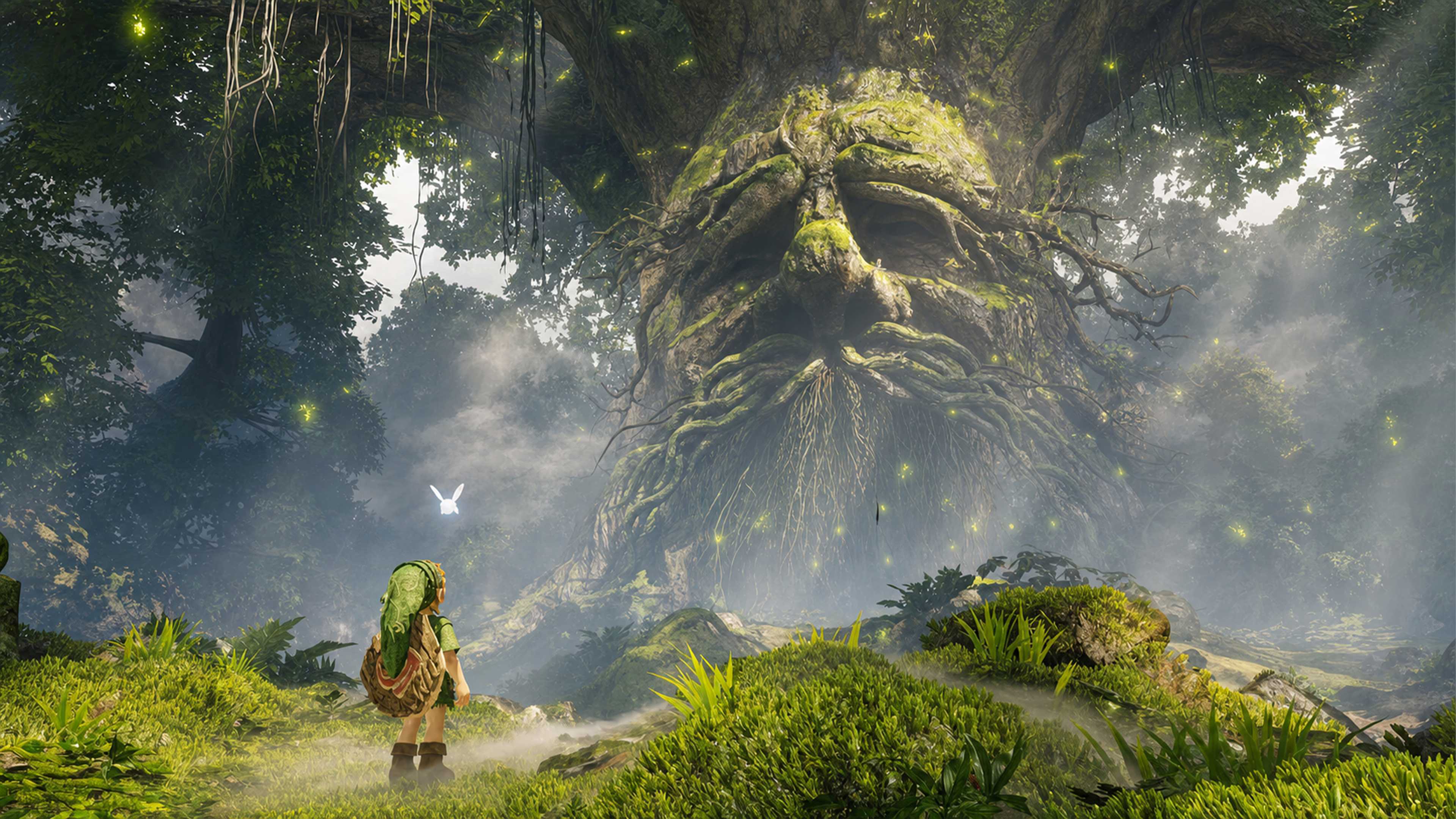
It is worth noting that some characters, like the Deku Tree, speak minimally before going silent. Notable voiced characters include fan-favorites like lovely Princess Zelda, Saria, Princess Ruto of the Zora, and even the fearsome Ganondorf. It is quite a weird switch, especially when compared to the original release, which was entirely silent. Despite that, I think it’s a modern change that needed to be made to appease newer players, while giving older players something new to fawn over.
-

-
-

While voice acting is quite common in video games these days, serving as an industry standard, it didn’t always used to be this way. The Legend of Zelda: Ocarina of Time‘s N64 release lacked voice lines due to hardware limitations and a few cosmetic reasons on the developer’s part. See, the N64 utilizes ROM cartridges, which notoriously have limited storage space. This means that it was previously challenging to store large audio files. Additionally, Composer Koji Kondo wanted the soundtrack and sound effects to shine, essentially making voiced dialogue obsolete. Link’s silence also served as a strategic move.
It was decided that Shigeru Miyamoto, producer of The Legend of Zelda: Ocarina of Time, wanted Link to remain a silent hero, so players could essentially imagine themselves as Link, giving them a blank slate to work off of. In simple terms, Miyamoto wanted gamers to embody Link full-on, making their Link their own. Link is established as a non-spoken character, and it should stay that way if Nintendo’s goal is to make Link more relatable and likable. In that way, I have no issue with him not being voiced in this new remake. Every time he was given full voice lines, usually in non-canon media like the CD-i games Link: The Faces of Evil and Zelda: The Wand of Gamelon, it has always been weird and kinda off-putting.
So while Link should remain a voiceless hero, the argument that he is voiceless because players can better embody him cannot translate to other main characters. This is because these other established beings are meant to be their own person or thing with unique character traits and behaviors. Not for players to embody. Letting these characters finally speak for themselves adds more depth to their beings and the story. Reading dialogue will never be as impactful as the emotion put behind voice lines. More meaning is brought to words carefully written, further elevating the written word with help from talented professionals.
We finally understand some of these characters’ emotions and motives on a deeper level through impactful delivery à la the talents of Matthew Mercer, who is reprising his role as Ganondorf, and Patricia Summersett. Almost 27 years later, players are being reintroduced to characters they’ve known and loved through impeccable voice acting. Voiced dialogue serves to broaden the world we once knew, further developing characters by giving them a chance to speak for themselves. Voice acting adds more color to the world and gives characters depth.
Silent Text-Based Formats Keep Characters at Arm’s Length, Stunting Development
-

-

-

Imagine for a moment if games like The Last of Us, Red Dead Redemption 2, or Uncharted were without voice acting. Pretty weird, right? These games immediately feel hollow without voice lines, leaving players to draw conclusions and fill in the story gaps based on text alone. Emotion is understanding. Without emotion brought by talented voice actors, motives are not conveyed, and we don’t really get a clear sense of what a character is all about.
Take The Last of Us‘ Joel Miller, for example; one of the best voice acting jobs I have seen in a long while, in my opinion. Troy Baker lent nuance to this character, making him multifaceted by giving him his harsh, badass, sarcastic moments while softening him when it really counted. While he can pop a guy’s knee off with a knife, he can also open up about his deceased daughter, talk about horses, and be embarrassed to play guitar or sing. Without those voiced moments of duality, Joel would come off as hard-headed and unwilling to change. Baker offered color to the character, further expanding on his beliefs about the apocalypse, Ellie, and run-ins with other characters.
-

-
-


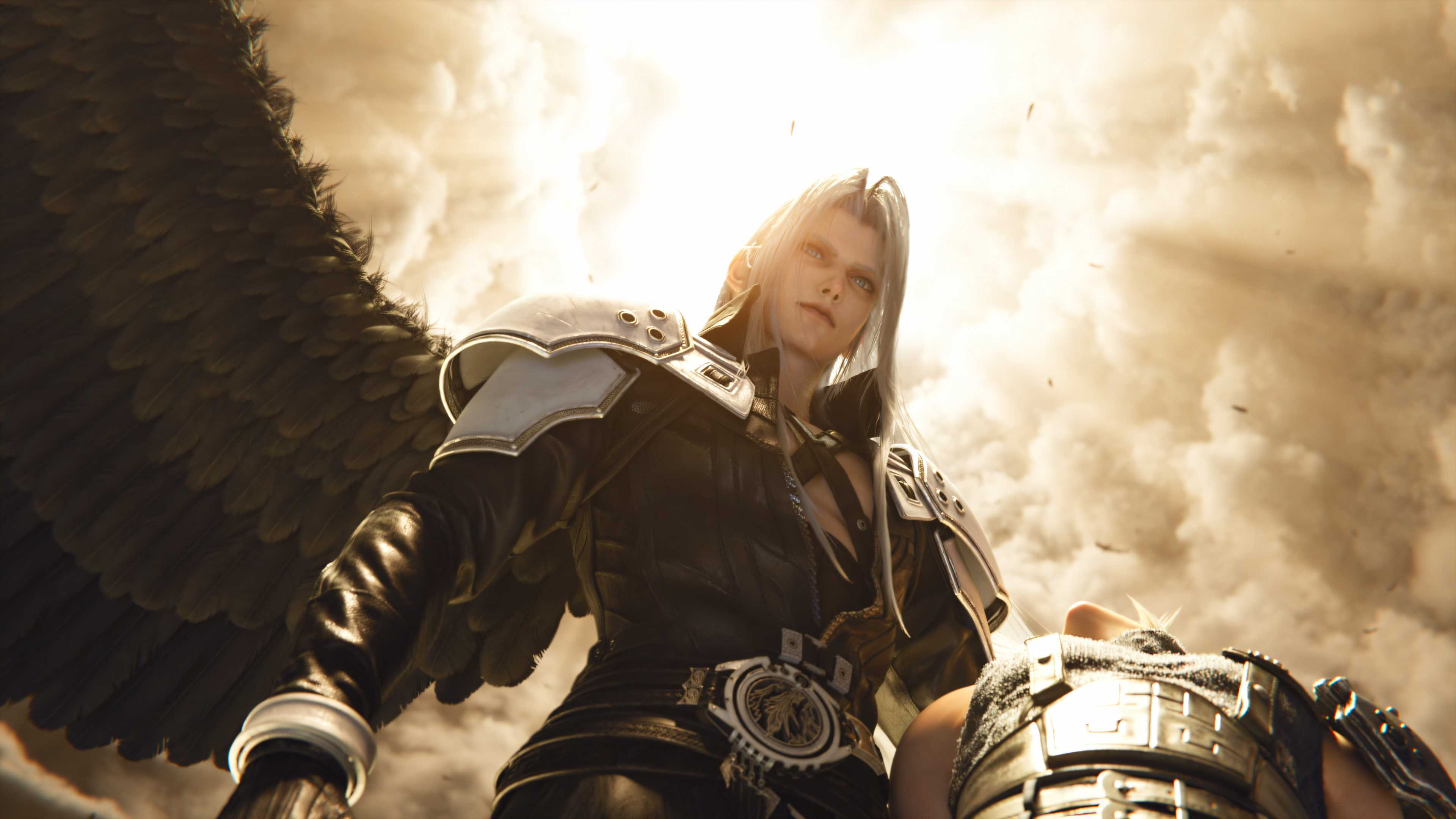
The same could be said for a character like Sephiroth from Final Fantasy, portrayed by many over the years, but given the same monotone inflection. Remember, older Final Fantasy games did not have voice lines, just like The Legend of Zelda: Ocarina of Time. That being said, Sephiroth’s voice is iconic and a major part of the franchise. You know he’s a bad guy right away with that sultry, deep voice that lacks inflection. We do get moments from Sephiroth that hint at his traumatic past, offering more of that color that turns him from your standard villain into a multidimensional character worthy of adoration.
Without voice lines, these characters would be stunted. We wouldn’t know half as much as we do now if they had remained silent. Voice acting enhances the written word, like how cheese on pretty much anything makes things better. Through gameplay, all I really want is to understand the characters I am getting to know, since I’ll likely be spending hours upon hours playing them. I want that depth. I want to be able to fall in love with or hate these characters with every bone in my body after the end credits roll. I want to be talking about these characters years later, speaking on them as if they were my real friend or mortal enemy. Voice acting helps accomplish those feelings, and so much more.


- Released
-
November 5, 2026
- ESRB
-
Everyone 10+ / Animated Blood, Fantasy Violence
- Developer(s)
-
Nintendo
- Publisher(s)
-
Nintendo