


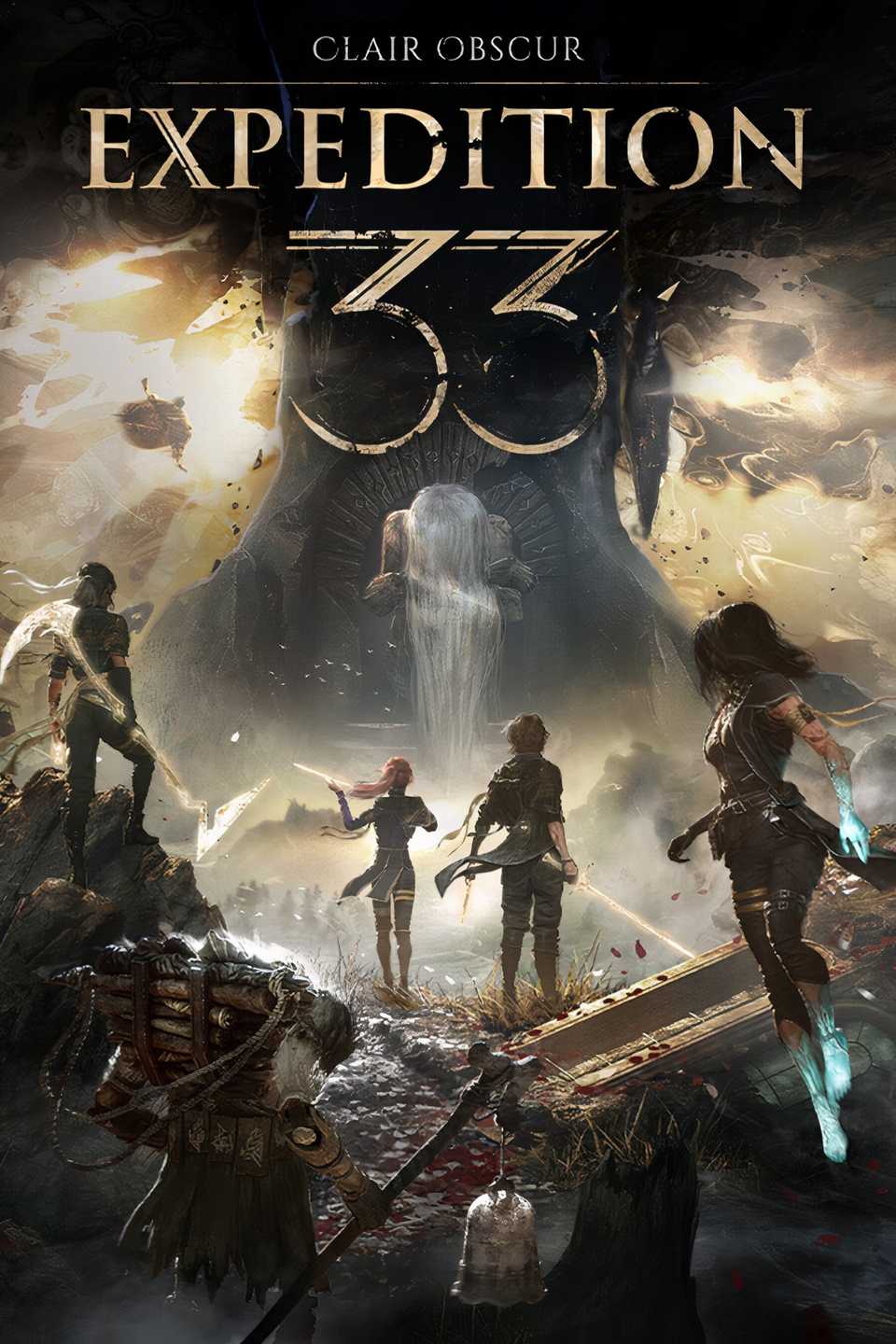
Recent comments from former PlayStation boss Shuhei Yoshida have once again reminded audiences why bold, unusual gaming projects like Clair Obscur: Expedition 33 are so successful. Unfortunately, Yoshida’s comments also highlight a rather pressing shortcoming of many AAA studios and publishers, one that can range from comical to frustrating.
In a conversation with Japanese gaming outlet 4Gamer (via GamesRadar), Yoshida reflected on his time as Sony’s head of PlayStation Indies, a role he assumed after a long tenure as the company’s President of Worldwide Studios. In 2023, roughly two years before he would leave Sony entirely, Yoshida got his hands on an early build of Clair Obscur: Expedition 33, and he walked away impressed. However, he also cautioned the team at Sandfall Interactive against marketing it as a turn-based RPG, telling them, “It’s incredibly well-made, but it would be better not to call it a turn-based RPG. That alone might cause players to overlook it.” Well, look how that turned out.
Clair Obscur’s Turn-Based Combat Helped It Succeed
For anyone unfamiliar with Clair Obscur: Expedition 33, let me be clear: it’s not a game that succeeds on the back of its story alone, with gameplay that everyone but the most dedicated JRPG fans have to slog through. You could make that argument for a number of other turn-based RPGs, but not this one. Clair Obscur‘s combat system is one of its most universally celebrated aspects, and few who’ve beaten the game would dare argue that it would somehow be better as a real-time action experience a la Devil May Cry or Dark Souls.
In other words, Clair Obscur isn’t beloved in spite of its turn-based combat, but because of it—even the most RPG-unfamiliar gamers I know have effusively praised its battle system. It would take too long to expound every strength of Clair Obscur‘s combat, but suffice it to say that its blend of understandable and rewarding progression, distinct and original character archetypes, and real-time mechanics like parrying and dodging, come together to form a truly addictive and accessible turn-based sandbox.
Clair Obscur isn’t beloved in spite of its turn-based combat, but because of it…
As someone who loves turn-based games and JRPGs in general, Clair Obscur‘s mass appeal definitely interests me. Turn-based systems get a bad rap, as Yoshida’s comments suggest, mostly because they are slow and tactical, whereas mainstream gaming generally aims for speed and intensity. Even so-called “cozy games” like Stardew Valley adopt a more real-time gameplay model as opposed to, say, the nested menus and click-centric design of a management or strategy game. But in retrospect, Clair Obscur: Expedition 33 finding an audience through turn-based gameplay shouldn’t be all that surprising.
Clair Obscur Is Yet Another Reminder That Any Gameplay Concept Can Be Viable
I don’t mean to put a spotlight on Shuhei Yoshida for his Clair Obscur comments. The fact is, the notion that turn-based games don’t sell well is extremely common among leaders in the industry. Take this statement from Final Fantasy 16 producer Naoki Yoshida, made in 2022 during an interview with GamesRadar:
“As someone who was raised on turn-based, command-based role-playing games, I fully understand their appeal and understand what’s great about them. But, one thing that we found recently is that as graphics get better and better, and as characters become more realistic and more photo-real, is that the combination of that realism with the very unreal sense of turn-based commands doesn’t really fit together. You have this kind of strange gap that emerges.”
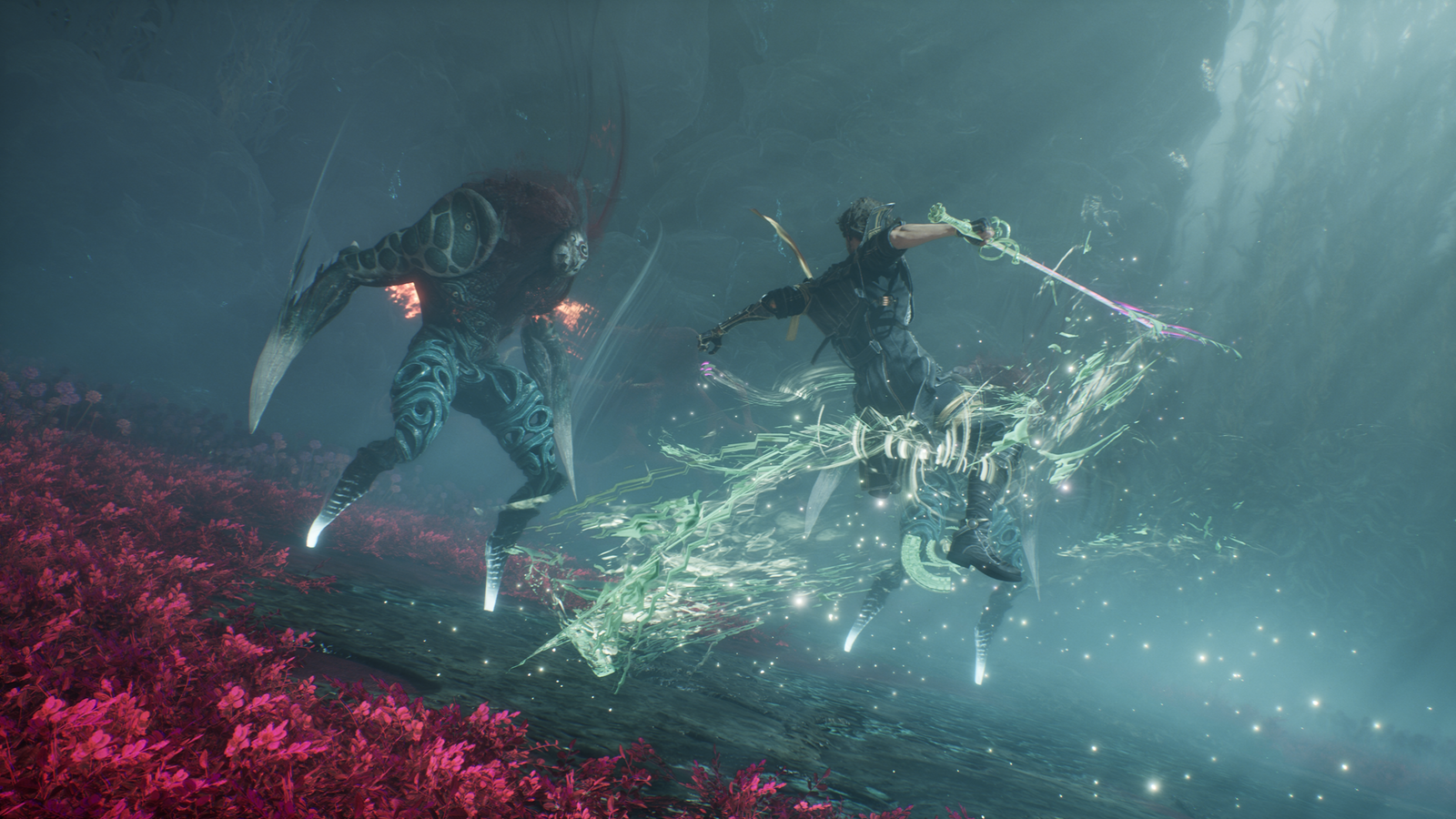
Here we have an assertion, from one of Square Enix’s most storied producers, no less, that turn-based combat is somehow less immersive than its real-time counterparts. There’s even an implication that turn-based games are outdated, meant to be relegated to the graphically antiquated games of old. Never mind that Clair Obscur, with its apparently old-fashioned, unrealistic turn-based combat, left behind a much greater commercial and critical mark than the action-oriented Final Fantasy 16. But I digress.
Having said that, I can understand where Naoki Yoshida and Shuhei Yoshida (no relation) are coming from. As video games become more advanced both visually and mechanically, there’s likely an unconscious urge on the part of game-makers and producers to move away from older concepts. After all, the turn-based battle systems of classic RPGs are basically an evolution of tabletop RPG gameplay, so I can forgive someone for thinking that another, greater evolution is waiting to be discovered. This is similar to the kind of ambition that drives creativity and innovation.
Clair Obscur, with its apparently old-fashioned, unrealistic turn-based combat, left behind a much greater commercial and critical mark than the action-oriented Final Fantasy 16.
But there’s a fine line between such ambition and compulsory trend-chasing. Designing a video game a certain way simply because it seems like the more “modern” approach is unlikely to lead to a fun or engaging outcome. Rather, it’s the ingenuity and rigor of the development team that makes a certain concept, like turn-based combat, work. In the case of Clair Obscur: Expedition 33, turn-based combat is molded around pillars like cinematic camera movement, in-battle progression, and team synergy, all of which have the potential to be interesting and rewarding regardless of whether a given game is turn-based or not. It just so happens that Sandfall’s vision for Clair Obscur revolved around turn-based systems.
In other words, just about any gameplay formula or convention can work if given the proper care and attention: there’s no such thing as an outdated game mechanic or system, only the context in which such mechanics and systems exist. This is why genres like metroidvania and 2D platformer remain so relevant and popular today, despite being based on ideas more than 40 years old. A game like Hollow Knight isn’t good because it shirks metroidvania tradition, but because it leans into it in an interesting way.
If anything, there’s a greater risk of a game being bland and forgettable when it adheres to more contemporary mechanics or philosophies. This is because, as previously mentioned, the adoption of such recently developed ideas may be driven by an unconscious desire to conform to an ill-defined expectation of modernity. We may never know how much a game like Final Fantasy 16 was influenced by the fear of seeming old, rather than the desire to be good, independent of whatever design trends are popular at any particular moment.

- Released
-
April 24, 2025
- ESRB
-
Mature 17+ / Blood and Gore, Strong Language, Suggestive Themes, Violence
- Developer(s)
-
Sandfall Interactive
- Publisher(s)
-
Kepler Interactive