






Steam Next Fest has become a huge opportunity for indie developers, but finding a game worth playing among thousands of demos can feel like a project in itself. Nintendo Indie World offers a different approach. Instead of asking players to sift through an enormous catalog, Nintendo presents a curated selection of games, giving each one a chance to stand out. Its October 2026 showcase featured 23 games, a manageable lineup that made it easier to spot projects worth following.
That contrast feels particularly relevant as AI-generated content becomes another consideration for players browsing Steam. More than 7,000 demos were featured in Steam Next Fest, with roughly a third reportedly disclosing AI use in figures discussed around the event. Nintendo’s showcase reminded me that discovery works better when there’s a clear starting point. Nintendo Indie World offers a useful comparison with Steam’s open-ended approach, showing how a little editorial curation can make a crowded indie scene feel far more approachable.
Steam Next Fest’s AI Problem Makes Game Discovery Harder
Steam Next Fest’s biggest strength is also one of its biggest challenges. The festival gives developers an opportunity to put playable demos in front of a large audience, but the sheer volume makes it difficult for individual games to stand out. At a Steam Indie Connect developer event, Valve’s Tom Giardino and Marc Wilkinson addressed criticism of the growing number of demos and the low-quality projects appearing alongside more promising releases. Wilkinson explained that Steam initially shows users a randomized selection of demos during the first two days before personalized recommendations begin to take effect. The system aims to distribute exposure fairly and limit abuse, even if some less-polished projects benefit from that initial visibility.


Guess the games from the emojis.
Wilkinson acknowledged the downside directly: “We recognize that the trade-off is some low-quality games get exposed.” That’s understandable from Valve’s perspective, but it doesn’t make discovery any easier for players. Steam Charts can help identify popular demos, while recommendations, social media, and community discussions offer other ways to narrow the field. With so many choices competing for attention, players need better ways to find the games that interest them.


Nintendo’s October 2026 Indie World showcase took a more focused approach, presenting 23 games in a defined lineup. Each announcement had a short window to communicate its identity, whether through a distinctive art style, an unusual premise, or a gameplay mechanic worth exploring. That format doesn’t provide enough time to judge an entire game, but it can establish why a project deserves a closer look. I don’t need to know everything about a game after a two-minute trailer. I just need a reason to remember it and perhaps add it to my wishlist. Curation doesn’t guarantee better games, but it gives players a much easier place to start.
The key difference is that Nintendo has already made an editorial decision about which games to feature. That doesn’t mean every selection will appeal to every viewer, or that Nintendo’s choices are automatically better than the thousands of projects available on Steam. Curation simply reduces the initial workload. Instead of making decisions about hundreds of demos, I can start with a shortlist and investigate the games that catch my attention. Steam’s open model remains valuable to developers who might otherwise struggle to reach an audience, but Nintendo demonstrates how a curated entry point can help players discover smaller projects without feeling overwhelmed.
The Indie World Games That Caught My Attention
-

-
-
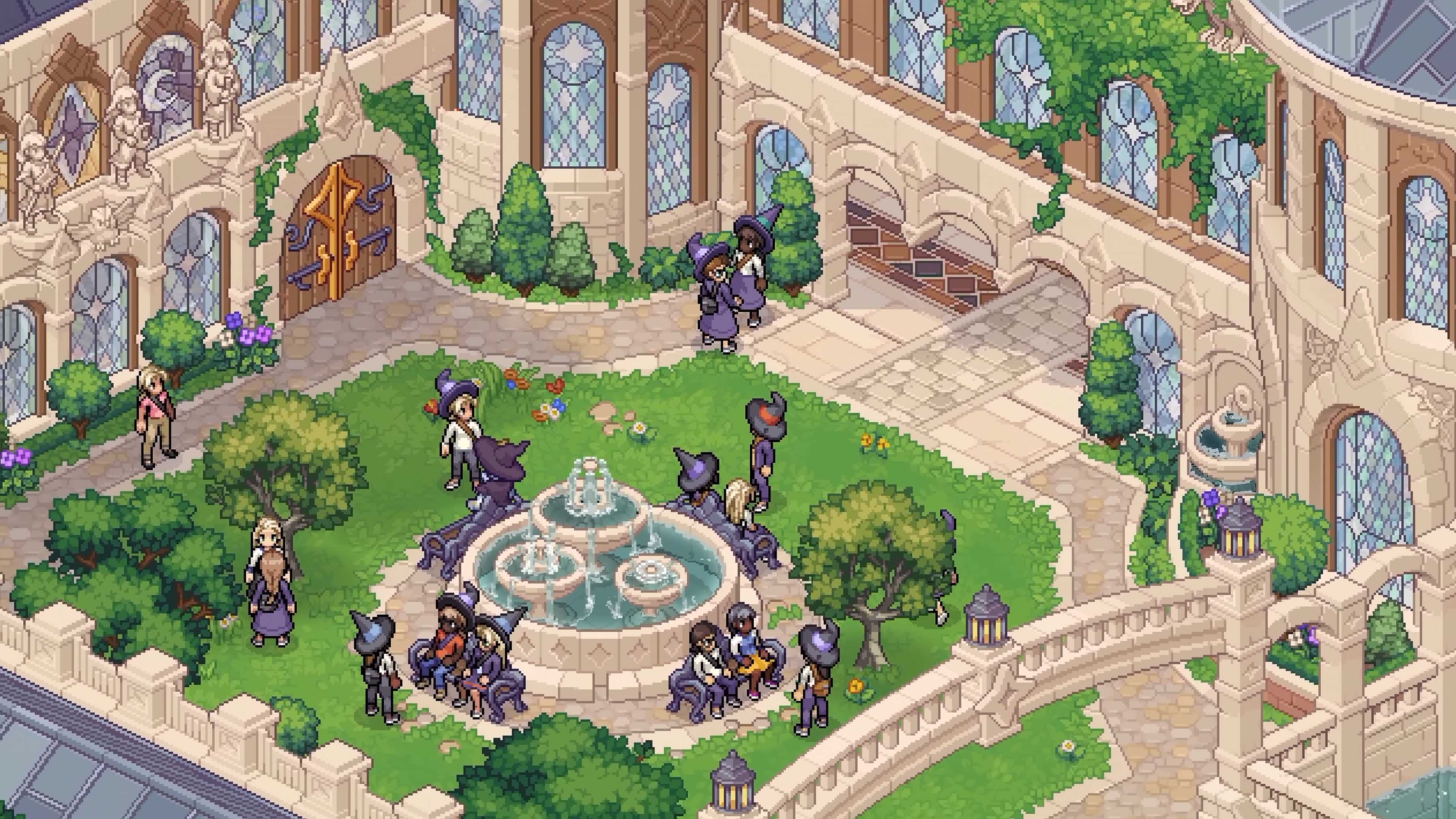


Nintendo’s showcase featured plenty of variety, from cozy adventures to unusual roguelikes. Witchbrook, arriving January 28, 2027, combines magic and life simulation with up to four-player support, while Winds of Viridia promises real-time combat and a mothbug companion. Sword of the Sea is also set to arrive on Switch 2 on October 29, 2026, bringing its atmospheric surfing adventure to Nintendo’s newer console.
A few other announcements caught my attention:
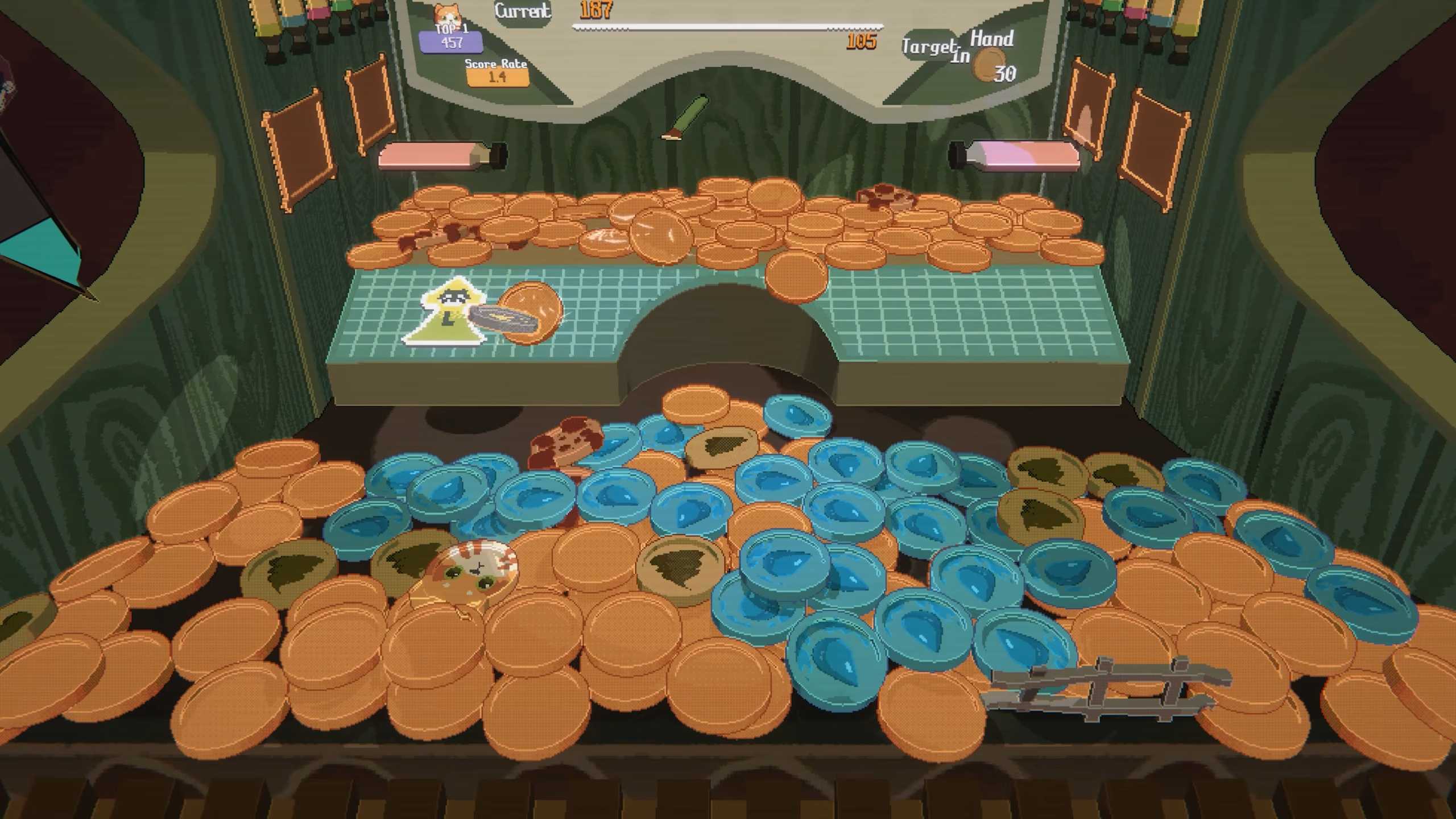
- RACCOIN: Chaos Max Edition — November 10, 2026 (Switch 2): I’ve enjoyed watching Northernlion play RACCOIN, so its Switch 2 release is a personal highlight. Its coin-based roguelike deckbuilding looks perfect for creating satisfying combos.
- Dumpster Gang — March 2027 (Switch 2): This co-op sandbox lets players control raccoons as they raid dumpsters, steal snacks, and escape an exterminator.
- Haunted Paws — May 2027 (Switch 1 and Switch 2): Two customizable puppies explore a haunted mansion and search for their missing human.
- Petal Runner — March 28, 2027 (Switch 2): This pixel-art adventure follows a motorcycle courier through a story about life and loss.
- Floor Plan: Slap Out Of It! — Spring 2027 (Switch 1 and Switch 2): A comedy puzzle adventure built around slapping objects and exploring impossible towers.
Each game has a clear hook, whether it’s coin-based strategy, chaotic co-op, or quirky puzzle-solving. That’s what makes a curated showcase effective: viewers can quickly identify the games that interest them without having to sift through thousands of demos.
Nintendo’s Showcase Highlights What Steam Needs

Steam Next Fest doesn’t need to completely abandon its open approach to solve its discovery problem. Giving developers a chance to reach players is essential, particularly for small teams without major marketing budgets. Valve also has legitimate reasons to distribute exposure fairly, and personalized recommendations can help people find games that match their interests. The challenge is making those tools useful from the beginning, rather than leaving players to sort through a huge collection before recommendations become more effective. Better filtering and clearer ways to identify promising demos could help without closing the door on unfamiliar developers.
Nintendo Indie World shows why that balance matters. A curated showcase probably won’t replace Steam’s open festival, but it can give players a manageable introduction to the games worth watching. I’d rather finish a presentation with a handful of titles I’m genuinely excited about than spend hours searching for them myself. With RACCOIN: Chaos Max Edition among the games I’m looking forward to playing, this showcase gave me several reasons to keep an eye on the indie scene. Steam has the opportunity to make discovery less exhausting, and Nintendo has offered a convincing reminder that helping players find games is just as important as giving developers a place to show them.