


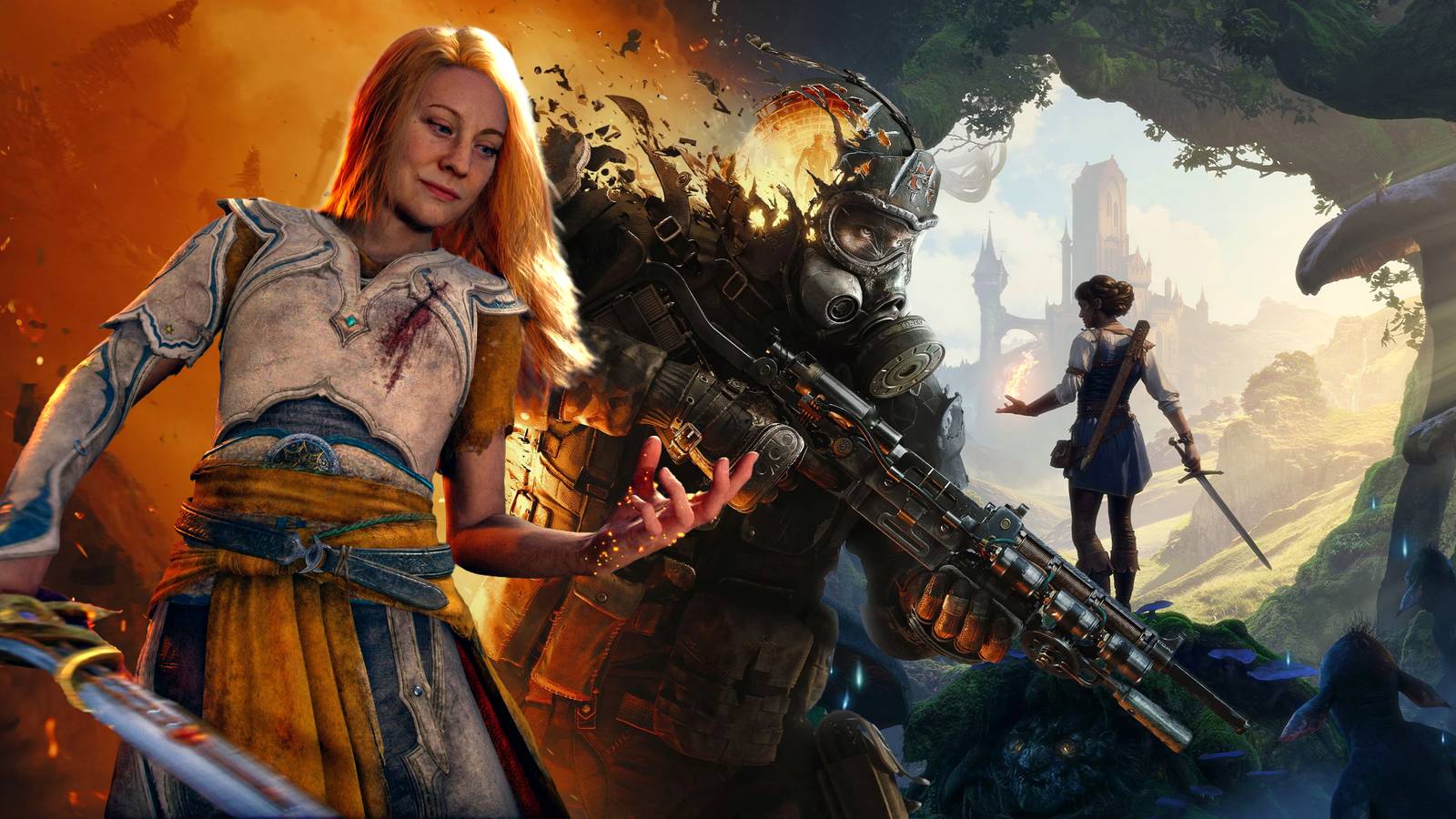
God of War Laufey officially has a release date of February 16, 2027, which, as many fans seem to believe, is intentionally one week ahead of Playground Games’ Fable reboot in order to establish dominance. First of all, given how volatile the industry is right now, the skepticism makes sense, but when you step back and look at the broader picture, there’s not really a competition here—not one God of War Laufey could hope to win, anyway. God of War Laufey launching one week ahead of Fable will allow it to establish a week’s worth of dominance, sure, but Fable arriving later ultimately means those who want to play both games will effectively move on from God of War Laufey to play Fable instead. Then there’s the multi-platform launch of Fable to consider, which God of War Laufey can’t benefit from. However, that’s all largely beside the point, because while those two games are stuck in their bickering match, there’s another February 2027 game I don’t see many people talking about that could throw down its own gauntlet: Metro 2039.
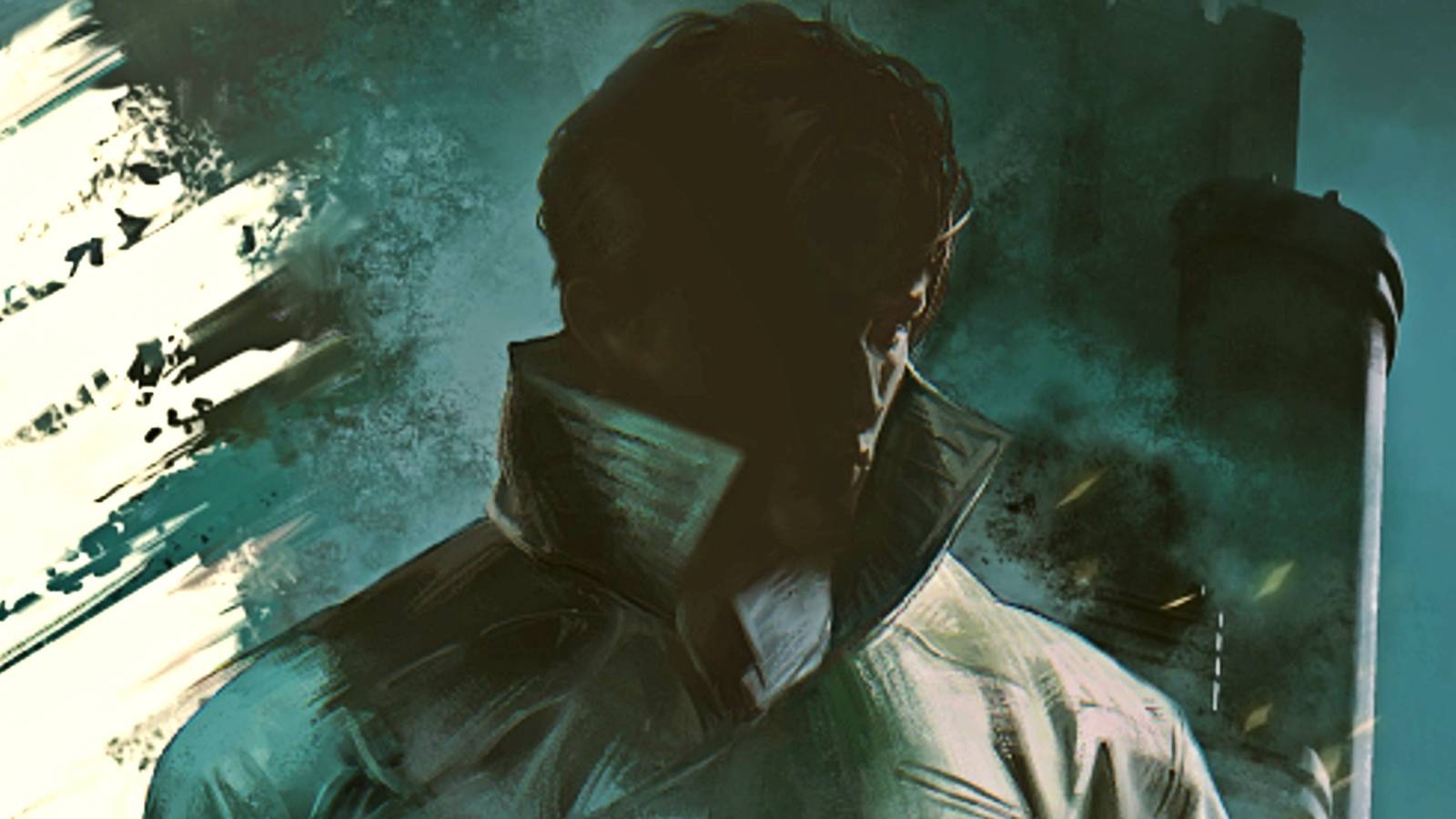
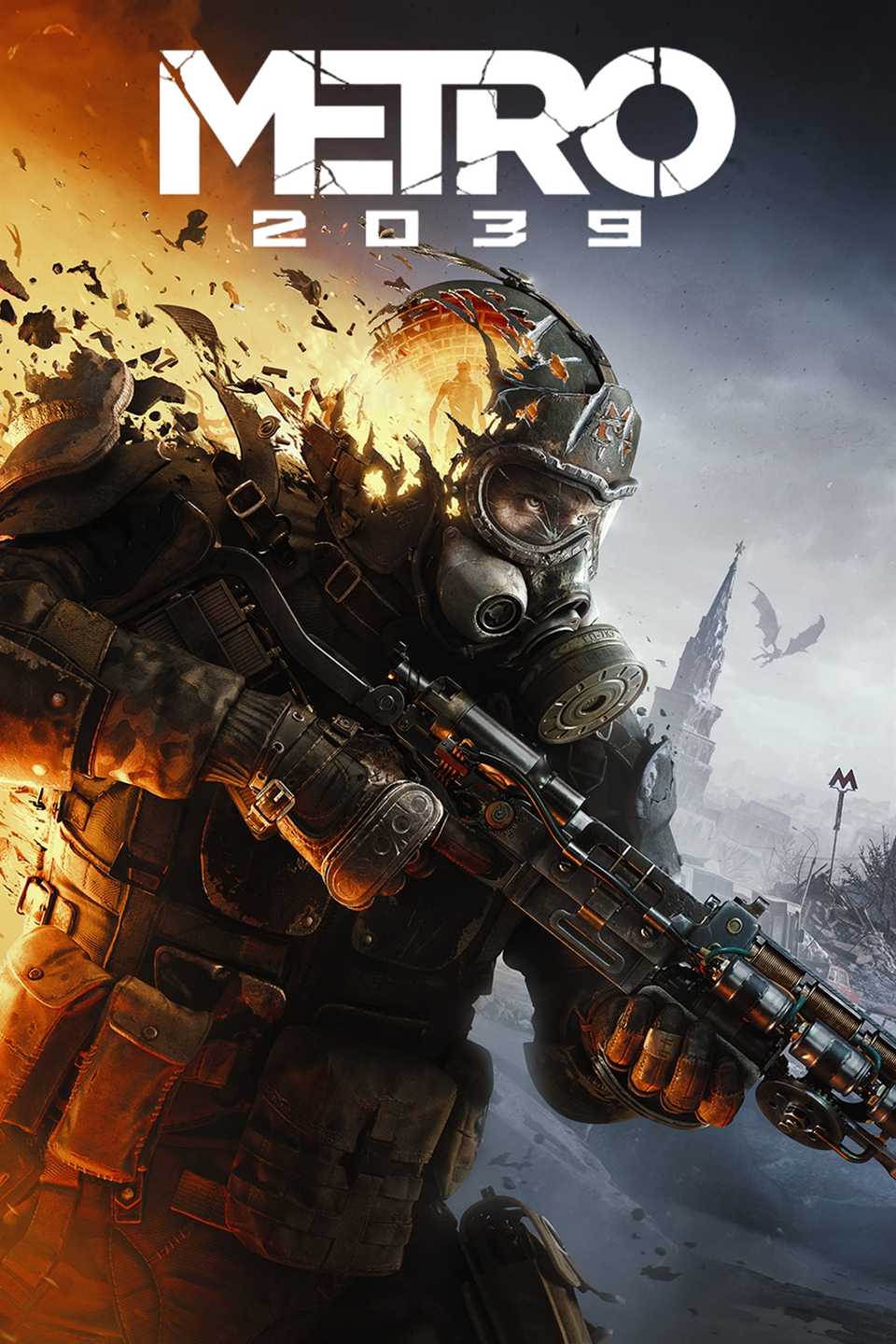
Currently, Metro 2039 doesn’t have a firm release date, but it has been confirmed to launch in February 2027 nonetheless, and as a massive fan of the Metro series and someone who is really looking forward to playing the next entry, I feel a bit gypped that no one is including it in the Fable vs. God of War Laufey discourse. Of course, as a first-person survival horror game, I know Metro 2039 is a bit more niche compared to those other two titles, and I’ll admit that I’m looking forward to both Fable and God of War Laufey probably just as much as Metro 2039. Even so, just because Metro 2039 doesn’t have a release date yet doesn’t mean it shouldn’t be talked about in the same breath as Fable and God of War Laufey. Especially when, so far, everything that has been revealed about Metro 2039 makes it seem like it could be the entry that puts the series back into the spotlight and potentially even gives it the mainstream treatment it has long deserved.
Metro 2039 Could Be February 2027’s Dark Horse
First off, let me state that both Fable and God of War Laufey have earned their places in the “February 2027 games at war” conversation. Fable is a highly, highly anticipated reboot of an exceedingly beloved franchise, and everything about it just looks fantastic at this point. God of War Laufey also belongs to a very popular franchise, and one that has only increased in its prominence in recent years due to Santa Monica’s ability to successfully reboot it with respect to the original series while modernizing it for new audiences. That being said, neither Fable nor God of War Laufey has been able to avoid controversy since they began their initial marketing cycles, and that could be what allows Metro 2039 an edge in the competition.


Guess the games from the emojis.
Guess the games from the emojis.
Easy (120s)Medium (90s)Hard (60s)
Fable and God of War Laufey’s Controversies Give Metro 2039 a Leg Up
Both Fable and God of War Laufey, for instance, have ironically faced backlash for their protagonists. God of War Laufey is the more recent subject of controversy, due to its decision to temporarily replace Kratos with the female protagonist, Faye. Some fans simply believe God of War should always star Kratos and are skeptical of a full game built around his late wife, which is interesting considering Kratos’ arc was satisfyingly wrapped up in God of War Ragnarok‘s Valhalla DLC. Other reactions have, unfortunately, been explicitly misogynistic, treating the existence of a female-led God of War game as the problem by itself.
Fable is set to release on February 23, 2027, for Xbox Series X/S, PC, and PlayStation 5. Meanwhile, God of War Laufey is set to launch one week earlier, on February 16, 2027, exclusively for the PlayStation 5.
Fable‘s controversy has been similarly focused on its marketed protagonist, though the fire has dwindled lately after Playground Games confirmed players would be able to create their own character. Still, every complaint that bombarded Fable from its first big reveal has tainted its legacy in one way or another. From the get-go, some viewers mocked the appearance of the protagonist shown in Fable‘s earliest footage and trailers, described the character as intentionally unattractive, or accused Playground Games of making Fable “woke.” While that controversy is now largely behind the game, it has also faced backlash for its modernized take on the franchise’s iconic good/evil morality system, which has now been replaced with a morality system that can only be described as “gray.”

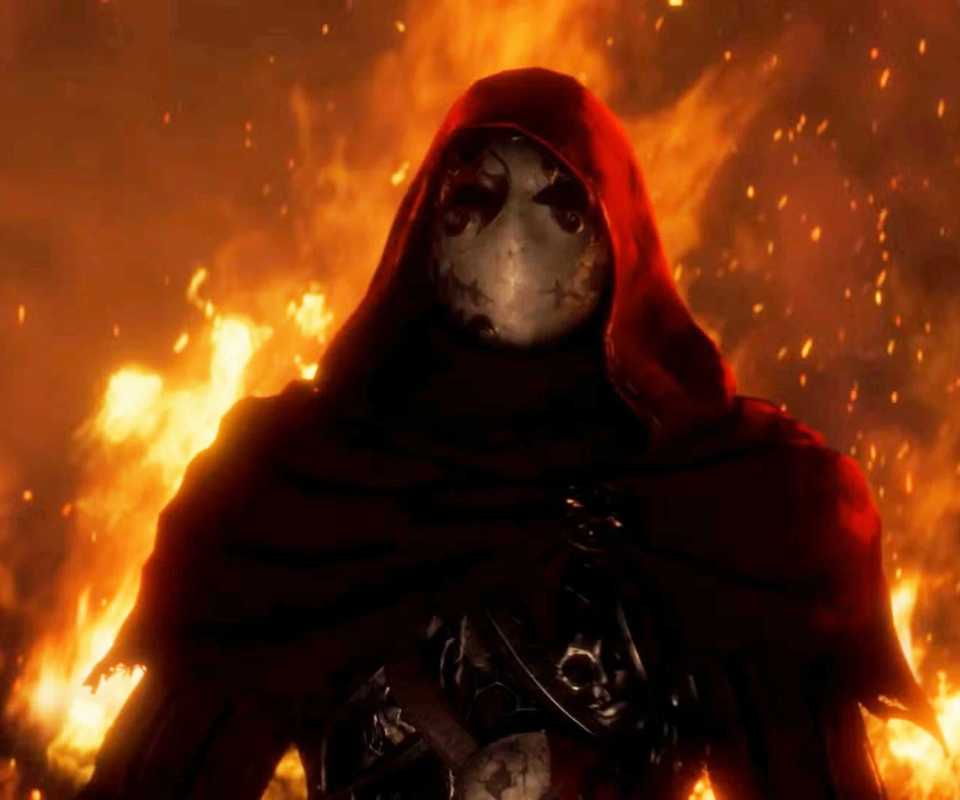
Needless to say, Fable and God of War Laufey have been targets of criticism for “messing with” two well-known established franchises a little bit too much, which is understandable considering what they’ve meant to the industry for decades. Metro 2039, on the other hand, has a bit more wiggle room to make some changes, as it is the fourth entry to a video game series that began in 2010 but has remained within its niche and therefore avoided universal popularity. This particular installment could change that, though, not just because of the controversy that Fable and God of War Laufey have faced, but also because of what it is bringing to the table and how it is transforming the franchise.
Metro 2039’s Key Features and Improvements
- VOICED PROTAGONIST – The Stranger becomes Metro‘s first fully voiced lead.
- RETURN TO MOSCOW – The series returns to claustrophobic tunnels and irradiated streets.
- DARKER STORY – Hunter’s fascist regime drives Metro‘s most shocking chapter.
- HANDCRAFTED WORLDS – Unique “frozen stories” deepen environmental storytelling throughout every area.
- TACTICAL SURVIVAL – Weapon maintenance, limited ammunition, and misfires heighten combat tension.
- EXPANDED ARSENAL – New weapons, items, and reimagined favorites broaden player options.
- DEADLIER MUTANTS – New variants threaten players above and below Moscow.
- DEEPER EXPLORATION – Environmental interactions create more ways through dangerous spaces.
- IMMERSIVE INTERFACE – Physical instruments and in-world objects replace traditional interface elements.
- ADVANCED ENGINE – Enhanced ray tracing pushes 4A Engine’s visuals further.
- NEWCOMER FRIENDLY – A fresh cast offers an accessible jumping-on point.
The key to bringing any niche franchise to mainstream status doesn’t always mean its genre has to change. Sure, survival horror games are always going to appeal to a particular group, but the success of games like Resident Evil Requiem prove that the days of niche genres might be coming to an end, simply because developers are finding ways to bridge the gap between their current and potential audiences. As such, what Metro 2039 needs to do more than anything else is not avoid being a first-person survival horror game but instead find ways to appeal to newcomers by making necessary improvements and modernizing itself accordingly.
So far, everything that has been revealed about Metro 2039 makes it seem like it could be the entry that puts the series back into the spotlight and potentially even gives it the mainstream treatment it has long deserved.
One of the clearest ways it’s doing that is by featuring, for the first time in the Metro video game series, a fully voiced protagonist in the Stranger. Prior to Metro 2039, every game in the series has featured a silent protagonist, though the franchise’s world has long been known for how alive everyone else, who are voiced, feels. While it’s undoubtedly a controversial move for some long-time fans of the Metro series, it’s likely to attract newcomers who prefer it when they feel like the character they’re playing has a distinct personality that can be measured in their dialogue.
Metro 2039 is also making improvements to the series’ environmental detail, exploration, immersion, and combat, all of which offer something unique that almost no other gaming franchise can. Its physical instruments and in-world objects should, theoretically, help preserve the grounded immersion the series has always been known for, while its expanded environmental interactions and “frozen stories” could make exploring Moscow feel more rewarding than ever. Then there’s the combat, which is doubling down on weapon maintenance, limited ammunition, misfires, new equipment, and deadlier mutants rather than sanding off the rough edges that have always made Metro feel so tense. Throw in the return to Moscow, enhanced ray tracing, and a story centered around Hunter’s fascist regime, and Metro 2039 already sounds like the kind of sequel that knows exactly what needs to change without forgetting why people fell in love with the series in the first place.
Now, do I think Metro 2039 is going to outsell Fable or God of War Laufey? Probably not, and honestly, it doesn’t need to. Those games belong to bigger franchises, have much louder marketing behind them, and are naturally going to dominate most of the February 2027 conversation. Even so, Metro Exodus, the most recent entry, already proved this series can reach millions of players, and Metro 2039 looks like it could take that momentum even further by being more accessible, more ambitious, and more modern without losing its identity. Fable and God of War Laufey can keep fighting over which one owns February 2027, but Metro 2039 might be the game that sneaks up on everyone while they’re too busy watching the other two.

- Released
-
February, 2027
- ESRB
-
Mature 17+ / Intense Violence, Blood, Language