







Next February, Fable will try to deal with one of the most enduring contradictions in the open-world RPG genre. The genre does, after all, have a fondness for a desperate inciting incident—a kidnapped child or sibling, a death sentence, a ticking clock—even if that ticking clock clashes with the wanderlust, exploration, and limitless adventuring the genre is predicated on. Fortunately, Fable‘s answer to that tension is actually deceptively simple: create an emergency that can afford to wait.
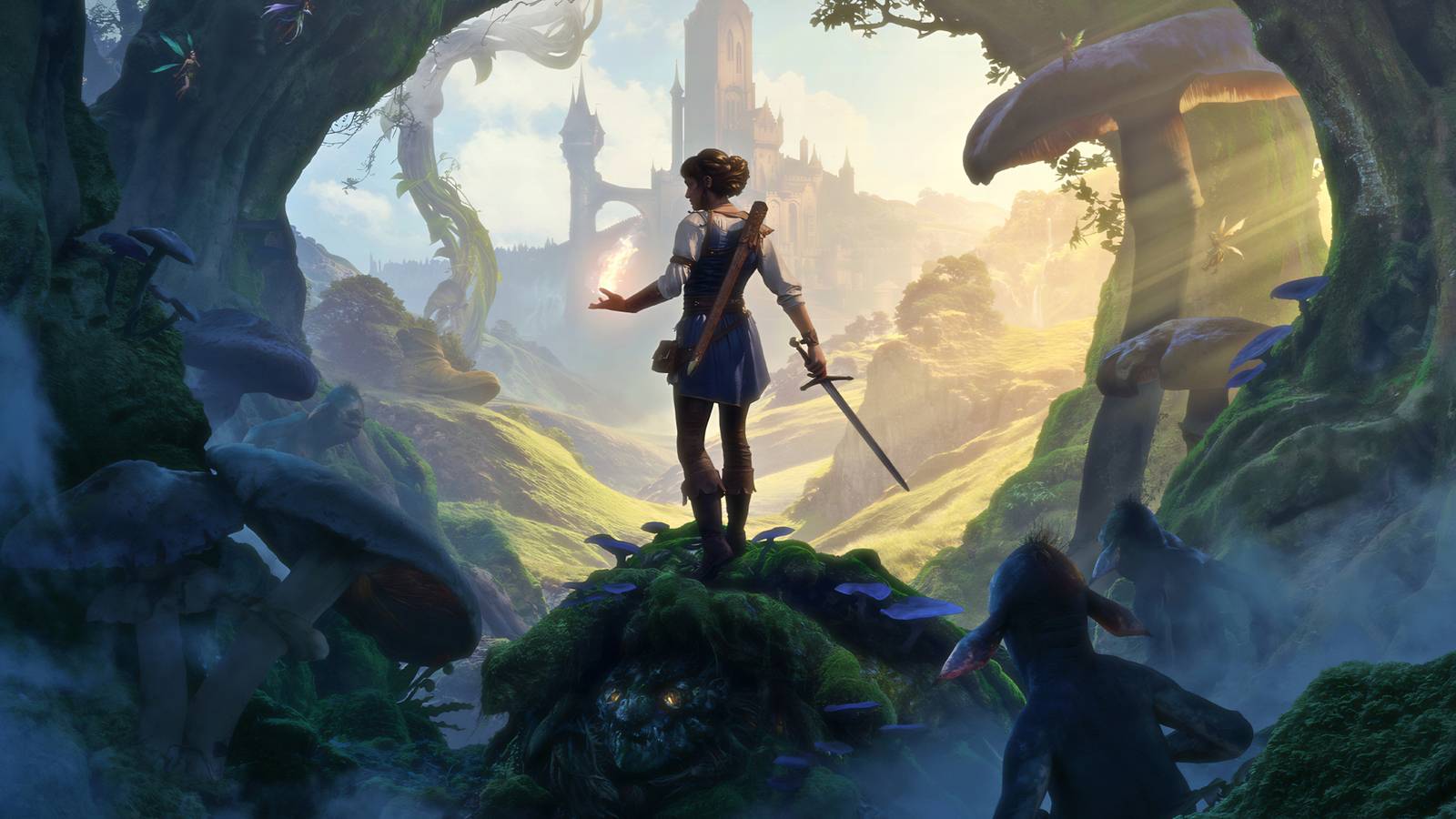
According to Playground Games, Fable‘s inciting incident sees the player’s home-turf village being turned to stone; that’s pretty clever, all things considered. See, stones may grow mossy, but they don’t starve or bleed out, and though it’s a small decision on the page, it’s got enormous downstream consequences for the player. It’s an even more impressive creative call, given how insistently this series has built its openings around family emergencies nobody should reasonably ignore, too.
The Paradoxical Nature of Open-World RPG Narratives
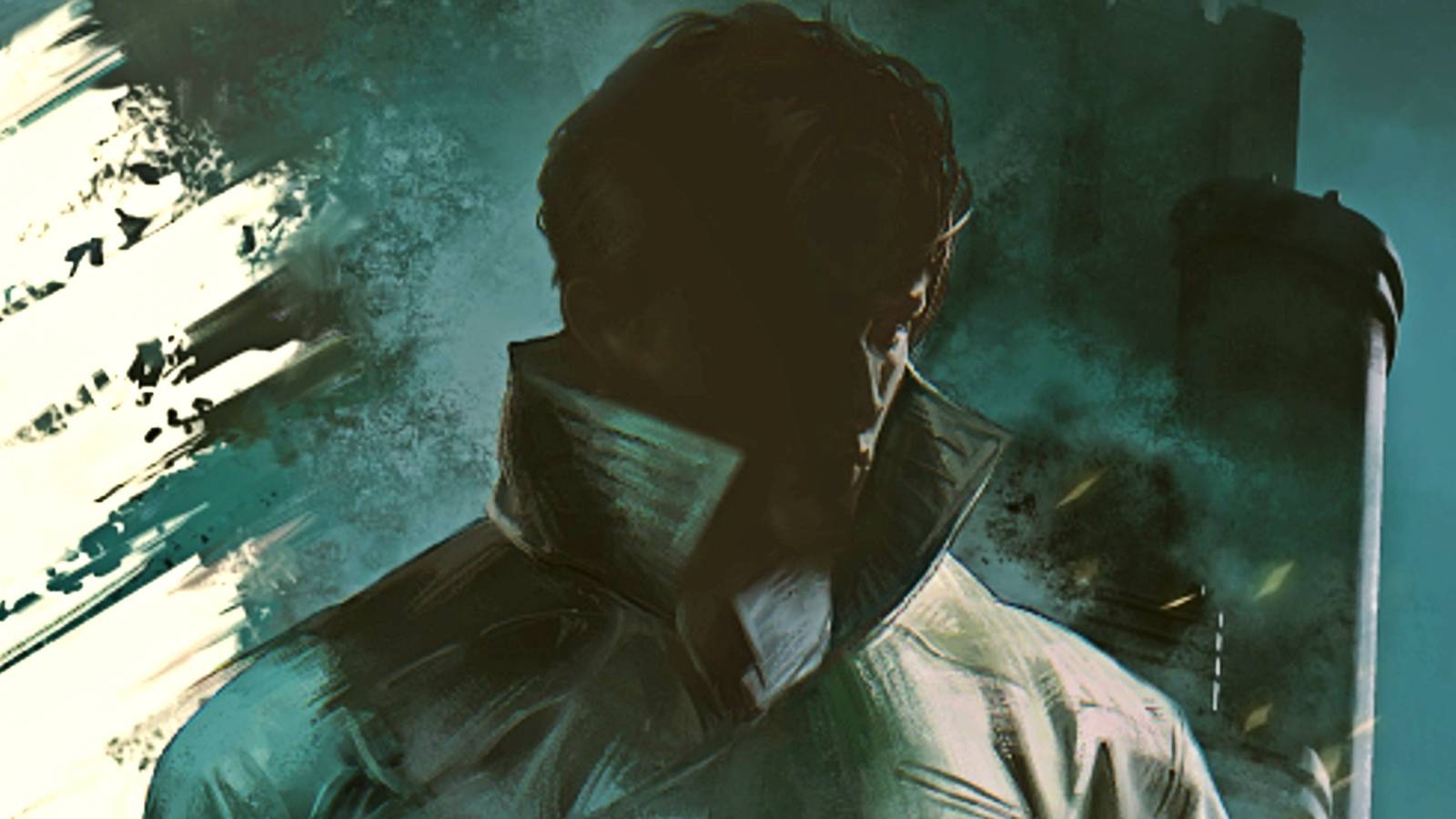
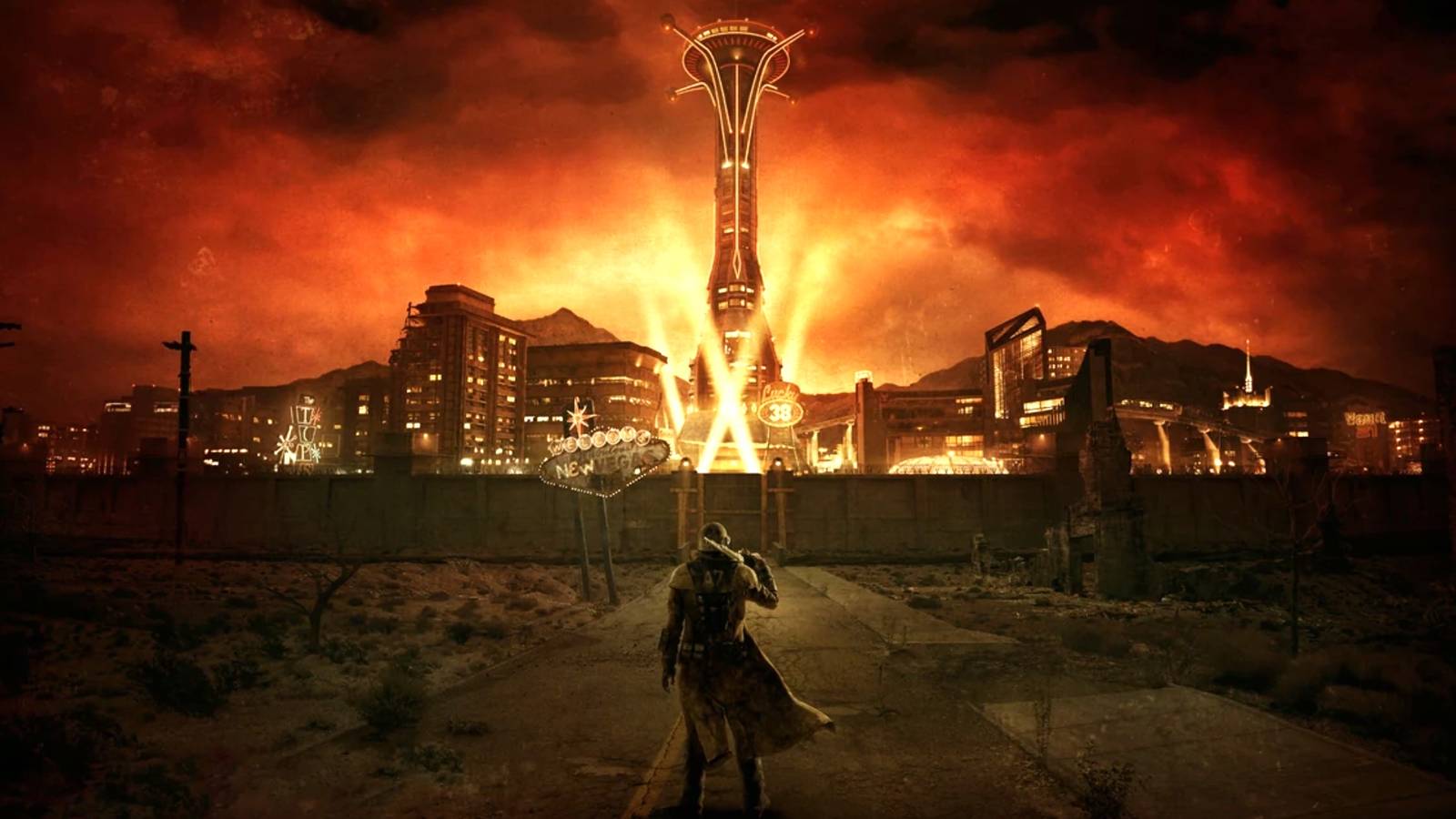
For context, the contradiction I’ve alluded to is pretty simple: the narrative of any game should be grand, urgent, or motivating at the very least, but in the case of an open-world RPG specifically, it also shouldn’t dissuade the player from exploring or having their own fun. It’s a subtle enough issue, but it’s ubiquitous enough to have turned up in even the most prestigious titles of the genre’s last decade. Some examples, just off the top of my head: Fallout 4′s main quest opens with a stranger murdering your spouse and stealing your infant son, then sets you off to spend eighty hours sorting junk and building settlements.
Click or tap on the games that match the category
Cyberpunk 2077 pulls the same trick with a biochip actively overwriting V’s brain, which is a countdown the fiction measures in weeks and the player measures in side-gigs. The Witcher 3 has Ciri pursued across the Continent by the Wild Hunt while Geralt goes on a Gwent world tour (that’s what my Geralt is doing, anyway). Of course, these are great games nonetheless, but it is a consideration that often goes overlooked; when the story’s most urgent question is the one the game is least interested in answering quickly, it’s a very tangible feeling.
It all comes down to a game’s narrative mismatch between perishable and static stakes. Perishable stakes decay via in-game time, so every hour a player spends in the game doing something else is an hour lost. Static stakes progress at fixed points in the story, and though they are often less outwardly appealing, they provide a level of stability that lets a player wander without feeling that their exploration is akin to negligence.
Fable’s Fix Happens on the Page, Not in the Systems
In an interview with Xbox Wire following Fable‘s January Developer Direct, game director Ralph Fulton laid out how the game will approach this problem. In Fable, you begin as a child, your heroic powers emerge, and a time jump returns you to Briar Hill as an adult—where a mysterious stranger has turned your grandmother and everyone else in the village to stone. Your only lead is that stranger, and your grandmother’s parting words nudge you toward the Heroes’ Guild in Bowerstone. As Fulton stated:
The nature of our game is that as soon as you leave your village, you can go pretty much anywhere. It’s truly open world, so the world is yours to explore. And we’ve written the story so that although there are stakes – your grandmother, your village – there’s no ticking bomb.
From the player’s perspective, petrification supports the load-bearing idea there because a statue doesn’t have an expiration date. Of course, the Heroes’ Guild hint will give players some direction to follow as they go about saving the day, but that doesn’t have many strings attached to drive players away from the game’s other systems. So as it stands, Playground looks like it’ll give players every reason to care, without any of the pressure, and that’s pretty refreshing, considering those two things almost always ship as a package deal.
How Fable’s Systems Structure the Stone

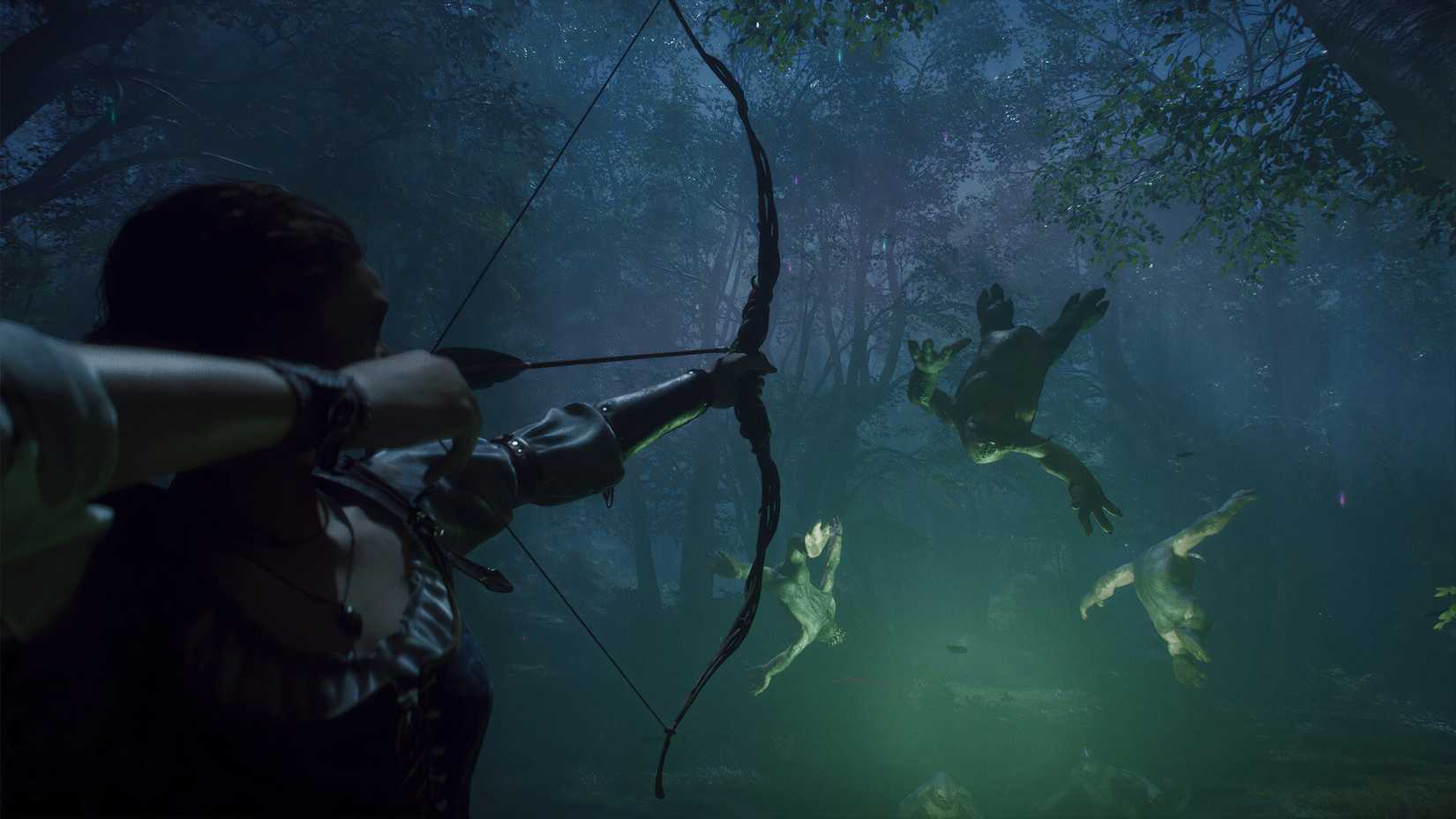
In terms of the mechanical follow-through on this idea, Fulton has been equally direct about the systems half, ruling out level gating and describing progression as something shaped around free movement through this new version of Albion. He also splits the audience into “Bards”, who mainline the story, and “Architects”, who go stress-test the sandbox, and says the population of over a thousand NPCs connects to the main quest in the lightest possible way so that nobody is forced through it to progress. That might be a double-edged sword for some, but it does leave the player’s options open as they stand.
Learning From Fable’s Past Mistakes
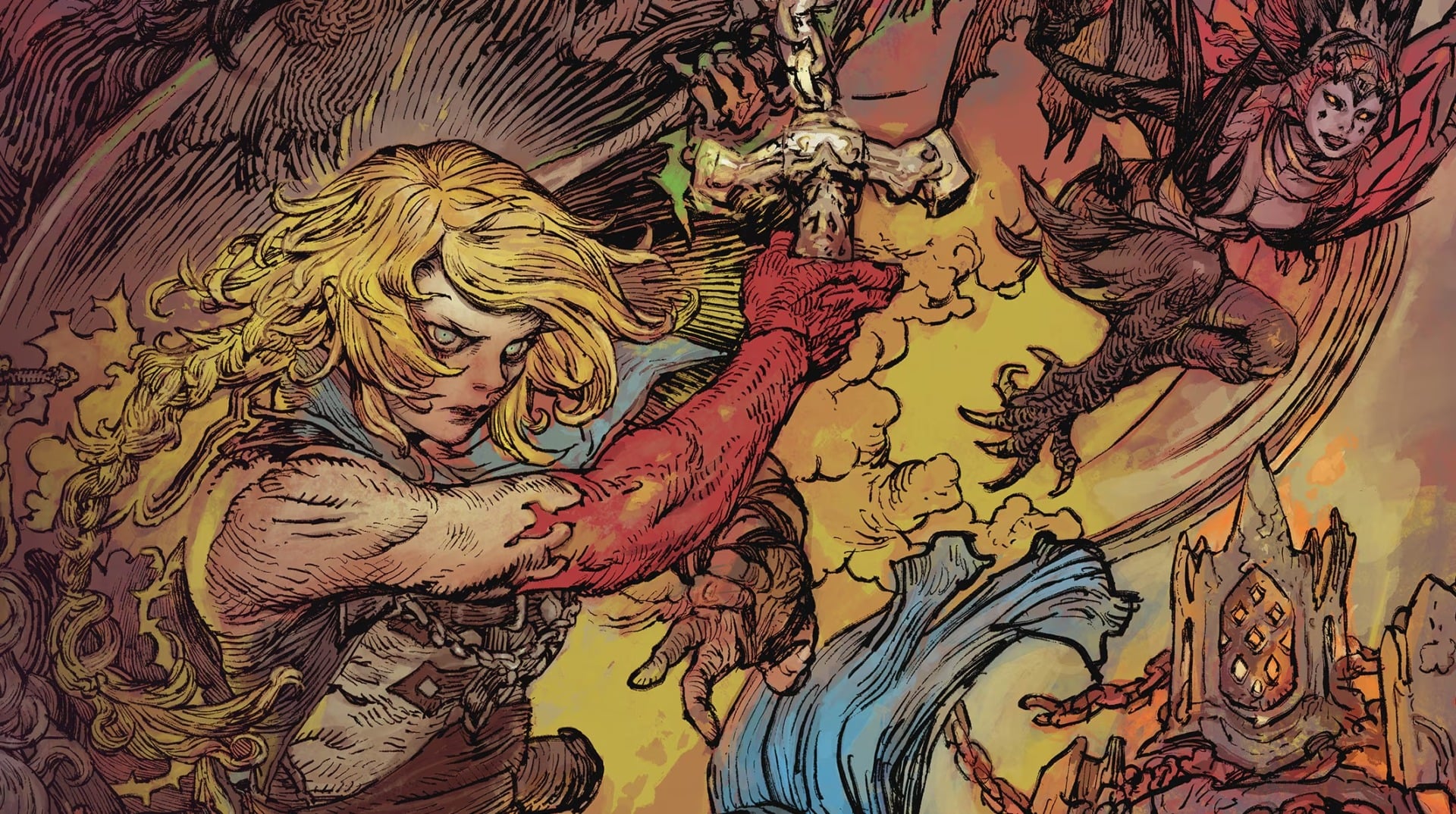
What’s interesting about this new take is that this franchise has encountered this problem before. I love Fable 3—warts and all—but its latter stretch hands you the throne alongside a countdown: 365 days until the Darkness arrives, and a treasury that needs 6,500,000 gold to save every citizen. It’s the most explicit ticking clock the series ever built, yet it somehow manages to feel stressful and meaningless simultaneously.
Playground looks like it’ll give players every reason to care, without any of the pressure, and that’s pretty refreshing, considering those two things almost always ship as a package deal.
It was an interesting idea, but in gameplay terms, the days didn’t actually pass as you played. They jumped in preset chunks whenever you finished a round of throne-room rulings, and late in the run the calendar skipped from over a hundred days remaining straight to the last one. Gold, meanwhile, accumulated from property rent in real time, which meant the optimal strategy for saving Albion was to negate any choice entirely, by putting the controller down and letting the money pile up.
The first two games were less explicitly urgent, but they had similar pitfalls, to be sure. Fable opens on a raided Oakvale with your mother and sister gone, while Fable 2 kills the protagonist’s sibling inside the first hour — only to spend the rest of its narrative runtime centered on that valid revenge, regardless of what the player is actually doing. Family catastrophe is the series’ foundational premise, which makes the stone village a clever way to preserve that emotional core while defusing its worst side effects.
Ultimately, none of this has been publicly demonstrated, but there’s no reason to believe it won’t play out as described. And at face value, this is the right kind of fix; it lives in the premise instead of the game’s systems. If the rest of Albion honors what page one already promises, Fable‘s release on February 23, 2027, will have leaped over something the genre normally spends its entire runtime apologizing for right out the gate.

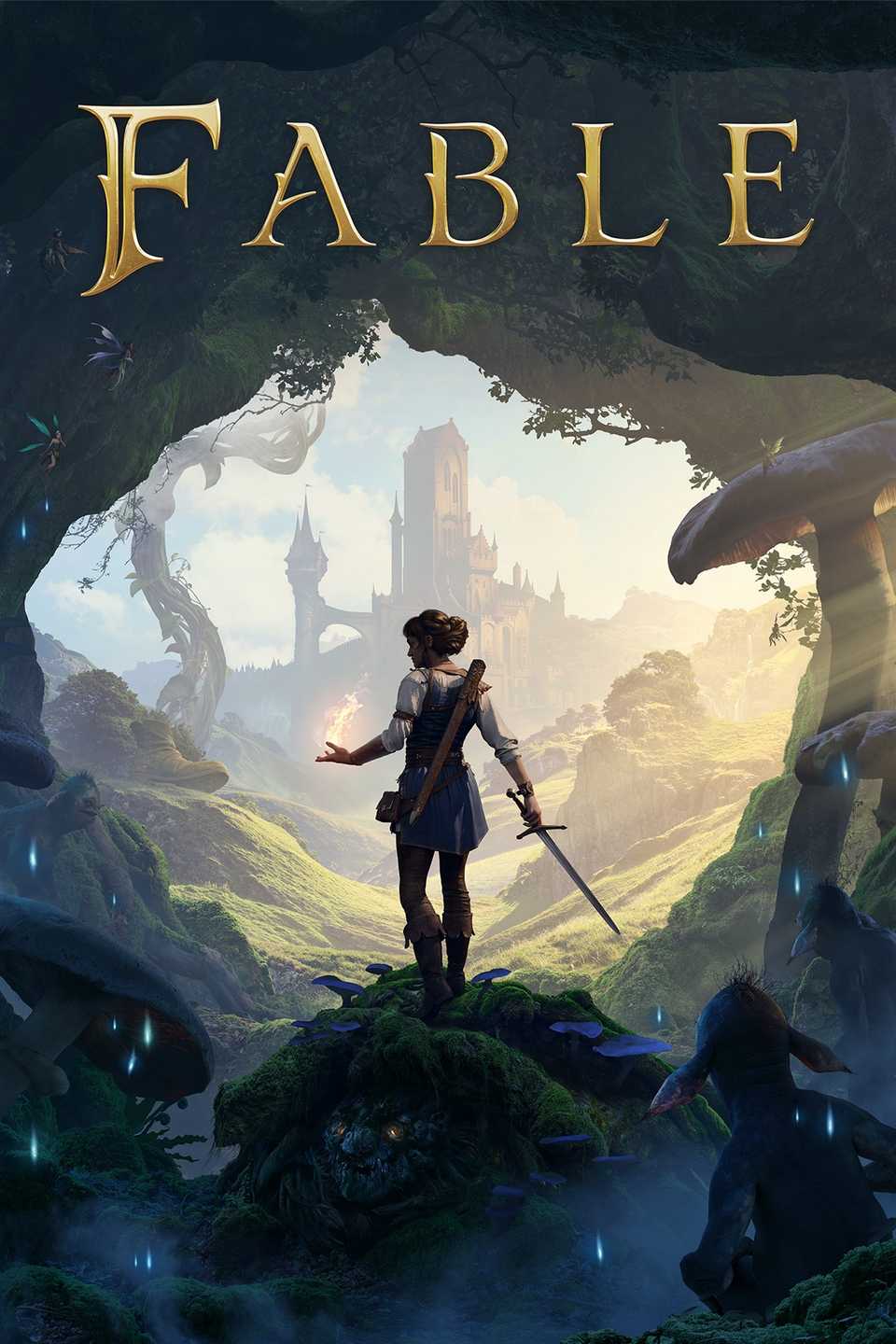
- Released
-
February 23, 2027
- ESRB
-
Mature 17+ / Blood, Sexual Themes, Strong Language, Violence
- Publisher(s)
-
Xbox Game Studios
- Engine
-
unreal engine 4, forza tech