


Playground Games has recently confirmed that the upcoming Fable reboot will have a modestly sized campaign and body of side content, eschewing genre tradition. It should go without saying that the open-world RPG genre is obsessed with its worlds, and making those worlds as big and beefy as possible has therefore often been the default modus operandi for most AAA developers in the space.
But it doesn’t necessarily have to be, and Fable may help prove that. According to Playground Games, the main Fable campaign will take roughly 15–20 hours to complete, with an additional 15–20 hours provided through structured side content like quests. Being generous, that means that Fable probably has about 40 hours’ worth of handmade narrative and gameplay content on offer. But there are also the life simulation aspects of the game, such as marrying a spouse, buying property, and having children, which Playground Games describes as “limitless.” It’s too early to call, but this balance of limitless and highly controlled content could wind up working in Fable‘s favor.
The Pros of Fable’s Digestible Playtime
-
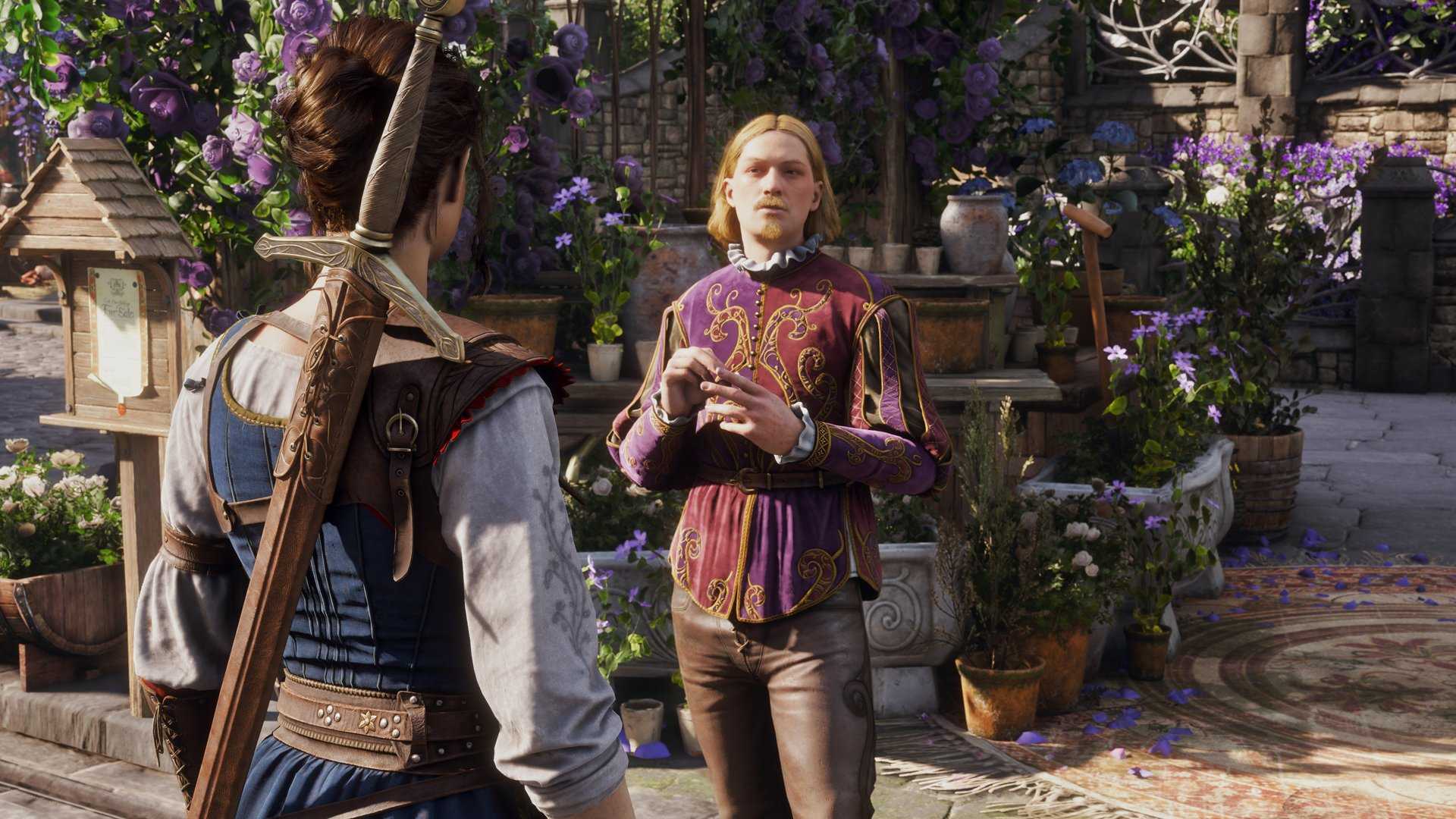 Image via Playground Games
 -
-
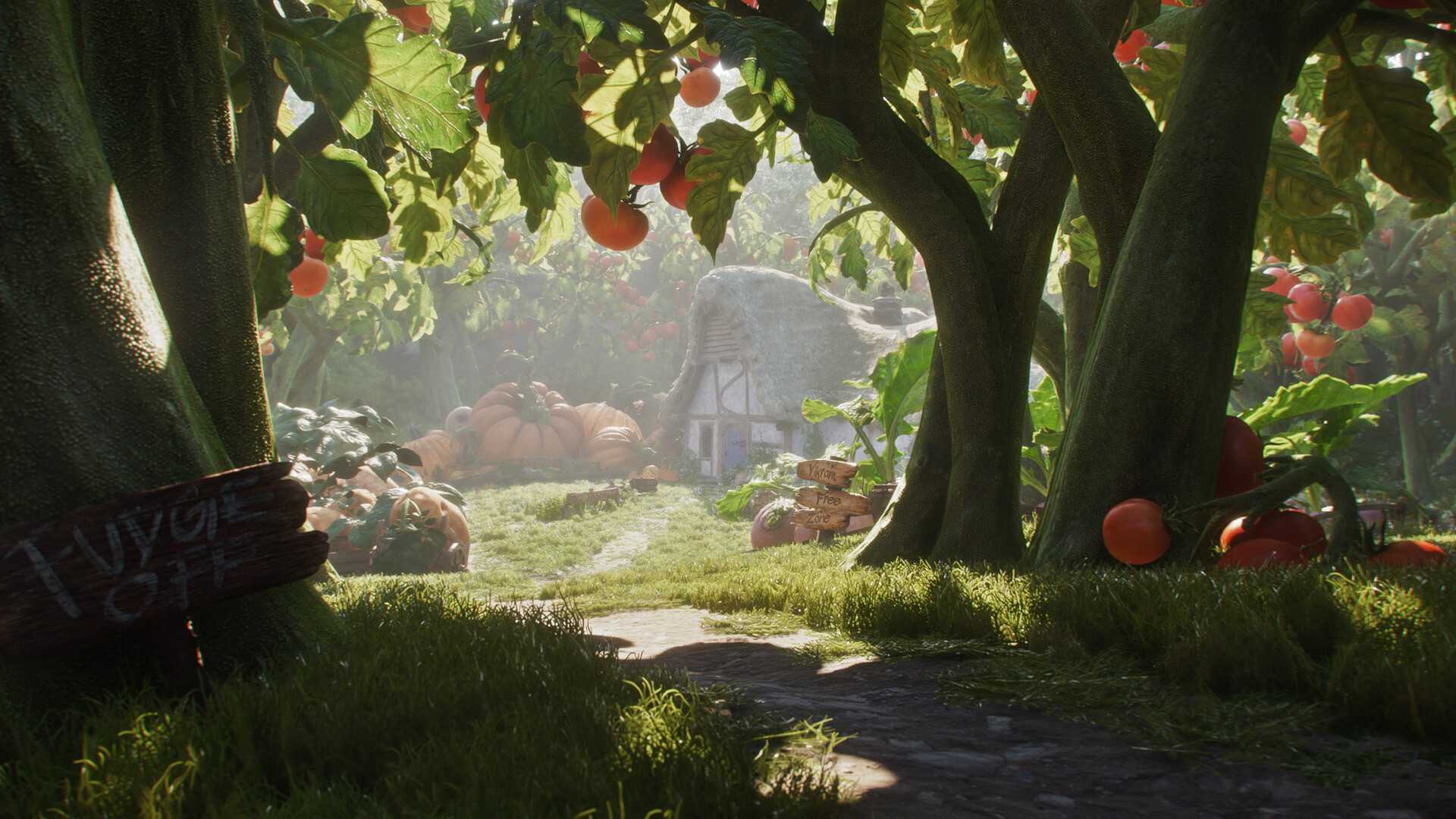
It’s been said many times already, but an intense fixation on size, scope, and scale can often work to a game’s detriment. It’s true that leading publishers and developers, even today, tend to lean into quantity over quality. One only needs to look at recent releases in the Assassin’s Creed and Far Cry franchises to see how such overwhelming abundance can actually undermine a game’s strengths.
It seems like the AAA space may be learning a bit from this, especially given the rise of AA and independent games: it’s been demonstrated time and again that players don’t necessarily need 100+ hours of content from every title. Of course, there are also games that are praised for their breadth and volume of content, like Baldur’s Gate 3 or Elden Ring, but these should be treated more like exceptions than standards. Not every studio can make 100+ hours of great RPG gameplay and story, and not every premise demands that.
-
-
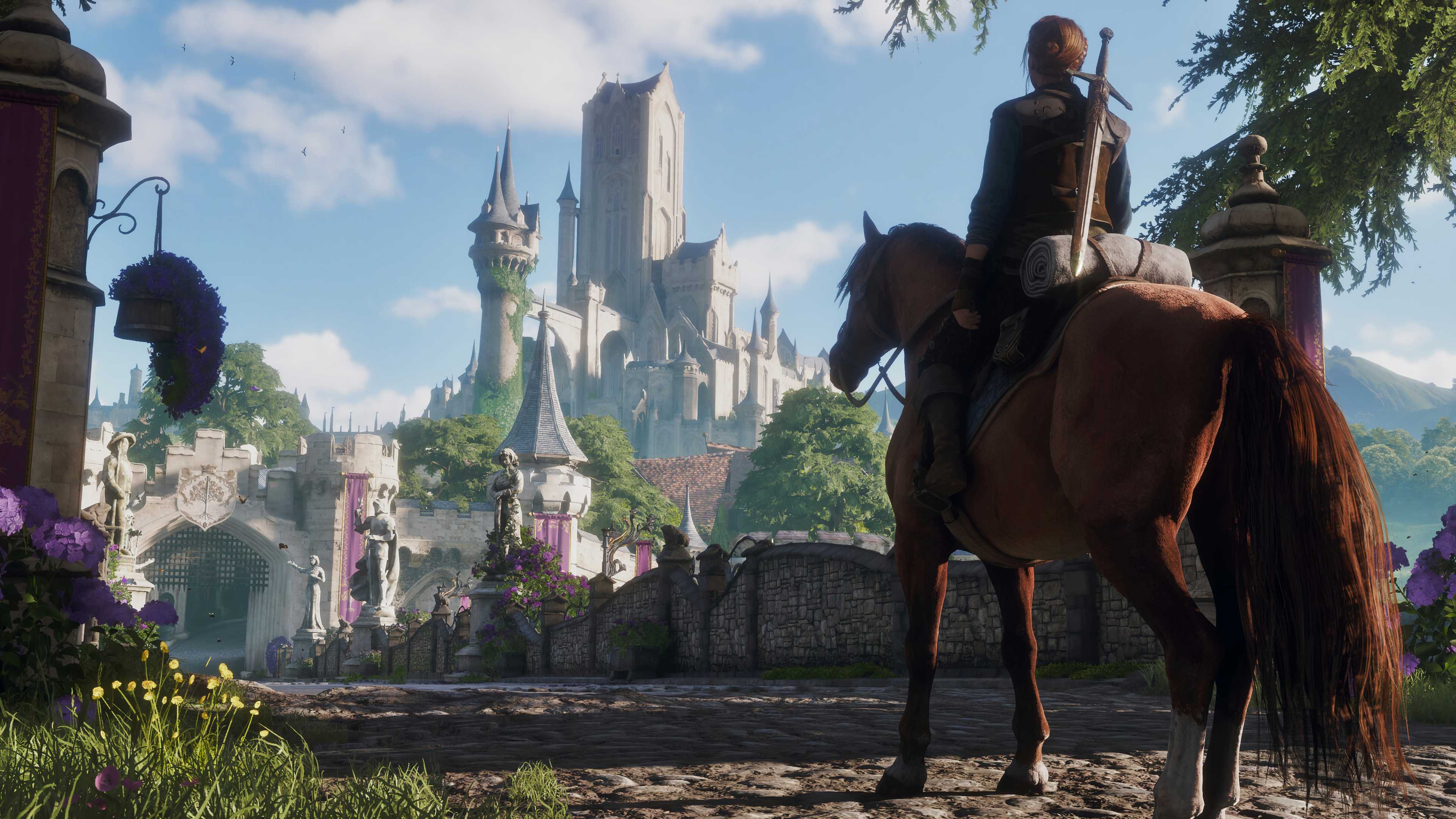
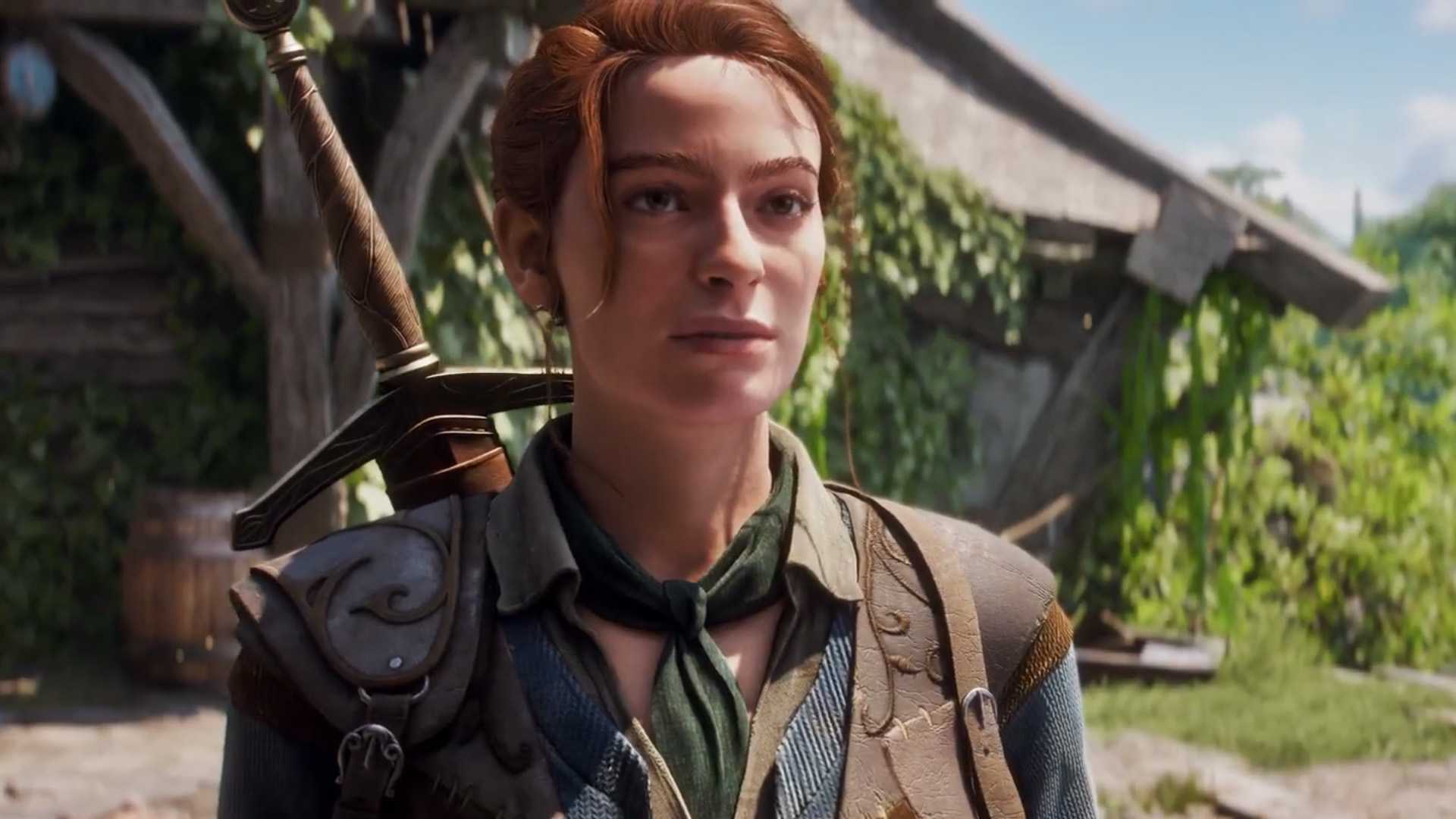 Image via Playground Games
 -
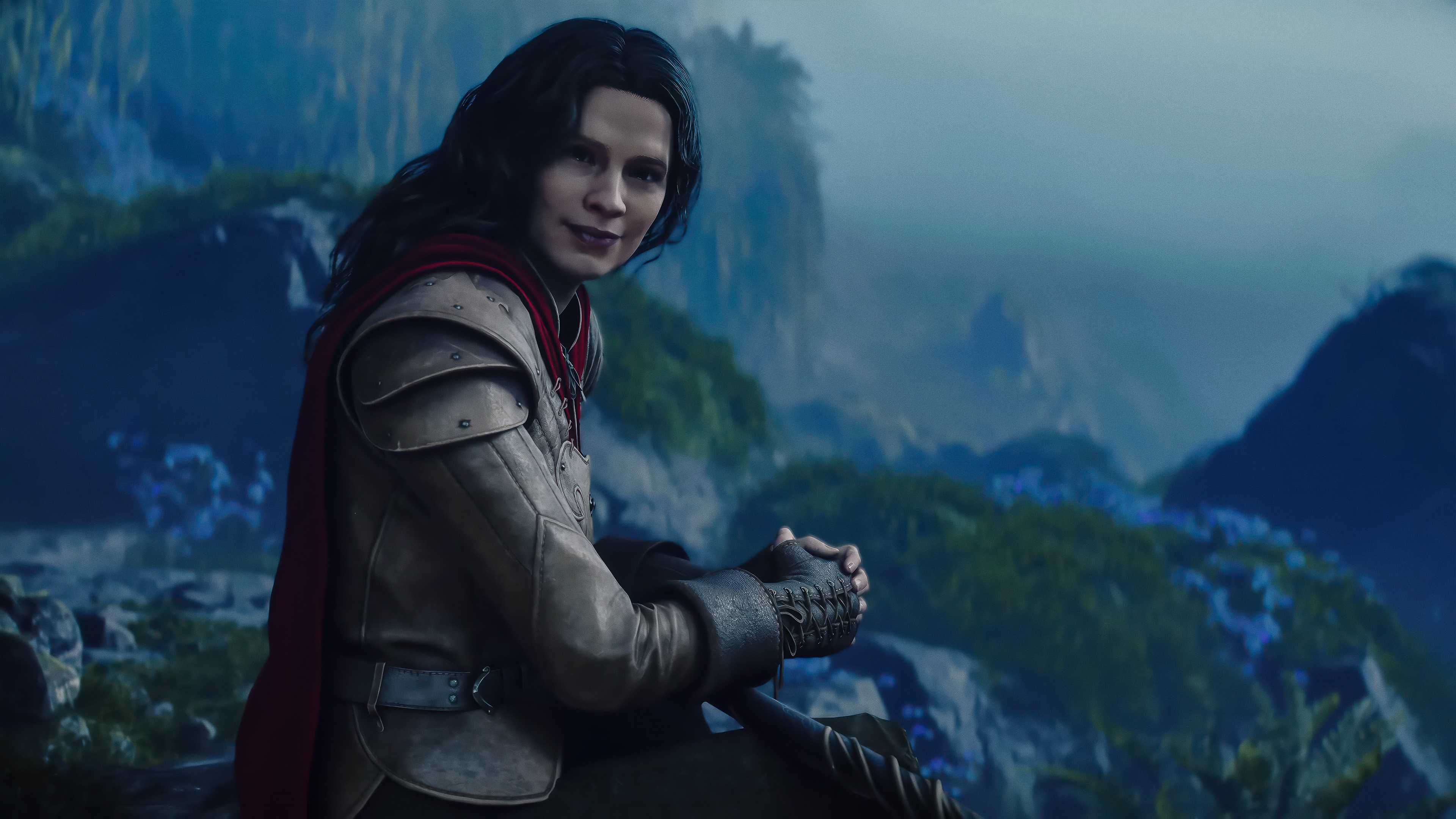 Image via Xbox Game Studios
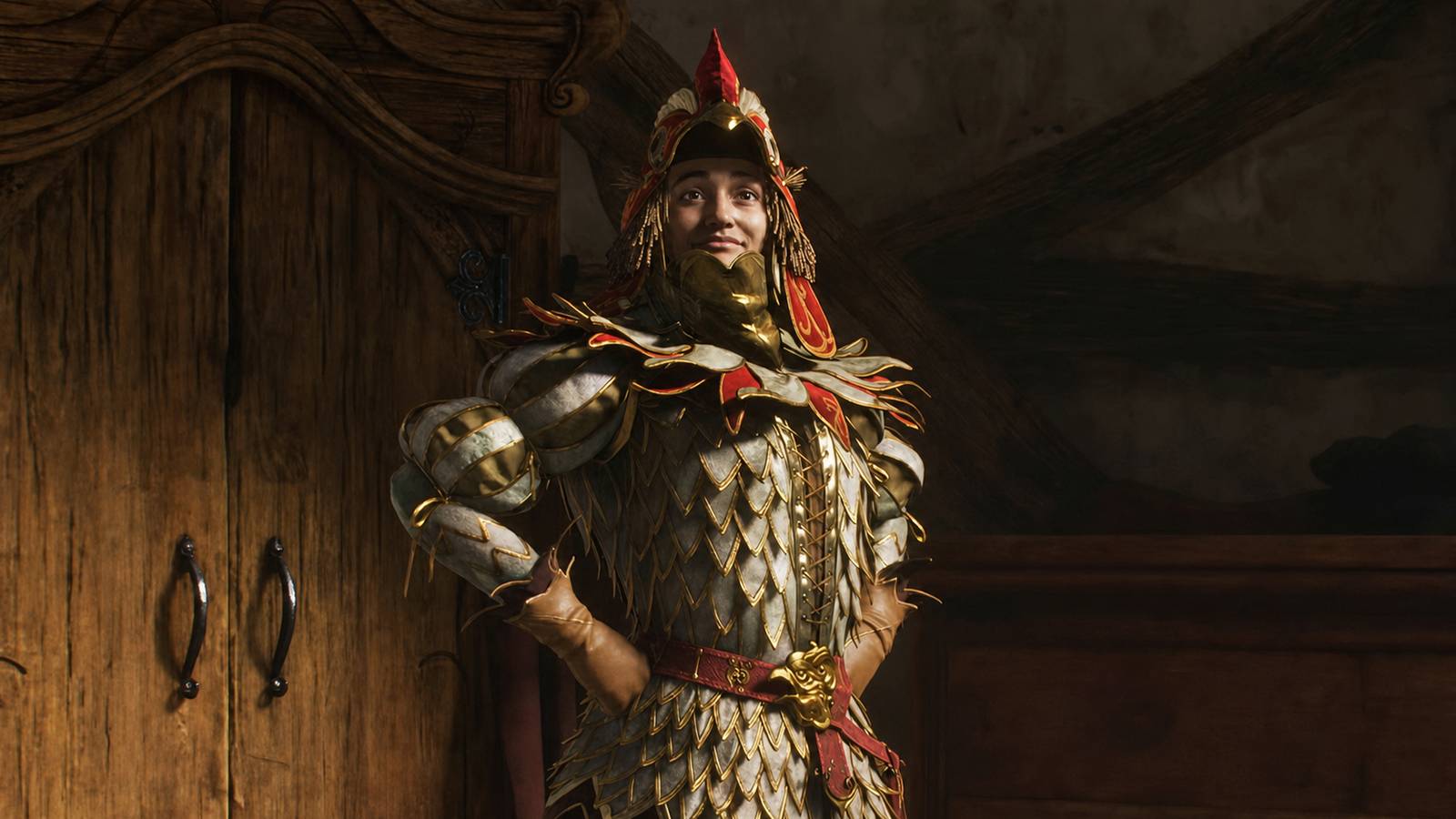
For a game like Fable, which will ostensibly be more about capturing the vibes and magic (literal and figurative) of the original Fable trilogy, a swollen time-to-beat just isn’t necessary. In fact, the dark fairy-tale nature of the Fable franchise may actually lend itself better to a shorter campaign, as the plot can thereby move at a more efficient and engaging pace. Again, some stories benefit from having as much legroom as possible, but Fable‘s may not necessarily be one of them.
Side content’s a bit trickier. After all, you might think that there’s no real upper limit to this sort of thing, since it’s all optional in the first place. However, expanding a game with abundant side quests or challenges can also mean stretching creative means too thin, resulting in a lower average quality level for the game as a whole. Then there are the knock-on effects on design pillars like progression and reward economy, which would potentially need to be diluted to make way for more activities. Finally, there are the practical concerns associated with making a video game: given finite time and resources, making a game bigger can also mean watering it down.
Fable’s Life Systems and Replayability Need to Be Up to Snuff
To be clear, I don’t think that a game’s content volume or campaign length should be considered irrelevant when evaluating its quality. Like most gamers, I have limited money, and if I buy a game for $70, I expect more than 20 hours of entertainment, whether that comes from a story-driven campaign, side content, or replay value. I suspect that my view on this may be more lenient than the average; I’ve seen plenty of gamers argue that a game should provide at least one hour of fun for every dollar it costs, or adhere to some other, similar equation, to be considered worthwhile.
…given finite time and resources, making a game bigger can also mean watering it down.
However you define a game’s quality, it’s fair to say that Fable, a title that’s been hotly anticipated for more than fifteen years now, shouldn’t feel too short. 40 hours of combined playtime from campaign and side quests can be good, but only if those are 40 really good hours—if there’s too much filler in that balance, then most players won’t reach the maximum playtime at all, making Fable‘s effective length potentially much shorter.
That hurdle is a fairly obvious one—main and side content should always strive to be as strong and polished as possible. More interesting, in my opinion, is the load that Playground Games is putting on Fable‘s “limitless” life sim systems. In previous Fable games, the player could get married, have children, become a landlord, and manage various relationships with NPCs. This is fun, but aside from a few notable in-game events, the life simulation side of the Fable trilogy is mostly bare bones. Such features were novel during their era, but this next Fable will need to add more depth and complexity to keep the life simulation consistently interesting for modern players.
Fable 3 is currently the game for Fable to beat in terms of the number and variety of life sim mechanics.
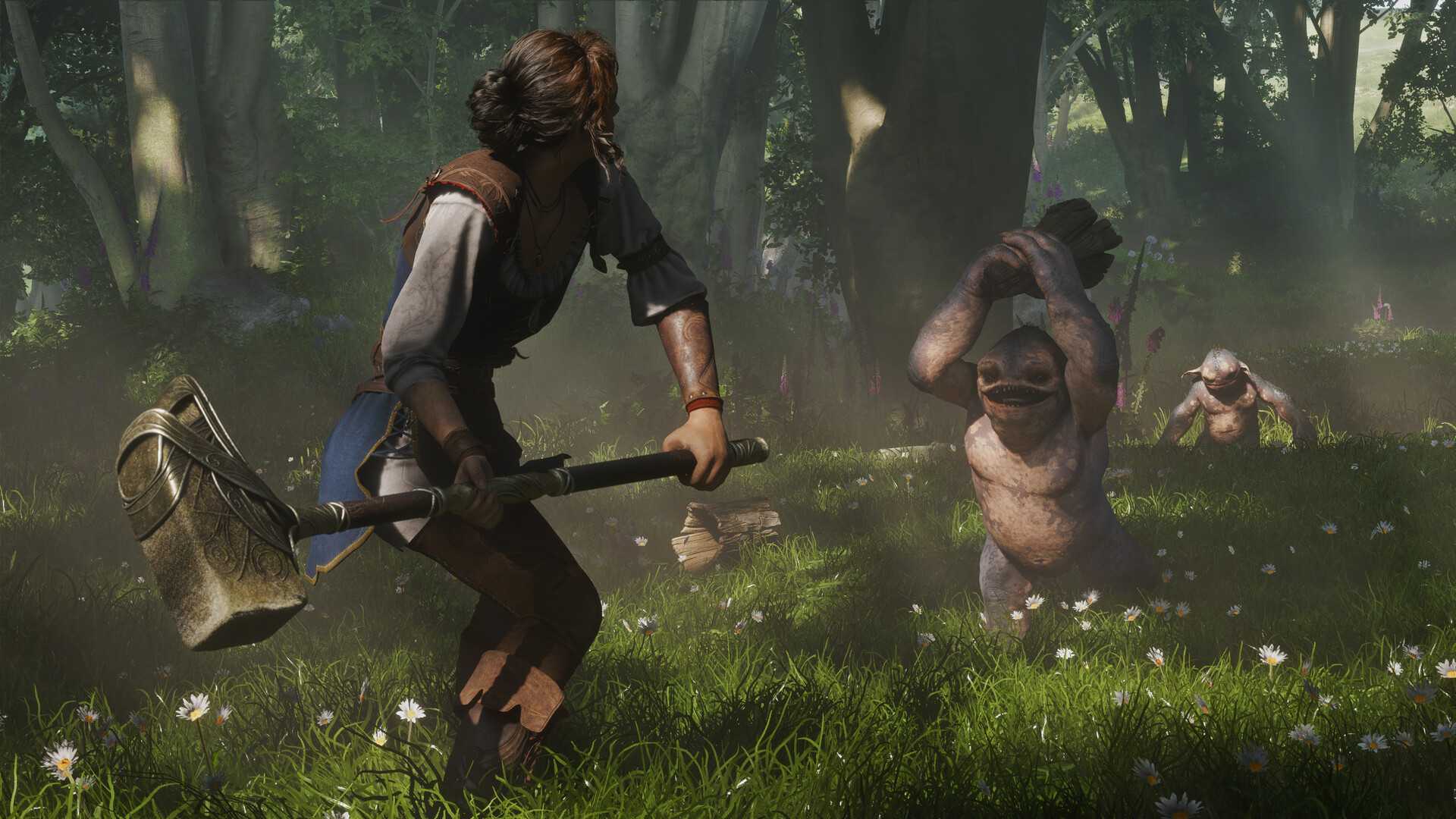
Then there’s overall replay value, which Fable has historically excelled at. While it’s disappointing that Fable won’t have the avatar-morphing morality systems of its predecessors, it does seem like Playground Games has a solid handle on the broader choice-based design that helps make the series compelling. There’s no more ethical binary, but the reboot will have a reputation system tied to player actions, and the wealth of different NPCs that Playground has teased, all of whom can be interacted with, should lead to a good bit of weighty, emergent gameplay, prompting additional playthroughs for the sake of seeing different outcomes.
I’m hoping that Playground Games nails these life sim and replay value elements, because Fable definitely deserves a big comeback. At the same time, I’ve waited since middle-school for the next Fable, and I’ll probably be rather disappointed if it turns out to be a blink-and-you’ll-miss-it sort of experience.

- Released
-
February 23, 2027
- ESRB
-
Mature 17+ / Blood, Sexual Themes, Strong Language, Violence
- Publisher(s)
-
Xbox Game Studios
- Engine
-
unreal engine 4, forza tech