






Open-world RPGs can often only be as good as the environments within them, and some of the most iconic and memorable places to explore are the larger cities that house the people of the land. However, in a lot of cases, when you step into the streets and start moving through the crowds of NPCs, it becomes apparent that a lot of the buildings are mere props whose only purpose is to fill out the space. But, in the new Fable, that trend is being removed entirely, as the developers have worked tirelessly to create and craft bespoke interiors for every house, shop, and structure inside the walls of Bowerstone.
What this means is that rather than being presented with a facade of a city, you are able to engage with the environment on a much deeper level, exploring the interiors of stores or even breaking into places you would otherwise have no way of accessing. By opting for a heightened level of immersion, Fable is setting itself up to be one of the more impressive modern RPGs that normally limit you to entering just a handful of buildings. But it does beg the question as to why other developers have avoided this kind of philosophy in the past. Is it because creating unique interiors for 100s of houses is too challenging, or is there a more philosophical reason related to how players typically perceive immersion in gaming?
Fable Is Making City Exploration Far More Immersive
The race to be the best RPG is one that has been going on for decades. Whether it’s an original fantasy, sci-fi, or a remake of an existing world, developers are all striving to create exceptional experiences by bringing their own individual selling points to wow the increasingly critical players. In the case of Fable, we already knew about the game’s dedication to authenticity with its NPCs, where there are over 1000 handcrafted characters to build relationships with, which could have been achieved with some nifty procedural tools, but the devs have their mind set on delivering an immersive RPG playthrough that should feel different for every single player.
That dedication to immersion doesn’t stop there, as we now know that even buildings are going to have a kind of individuality that would normally only be reserved for a much smaller number of structures. In a recent episode of the Official Xbox Podcast, Fable general manager and game director Ralph Fulton mentioned, “In our game, you can go inside every single building, every single house, whether you own it and you’re going home, or maybe you’re breaking into it to rob it, or it’s a shop — just an incredible footprint that I still can’t believe.” That level of detail is far beyond most of the competition, as a lot of games opt for a more zoomed-in approach that keeps the exploration to a few select rooms instead of opening up the whole city to be explored.
By opting for a heightened level of immersion, Fable is setting itself up to be one of the more impressive modern RPGs that normally limit you to entering just a handful of buildings.
On the surface, it seems like a bold move that may only serve to lengthen the developmental time, but as you start to dig deeper into the wider context of the game’s creation, you start to see that it is just another decision in a long line of clever moves. The story, for instance, removes the paradoxical nature of having an urgent quest whilst allowing you to endlessly explore a giant world, and what better way to play into that idea than by giving the player dozens, if not hundreds, of additional locations to discover that all offer the chance to see something new.


By having actual distinct rooms and buildings to visit and find, you have a greater incentive to do a little bit of extra digging in the nooks and crannies of the city, as opposed to being driven around by narrative motives alone. I also think it is the perfect way for the game to stand out from other similar titles. In The Blood of Dawnwalker, for instance, there are far fewer doors to open and interiors to visit, which is very much by design, but from a marketing perspective, it is a whole lot nicer to say you have a bespoke city to explore rather than a generic set of shops and homes.
Why Open-World RPGs Treat Buildings As Decoration
When you think about open-world RPGs, your mind will be drawn to a few core ideas that the genre has largely followed for the better part of the last two decades. You need interesting characters to flesh out the universe, a compelling story that can keep players invested for dozens of hours, and an engaging world that doesn’t feel empty and truly rewards you for exploring it, among a plethora of other features and tenets that certain games prioritize more than others. However, because you are working within a budget, timeframe, skillset, and set of technical constraints, you cannot create a 1-to-1 replica of your vision and often need to scale things down.
So, when making a huge city like Whiterun or Novigrad, you can’t afford to fill out every room in every building, and instead, it is better to stick to a few core locations where players can shop, progress quests, or call their home. In practice, that means having a city full of empty boxes with no way in or out, aside from maybe a few random NPCs going about their day, and from a realism perspective, it can certainly take you out of the experience of being in a believable city rather than a fictional one where corners are cut, and assets are used as filler, not actual content.
That’s what makes Fable’s move so impressive, as the developers aren’t dissuaded by the monumental task of filling out an entire city’s worth of buildings and letting players enter each one, but I do wonder if there is a more psychological factor at hand that has nothing to do with the additional developer time. As someone who has played a lot of open-world RPGs, I can honestly say that I have never felt negatively towards a game that doesn’t let me enter certain buildings. If there isn’t a specific quest, objective, or an interesting set of circumstances that led me somewhere, then my motivations to explore are much lower than if I randomly stumbled upon a secret passage or made a tricky jump through a window. The surprise factor of being able to go into a random house is completely removed when you enter all of them, and much like No Man’s Sky, which is procedural, it might be great that you could visit all these places, but there is no guarantee that they will be interesting.
I am also a big believer in quality over quantity, and although the developers mention how extensive the room and structure designs are, I find it hard to believe that 100 good houses are going to be better than 10 great ones, though I am always open to being proven wrong. Beyond these philosophical and personal arguments lies an even more important reason why many developers choose to keep interiors to a minimum. Additional work means additional time and money, and if the project grows too much in scope, then delays are inevitable—something we have already seen with Fable firsthand. Also, in an age where optimization issues are plaguing virtually every modern game, I am concerned about how much of a performance hit the extra assets will be in the actual game. Still, the ambition to go the extra mile is admirable, and I am excited to see if they manage to pull off such a bold move in one of the genre’s most anticipated releases.

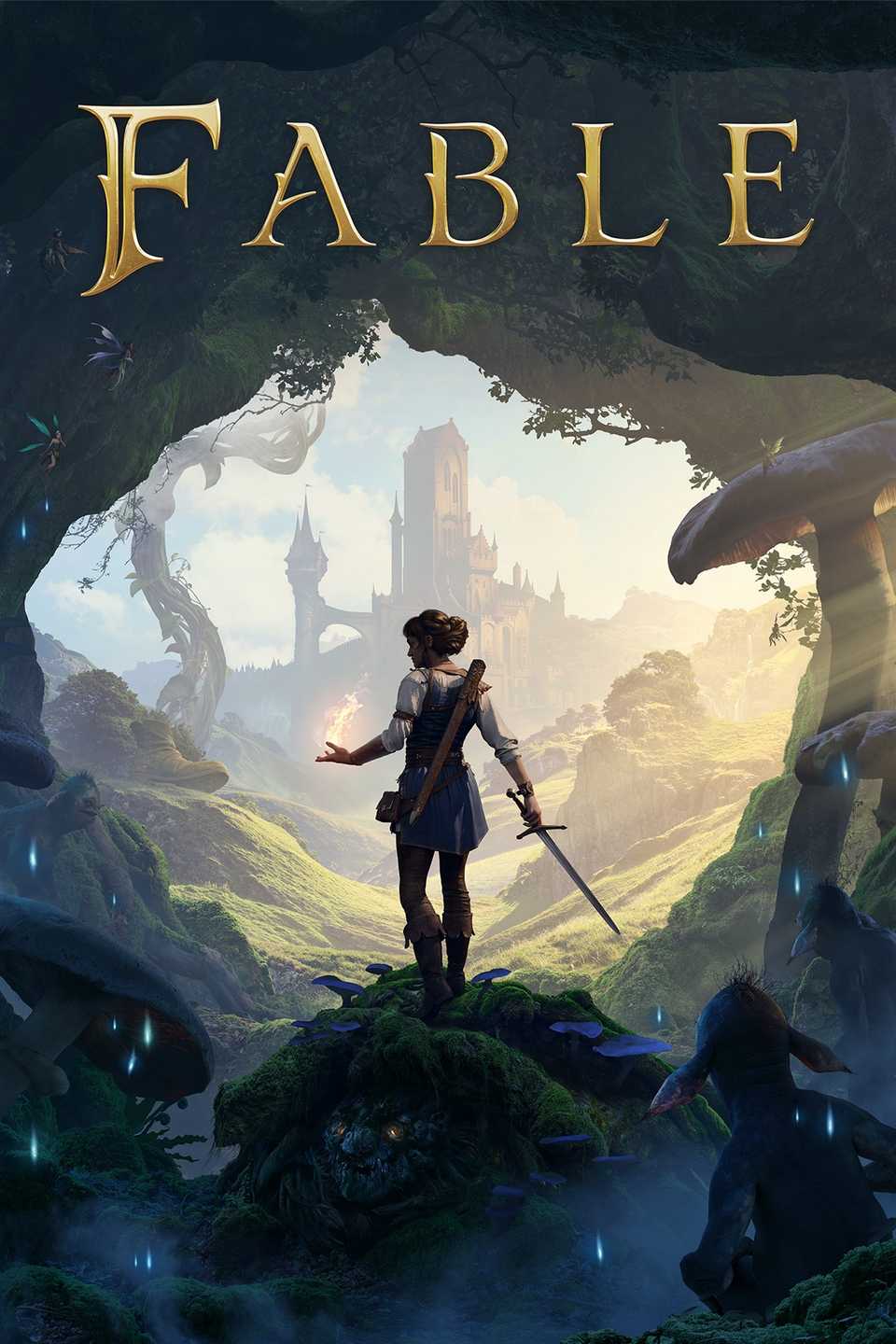
Fable
- Released
-
February 23, 2027
- ESRB
-
Mature 17+ / Blood, Sexual Themes, Strong Language, Violence
- Publisher(s)
-
Xbox Game Studios
- Engine
-
unreal engine 4, forza tech