


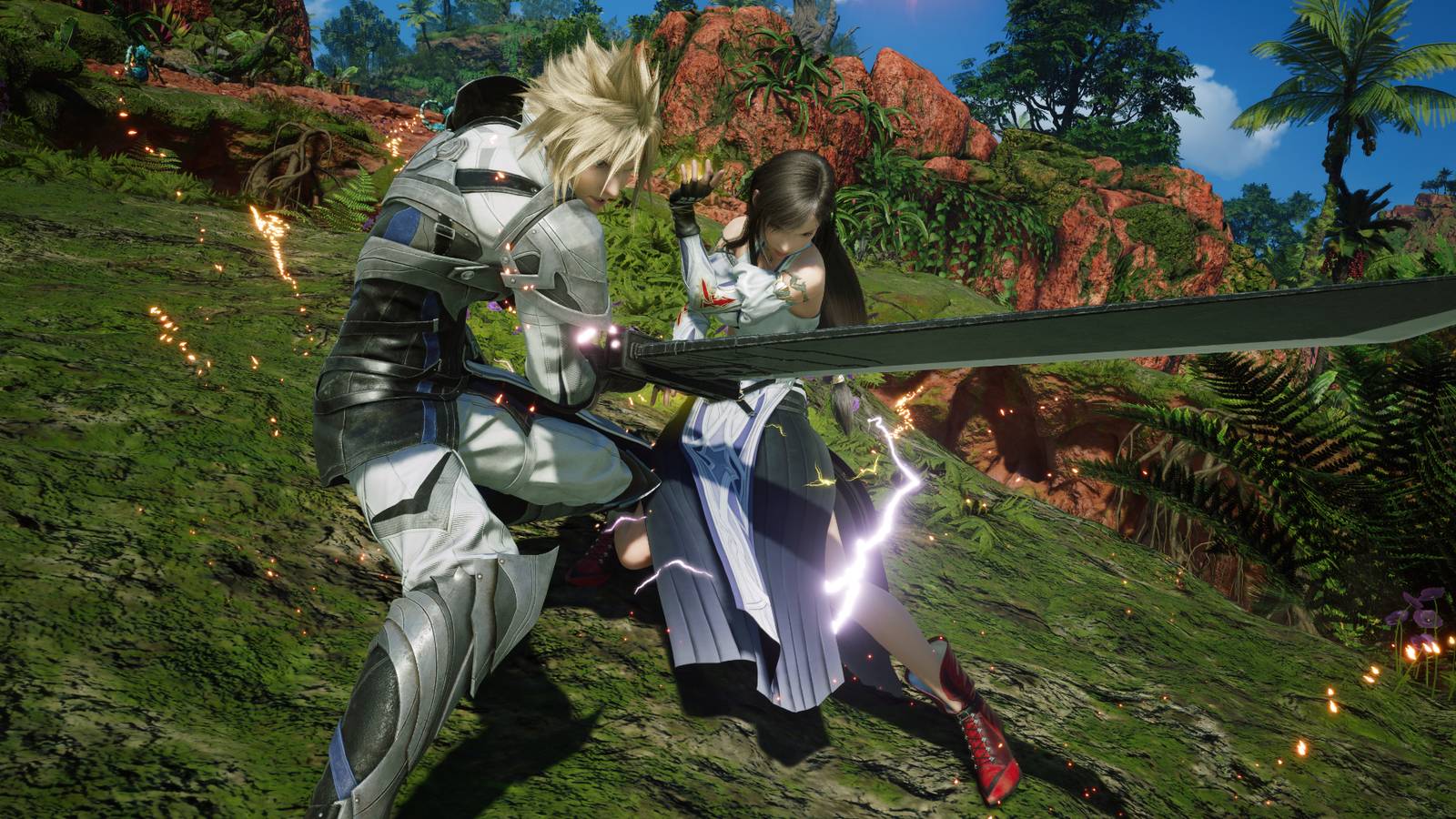
Square Enix says Final Fantasy 7 Revelation is making a major change to Hard Mode, letting players tackle the remake trilogy’s toughest difficulty from the start for the first time. This change could give Final Fantasy 7 Revelation players considerably more control over how challenging Cloud’s final adventure will be from their very first playthrough.
Historically, both Final Fantasy 7 Remake and Rebirth handled Hard Mode more like a New Game+ challenge than a conventional difficulty option. To access the setting, players first had to complete the story, after which enemies became significantly stronger, item use was disabled, MP became far more valuable, and encounters increasingly demanded that players carefully upgrade Materia and party setups. For players who enjoyed squeezing everything they could out of the Final Fantasy 7 Remake trilogy’s combat, Hard Mode could feel like the point where the battle system truly opened up, but getting there always required finishing the game first.
Final Fantasy 7 Revelation Is Reworking Hard Mode
-
 via Square Enix
-
 Image via Square Enix
-
 Image via Square Enix
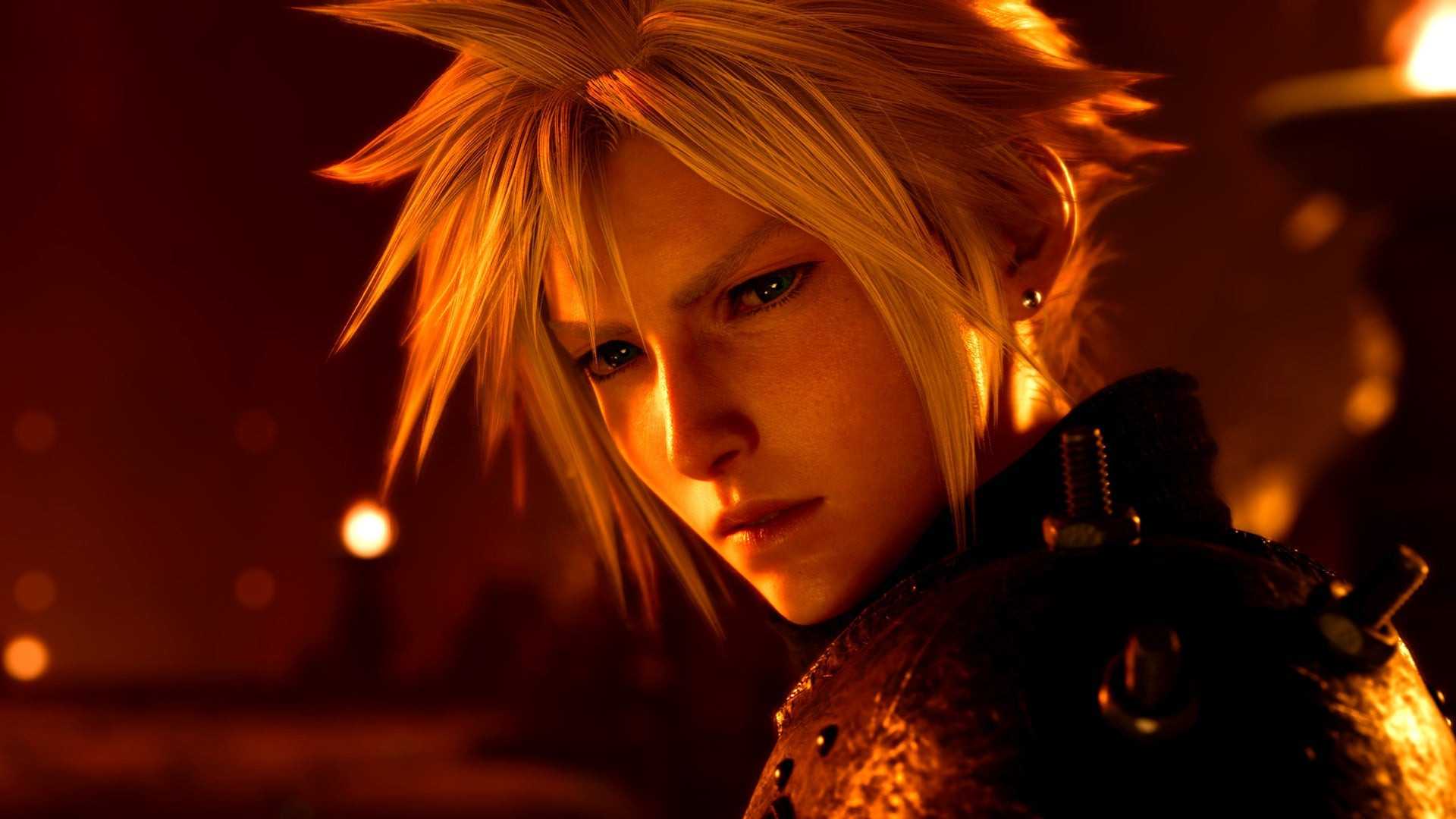
Director Naoki Hamaguchi confirmed to Hardcore Gamer that Hard Mode will instead be selectable immediately in Final Fantasy 7 Revelation, with Square Enix reimagining how the difficulty works around the finale’s overall design. Additionally, the familiar restriction that prevents players from using items is also going away, as Hamaguchi explained that Revelation offers enough new combat options that removing items no longer creates the kind of challenge the developers want. The biggest reason for the change, however, appears to be what comes after the credits. Square Enix says Revelation will feature a “wide variety of end-game content,” meaning Hard Mode no longer needs to function as the trilogy’s primary excuse for replaying the entire story.

Drag weapons to fill the grid
That change could be particularly appealing because Hard Mode has traditionally been where Final Fantasy 7‘s modern combat systems demand the most from players. The remake trilogy already asks players to juggle real-time attacks, ATB abilities, Materia, stagger management, buffs, debuffs, character switching, and carefully constructed party builds, but on lower difficulties, some encounters can be pushed through with just healing items or powerful setups. Meanwhile, Hard Mode has historically forced players to understand how those systems best fit together. Bosses that felt straightforward on a first run can suddenly require specific elemental weaknesses, smarter guarding, better ATB management, and more deliberate character swapping, meaning that fans really had to master the systems they learned on a first playthrough.
Square Enix’s change also fits a broader pattern of Revelation refusing to simply repeat the structure of Remake and Rebirth. The studio has already discussed a much larger endgame, and the new FITS system expands combat with additional strategic options, which helps explain why they’re abandoning the old no-items rule. The Highwind is also opening up exploration significantly, with the developers even suggesting players may not see everything Final Fantasy 7 Revelation has to offer in a single run. What’s more, the coveted Platinum Trophy is also cutting down on second playthrough requirements after Rebirth earned a reputation for demanding an enormous amount from completionists.
That should make the Final Fantasy 7 trilogy’s finale much more flexible for players coming into it with different priorities. Someone mainly interested in the story can still choose a standard difficulty, Rebirth fans can return to Dynamic Mode, and veterans who already spent two games mastering Cloud and company’s combat can jump directly into Hard without first clearing another lengthy campaign. Remake and Rebirth may have treated Hard Mode almost like a reward for finishing the game, but Revelation treats it as a choice players should be able to make from the start.

- Released
-
April 8, 2027
- Prequel(s)
-
Final Fantasy VII Remake, Final Fantasy VII Rebirth