





Role-playing games like Baldur’s Gate 3, Clair Obscur: Expedition 33, Elden Ring, The Witcher 3: Wild Hunt, Skyrim, and now the newly introduced Fire Emblem: Fortune’s Weave have a massive following, and for good reason. These titles give players the ability to choose their own adventures in fantastical far-off lands. Fire Emblem: Fortune’s Weave is a turn-based strategy title set to release in September exclusively on the Nintendo Switch 2, and it’s shaking up the format of your standard RPGs.
Most RPGs feature a set storyline that branches out into specific side quests that players can choose to tackle, veering away from the main narrative in hopes of exploring their world and the characters that inhabit it further. That being said, many of them feature mechanics that make it hard to explore every given option in a set amount of time. Once players hit that narrative point-of-no-return trigger that locks them in the endgame, they can’t venture back, which means they’ll have to replay a lengthy RPG a handful of times if they want to experience the world and its characters in-depth. Nintendo’s latest addition to the Fire Emblem franchise remedies that issue, letting players freely switch between characters in their party with progress saved separately, offering the freedom to explore without gameplay constraints.
Narrative Blockades Make Getting to the Endgame Imperative
The beauty of many RPGs is their emphasis on player freedom. In these games, players aren’t typically boxed into a story with invisible restraints. Ultimately, though, narrative structures are often put into place that urge the player on to the end, cutting their journey short. This blockade of sorts means players tend to miss out on featured character bonds, simple fetch quests, monster hunts, and interactions because they’re forced to focus on the main story. The Final Fantasy series, most of the Mass Effect series, Dragon Age: Inquisition, and Baldur’s Gate 3 are just a few examples of big titles with this mechanic built in.
Who’s That Character?


Identify the silhouettes before time runs out.
Take, for example, Baldur’s Gate 3. If players try to fast-travel back to Act 1 to get to Emerald Grove or Act 2 to enter the Shadow-Cursed Lands after defeating Ketheric Thorm at the end of Act 2, their guardian will give them multiple warnings not to do so, lest they lose the protection of the Elder Brain. If players choose to ignore their guardian’s warning and advance, their beloved party will be transformed into mind flayers, thus earning themselves a bad ending or game over. Picture then that the player has been grinding for 92 hours, and they just lost their whole party because they wanted to head back to gather items or embark on a specific quest.
In Final Fantasy 16’s mission to infiltrate Drake’s Head in the quest “The Crystals’ Curse,” the game will warn players that if they have unfinished side missions they’ve not completed from the first part of the game, they will become permanently unavailable. Ultimately, if players skip those earlier quests, they will miss out on gaining crafting materials, accessories, curiosities, XP, and gill. These narrative roadblocks occasionally punish players for advancing and ultimately depart from an aspect that makes RPGs so great: free open world exploration. To experience something they might have missed, players will have to restart, which, for a genre like role-playing games, is quite a hassle since many players put many hours into gameplay.
Four Party Members, Four Different Stories to Tell
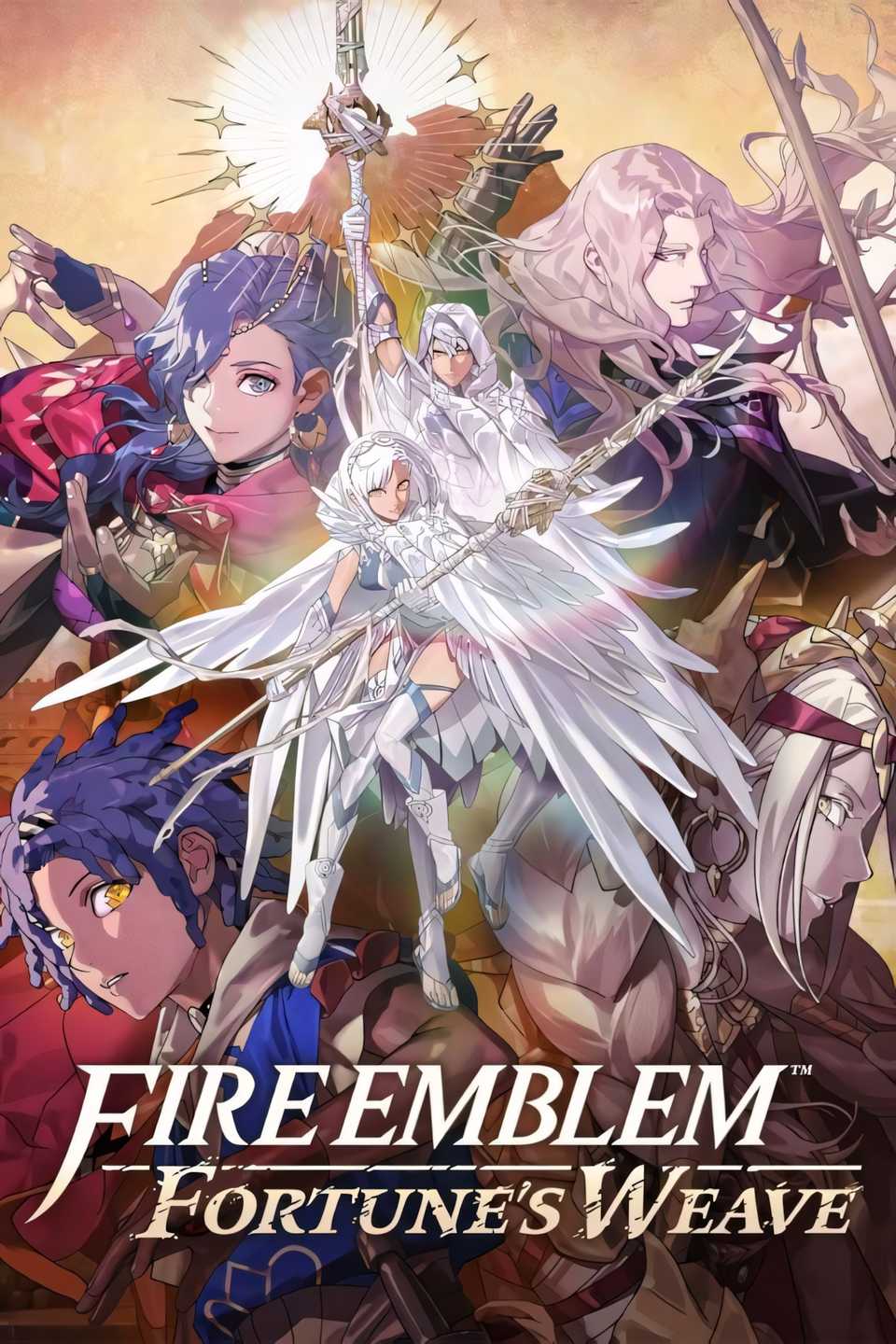
According to a statement shared by Nintendo, Fire Emblem: Fortune’s Weave‘s plot is set five years in the future, where the world has been terrorized and, ultimately, destroyed by the demon god Balor. Sothis, the progenitor god, summons a hero—your created avatar—capable of stopping the evil demon god. Players certainly can’t face a powerhouse like Balor all alone, however, so they must travel into the past to the Heroic Games tournament to gather the four champions and take them into the future to save the Dagdan Empire.
Once players reach Pale Raven’s Perch fairly early in Fire Emblem: Fortune’s Weave‘s story, they will have the option to play through each hero’s story individually. Progress is saved separately for the four main playable protagonists, or Flame Lords: Cai, Leda, Theodora, and Dietrich. Who players choose will determine how the narrative unfolds. This means players can alternate between the four storylines over the course of the game, parallel to one another, instead of being locked into finishing one route before embarking on another. Players won’t miss out on any juicy detail because they’re encouraged to play all four characters. Finally, no additional playthroughs are needed to grab a missed item or to see the outcome of a quest passed on. Players will be able to experience the whole story, all in one playthrough.
Once players reach Pale Raven’s Perch fairly early in Fire Emblem: Fortune’s Weave‘s story, they will have the option to play through each hero’s story individually.
Bouncing between four stories experienced in one playthrough gives players more freedom for exploration. Gameplay isn’t stifled, and players aren’t punished for wanting to stay in one area or with one character for an extended time. They can take their time, exploring every facet of each playable character—like kind-hearted young Cai or sword-wielding Dietrich—drinking in every detail without feeling pressured into moving along to the game’s end.
Traditionally, Fire Emblem games let players control one main character and their units rather than multiple characters at once. This change is meant to benefit players’ experience, fostering a sense of exploration. It will be interesting to see how longtime lovers of the Fire Emblem games receive this game mechanic in the new addition.



- Released
-
September 17, 2026
- ESRB
-
Teen / Fantasy Violence, Mild Language, Suggestive Themes, Use of Alcohol, In-Game Purchases
- Publisher(s)
-
Nintendo