



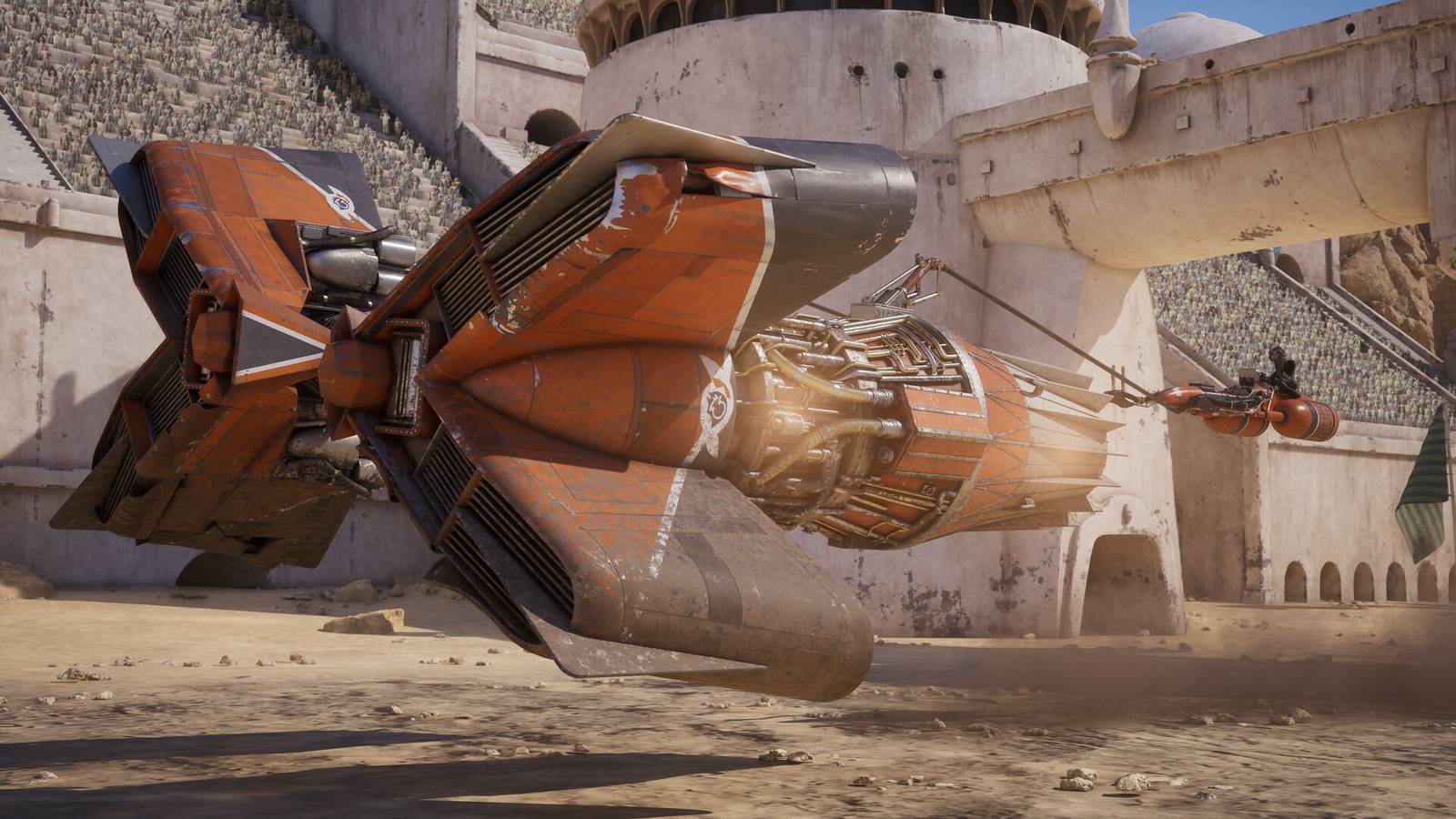
As Star Wars: Galactic Racer inches closer to its October 6 release date, the ins and outs of its gameplay formula and approach are becoming more clear. This is no mere sci-fi Forza Horizon clone, nor is it a rehash of the ideas from 1999’s classic Star Wars Episode I: Racer, which spawned from the iconic Tatooine racing sequence from The Phantom Menace.
Rather, Star Wars: Galactic Racer looks a lot more like Burnout or the older Need for Speed games, in the sense that there’s a focus on intensity and snappy arcade mechanics rather than a vast open-world or sim-approximate features. Based on early looks at Star Wars: Galactic Racer, this design philosophy appears to have resulted in a roguelike, runs-based structure wherein players select from an assortment of challenges in the campaign mode, picking up upgrades along the way. But what this structure also facilitates is meaningful consequence, which developer Fuse Games believes is missing from the racing genre. Even as someone who loves games like Forza Horizon 6, I’m inclined to agree.
Star Wars: Galactic Racer Knows the Importance of Consequence
When asked about the choice to make Star Wars: Galactic Racer a roguelike, Fuse Games CEO Matt Webster told gaming outlet The Sixth Axis the following:
Yeah, well, it was recognizing that the racing genre had fallen behind some other genres – it hasn’t really stolen from other games, you know? So when we talked about this, runs-based system where there was meaning meaningful decisions [sic] to make and meaningful failure. Because in racing, it’s hard to have consequence when you’ve got a rewind button. So I made a mistake? So what. Nothing really means anything.
Webster would go on to liken the genre dynamic to that of multiplayer shooters and the battle royale craze, implying that the degree of long-term consequence introduced by permadeath is a big part of why the likes of Fortnite became so immensely popular. Webster would also point out that “racing thrives on replayability – I get better with the vehicle, I know the tracks, my skills get better.” It would appear that this balance of consequence and replayability is what powers Galactic Racer‘s engines.
It’s hard to think of a genre that does short-term replayability better than roguelike. Generally speaking, you want to avoid fail states in games—this is the essence of the “rewind” button, seen in popular series like Forza Horizon and GRID—but roguelikes make failure a necessary part of progression. In this way, failure transforms into just another curve in the gameplay loop instead of something to actively dread.
In the aforementioned Sixth Axis interview, Webster specifically mentions Hades, Returnal, and Slay the Spire as key inspirations for Galactic Racer. These aren’t bad influences to have, as they are some of the best roguelikes ever. But there are risks associated with fully embracing roguelike systems, especially if it’s for the sake of fixing a perceived shortcoming in a genre as wide as racing. In other words, not just every game can be Hades or Slay the Spire.
What to Look Out for with Star Wars: Galactic Racer’s Roguelike Elements
-
-
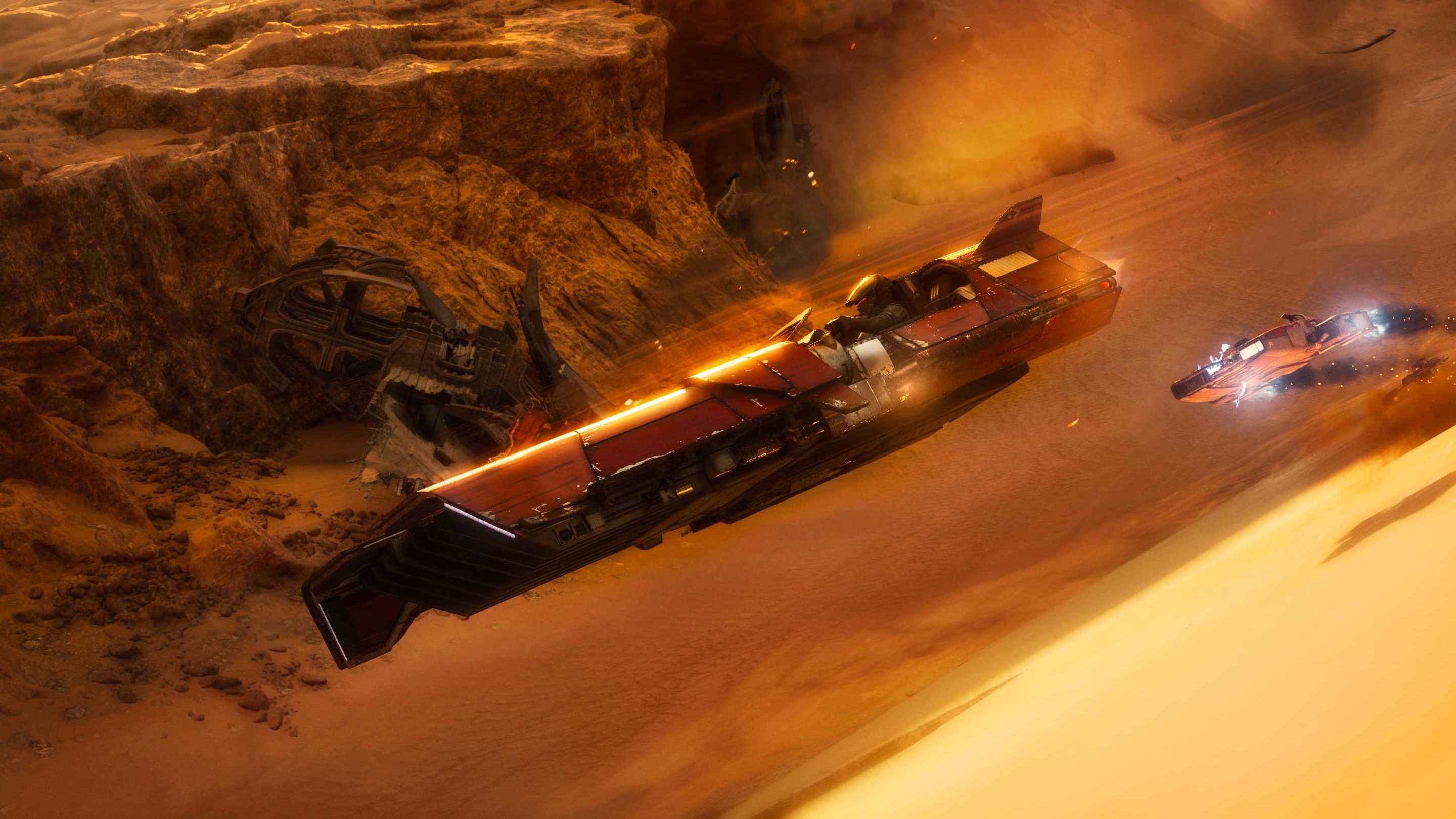
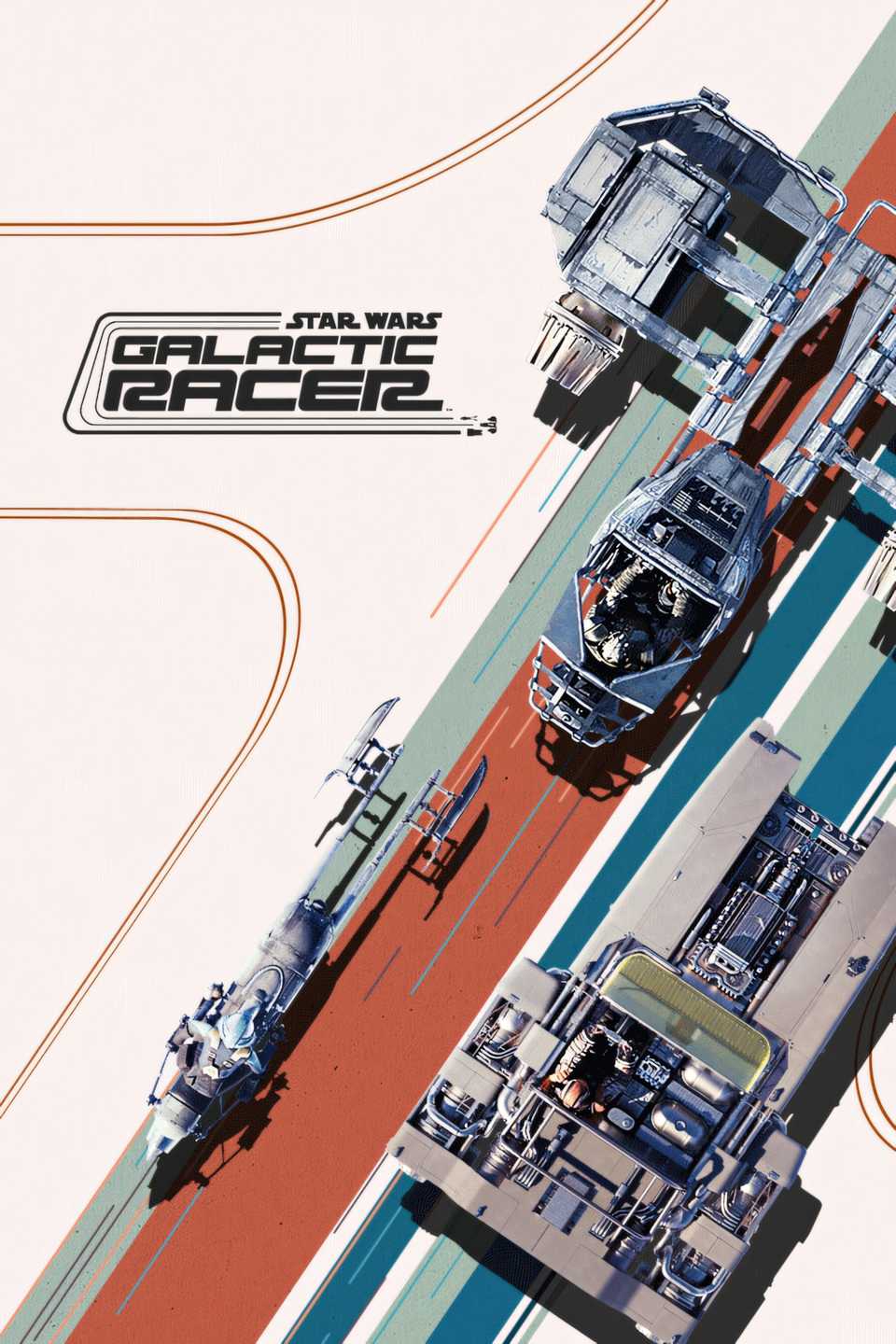
Star Wars Galactic Racer Podracing Design Iconic Image via Fuse Games -


It’s definitely not lost on me that many gamers are experiencing roguelike burnout. It’s actually rather interesting that Webster cited the battle royale genre as a comparison, since that’s another market space that was completely ravaged in the frenzy sparked by Fortnite and PUBG. Of course, we often look back at many of these projects as cheap imitations or trend-chasers, reminders of how companies both big and small will always try to cash in on the next big thing.
There’s a real concern that the roguelike genre could be turning into this, and as someone who’s played a lot of mediocre roguelikes in recent years, I definitely get that. However, I have a good feeling about Star Wars: Galactic Racer, and its run-based, random-upgrade-laden structure doesn’t bother me. Actually, I happen to think it’s quite smart.
Like Webster told Sixth Axis, racing games are at their best when they, and you as the player, embrace repetition. It’s one of the reasons why some of the most iconic and widely played racing games are at least several years old. Games like Mario Kart 8 Deluxe and Need for Speed: Most Wanted tend to get more fun the more you play them, as you learn the ins and outs of each course or area, alongside the intricacies of your chosen vehicle. In a word, racing games are about mastery, which is different from the sort of micromanaged perfection that a rewind mechanic fosters.
To be clear, I don’t think rewind mechanics are completely terrible. They can work well in more sim-style games with longer, more technical races, like Forza Horizon 6.
My favorite racing games are the ones that incentive repetition through various means, like collectibles, new vehicles, or upgrades. I might have an intrinsic desire to better understand the courses in Mario Kart World, but mainly because I want to more efficiently beat my friends on those courses later. By introducing roguelike systems that augment the process of course repetition, Galactic Racer could facilitate a gameplay loop revolving around discovery and experimentation as much as mastery.
Of course, the devil’s in the details. To truly succeed with its roguelike premise, Star Wars: Galactic Racer will need to be careful with its upgrades and randomized elements, lest it feel like a weightless hodgepodge of procedural generation and trivial stat-tweaking. For better and for worse, roguelike structuring can be a crutch for games with minimal or lackluster content.
I’m hopeful that Star Wars: Galactic Racer will manage to avoid such pitfalls, though. The game seems to have expertly honed in on the sense of intensity, whimsy, and customization that defines so many great Star Wars projects, and with unique features like planetary hazards, part-by-part vehicle-crafting, and randomization, Galactic Racer could be not just a great Star Wars racing game, but a great racing game, full-stop.

- Released
-
October 6, 2026
- Developer(s)
-
Fuse Games
- Publisher(s)
-
Secret Mode
- Multiplayer
-
Online Multiplayer
- Cross-Platform Play
-
Full