

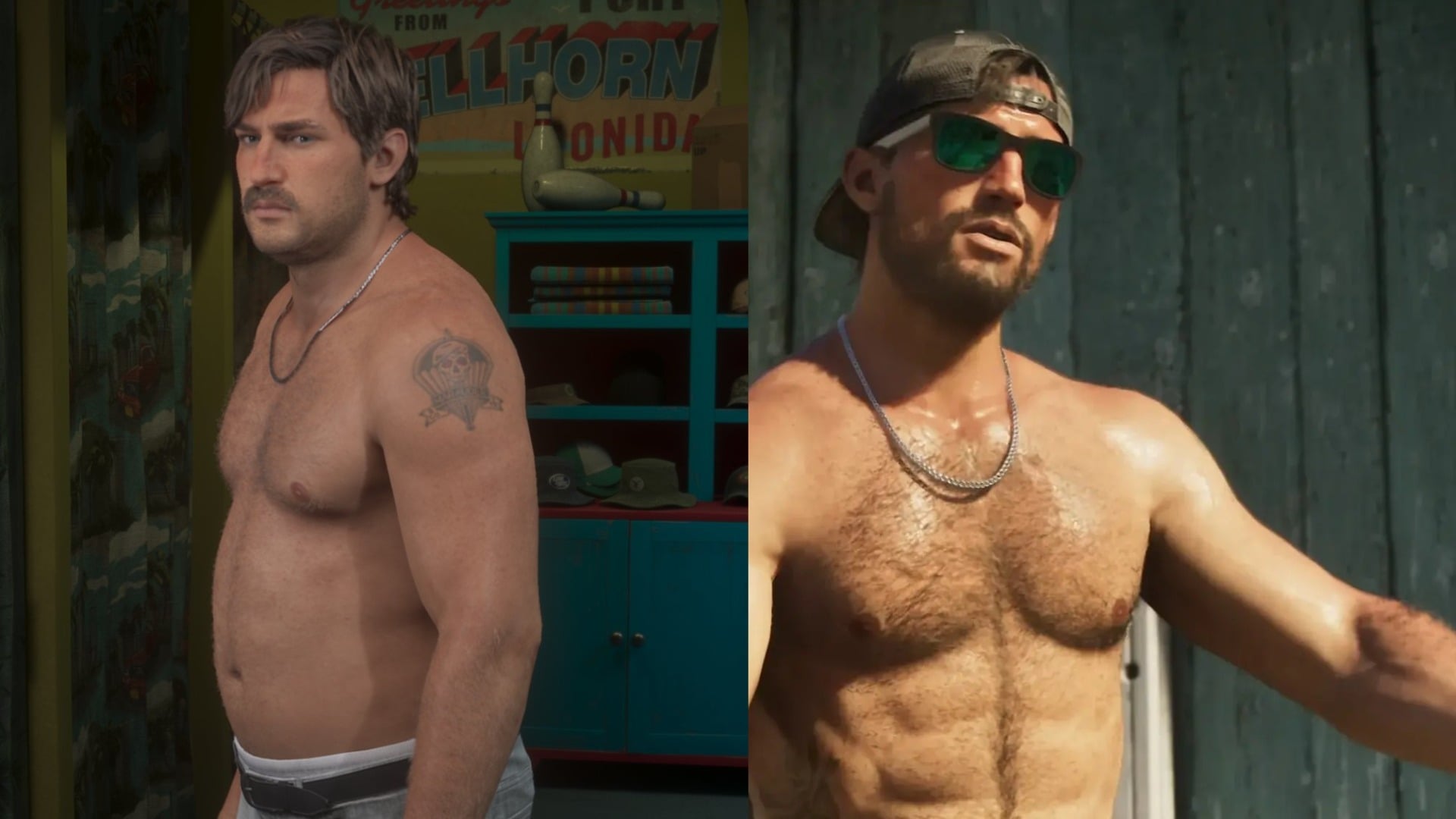
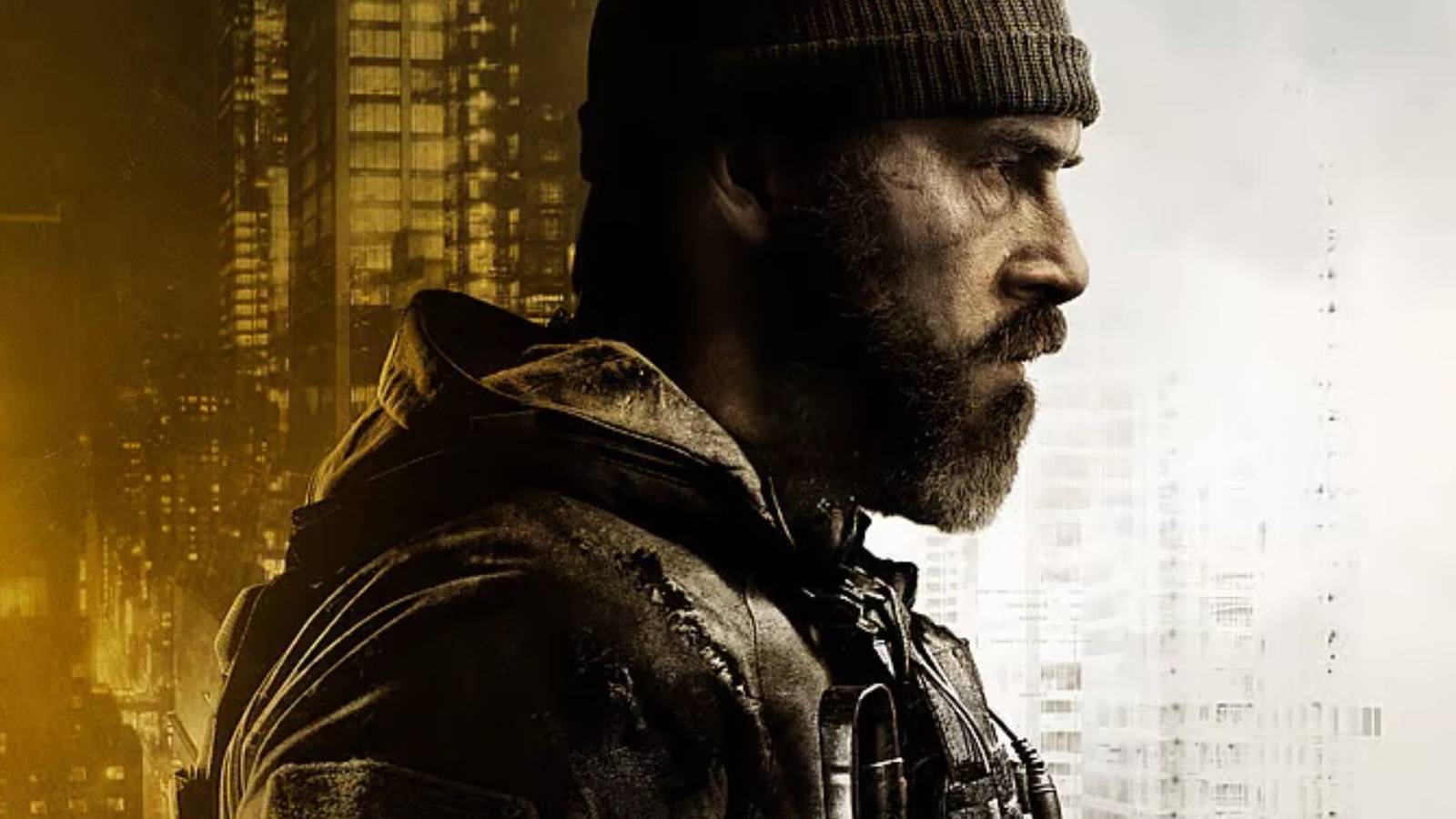



I’ve been playing video games for more than 30 years now, and I think I’ve gotten to a point where very little in them actually bothers me anymore, especially when it comes to violence. I can play some of the most graphic games out there and generally have no problem separating what I’m seeing on the screen from reality, even when the developers have gone to extraordinary lengths to make everything look as realistic as possible. But with Grand Theft Auto 6 finally launching, there’s been an interesting conversation surrounding its violence and whether Rockstar Games might have actually taken its pursuit of realism a little too far this time. And while I can certainly understand why some players might be uncomfortable with what they’ve seen, I also don’t think the game itself is entirely responsible for that feeling.
Let me be clear that GTA 6 isn’t doing anything particularly surprising by allowing players to commit horrible acts of violence, because that’s been part of the franchise’s identity for almost 30 years. In fact, I’d be more surprised if Rockstar had decided to tone everything down after spending more than a decade working on its latest game. But I do think there’s something different about experiencing that kind of violence in 2026 compared to what it was like playing GTA 5 back in 2013, and I’m not convinced it all comes down to better graphics. We’ve also spent years becoming more accustomed to seeing real-world violence in places where we once might have only expected to see a funny video or an update from a friend. And I wonder whether some of that has started to affect how we look at violence in games, even when we know perfectly well that what we’re seeing isn’t real.
GTA 6’s Realism Has Made an Old Controversy Feel New Again
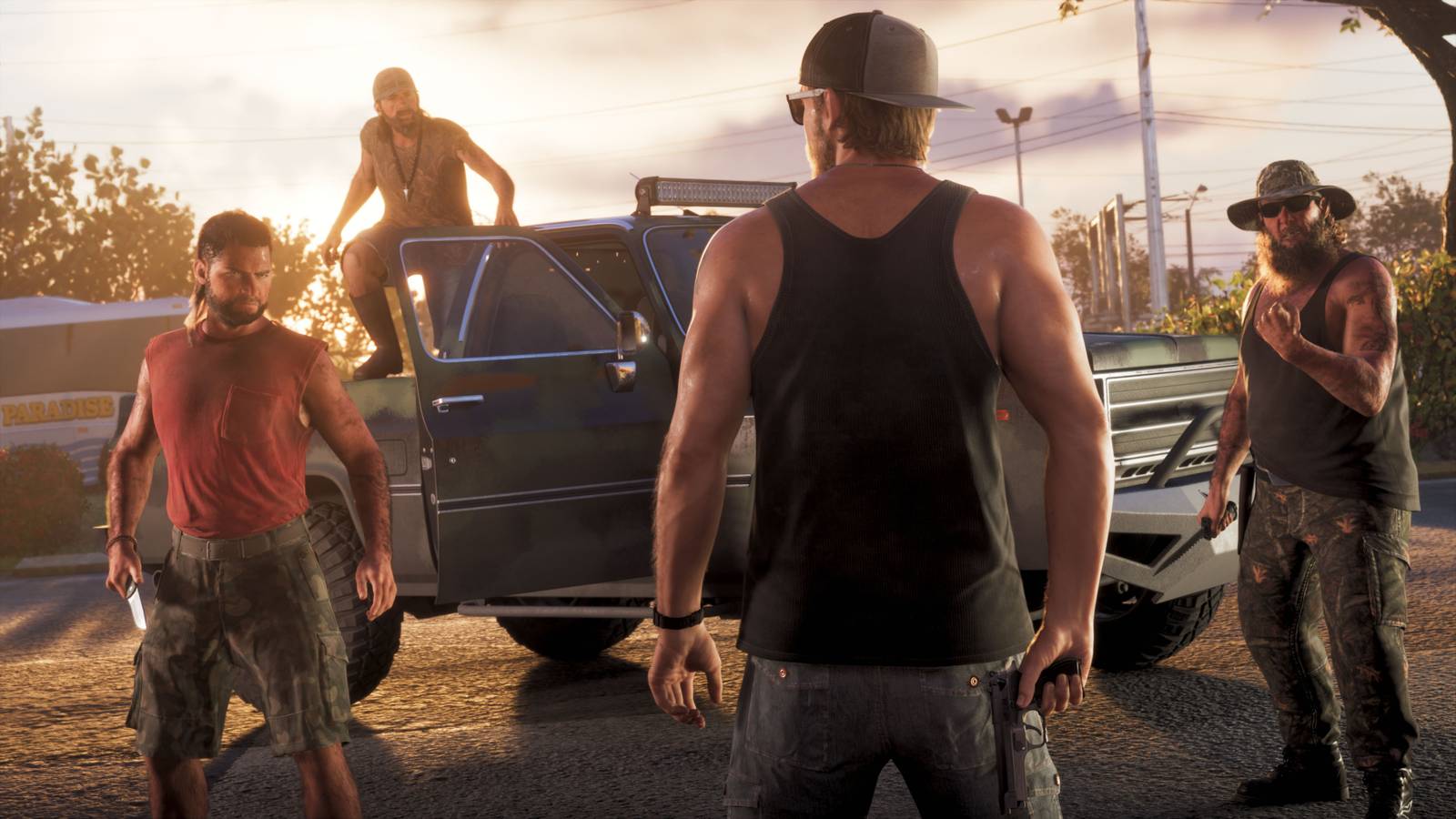
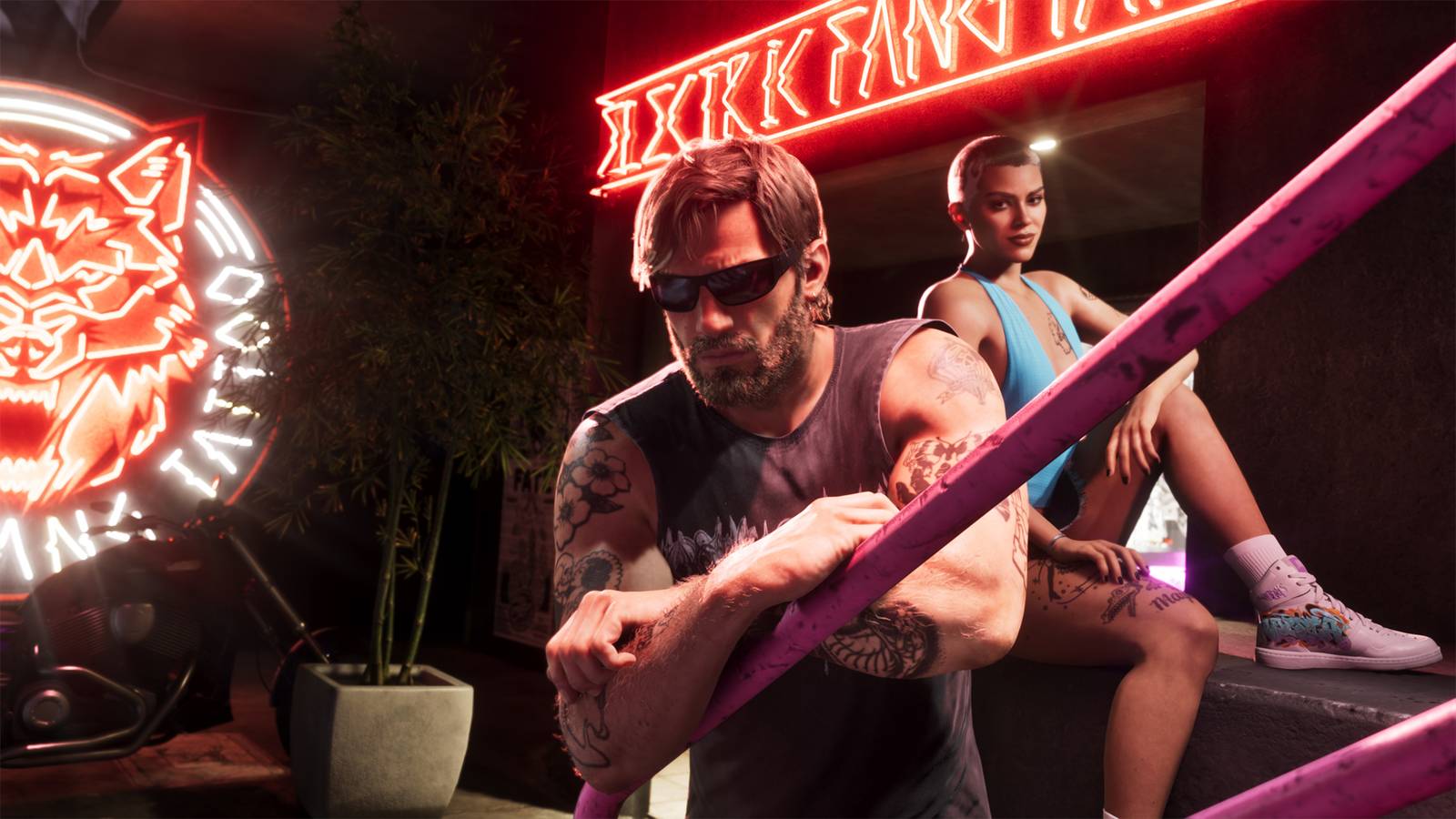
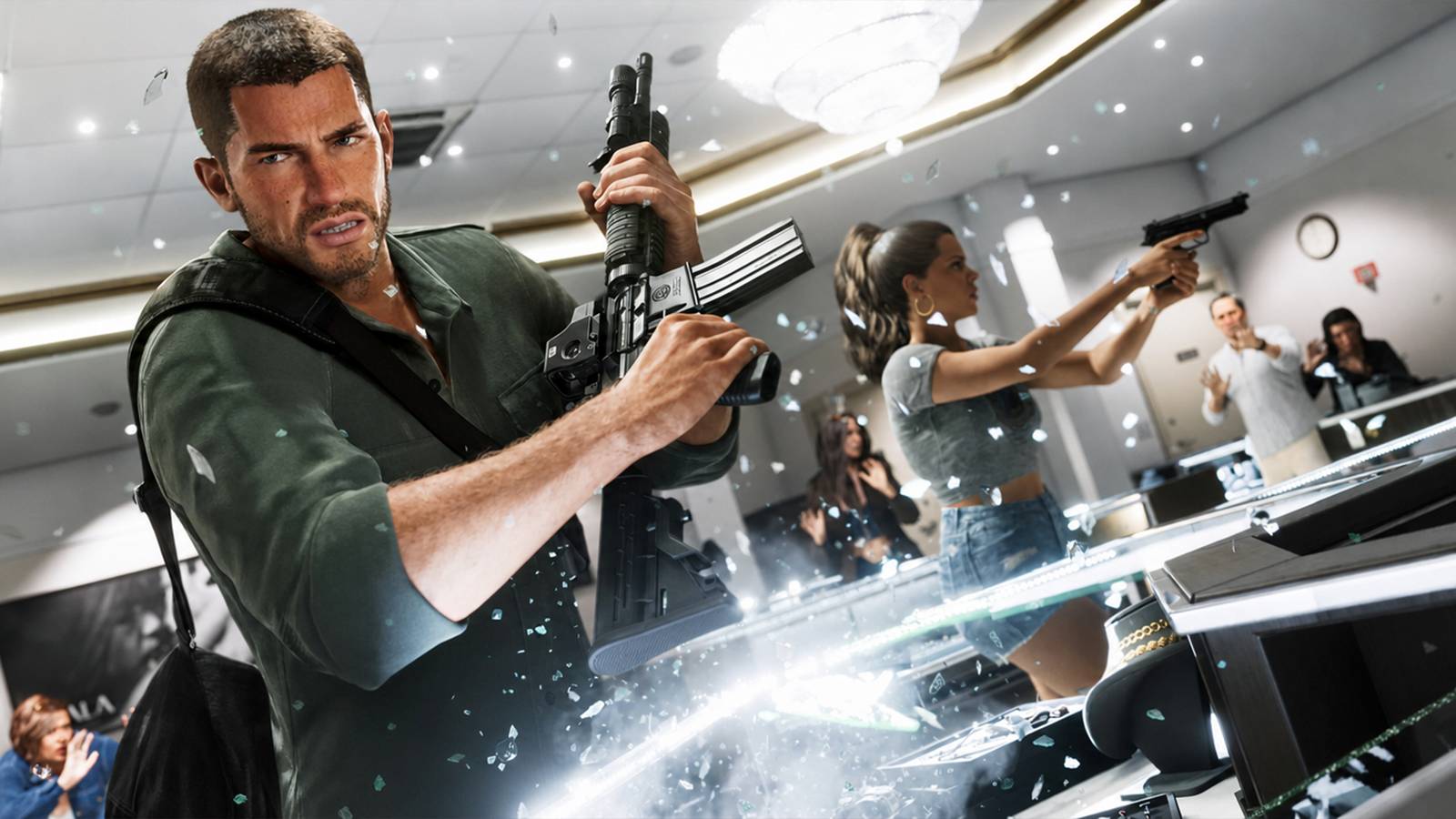
As far as the game itself is concerned, there’s no denying that GTA 6 is considerably more realistic than its predecessors. Rockstar has spent years improving the technology behind its open worlds, and the level of detail in its latest release has been one of the biggest talking points leading up to launch. The ESRB has rated GTA 6 Mature 17+ for content that includes intense violence and blood and gore, which shouldn’t come as much of a surprise to anyone familiar with the franchise. But the concern this time seems to be less about the fact that players can commit those acts and more about how convincingly they’re presented. Even before launch, GAMINGbible highlighted a discussion in which a fan questioned whether Rockstar’s increased realism might make its usual level of violence more uncomfortable, despite not wanting the developer to censor anything.

 INSTANT GAMING
Great games. Better prices.
Find your next game on Instant Gaming.
Of course, I think it’s worth remembering that Grand Theft Auto has been dealing with criticism over its violent content for almost as long as the franchise has existed. Back in the 2000s, attorney Jack Thompson became one of the most recognizable opponents of violent video games, even pursuing legal action involving the GTA franchise and allegations about its influence on real-world behavior. And while the infamous San Andreas Hot Coffee controversy was about sexual content rather than violence, it was another example of just how much public scrutiny Rockstar’s games were receiving at the time. So I don’t think it’s entirely accurate to suggest people have only recently started questioning whether Grand Theft Auto goes too far. What I do think has changed is how much easier it’s become for the violence in a game to resemble something we might actually see happen in the real world.

And that’s where I think the conversation gets particularly interesting, because the way we experience the real world has changed considerably since GTA 5 came out. According to Pew Research Center’s October 2026 findings, 59% of American adults now get at least some of their news through social media. And I think most of us are familiar with how quickly disturbing footage can find its way into our feeds, sometimes without us ever deliberately looking for it. It doesn’t necessarily mean violent crime is happening more often than it used to, and I wouldn’t want to make that claim without evidence. But we have access to so much footage of actual violence now that I wonder whether it’s becoming more difficult for some people to look at something similar in a video game and experience it with the same sense of detachment they once did.
The concern this time seems to be less about the fact that players can commit those acts and more about how convincingly they’re presented.
I also think there’s a difference between seeing a violent scene in a movie and watching something that looks like it was recorded on someone’s phone. The latter tends to feel more immediate to me, partly because there’s no obvious production separating what I’m seeing from the reality of what happened. And with GTA 6 pushing the visual fidelity of its world so far beyond what Rockstar was capable of in 2013, I can understand why some of its violence might remind players of footage they’ve encountered outside gaming. That doesn’t mean every player will have that reaction, though. In fact, Bloomberg’s Jason Schreier said on the November 19 episode of Triple Click that despite being impressed by the game’s environmental realism, he still found its characters and violence recognizably game-like. I think that’s an important perspective to include, because it shows just how differently people can respond to the same experience.
Maybe GTA 6’s Violence Feels Different Because We See the World Differently
-
 Image via Rockstar
-
 Image via Rockstar
-
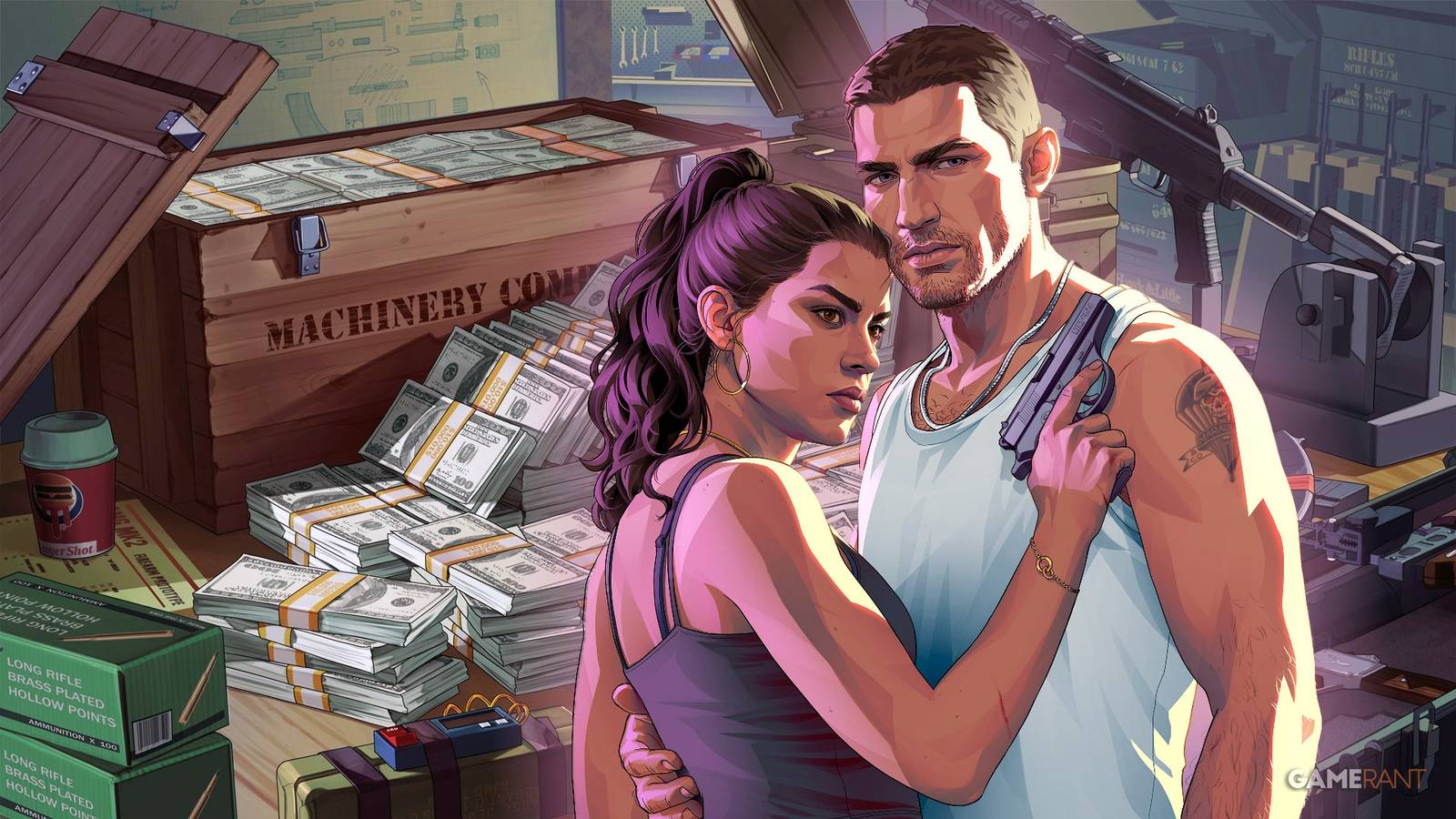
 Image via Rockstar
And I certainly don’t think any of this means Rockstar should have made GTA 6 less violent. The franchise has always been intended for mature audiences, and there’s a reason people continue coming back to it despite knowing exactly what kind of content they’re going to encounter. Even The Guardian’s review found that the latest game’s violence wasn’t necessarily as gratuitous as some of its predecessors, despite the enormous improvements in visual detail. Rockstar has also introduced a Criminal Profile system that responds to how players behave, which gives its violence a little more context than simply letting players do whatever they want without consequence. I don’t think that makes the game any less deserving of its mature rating, but it does suggest Rockstar hasn’t approached realism without considering how players might respond to it.
What I’m getting at, though, is that I think there’s a possibility we’re bringing more of the real world into these games than we used to, whether we realize it or not. When I was younger, violence in a video game was something I could experience without immediately associating it with footage I’d seen of something terrible happening to an actual person. Today, that separation might not be quite so easy for everyone, especially when real-world footage is only a few swipes away. And I don’t think recognizing that possibility means someone believes video games cause violence, because that’s an entirely different conversation. I simply think the things we’re exposed to can affect how we respond to entertainment, and as games become more convincing, those associations might become harder to ignore. GTA 6 may be more realistic than any of its predecessors, but I have a feeling some of the discomfort surrounding its violence has as much to do with the world we’re living in as it does with what Rockstar has put on the screen.



- Released
-
November 19, 2026
- ESRB
-
Rating Pending – Likely Mature 17+