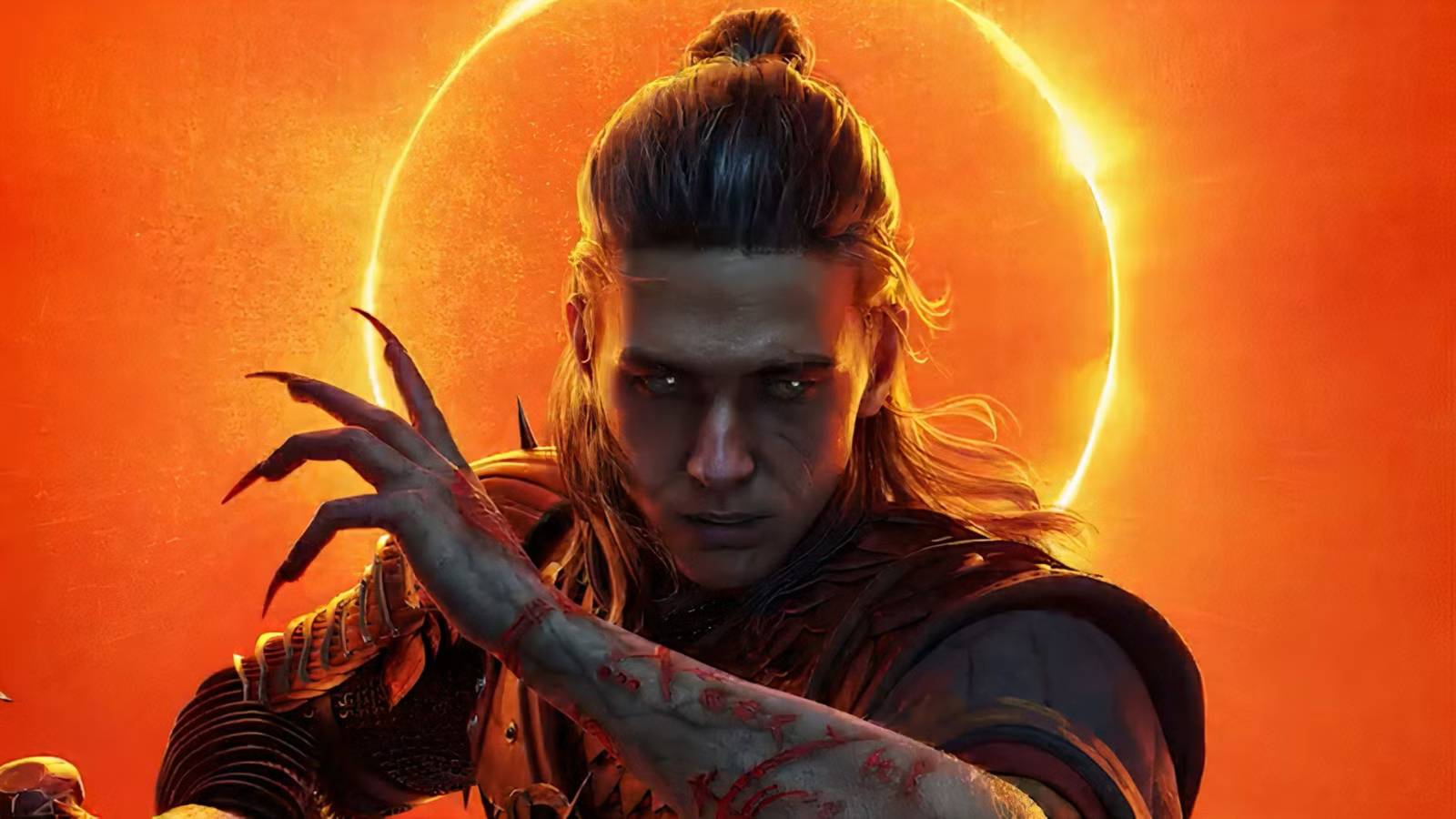




The freshly revealed Xbox partner title Hunter: The Reckoning – Deathwish already looks like one of the most exciting video game entries in the World of Darkness franchise in a decade, but it raises some familiar questions about the game and the setting itself. Developed by Teyon and positioned as a narrative-driven RPG, the game draws heavy inspiration from the tabletop Hunter: The Reckoning, with a tone that evokes the grounded grimness of something like Vampire: The Masquerade – Bloodlines. As a Hunter game, it’s the first of its kind in a sense, so any uncertainty about where exactly Hunter: The Reckoning – Deathwish lands in the broader World of Darkness is worth unpacking from all angles.
It’s particularly apt because when it comes to World of Darkness storytelling, obscurity is part of the package. The franchise has always operated across multiple games and media, each presenting the world through a different supernatural lens, and the canon has never been airtight by design. Understanding why that ambiguity exists and how Deathwish navigates it can reveal a lot about the game itself before it’s Q3 2027 release, and how the WoD actually functions as a setting.
23 Years Later, A Brand-New Hunter: The Reckoning Game Was Just Announced
Developer Teyon reveals the newest video game set in the Hunter: The Reckoning universe at Xbox’s latest Partner Preview showcase.
What Is Hunter: The Reckoning – Deathwish
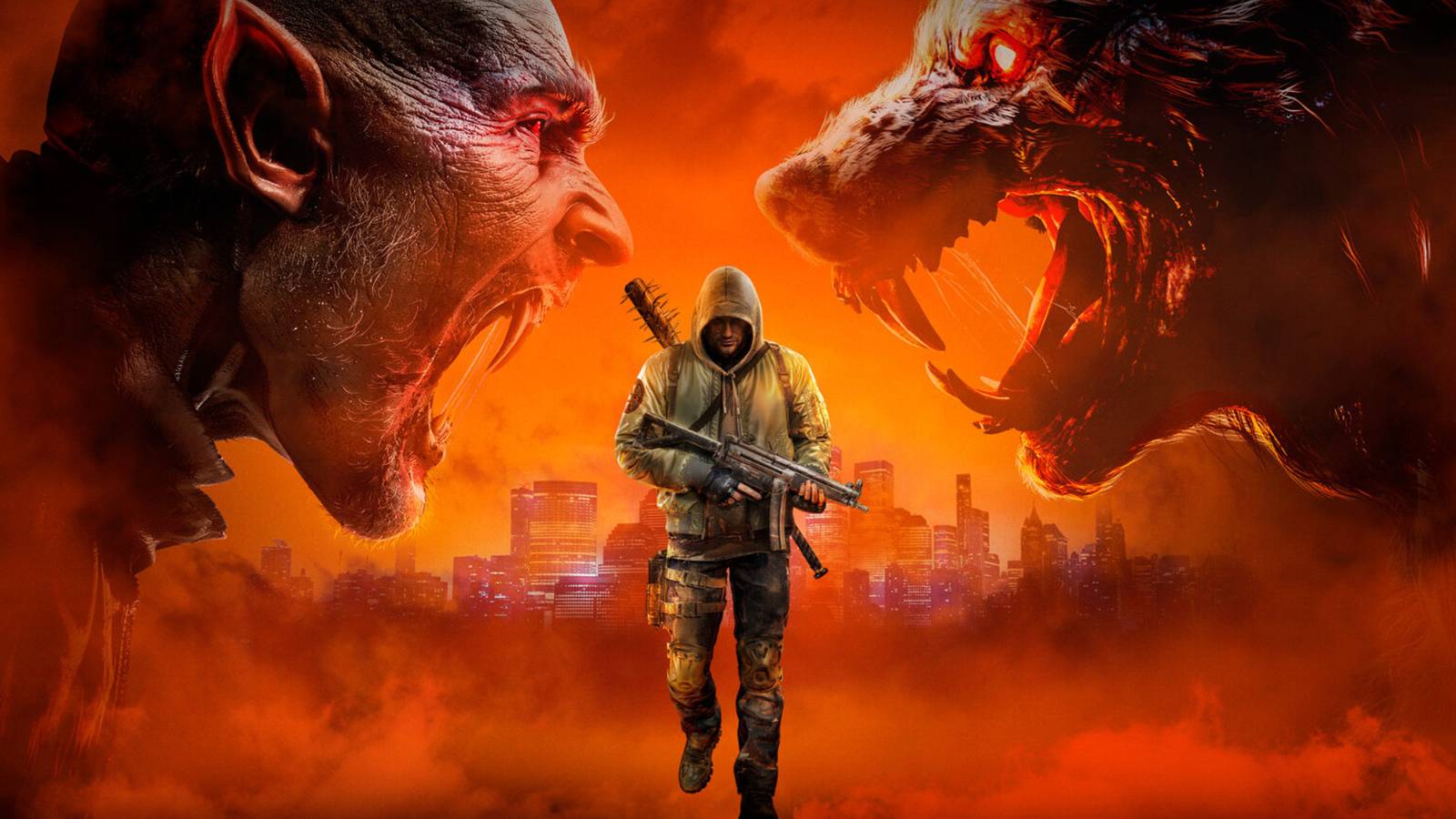
To start, Deathwish will be a first-person RPG based on a tabletop game called Hunter: The Reckoning. Set in modern-day New York ruled by a hidden supernatural elite, players will create a customizable protagonist who becomes entangled with a small, independent cell of humans working against paranormal threats. The game aims to ship Summer 2027 with semi-open-world exploration, branching dialogue, and investigation-driven progression, with companion relationships forming a core part of both the narrative and the moment-to-moment gameplay loop.
Deathwish looks set to sit somewhere between an immersive sim and a narrative RPG in terms of structure, much like the original Vampire: The Masquerade — Bloodlines did. That’s meaningful not only because it’s widely regarded as one of the greatest RPGs of the new millenium, but also because this premise directly reflects the core of Hunter: The Reckoning as a tabletop game. In that source material, players are intentionally vulnerable and under-resourced, and Deathwish promises an emphasis on investigation, improvisation, and fragility that’s central to the themes that separate Hunter from every other WoD game line.
Where Hunter Fits Within The World of Darkness
But for those unfamiliar with the setting, that description misses out on the narrative in a big way, as The World of Darkness is a multi-game setting, with multiple different perspectives that encompass several distinct game lines:
- Vampire: The Masquerade
- Werewolf: The Apocalypse
- Mage: The Ascension
- Hunter: The Reckoning
Each of those games is set in the same supernatural world, but each plays with fundamentally different viewpoints; together they form a loosely shared setting rather than a single, tightly plotted narrative. Vampire (the original game) focuses on Illuminati-esque Vampire clans that dominate the world from behind the shadows of the masquerade, and Werewolf covers nature-dedicated tribes, but Hunter has always occupied a unique position within that framework. Unlike those other titles, players take on ordinary people in Hunter: The Reckoning — humans who are ignorant of the masquerade, who aren’t meant to see what’s actually happening around them.
That human perspective is what makes Hunter structurally different from the rest: vampire chronicles might involve years of Camarilla history or elaborate high society politics, but a Hunter story is more likely to feature a group of people with duct-taped flashlights trying to figure out what killed their neighbor. The fragmented, ground-level nature of hunter storytelling means exact timeline or lore placement matters far less than it would in other game lines — and that’s especially true of the modern 5th Edition approach.
Hunter: The Reckoning 5th Edition and Deathwish

Like Dungeons and Dragons, WoD games have editions that change quite a bit, and Hunter: The Reckoning 5th Edition is no different. It stripped away many of the supernatural trappings that defined earlier editions — most notably the concept of the “Imbued,” hunters who received divine powers to fight monsters — and replaced them with the option to be totally human. Deathwish is explicitly built on that framework, something Teyon’s director, Piotr Łatocha, confirmed in an interview with Xbox Wire:
“It’s the same world, based on the new 5th edition of Hunter: The Reckoning… in 5th edition, there are some more general people who need to fight a stronger enemy, so they need to group into so-called cells. In our game, you belong to one of those cells.”
Mechanically, that translates to attributes, skills, dice-pool logic in the tabletop game, and advantages and flaws in Deathwish — a deliberate change meant to keep the spirit of the 5E design in a video game context.
Fitting Deathwish Into the Modern WoD Timeline
Lorewise, The World of Darkness games aren’t all telling the same story, but there is a shared world history that’s currently defined by a few major forces, each reshaping the supernatural landscape. The Second Inquisition — a coordinated effort by intelligence agencies and religious organizations to expose and dismantle supernatural power structures — looms over Vampire: The Masquerade‘s modern setting, while “the Beckoning” has pulled older vampires away from positions of influence in ways that are still being felt across the faction map. Across the board, the tone of modern WoD leans heavily into instability, paranoia, and fractured alliances, all things that suggest the world is slowly coming apart at the seams.
Deathwish doesn’t need to explicitly reference any of those detailed metaplot events to feel at home in that setting. Hunter stories have always been a bit more localized. That’s a helpful tool for a game like Deathwish, as it can exist in the same world as all of those larger factional forces without ever needing to directly acknowledge them.
Where Deathwish Fits in the Expanding WoD Game Landscape
It’s hard to say where Deathwish will fit in the canon of the franchise’s video games, but contextually, it’ll arrive following a notably mixed run of WoD video game adaptations.
Recent World of Darkness Video Games:
- Vampire: The Masquerade – Bloodlines 2
- Werewolf: The Apocalypse – Earthblood
- Vampire: The Masquerade – Swansong
Each of those games occupies a different genre — action RPG, action-adventure, narrative mystery. Each was strikingly different, and while some World of Darkness games were poorly received compared to others, what they share (and what makes the setting so fascinating) is an investment in the tone and thematic texture of The World of Darkness, one Deathwish appears to be nailing already.
Deathwish Has Plenty of Fitting Opportunities

No matter how one looks at it, Hunter: The Reckoning – Deathwish has ample opportunity to fit comfortably within the modern WoD franchise, as the setting has always been designed to support multiple interpretations across multiple formats and perspectives. Hunter stories are especially well-suited to that flexibility, and that’s by design. The jury is still out regarding the game itself, but already, Deathwish is doing a great job reflecting just how expansive and adaptable the setting has become across its decades of storytelling.