


The Phil Spencer era at Xbox has come to an end. On February 23, 2026, the longtime executive stepped down as CEO of Microsoft Gaming, closing a 38-year chapter with the company and a 12-year tenure leading the Xbox brand. When Spencer was named head of Xbox in 2014, he inherited a division struggling to recover from the turbulent launch of the Xbox One under Don Mattrick.
Over the next decade, he would fundamentally reshape Xbox’s identity, shifting its focus from hardware-first to service-first – a business strategy built around Game Pass and an unprecedented wave of acquisitions. Now, leadership passes not to Sarah Bond, as many expected, but to Asha Sharma, the former vice president of Meta and head of CoreAI at Microsoft, signaling the start of a new chapter for the platform. Before diving into the future of Xbox, it is important to remember the key choices that defined the Phil Spencer era.
BREAKING: Phil Spencer is Retiring from Xbox Amid Leadership Shuffle
Microsoft Gaming CEO Phil Spencer is retiring amid a major Xbox leadership shuffle, including other resignations and promotions.
Remembering Phil Spencer’s Xbox
Phil Spencer wasted no time in asserting his vision for Xbox. In July 2014, he unbundled the controversial Kinect from the Xbox One, paving the way for a price reduction that brought the console closer to its competitors. In June 2015, Microsoft unveiled Xbox’s backwards compatibility program, allowing players to carry forward their existing game libraries to newer generations without repurchasing titles. However, perhaps the crowning jewel of Phil Spencer’s legacy was the launch of Xbox Game Pass in 2017, fundamentally changing how players discover games, how developers negotiate platform deals, and how Microsoft has measured the platform’s success in the years since.
The Pivot to a Subscription Ecosystem

The introduction of Xbox Game Pass in 2017 marked a decisive break from traditional console competition. PlayStation had the momentum, and Xbox needed to pivot. Instead of reacting to Sony, centering the Xbox brand solely around hardware sales and timed exclusives, Spencer positioned Xbox as a subscription ecosystem. In 2018, he made a decision that continues to divide analysts: first-party titles would launch on the Xbox Game Pass on day one. It signaled a fundamental shift in priorities, moving away from driving console sales and toward building a subscription base.
In June 2019, Spencer’s strategy moved beyond the console entirely. PC Game Pass, announced at E3 and launched soon after via the Windows Xbox app, signaled that Xbox was no longer tied to a single device. With Project xCloud in September 2020, Microsoft pushed further, streaming games to phones, televisions, and browsers, redefining Xbox as a service rather than a box. Despite this, Xbox did not abandon hardware entirely. In November 2020, it launched the Xbox Series S alongside Xbox Series X, an affordable counterpart that proved significantly more popular in the first few years of the generation.
Acquiring ZeniMax and Activision

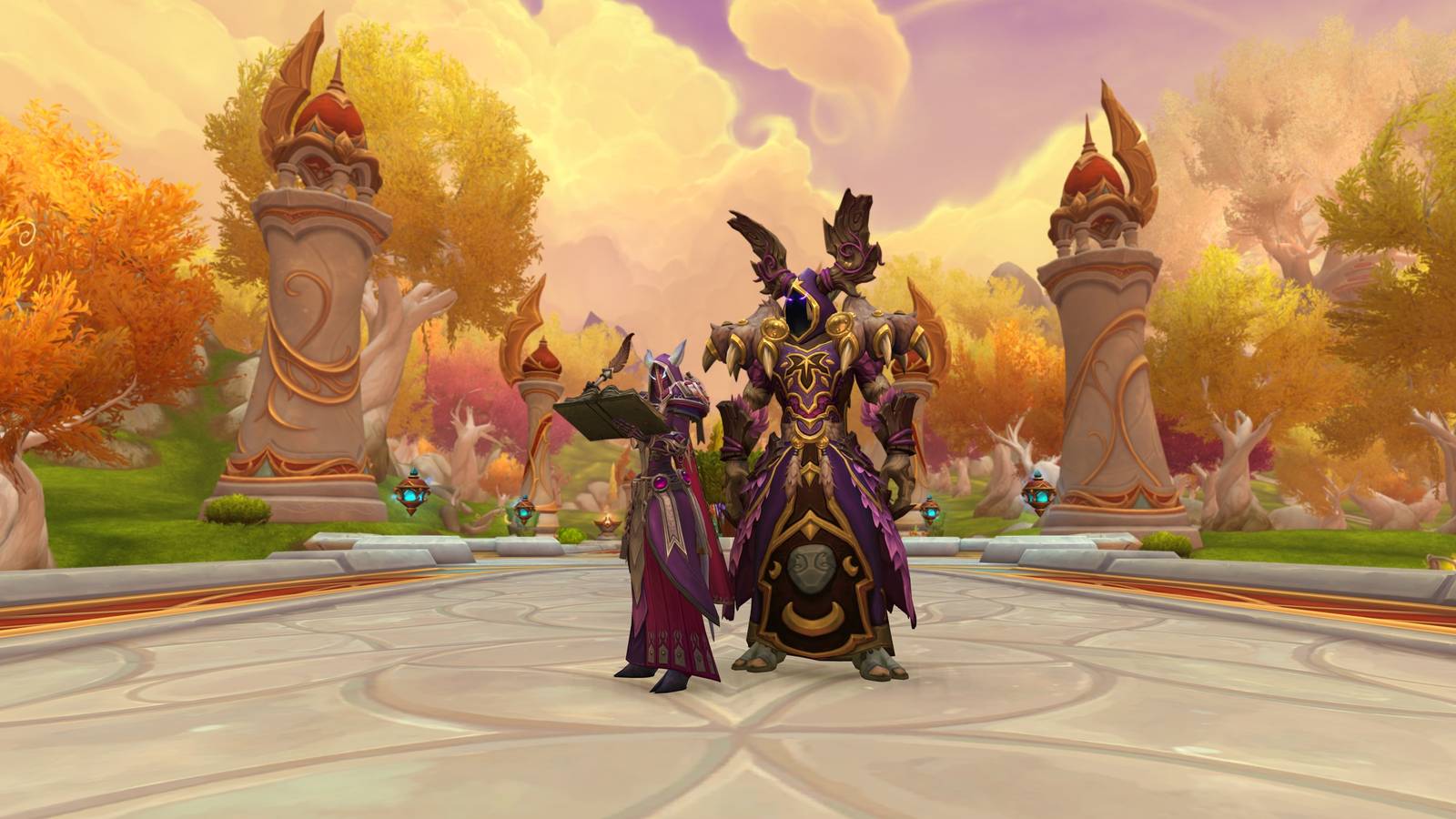
The other defining pillar of Spencer’s tenure was consolidation. In 2021, Microsoft acquired ZeniMax Media for $7.5 billion, followed by the $69 billion purchase of Activision Blizzard in 2023. Together, the deals placed some of gaming’s most iconic franchises, from The Elder Scrolls and Fallout to Call of Duty and World of Warcraft, under Microsoft’s control.
Yet, the acquisition era did not deliver the momentum that Xbox had envisioned. In May 2023, Arkane Studios released Redfall, a first-person shooter whose troubled launch drew criticism for shallow systems, an underdeveloped open world, and technical instability. While Phil Spencer publicly accepted responsibility, it highlighted the growing complexity of overseeing an expanding network of studios.
Four months later, Bethesda Game Studios launched Starfield, one of Xbox’s most anticipated exclusives in years. The title sold roughly three million copies across PC and Xbox, with the majority of players accessing Starfield through their Game Pass subscription. Despite strong engagement, it failed to generate the kind of subscriber surge that would validate the scale of Microsoft’s investment. Rising development costs, coupled with Xbox’s comparatively smaller market share, began to expose the financial strain of the strategy. Studio closures and project cancellations ensued, as Microsoft shuttered Arkane Austin and Tango Dreamworks in 2024, followed by The Initiative in 2025.
A New Era for Xbox

In February 2024, Phil Spencer, Sarah Bond, and Matt Booty announced that first-party games would be coming to PlayStation 5, surrendering console exclusivity to Sony in favor of expanding software reach to rival platforms. In October 2025, Microsoft increased the price of its Game Pass tiers, causing significant backlash from Xbox users, despite the added value promised by the company. Trust in Xbox as a brand was dwindling, and on February 20, 2026, Spencer shocked the gaming industry. He announced his departure on Twitter, called his career at Microsoft “an epic journey,” and explained that he would transition into an advisor role until summer. Satya Nadella credited Spencer for transforming Xbox’s business model and for orchestrating the acquisitions of ZeniMax and Activision Blizzard.
The appointment of Asha Sharma as CEO of Microsoft Gaming marks the beginning of a new era for Xbox. Sharma has acknowledged many of the criticisms that have defined the final years of Spencer’s tenure, such as console exclusivity. However, Sarah Bond’s dismissal from Xbox signals that Xbox may chart a markedly different course under Sharma’s leadership than the one Spencer envisioned. Whether that ends up being the right direction for the platform remains to be seen.