








Bungie has just released a lengthy blog post discussing Marathon‘s launch, the initial reception to it, and the future of the Sci-Fi extraction shooter. More specifically, this Bungie blog post candidly addresses some key issues that players have had with Marathon during its first few months on the market, and talks about the lessons the studio has learned from them.
A revival of Bungie’s 1990s Sci-Fi FPS trilogy, Marathon hit PC, PS5, and Xbox Series X/S on March 5. While the extraction shooter genre is growing more crowded by the day, Marathon has managed to win over an enthusiastic group of fans during its first season. That wave of passion has also been accompanied by a strong critical reception, with Marathon earning an 81 Top Critic Average on OpenCritic and a critic recommendation score of 73%. In GameRant’s Marathon review, I gave the game a 9/10, heavily praising its presentation, build potential, and rewarding progression systems but criticizing its extremely steep learning curve.
I’m Officially Sick of Live Service Games, But Not For the Reason You Think
Live service titles are a common source of criticism from many gamers nowadays, but I have two very different problems than most seem to.
Bungie Reveals the Lessons It’s Learned From Marathon’s Launch

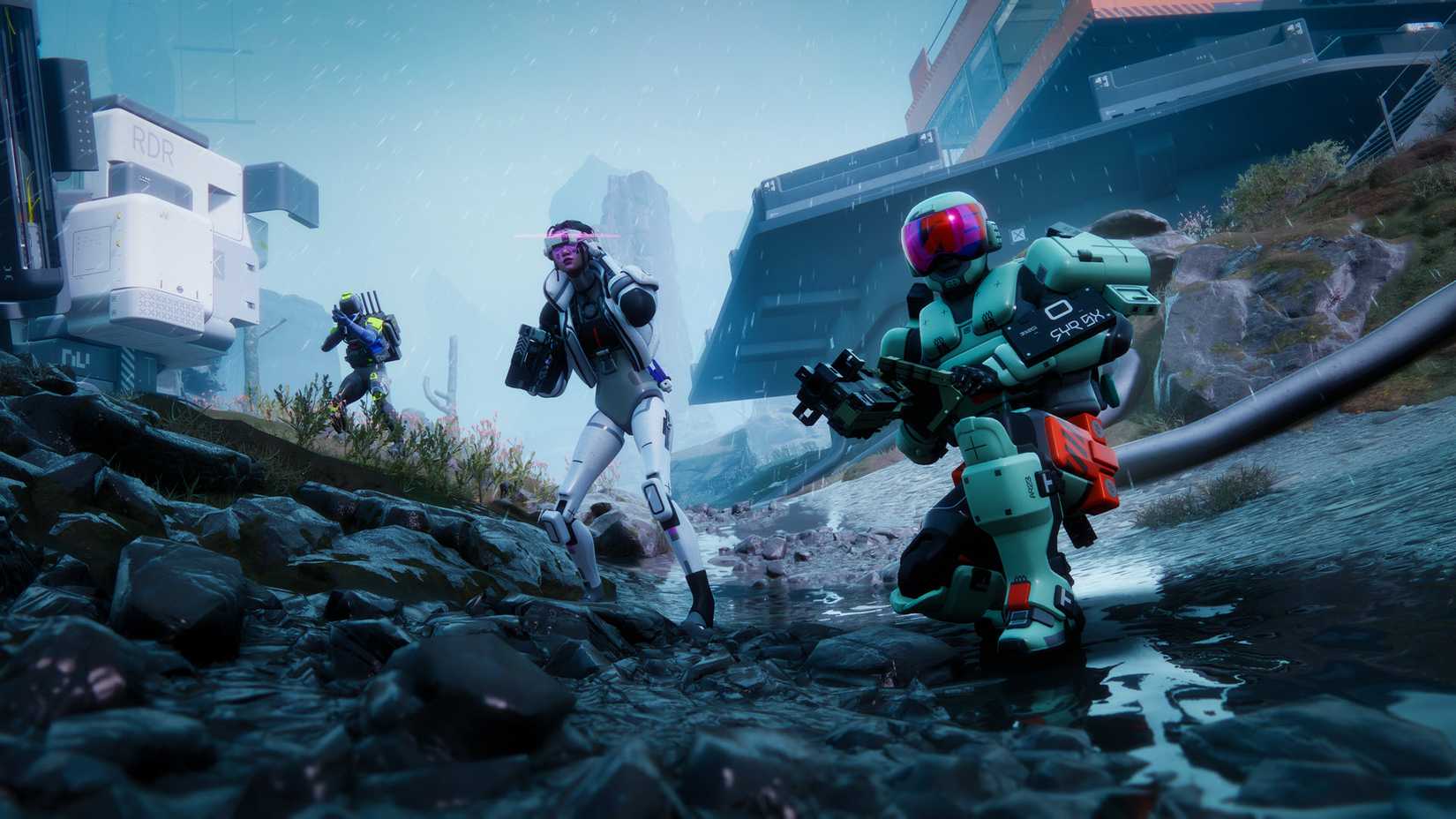
On May 14, Marathon Game Director Joe Ziegler published a blog post on Bungie’s website titled “Launch, Learnings, and What’s Next.” This blog post acts as a reflection from the director almost three months on from Marathon‘s initial launch, and ahead of the game’s second season, which begins on June 2. After breaking down the core concepts and themes that Bungie believes is at the heart of the Marathon franchise, Ziegler talks about what went well during the game’s launch, highlighting the strong community that the extraction shooter has found and stating that the community is what drives them to keep working on Marathon.


Find all 10 pairs
Find all 10 pairs
Regular Cover ArtClean Cover Art
This section is then immediately followed by a lengthy passage titled “What We’ve Learned.” The first of four bullet points states that “Marathon is overwhelming to learn,” and admits that Marathon throws new players in at the deep end and expects them to “build muscle memory with a lot of mechanics fairly quickly in a hostile environment.” The second bullet point follows on, stating that matches can feel like a “death spiral” for those who don’t have a consistent crew or those who can’t spend hours on the game at a time.
Ziegler then addresses the issues with endgame balancing, saying that bubbles, grenades, and snipers can make high-level matches feel “chaotic, fast, and stressful in a bad way,” and that matchmaking can be a “blessing or a curse.” The final key point relates to Marathon‘s intensity, with Ziegler saying that it’s fun to be worried about losing your loot for a few matches, but that sometimes players want to have a more relaxed experience, which is not currently available. Ziegler also addresses Marathon‘s occasionally longer wait times, stating that the team has learned not to split its player-base with so many different matchmaking queues in the future.
Who’s That Character?


Identify the silhouettes before time runs out.
Identify the silhouettes before time runs out.
Easy (7.5s)Medium (5.0s)Hard (2.5s)Permadeath (2.5s)
What’s Next for Marathon?
In the following section, Marathon‘s Game Director then breaks down some of the key changes coming in Marathon Season 2 and 3, some of which should help to alleviate the problems mentioned above. These changes include:
- Adding a new matchmaking system that helps players find better quality matches with more flex for higher-end players (Season 2)
- Expanding the max size of the player’s Vault (Season 2)
- Experimenting with two new modes; one focuses more on PvE with just a light touch of PvP, the other is PvE-only (Season 2)
- UX improvements to help make setting goals and getting into a match smoother (Season 3 and beyond)
- Improving the onboarding experience (Season 3 and beyond)
- Making changes to the contract system to improve how players interact with Priority and other contracts. (Season 3 and beyond)

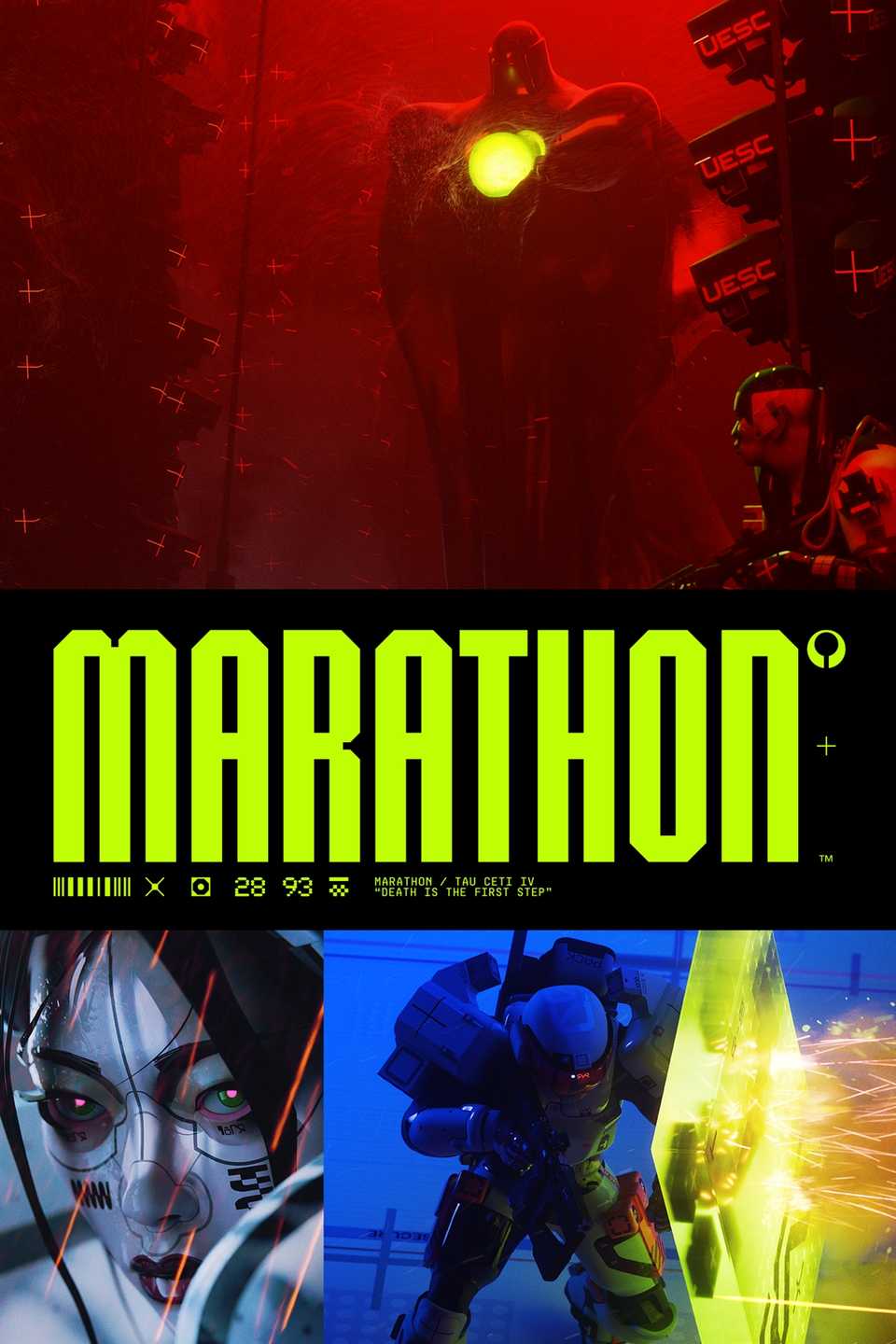
- Released
-
March 5, 2026
- ESRB
-
Teen / Animated Blood, Language, Violence, In-Game Purchases, Users Interact
- Multiplayer
-
Online Multiplayer, Online Co-Op


