






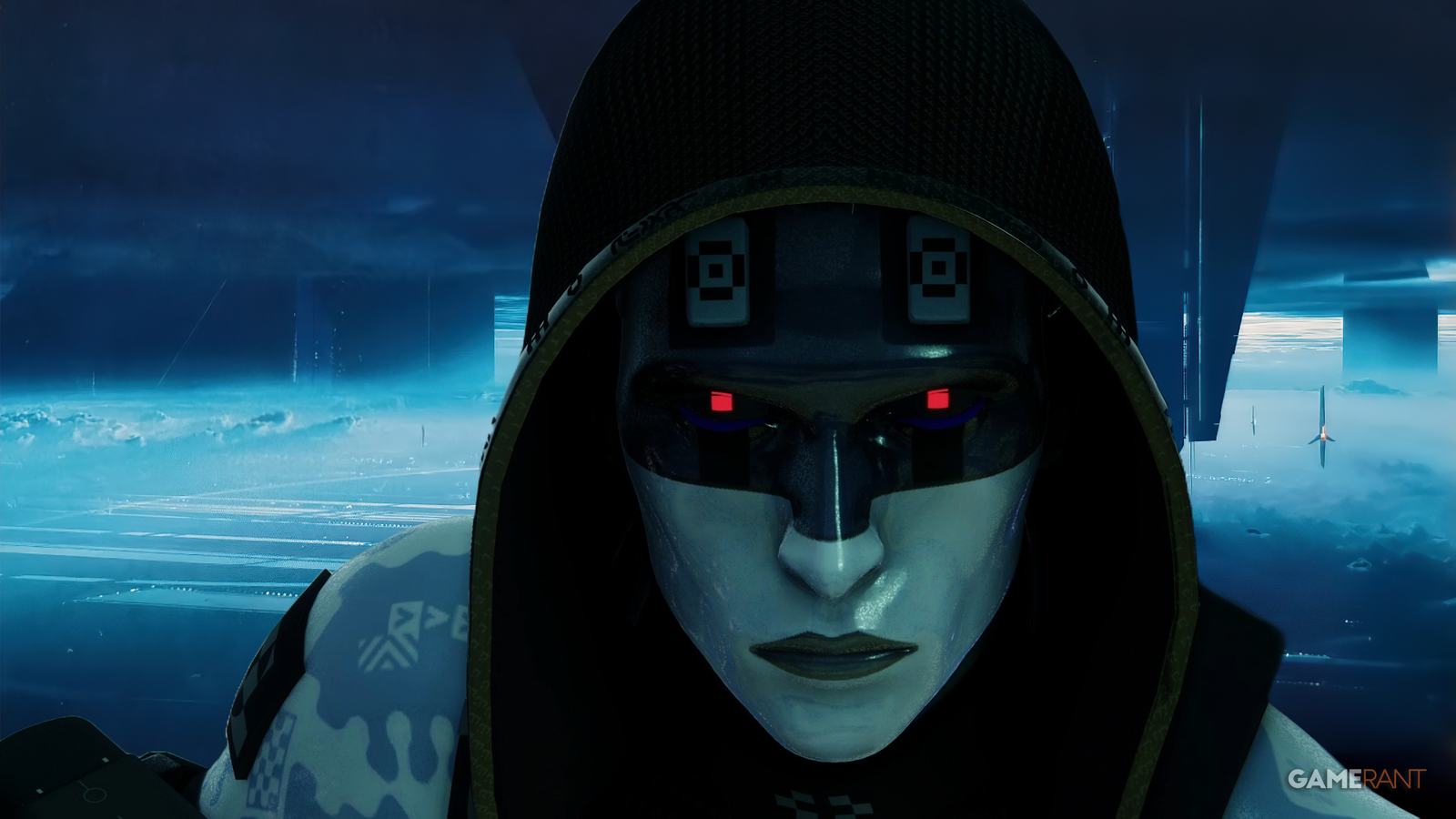
Marathon and Mass Effect 5 are in a similar position, and not just because they are both AAA sci-fi action games from accomplished studios. In fact, the recently released Marathon might be penning something of a cautionary tale that BioWare should heed, as it’s a poignant reminder of the stakes at hand.
Marathon has had something of a complicated reception. Even before its March 2026 launch, opinions were decidedly mixed: many Marathon previewers highlighted strong gunplay and a compelling style, but also a concerning lack of both gameplay variety and ingenuity. Few early impressions were truly glowing. It didn’t help that any positive buzz around Marathon was dwarfed by consistently rave reviews for ARC Raiders, another recently-released extraction shooter. In general, the extraction-shooter space was becoming crowded in the lead-up to Marathon. Perhaps this is part of why, despite improvements made since launch, Marathon‘s player counts have plummeted, painting a concerning picture for Bungie moving forward.
Frustrated Marathon Players Accuse Bungie of Sabotage with Season 2 Update
Players unhappy with Marathon’s Season 2 update accuse Bungie of sabotaging the title with the way some aspects of its live-service are handled.
Marathon Could Be Bungie’s Hail Mary Pass
For a lot of people, the original Halo trilogy, plus ODST and Reach, will always represent the pinnacle of Bungie’s portfolio. It’s true that Halo revolutionized shooters, online gaming, and science-fiction storytelling within the medium. It’s also true that the Halo franchise has been nowhere near as well-received since Bungie passed the reins to Halo Studios (formerly 343 Industries). The shortcomings of modern Halo releases make the Bungie-developed games look even better in retrospect.
The combination of Bungie’s unique strengths, the time period in which Halo rose to prominence, and the less-than-ideal circumstances of the IP’s current stewardship, has led to the popular opinion that Halo is the best thing that Bungie’s ever done. It’s certainly the least controversial, often reflected upon as an example of the golden era of FPS games, a totem of “the good old days.” Destiny, Bungie’s next project, could have never reached the same heights.

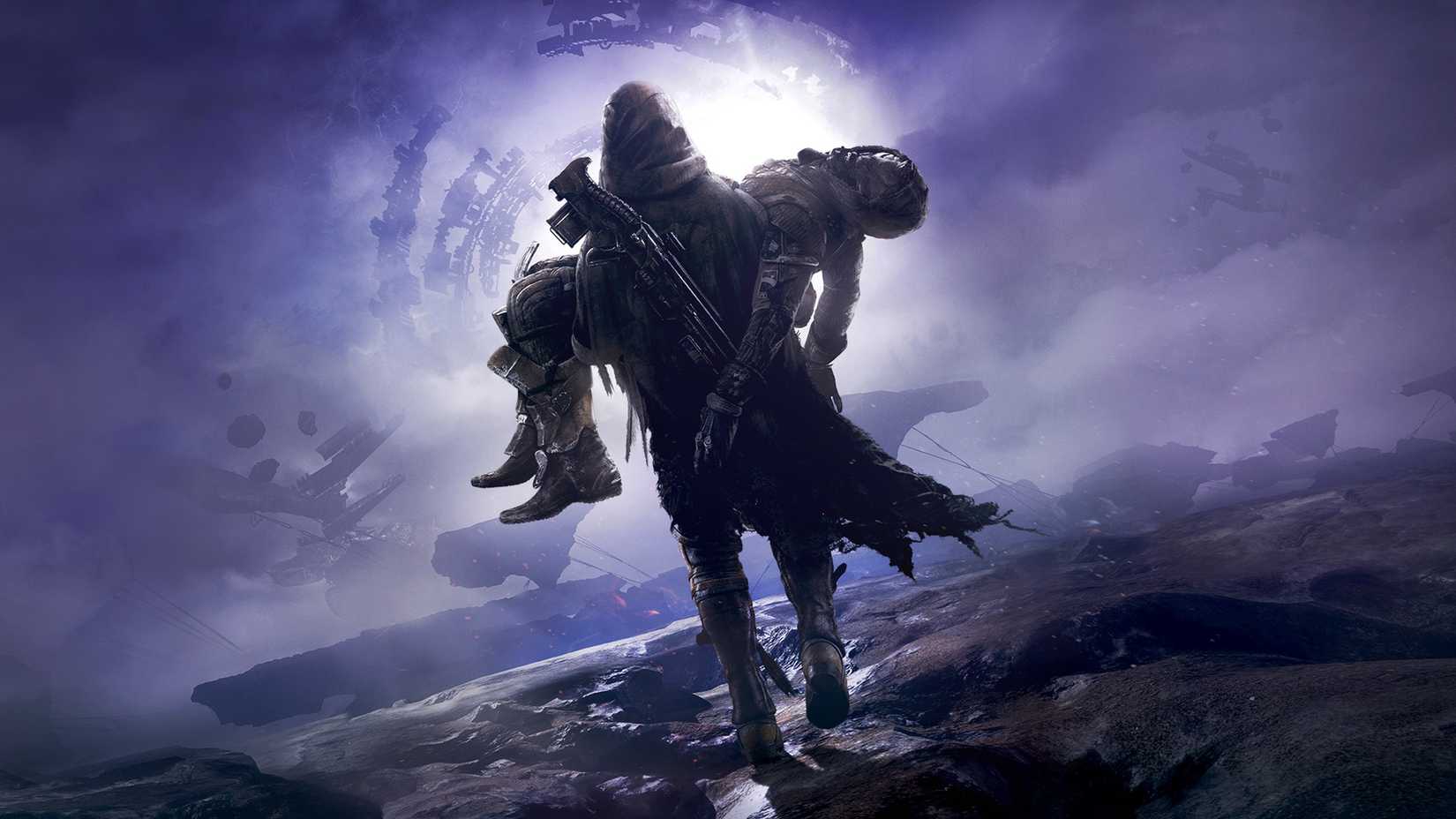
And yet, the Destiny IP wound up having a bit of a golden age of its own. As a live-service, Destiny had the duty and privilege of constant flux and renewal. When the game was at its best, like after the release of The Final Shape in 2024, it was regularly hailed as a masterwork, the best that the looter-shooter subgenre had to offer. But when popularity dipped, so did the perception of the game’s overall quality. This is to say nothing of the various controversial “live-service-isms” featured in Destiny 2, like content vaulting, weaponized FOMO, and a pretty terrible new-player experience. As such, the legacy of Destiny is far more complex and messy than that of Halo.
The shortcomings of modern Halo releases make the Bungie-developed games look even better in retrospect.
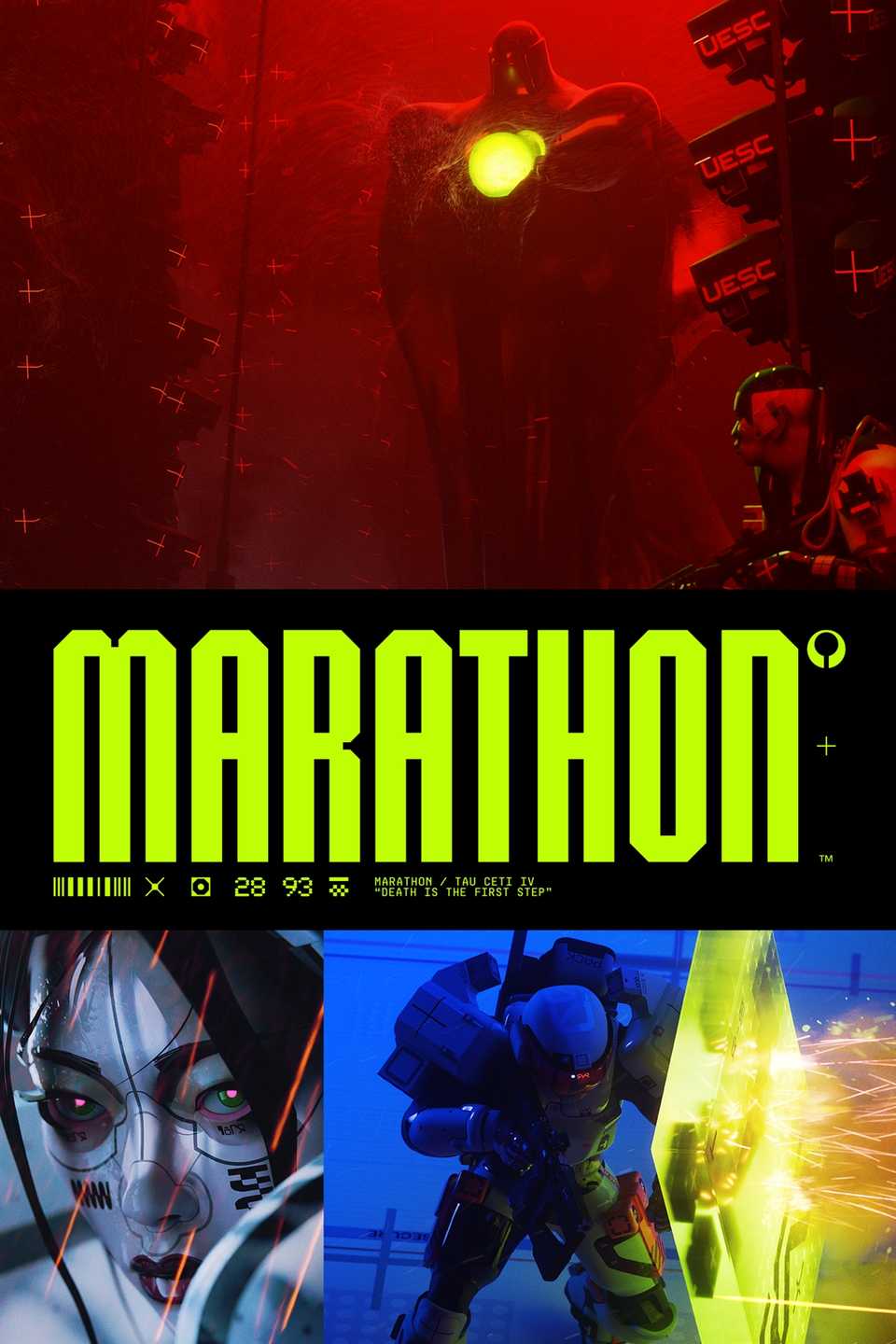
This brings us to Marathon, Bungie’s first new IP in over a decade and its first game as a Sony-owned studio. With Destiny 2 coming to an end, and with Bungie recently laying off the majority of the Destiny 2 team, Marathon has suddenly become the studio’s only basket, if you will. With no Destiny or Halo to fall back on, Marathon needs to better capture the hearts and minds of gamers, lest Bungie’s reputational capital continue to dwindle.
BioWare Needs Mass Effect 5 In Order to Survive
Flipping over to the state of BioWare, it’s interesting to see how similar its situation is to Bungie’s. Much like Halo and FPS games, the Dragon Age and Mass Effect games revolutionized the western RPG genre; you couldn’t really do much better in terms of cinematic, story-driven, choice-focused single-player RPGs, at least at the time. To this day, games like Dragon Age: Origins and Mass Effect 2 are frequently cited as being among the best games ever made, and for good reason.
The studio’s cultural cache began to dip in the 2010s, though. First, there was Mass Effect 3, a game that, while fantastic in many respects, struggled to provide a satisfying conclusion to the epic space opera story. This was followed by the well-received but not revolutionary Dragon Age: Inquisition. BioWare may have been slightly past its peak by this point, but all it would have taken was one great release to bring the company back to its former glory.
Reality disappointed. First came Mass Effect: Andromeda, a game that, while looked upon somewhat more favorably in hindsight, doesn’t come close to the prestige, excitement, and ingenuity that defined its predecessors. Things got even worse two years later with the release of the short-lived Anthem, a multiplayer looter-shooter that was diametrically opposed to the historic strengths of BioWare: strong writing, good single-player missions, and a mix of combat and slower-paced storytelling.
Most recently, we got Dragon Age: The Veilguard, a game that, while not without its fans, has clearly not enjoyed the same critical and commercial success of previous Dragon Age games. BioWare didn’t need The Veilguard to be decent—the game needed to be a narrative-breaker, a smash hit to put the company back on the map. With Mass Effect 5, BioWare has just one more chance to do this.
BioWare and Bungie Are Different, But the Stakes Are the Same
I won’t pretend that Bungie and BioWare are in the exact same position. For one thing, BioWare has suffered a far longer “downfall” than Bungie has. After all, it’s only been two years since The Final Shape, an expansion that many believe marked the height of the Destiny 2 experience. Conversely, it’s been over a decade since BioWare had a big hit. Additionally, and perhaps even more importantly, Marathon is a live-service game, meaning that it has the opportunity to change over time. Mass Effect 5 will probably not be live-service, which is good, but it also means that it won’t evolve in the same way that games like Destiny 2 and Marathon can.
With Mass Effect 5, BioWare has just one more chance…
It goes without saying that the past several years have been difficult for game studios both big and small. Even companies whose most recent releases have been successful—like Bluepoint Games and Tango Gameworks—haven’t been safe from closure, so more controversial studios like BioWare and Bungie could conceivably get the ax, if things don’t change soon. Losing such industry pillars would be devastating, so here’s hoping they can impress with Marathon and Mass Effect.

- Released
-
March 5, 2026
- ESRB
-
Teen / Animated Blood, Language, Violence, In-Game Purchases, Users Interact