
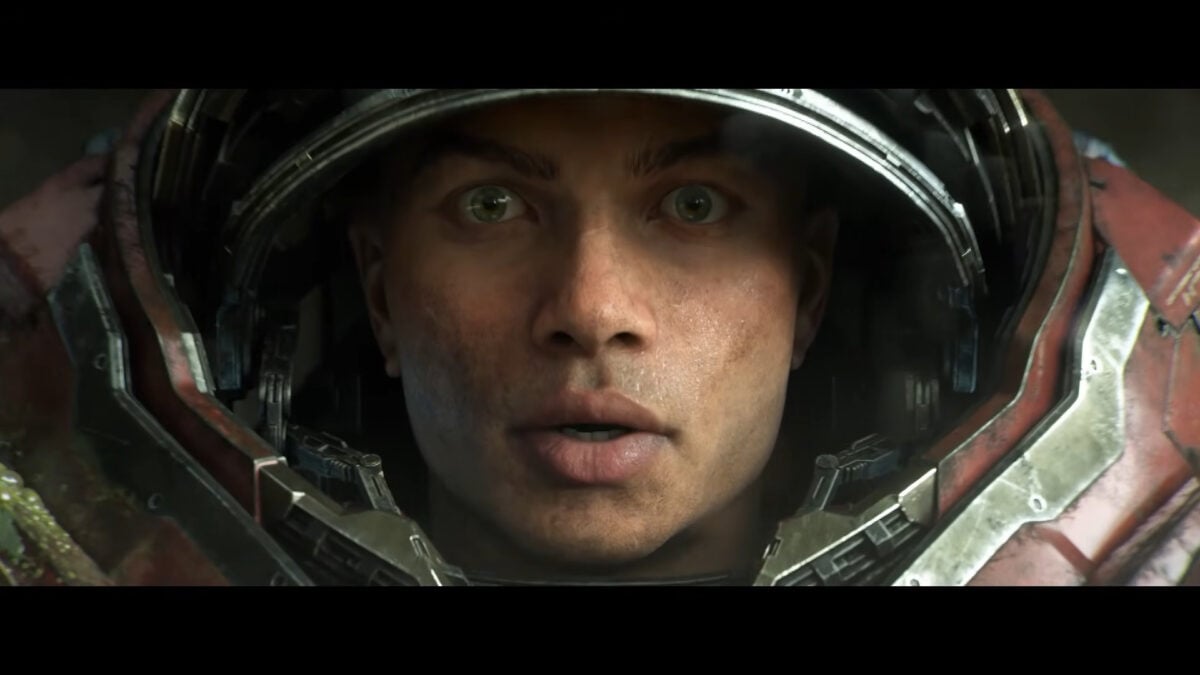




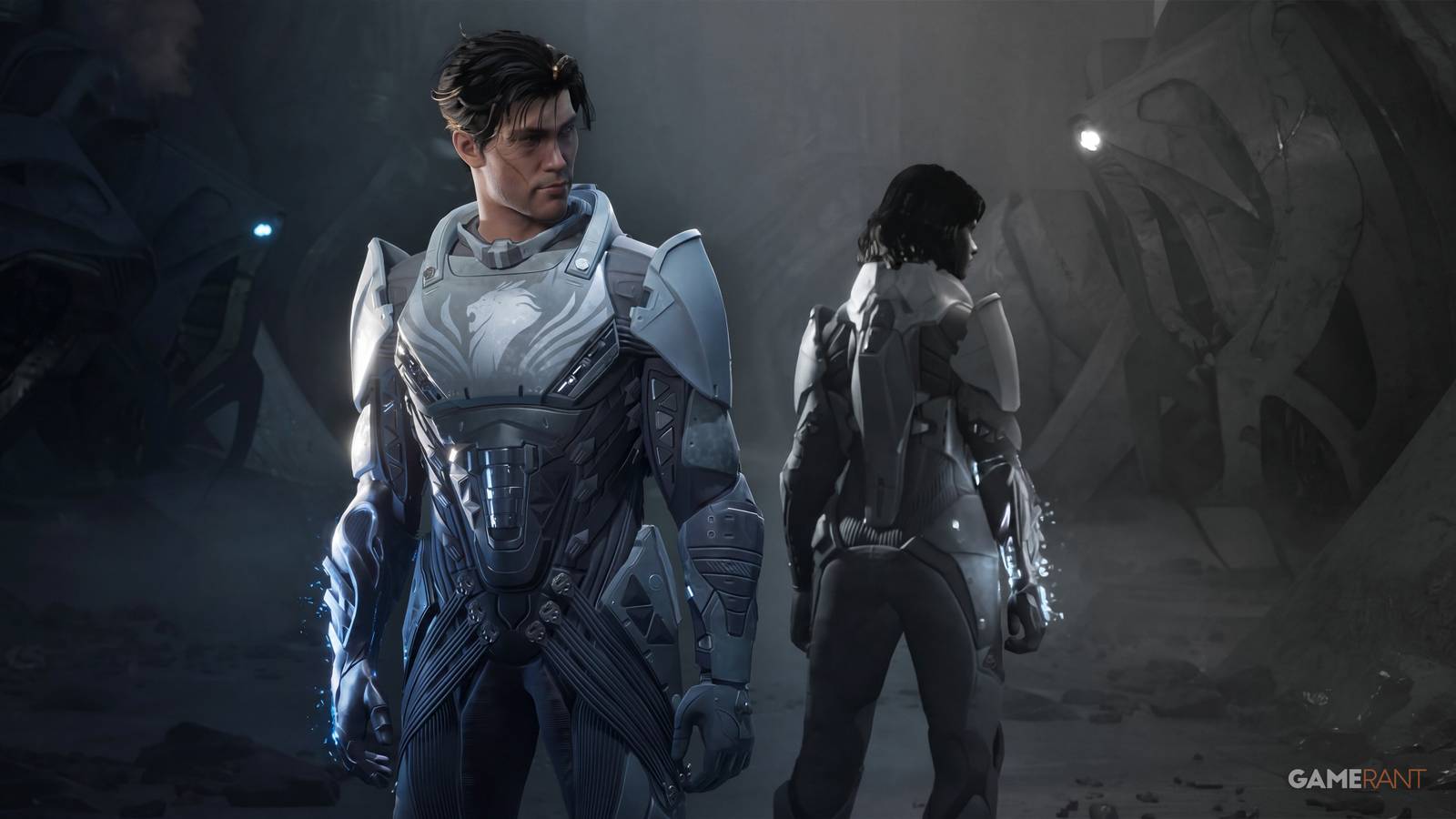
Mass Effect fans have been starved for quality content since Mass Effect 3, and Archetype Entertainment’s upcoming Exodus promises to satisfy their urgent hunger. Exodus, which is being developed by some key ex-BioWare staff members, will introduce audiences to a bold far-future, one wherein humanity has explored remote corners of the galaxy and has even evolved into alternate species. It’s got a bit of an edge, and its All Tomorrows-esque premise is more than a little creepy, which may only make it more appealing to the Mass Effect crowd.
Having said that, Exodus will have a glaring omission that sets it apart from not only Mass Effect, but traditional western RPGs in general: it will lack a conventional character-creation suite. According to a June 2026 Reddit post from Archetype Entertainment, Exodus‘ “customization feature set is focused on curated options rather than a full slider-based character creator. This means Jun will have a more established look, with options including hairstyles, facial hair, hair color, eye color, makeup, and tattoos.” In other words, the game won’t have the granular, nuanced customization options of, let’s say, The Elder Scrolls 4: Oblivion or Elden Ring. By the sounds of it, it won’t even have the same amount of customization as something like Cyberpunk 2077, which is pretty barebones in this respect already. This is rather disappointing, even if there are some fair arguments in favor of such an omission.
Exodus’ Greatest Weakness Means Mass Effect 5 Needs to Strike While the Iron is Hot
Archetype Entertainment offered another look at Exodus at TGA 2025, but one major element may have left some viewers feeling cold.
Exodus’ Scaled-Back Character-Creator Is a Bummer, No Matter How You Slice It
One of the most fascinating elements of the RPG genre is its diverse range of conventions and associated expectations. For example, we call both Baldur’s Gate 3 and Final Fantasy 7 RPGs, despite the fact that the former encourages players to insert themselves, or a distinct character of their own creation, into the game, whereas the latter dumps players into the shoes of Cloud Strife, an already-established protagonist. Neither one of these games is “more of an RPG” than the other. They simply represent different approaches to the genre.
Mass Effect splits the difference between the two styles. Commander Shepard is customized by the player to a certain extent: their gender, race, background, and overall appearance can be personalized with relative freedom. At the same time, Commander Shepard is a predetermined character in other ways. They are always human, always a member of the Alliance Navy, always bad at dancing, and so on. Players can make key changes to their personality and appearance, but some traits are immutable.

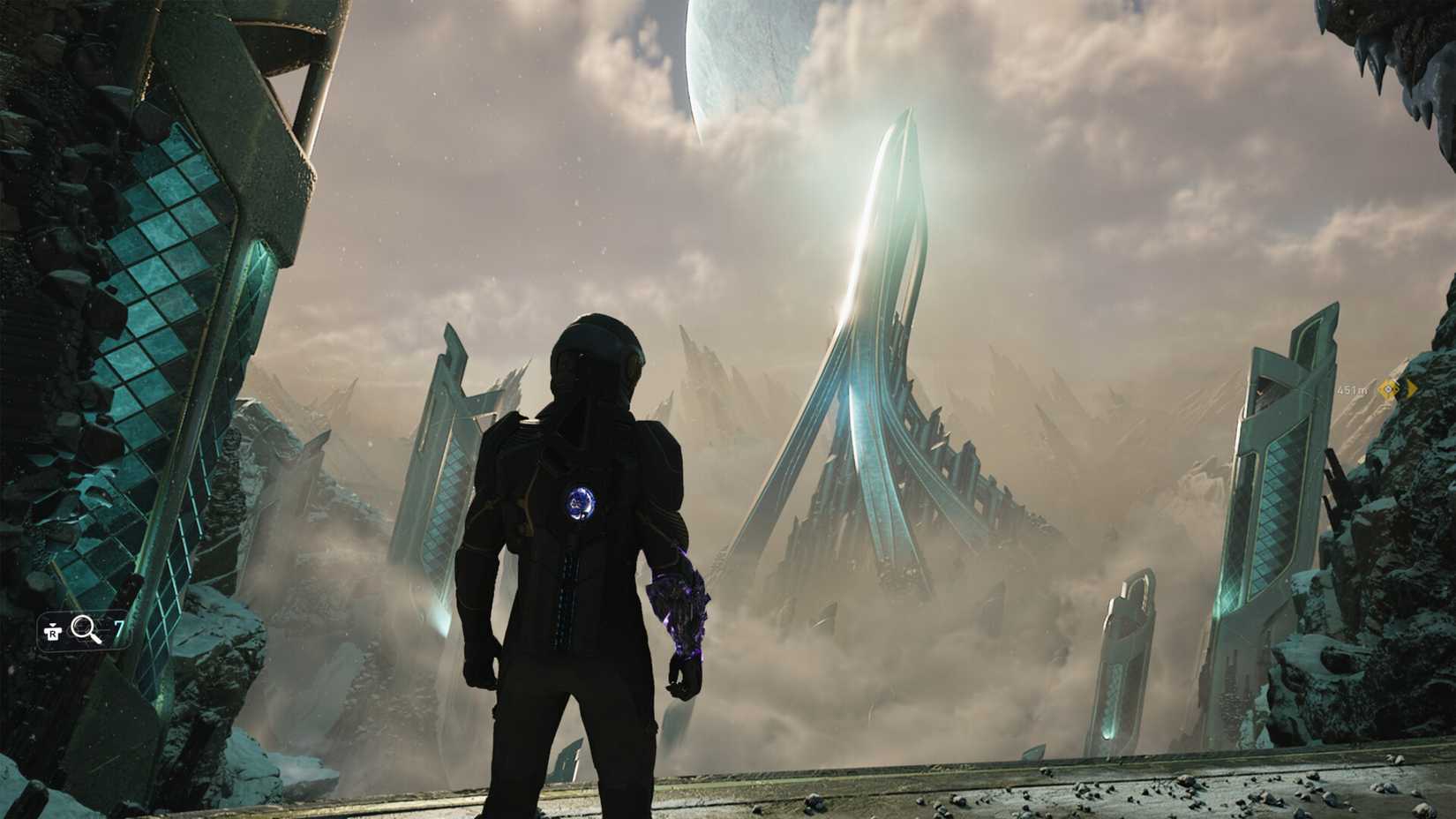
Exodus seems to lean much further into this notion with its character creator, which grants control over some basic elements like scars, hair/facial hair, tattoos, and presumably gender, but nothing more specific than that. It doesn’t look like there will be any options for alternate facial features, or even skin tone, which is surprising to say the least. This is done with the aim of making Jun a “more defined character,” according to Archetype. You might imagine that the impetus for this creative choice is Exodus‘ cinematic story: it’s generally easier to present good facial animations with a pre-designed face than one that’s been tweaked to hell and back.
Regarding the inability to change Jun’s skin tone, this could actually be a narrative choice. Exodus‘ world and lore seem to align with the popular speculative fiction idea of the blurring of ethnic lines, the idea that races will become less defined as geographic and social borders fall away in favor of a more cohesive, intergalactic human government.
An Underwhelming Character Creator Probably Won’t Kill Exodus, Despite Disappointment
It should be obvious by now that Exodus is being positioned as something of a spiritual successor to Mass Effect. This is a fair assumption, especially since the game’s creators have specifically cited Mass Effect and BioWare as major influences. With the last Mass Effect game being Andromeda in 2017 (a game with its own quirky character creator), it would have been nice to see what an ME-adjacent title could do with modern tech, as it pertains to character customization.
It doesn’t look like there will be any options for alternate facial features, or even skin tone, which is surprising to say the least.
Here’s the thing, I’m a huge Mass Effect fan and have played the series countless times, and almost every time, I simply go with the standard male or female Shepard. As much as I’d love to customize, it’s challenging to make Shepard look normal or believable with a custom appearance. Even when I’ve spent upwards of an hour trying to make them look cool in the character creator, the illusion is usually shattered as soon as they start moving their face in cutscenes. This issue of animation is what holds me back from giving Shepard a more custom look, so it’s disappointing to see that Exodus isn’t taking another proper crack at this feature.
Ultimately, vision is what makes a game good or bad, more than the presence or absence of specific features. Audiences will regularly cry out for this or that inclusion, this or that gameplay system, treating video games like a Subway order, but the best games of recent years are usually the ones that don’t take these demands too seriously. Mainstream audiences weren’t exactly asking for Clair Obscur or Baldur’s Gate 3, and those titles wound up defining their respective release years.
As for Exodus, a less malleable protagonist might not be what players asked for, but if it’s a decision made with the right intentions, then this won’t really matter. After all, Geralt of Rivia can’t be customized beyond hair and facial hair, and precious few gamers are complaining that The Witcher 3 is a bad game because of such restrictions. The truth is, we don’t really know what sort of protagonist Jun Aslan is going to be, nor how their story is going to unfold. Exodus isn’t trying to be a space-faring life sim, it’s trying to tell an ambitious sci-fi narrative. If having a more intentional, rigid visual design for Jun serves this end, then the character creator could very well be a worthwhile sacrifice.

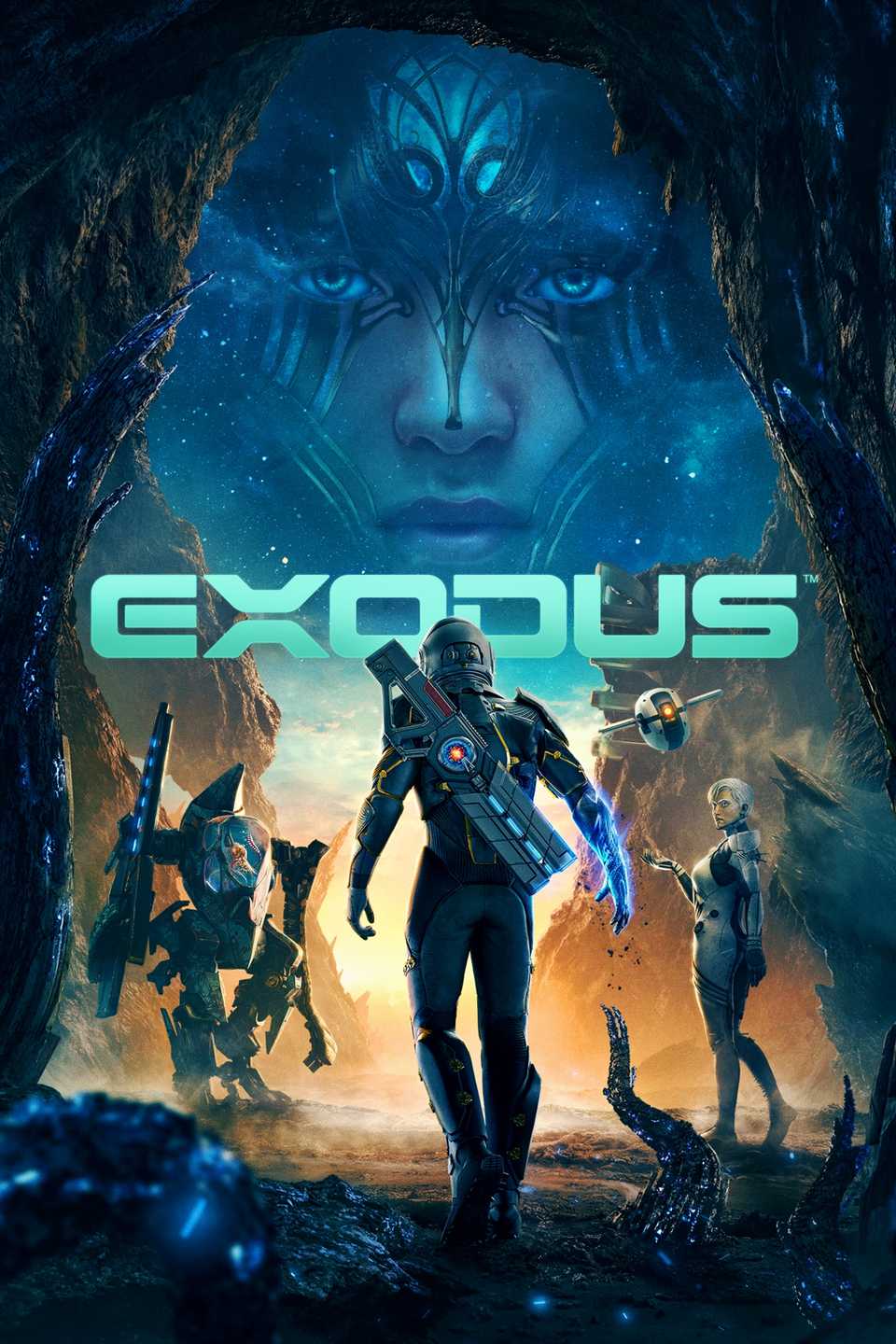
- Released
-
2027
- Developer(s)
-
Archetype Entertainment
- Publisher(s)
-
Wizards of the Coast
- Number of Players
-
Single-player
- Steam Deck Compatibility
-
Unknown