


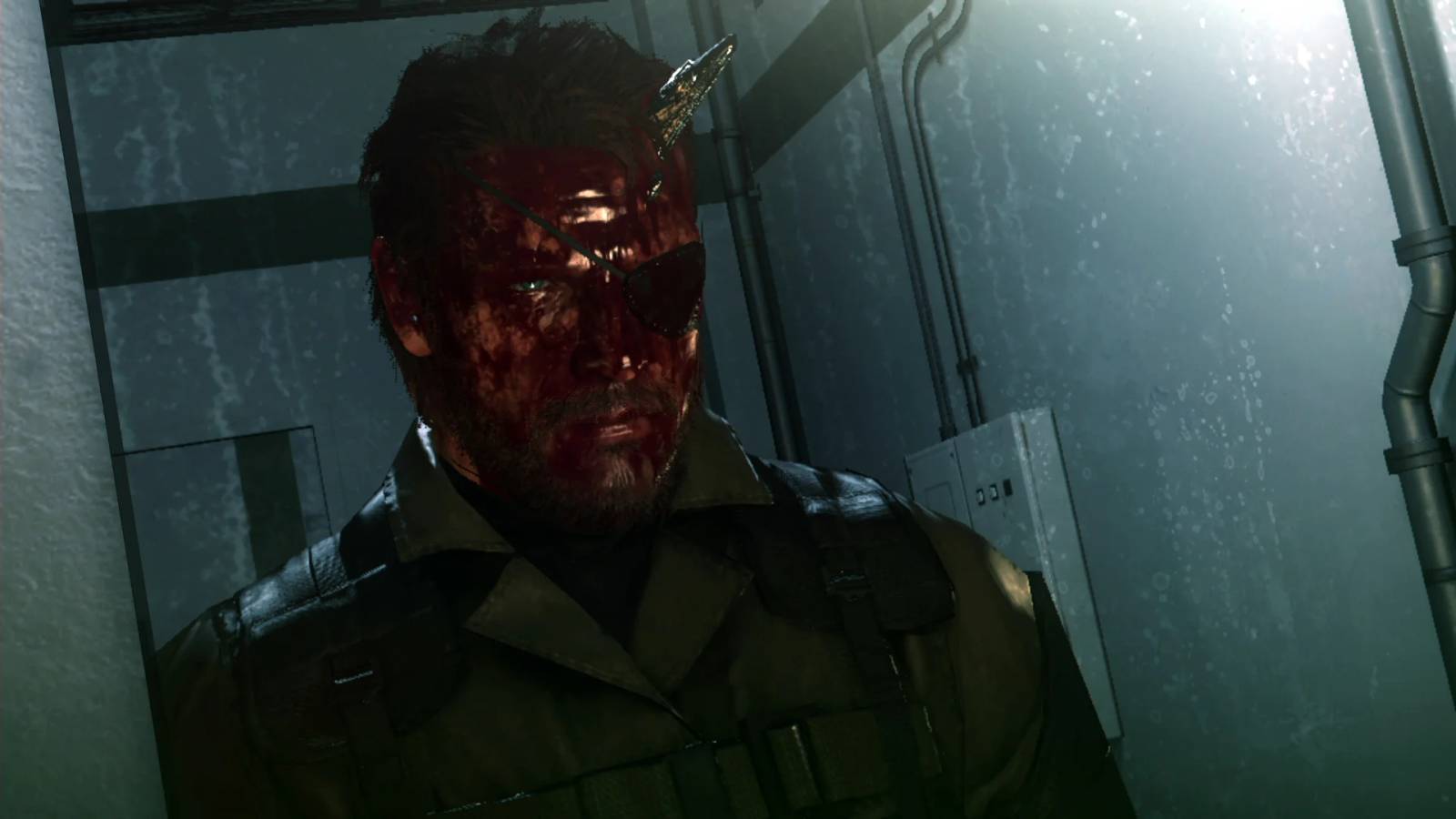
Konami is almost certainly going to continue investing in the Metal Gear Solid franchise. The only question is what form this will take. With Metal Gear Solid Legacy Collection Volume 2, nearly every canon Metal Gear game has been spruced up and re-released for modern hardware. This leaves the developer-publisher with a few options, including more Metal Gear Solid remake games in the vein of Metal Gear Solid Delta: Snake Eater.
But really, the question on everyone’s minds is if and when Konami is going to actually continue the Metal Gear Solid saga with a new, non-remake, non-remaster release. Konami hasn’t explicitly commented on its intentions with this particular franchise, but the company has been clear about its desire to re-commit itself to its various franchises, many of which are worth their weight in gold. We’ve already seen this unfolding with this recent spate of Silent Hill games: Konami kicked off its Silent Hill revival with an excellent, Bloober Team-developed Silent Hill 2 remake, following up with two radically original releases in the form of Silent Hill f and Silent Hill: Townfall—so far, so good, and other properties, like Castlevania, could be awaiting similar fates. But Metal Gear is different for one pretty obvious reason.
For many fans, Metal Gear and Hideo Kojima are inseparable, to the point where non-Kojima-developed games are almost ubiquitously considered non-canon. Metal Gear Solid: Portable Ops is the title whose canonicity is most fiercely debated, but even those who argue that it is canon tend to point to Kojima’s producer credit as major evidence.
Precious few media franchises have this sort of auteur-centric following. Even well-regarded figures in the games industry don’t inspire this same loyalty. For instance, while most in the know agree that Amy Hennig’s work on the first three Uncharted games is of fundamental importance to the series, no one would argue that Uncharted 4 shouldn’t be considered canon as a result of her non-involvement.
In some ways, this is part of what makes Metal Gear Solid special. By being “the Hideo Kojima franchise,” there was a certain prestige to every release, and the notion that Metal Gear‘s dizzyingly complex lore came from the mind of one man (whether that’s fully accurate or not) makes it all the more intriguing. Through Kojima’s unmistakable approach to narrative and game design, Metal Gear joins the likes of A Song of Ice and Fire (Game of Thrones) and Berserk, franchises that could theoretically continue without their original creator, but not without a major change in identity.

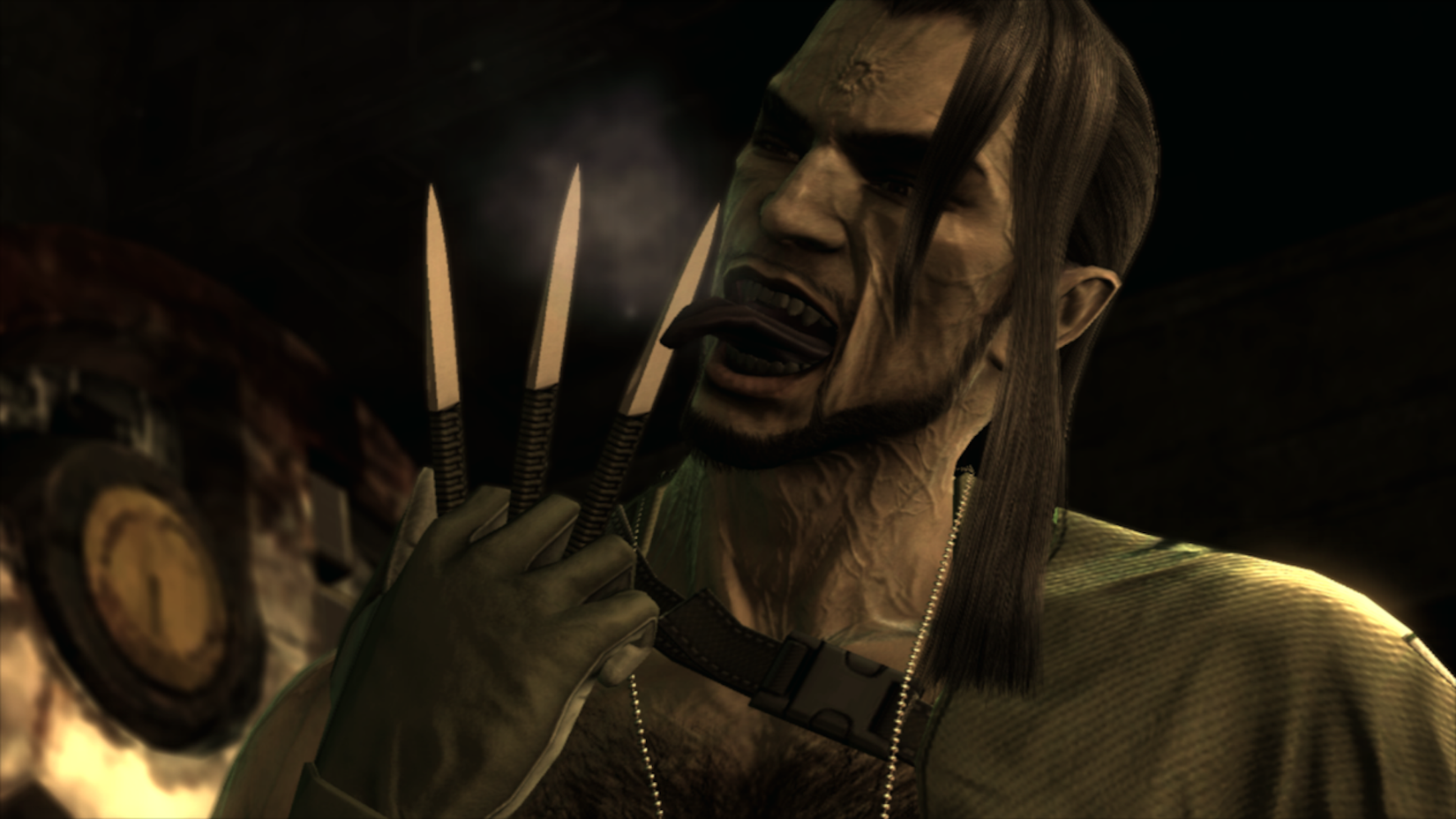
It doesn’t help that the only truly original Metal Gear game Konami has released since its split with Kojima, Metal Gear Survive, is generally considered a cynically produced travesty. The company definitely didn’t start its post-Kojima era off on the right foot. And although many fans might understandably fantasize about a world where Kojima and Konami kiss and make up for Metal Gear Solid 6, that probably just isn’t going to happen. Kojima has repeatedly expressed a lack of interest in future Metal Gear games, and seems to have his hands full with Physint and OD: Knock.
To be clear, none of this is meant to be an argument in favor of more Metal Gear games, generally speaking. Although it’s one of my favorite franchises, I don’t think Metal Gear Solid needs another sequel—despite what some continue to insist, I firmly believe that the Metal Gear Solid story is satisfying and complete as-is. But Konami will probably make another game regardless: no company of its size and ambition is going to leave that kind of money on the table.
Konami Is Going to Need to Leave Kojima Behind at Some Point
The shadow Kojima’s absence casts over the Metal Gear IP is felt by some former colleagues as much as his fans. The Japanese voice actor for Snake (Solid, Solidus, Naked, Venom), Akio Otsuka, frequently voices his affection for the game director, and has gone on record saying that he’s not interested in another Metal Gear game without Hideo Kojima. Speaking with Japanese outlet Bunshun in October 2026, Otsuka joked about this declaration: “Now that I’ve said it, I can’t back down.”
He would go on to tell the publication that, despite this, he still thinks there should be another Metal Gear Solid game:
There are [Metal Gear] fans all over the world eagerly waiting for it. So let’s make one more Metal Gear game for them. I figure, since [Kojima’s] making his own thing with Death Stranding, why not?
While I have high hopes for Physint, I’ll admit that there’s nothing quite like Metal Gear; without Kojima, there will probably never be another “true” Metal Gear experience again. This becomes exponentially more true when you consider all the Metal Gear alumni who, like Otsuka, would likely not return to the series unless Kojima were involved. The golden age of Metal Gear Solid, in all likelihood, is never coming back.
But there could still be room for bold innovation—perhaps such innovation could become what defines Metal Gear Solid moving forward, more so than Hideo Kojima himself. I wouldn’t put it at quite the same level of quality and inventiveness as the mainline Metal Gear games, but Metal Gear Rising: Revengeance proves that a radically distinct gameplay and story premise can be the key to unlocking the higher potential of the series. Similarly, Silent Hill‘s revival has been greatly helped by its willingness to embrace concepts and mechanics foreign to the broader series. Perhaps it’s time that the same is done with Metal Gear.