





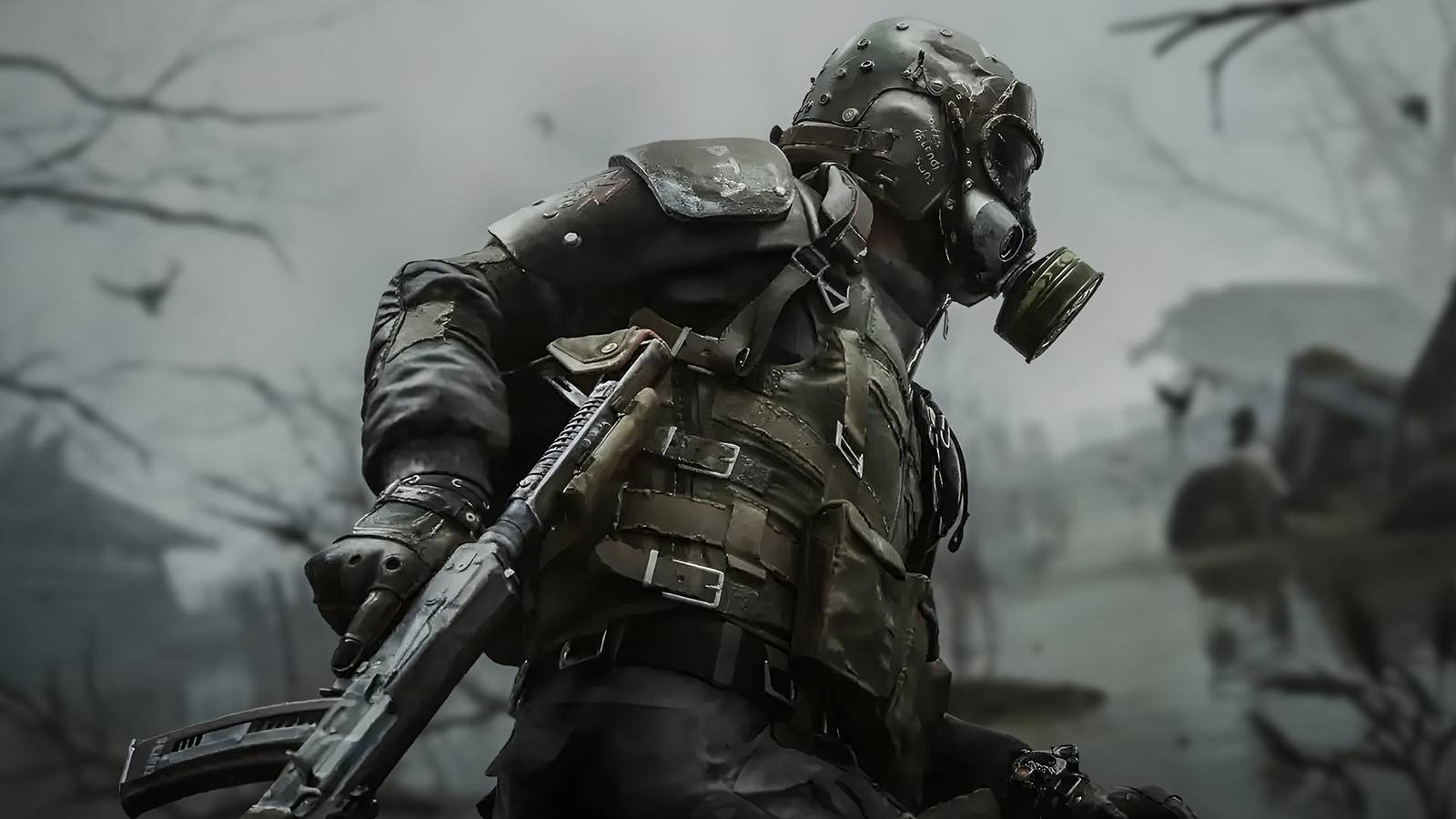
FPS games in the modern era are vastly different from those in the early days of the genre or even just 10 years ago, and one of the biggest changes has been a push for more on-screen information in the form of extensive HUDs and UI indicators. It is hard to find a first-person shooter nowadays that doesn’t have a map in the corner, a weapon wheel, a compass, objective markers, and your own personal stats all in view at once, but one of the most exciting upcoming shooters, Metro 2039, is looking to subvert that trend and go back to the roots of the franchise and the genre as a whole.
Rather than having loads of details visible to you at all times, the game is placing a much greater emphasis on realism, and as a result, the HUD is being kept to a minimum, and otherwise simple mechanics like viewing the map and crafting items are going to be far more diegetic. Metro 2039 is taking the concept of immersion and pushing it to the extreme, forcing you to physically sit your backpack down to craft, pull out a map to get your bearings, or use a UV lamp to uncover environmental details, as opposed to everything being presented to you from the start. The dedication to realism means that the darker themes within the story can feel far closer and your connection to the world becomes so much deeper, due to how closely intertwined the gameplay and the environment are.
Metro 2039 Is Putting Immersion And Realism First
-
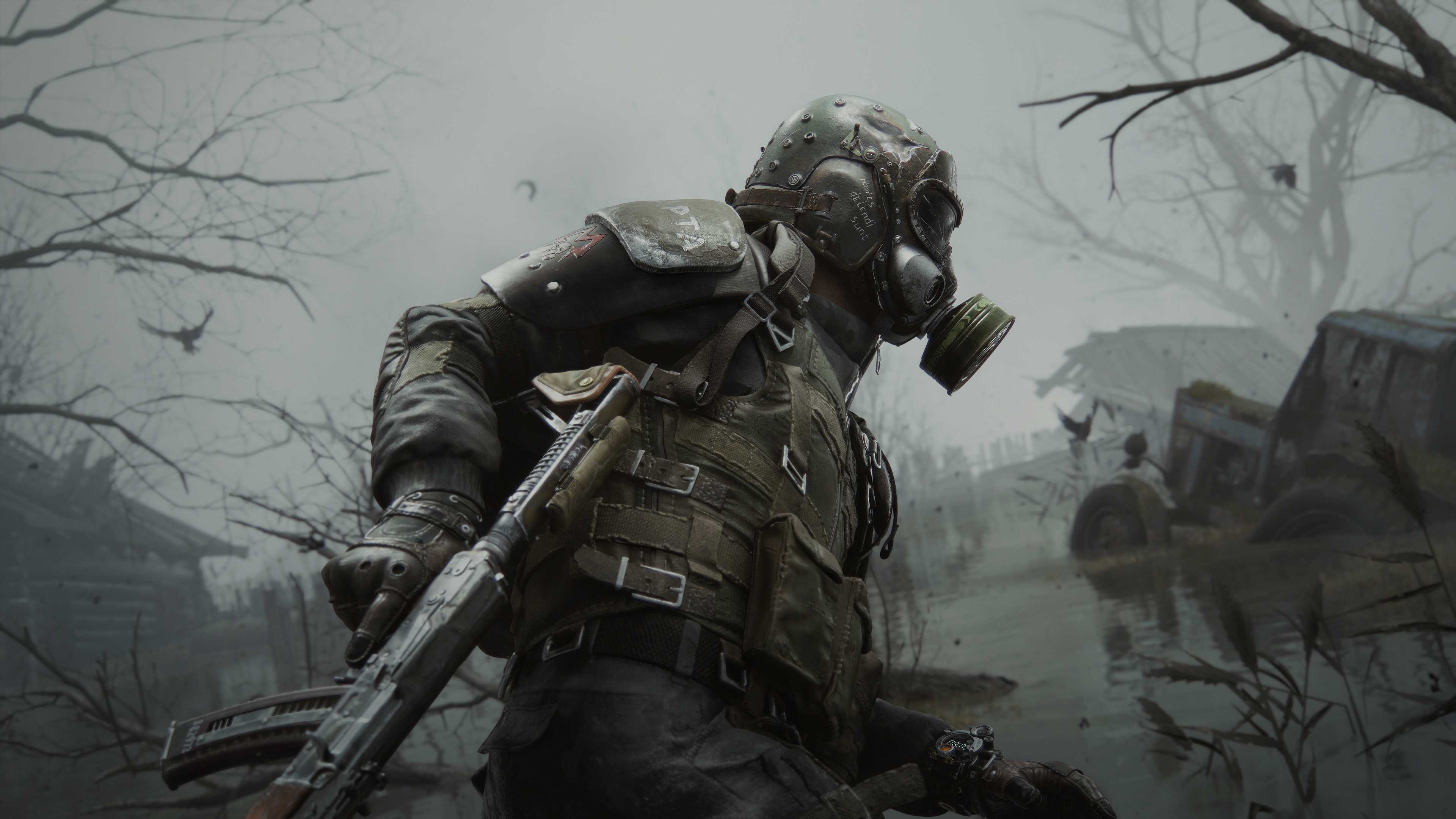 Image via Deep Silver
 -
 Image via Deep Silver
 -
 Image via Deep Silver
For anyone who has played the Metro series, you will know how great the atmosphere is and how well the games use a lack of UI to immerse you within the apocalyptic landscape. In the first game, you pretty much just have an ammo counter in combat and a visual indicator of your gas mask, but aside from that, there is basically nothing between you and the icy world. Compare that to a newer, even similar release like S.T.A.L.K.E.R. 2: Heart Of Chornobyl, and we can clearly see that there are far more HUD elements present, like objective markers and more persistent statistics that make the whole experience feel a lot more gamey.
Now, more explicit UI features aren’t necessarily a bad thing, and in a lot of ways, having those extra pieces of information at a glance can be extremely helpful and stop you needing to dig into endless menus whenever you want to check how many bullets you have left to fire. However, I think it is pretty hard to deny that by placing little icons and numbers all around your field of view, the immersion and realism factors are being reduced significantly, as you are no longer being sucked in and pressured to cautiously explore a barren wasteland and are instead much more aware of the fact that you are playing a video game.
Metro 2039 is taking the concept of immersion and pushing it to the extreme…
That is exactly where Metro 2039 is looking to stand out from the crowd. From the initial trailers and gameplay previews, it is already clear this game is leaning heavily into realism by having a minimalist UI and several elements that bring you closer to the action on-screen. For starters, if you want to figure out where you are in a location, instead of glancing at the corner or pressing a button, you have to pull out the map and decipher where to go next all on your own. Then there’s the crafting, which functions in a similar way, where you have to take your backpack off and physically open it, which changes the relationship between you and the otherwise simplistic systems that would normally be accessible at the click of a button.
-
 Image via Deep Silver
 -
 Image via Deep Silver
 -
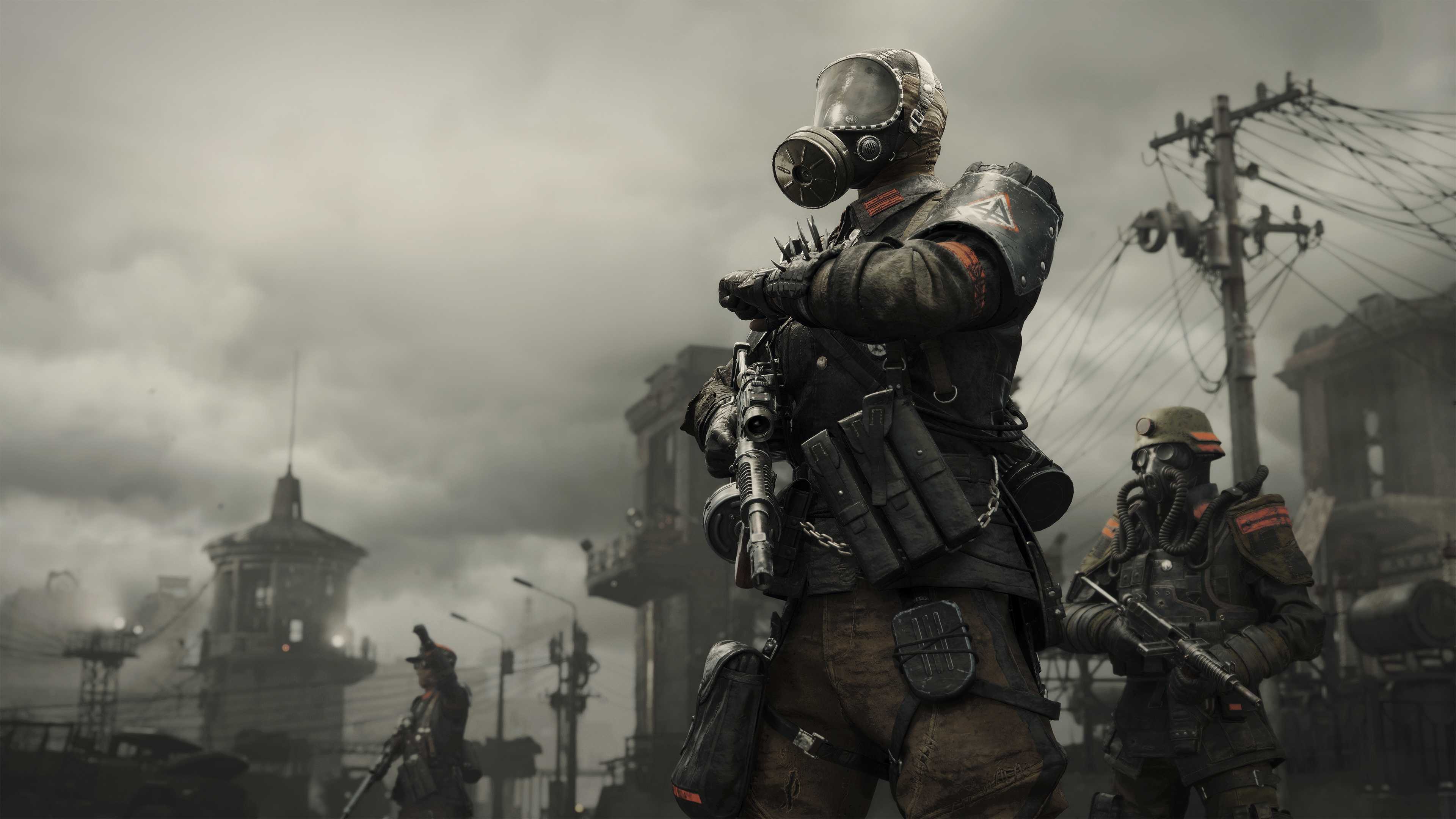
And, because of how many details there are to uncover in the environment and how self-led the exploration is, you even have access to a UV lamp that can reveal secret codes and even enemies that would normally just appear through a waypoint or a HUD icon. All of these components together create an incredibly immersive gameplay experience that is only possible by disregarding the modern conveniences that many other games employ today.
Good Stories Require Good Immersion
Immersion and realistic mechanics aren’t just there for improving the gameplay or changing how you engage with the various locations, but they can also be excellent tools at elevating the narrative and the world-building around it. We know that Metro 2039 is going to be a much darker game than the previous entries, driven both by real-world conflicts that remain relevant due to the setting of the franchise and by a desire to tell a more grounded story that is more confined as opposed to being open-world and broad like Exodus.
We also know that previous characters and entities will be making their return, and as a result, the devs have a good starting point to build from and are then able to explore new territory that they had previously been unable to conquer. However, as easy as it would have been to reinvent the franchise and draw in a whole different kind of audience, this emphasis on immersion and the lack of reliance on invasive UI means that the game’s direction has already been set in stone, and I imagine that old Metro fans are going to adore the atmosphere and realistic approach, while other players who are more used to guided elements may struggle to find their footing.
What I mean by this is that by removing convenient features and stripping down the experience to the bare essentials, many people who are used to having a solid concept of where to go and a nice and easy relationship between the menus will be taken aback at how many additional steps there are to complete even basic tasks like checking the map. This isn’t to take away from Metro 2039 or any of the other games in the series, but I think it is important to note that with any developmental decision there are always going to be positives and negatives for various groups of players.
I personally really enjoy the immersive nature of the games and am super excited to see more of the story and to experience the exploration first-hand. With that said, I can also understand that certain core ideas within the franchise are slightly contrary to how other modern shooters are designed. Nowadays, a lot of FPS games focus all of their attention on fast movement, action, and brisk storytelling, whereas Metro is all about atmosphere and slowly learning more about this complex world that you are living in. What it comes down to is if you like minimal HUDs and truly immersive games, then Metro 2039 is bound to please you, but if you are less patient and more interested in constant kicks, then I think that it might be worth giving the older games a try first to see if the new one is the right fit.

Metro 2039
- Released
-
February 4, 2027
- ESRB
-
Mature 17+ / Intense Violence, Blood, Language