




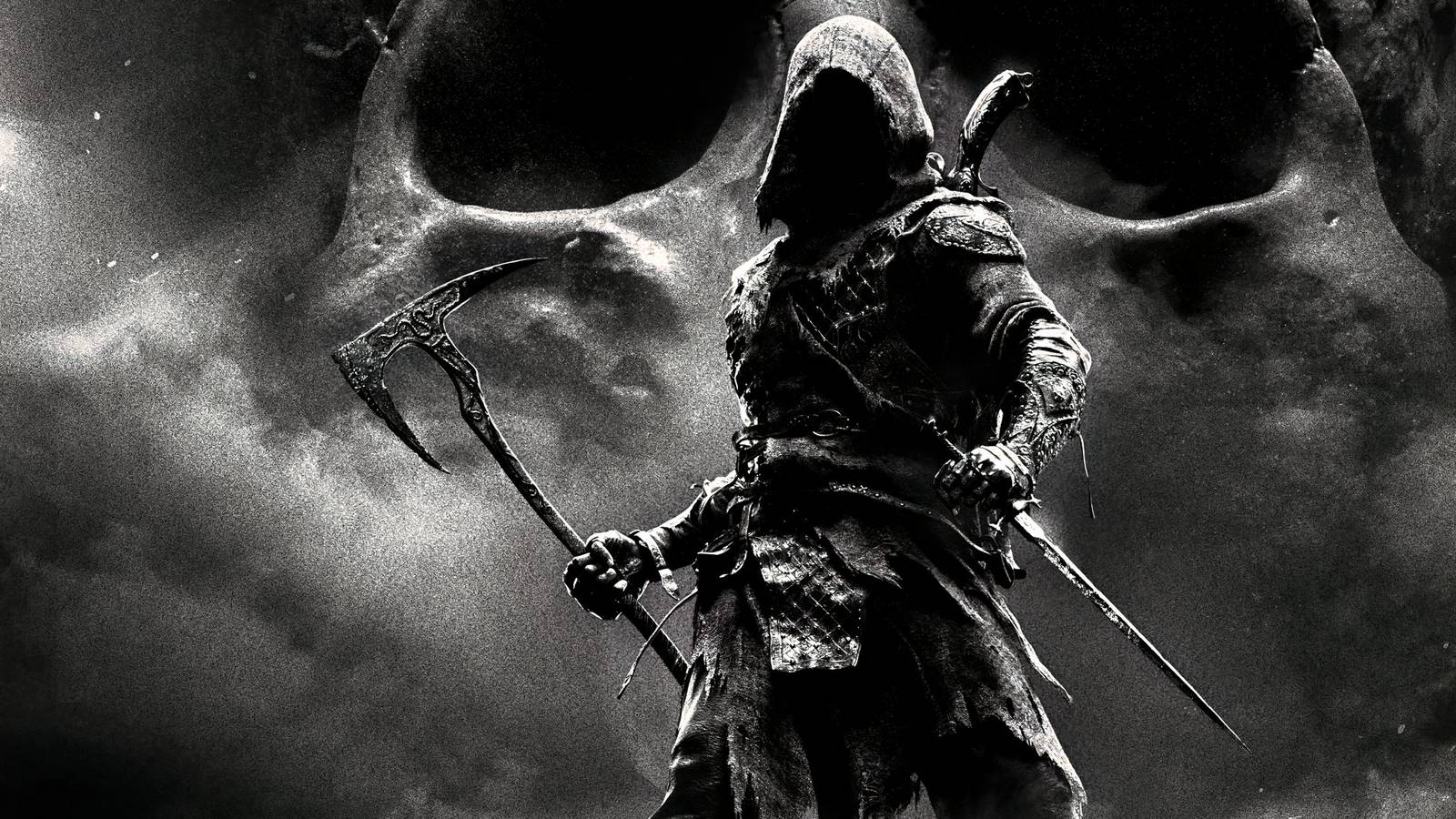
Cold Symmetry created something genuinely interesting with Mortal Shell. The game’s Shell system, Harden mechanic, and gloomy atmosphere gave it a distinct identity in an increasingly crowded genre. However, many players, while appreciating the concept, felt that the developer’s ideas never came together as fully as they could have. “It feels unfinished” or similar sentiments were frequently read in reviews and on social media. Mortal Shell 2, on the other hand, seems like the experience Cold Symmetry wanted to craft all along. Those ambitious ideas have coalesced into a cohesive, well-rounded action RPG that might be more aptly considered Mortal Shell 2.0 than a full sequel.
Combat Is Mortal Shell 2’s Biggest Strength
-
-


The biggest improvement becomes apparent in combat. Mortal Shell 2 is faster, more fluid, and more responsive than its predecessor. Hits deliver impactful visual and audio feedback, enemies react convincingly when struck, and the execution animations are gratifying every time. Notably, the game does away with the stamina mechanic, which was criticized as a frustrating limitation in the first game, often resulting in a repetitive hit-hit-retreat pattern that slowed things down. With Mortal Shell 2, players can focus on attacks, positioning, and dodging without keeping their eye on a gauge. Though stamina management is, for some players, a key component of a Soulslike, its removal is freeing, giving battles a more immediate feel while preserving the deliberate pacing and requisite caution expected of the genre.
The Harbinger, the new protagonist, has several defensive options in his arsenal, from Hardening, dodging, or parrying to abilities tied to individual Shells. Players now have the choice of multiple Seals, rather than the singular Tarnished Seal of the first game, and each provides a distinctly different combat experience. The Untarnished Seal, for example, grants a more lenient parrying window and can deal break damage, while the ability to Harden is now tied to another Seal. There is also the Slayer Seal, which puts the game in easy mode, so much so that equipping it will disable achievements, at least it worked that way during our pre-launch review period.
Essentially, there are four ways to tailor difficulty in Mortal Shell 2, which will render it accessible to a wider swathe of gamers, including those who might steer clear of Soulslikes due to their notorious challenge. The Slayer Seal is ideal for those who prefer to explore without the constant fear of unexpected death lurking around every corner, while normal mode will appeal to Goldilocks players. There is, of course, New Game+ that scales up enemy damage and HP, as well as Night Mode, which amplifies both the difficulty and rewards gained. The combination of new tools and play modes leaves considerable room to experiment.
A Mysterious World With Too Few Mysteries
Enemy variety is one of Mortal Shell 2’s strengths. Even in early areas, enemies display surprisingly different behaviors and movesets, though some of these will be familiar to those who played the first game. There are ambushers, ranged attackers, flying enemies, explosive nuisances, and opponents who buff nearby friends. Some foes will even fight one another, allowing the Harbinger to stand back and passively collect Gloom, this game’s equivalent of Souls. This creates temporary moments when the environment feels slightly reactive and lived in. Despite this, much of the world feels like an empty stage with themed enemies planted here and there for no other purpose than to serve as obstacles or fodder. And while the variety of adversaries is appreciated, once a player’s build is mastered, even some bosses turn into perseverance piñatas that only need to be dodged and out-smacked, no matter the difficulty.
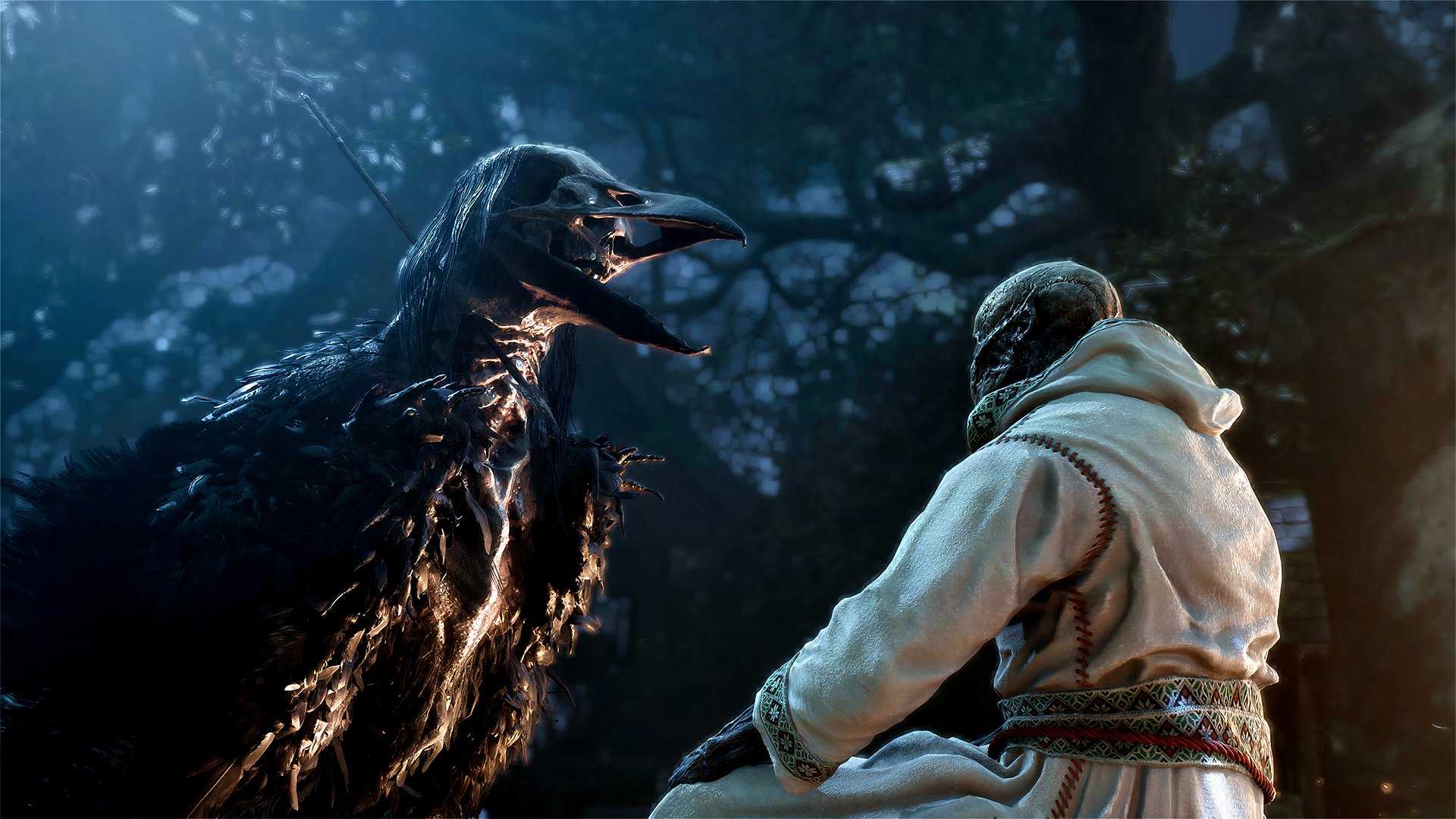
Exploration is another area where Mortal Shell 2 feels like a huge leap forward. The world is much more vast, open, and interconnected, sprinkled with optional zones, shortcuts, hidden areas, and the occasional mini-boss. In fact, it’s often unclear what and where the main path is, leading to a bit of running in circles. That’s not necessarily bothersome, though, because much of the scenery is stunning. Gone is the predominantly dreary gray and black color palette of the first game. There’s greenery and waterfalls, snowy caverns, ruined structures, and dimly lit dungeons, all hinting at hidden lore, though that lore is a bit sparse, further adding to the impression of a world that’s little more than a set piece.
The RPG retains the environmental storytelling and mysterious worldbuilding of the original, and players will come across the occasional tattered note that gives a brief tickle of a story. There is a central premise, that of the Undermether and the search for her Ova, with the Harbinger occupying varying Shells to assist him in the task. Even so, Mortal Shell 2’s mythos gives less the impression of deliberate Soulslike ambiguity and more one of absence. The game doesn’t quite sell its world as a place that could exist. Nevertheless, the story that is presented, combined with engaging combat, is enough to keep most players moving forward.
How Is Mortal Shell 2 Different From the First Game?
-

-

-

Mortal Shell 2 feels like a direct response to the first game’s biggest weaknesses. Shells have been expanded to twice the original number, with each offering distinct abilities that cater to different play styles. Instead of character templates that felt like dropping into inflexible shells, there is now a deeper leveling system that, along with many other changes, encourages multiple playthroughs of Mortal Shell 2. The sequel also introduces ranged weapons that are integrated into combat rather than feeling like an afterthought, and the arsenal of melee weapons has grown as well. Tarstones further expand customization, offering bonuses like weapon effects, increased crit chance or damage, and increased coin drops, giving players another way to tailor their builds.
In the original game, rifling through the inventory was constant, and newly discovered items had to be consumed to figure out what they did. That mechanic has been slightly revised, making item management far less tedious. Objects have a helpful descriptor, not a vague lore-based one, and additional details are revealed by finding more of the same item. This eliminates the need to regularly swap things into the hotbar or consume them unnecessarily, so no more accidental poisonings at an inopportune time.
For players who appreciated the original game’s ideas but found their execution lacking, these tweaks make Mortal Shell 2 feel like a comprehensive refinement of what came before and less like a true sequel. Of course, some will prefer what the original offered, especially since some changes come at the price of fundamentally altering Mortal Shell’s unique attributes. Still, there are callbacks to the first game that will thrill any fan. Notably, most of the Shells make a return, with adjustments so that using them doesn’t feel like just more of the same. Tiel remains the best bet for those who like a fast-paced and evasive playstyle, while those who prefer a brawny fighter may feel more comfortable with Eredrim or newcomer Gragu.
A Few Rough Edges Remain
There are still a few rough edges, some of which will be addressed with a day-one patch. Camera behavior and lock-on can occasionally be awkward, resulting in frustrating deaths in the worst case. There are collision issues, some soft locks, and other technical glitches. Few things are more sigh-inducing, for example, than queuing up a powerful attack only for it to whiff because the Harbinger swung vigorously at the air instead of the targeted enemy right in front of him. These issues are worth mentioning, but are difficult to judge as lasting problems, as Cold Symmetry has been addressing feedback during the open beta preceding Mortal Shell 2’s full launch, and the problems never undermined the sheer fun of playing the game.
Mortal Shell 2 succeeds because the developers understood what made the original memorable and unique, and they expanded and improved upon these elements rather than outright replacing them. The world is more interesting to explore, the enemy roster is more varied, the Shell system is more flexible, and the atmosphere remains every bit as strange.
For fans of the original, Mortal Shell 2 is the sequel they were hoping for. Players who were put off by the first game’s rougher execution may find this new iteration is more than enough to change their opinions about the franchise. And gamers who are just looking for a great Soulslike to jump into will be satisfied by what they find. More importantly, it doesn’t feel like Cold Symmetry simply made a bigger Mortal Shell or plopped the same gameplay experience into a new environment. The studio figured out what worked, fixed much of what didn’t, and built a banger around those ideas.


- Released
-
August 20, 2026
- Publisher(s)
-
Playstack
- Franchise
-
Mortal Shell
- PC Release Date
-
August 20, 2026
- Almost every system has been upgraded from the original game
- Combat feels impactful and gratifying
- The leveling system is more comprehensive
- Lots of room for customization and replayability
- Some technical issues
- Game world is gorgeous but doesn’t feel lived in
Mortal Shell 2 launches August 20 for PC, PS5, and Xbox Series X/S. GameRant was provided a Steam code for this review.