
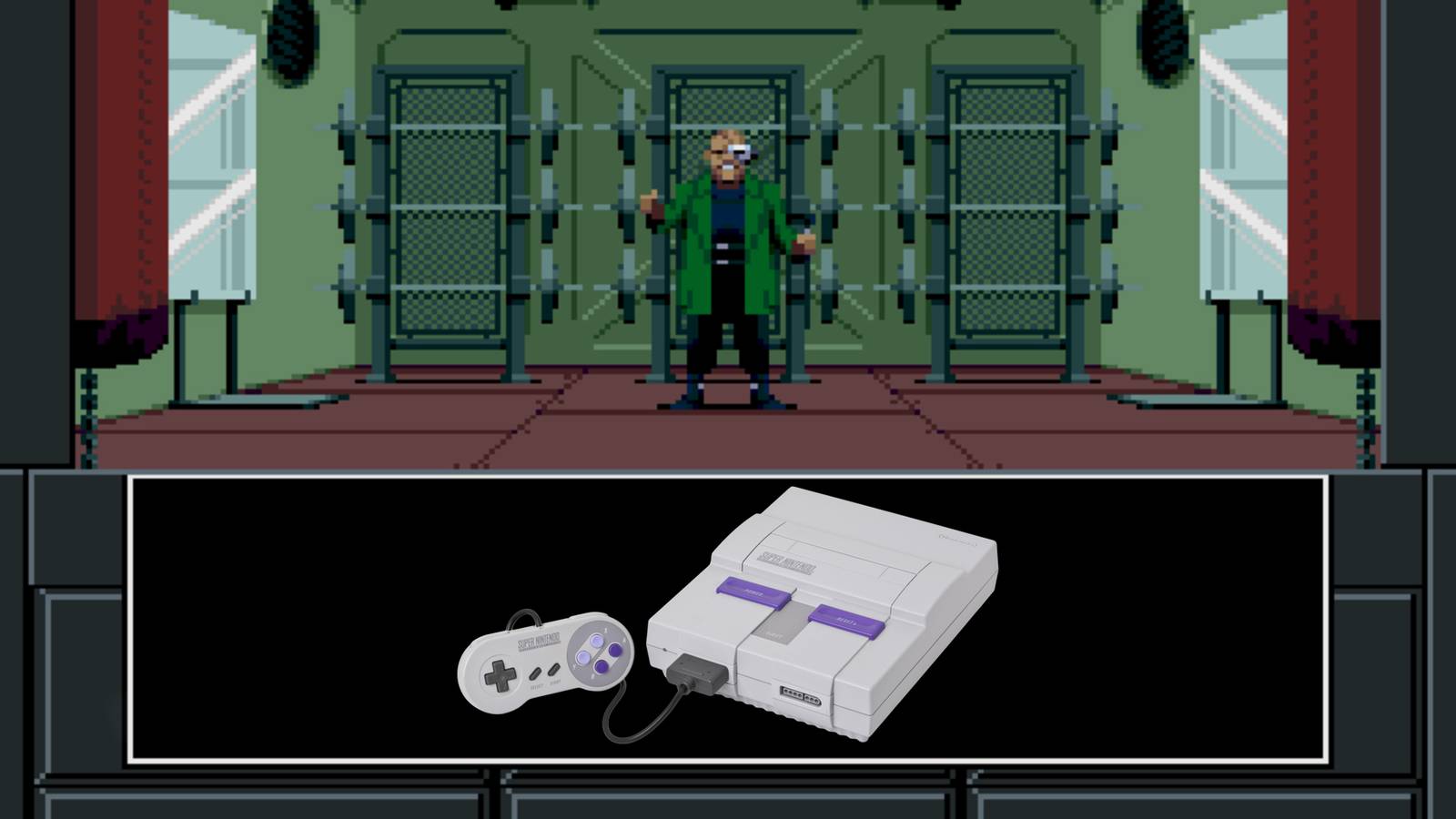



While the Super Nintendo covered most preferences, R-rated games were not really one of them. Part of that has to do with the limitations of 16-bit hardware, as there’s only so much you can do with pixel art, but Nintendo of America’s strict censorship policy during the SNES’ first few years didn’t help matters. Before loosening things up towards the end of the console’s run, Nintendo regularly stripped graphic imagery out of its ports, leaving behind a watered-down shell of the arcade version in its place.
That said, if we scour through its massive library, we can unearth a handful of proper R-rated SNES games that blend mature content with genuine quality. They might not be as “mature” as projects released for newer systems, but these titles are about as risqué as you’re likely to find on the Super Nintendo.
Clock Tower Is The Most R-Rated Game On Super Nintendo (Or, Well, Super Famicom)
A Giallo Horror Masterpiece
- The definitive horror game on the Super Nintendo.
- Body horror, graphic kills, intense atmosphere, and a love letter to blood-soaked cinema.
- Clock Tower was only released on the Super Famicom.
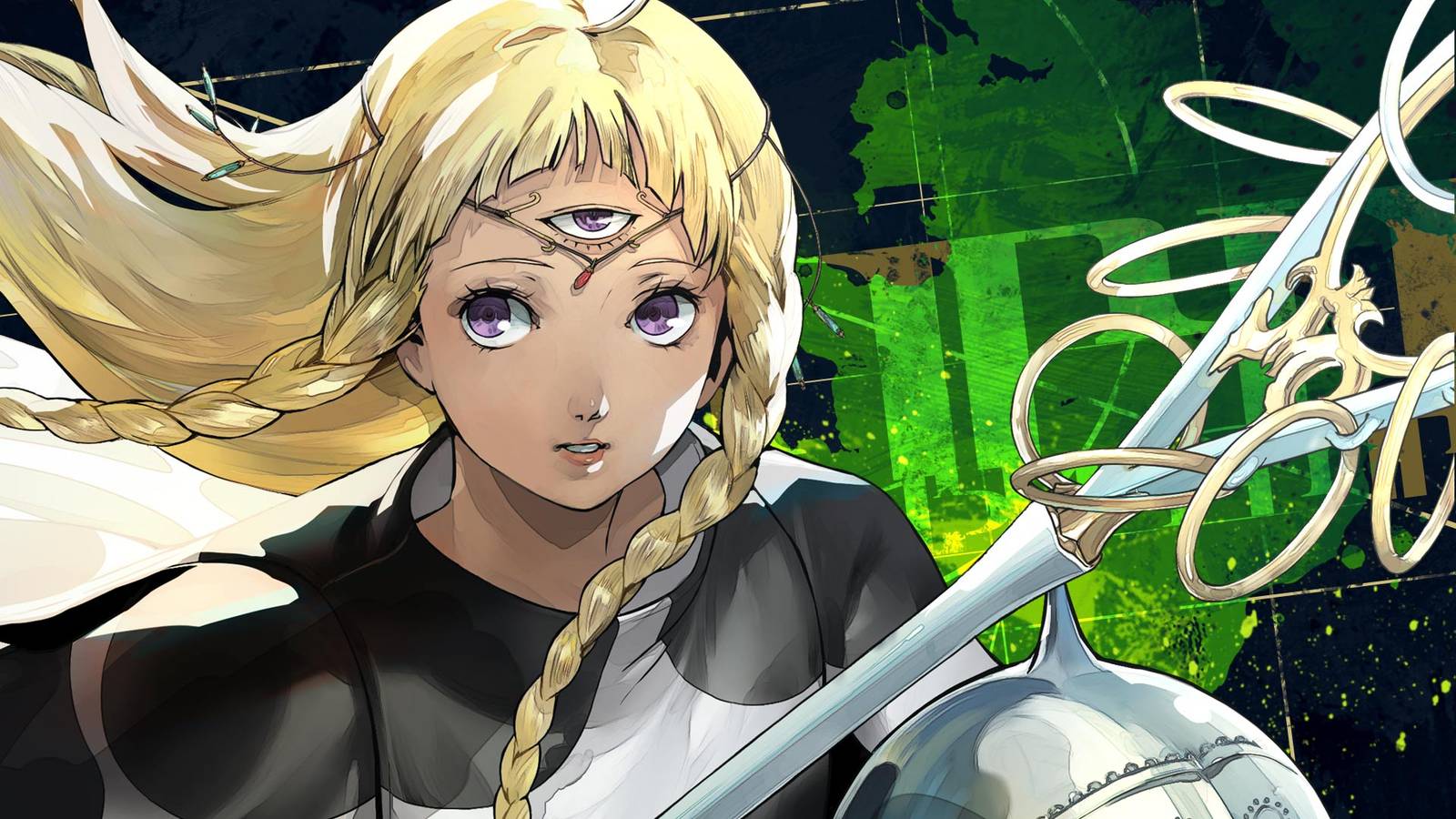
Gaming history tends to recognize the PS1-era as the birth of proper horror video games; aka, titles that can be legitimately frightening. While that’s generally true, the Super Famicom managed to get 80% there with Clock Tower, a gloriously macabre love letter to slasher movies and Italian giallo cinema. Quite a few SNES releases have a horror/gothic aesthetic, but Clock Tower is the only bona fide horror game on the console.
Considering it came out in 1995, Clock Tower incorporates so many ideas that would become staples of the genre: defenseless protagonist, panic system, stamina, hide-first approach, multiple endings, and a stalker enemy. Except for a couple of effective cutscenes, most of the game uses a side-scrolling perspective, which isn’t amazing for horror; however, Human Entertainment filled Barrows Mansion with graphic (for the SNES) crime scenes that are just straight-up ripped from R-rated movies. When Scissorman catches the protagonist, the screen shifts to a graphic death scene.
SNES DOOM Is DOOM In All Of Its Bloody Glory
Not Peak DOOM, But A Really Cool Part Of Gaming History


- An absurdly impressive technical achievement to get DOOM running in any form on the SNES.
- Uncensored, with quite a bit of blood and gore (for the Super Nintendo).
We joke nowadays that DOOM runs on everything, and the SNES port might be the origin of this punchline. Williams Entertainment pulled off a seemingly impossible mission by transferring id Software’s seminal shooter to Nintendo’s aging console in 1995, all the while preserving most of the content. That goes beyond just the three episodes, as this version of DOOM retains the blood, gore, and mutilation that define the series.
Honestly, DOOM is a miracle, and not just for the fact that it works at all. Nintendo had a long history of stripping blood out of ports of violent games, notoriously eliminating any of the edge from Wolfenstein 3D, RoboCop vs. The Terminator, and even Super Smash T.V. If DOOM was ported to the SNES a few years earlier, Demons would have spilled green goo rather than blood, and the Doomguy’s portrait would have stayed clean regardless of his health state.
Fortunately, by 1995, Nintendo relaxed its censorship policy following the establishment of the ESRB system, which fully put the responsibility on parents to decide whether they should buy a game for their kids or not. Consequently, Nintendo allowed the SNES to get a bit edgier, to DOOM’s benefit.
While pretty darn perfect within the context of its release, SNES DOOM is also one of the worst versions of the FPS game, and there’s absolutely no reason to play it nowadays.
Mortal Kombat 2, And Every Ounce Of Blood Is Accounted For
Finally, Nintendo Let Mortal Kombat Be Mortal Kombat
- An incredible turnaround from the first game.
- Mortal Kombat 2 soaked in blood.
Well, duh, Mortal Kombat qualifies. Midway’s franchise was the poster child of “R-rated violence” during the ’90s, and Mortal Kombat 2 was one of the most important games for Nintendo’s brand during this era. Famously, the SNES version of the first game stripped away the blood and neutered the fatalities, causing it to be completely outsold by the gory Genesis port. As Sega began to really get a hold of the market, Nintendo reversed its stance on mature content, in an attempt to shed its family-friendly image.
Nintendo picked the absolutely perfect game to announce this change in philosophy, especially since Mortal Kombat 2 came out slightly before ESRB started being practiced. The SNES version had rivers of blood and graphic-as-hell finishers right out of the box, along with graphics and performance that were shockingly close to the arcade original. Compared to the lackluster Genesis version, SNES MK2 was downright perfect.
Shin Megami Tensei 2 Is The Darkest Game On The Super Nintendo
You Fight God… Yes, That God
- Thematically, Shin Megami Tensei 2 pushed boundaries more than any other game on the Super Nintendo.
- Absolutely overflowing with religious imagery and themes.
Clock Tower, DOOM, and Mortal Kombat are the most blatantly R-rated SNES games, in the sense that you know exactly what you are getting from the very first frame. However, the darkest game on the console is Shin Megami Tensei 2, a post-apocalyptic epic set in a megacity with clear social discrimination. As a dungeon-crawler, turn-based RPG with sprite art, SMT2 doesn’t have particularly violent gameplay, rather opting to deliver its horror through religious themes, human experimentation, and monster art.
Similar to Clock Tower, SMT 2 was available exclusively on the Super Famicom, and Atlus has yet to release any version of the game outside of Japan. While I imagine it wasn’t the only factor that influenced the publisher’s decision to keep this within its country, SMT 2‘s final boss being based on Christianity’s God probably played a part in the ultimate decision to reject a Western release.