





Remedy Entertainment’s latest action RPG Control Resonant, set to release on September 24, is doing something with difficulty settings that I wish more games would do. The mechanic featured in Control Resonant is called expanded Assist Mode, and it makes standard easy, medium, and hard seem quite outdated.
This is not a new concept for Remedy Entertainment. In fact, the innovative Assist Mode was featured in Control Resonant‘s prequel, Control from 2019, which also allowed on-the-fly adjustments for players looking to change their experiences. The Assist Mode mechanic is meant to tailor gaming experiences, allowing players to participate in gameplay on their own terms without feeling like they’re being put into a box.
What Is Expanded Assist Mode and Why Does It Work in the World of Control Resonant?
-

-

-

Control Resonant State of Play Image via Remedy


In a PlayStation press release, Lead Gameplay Designer at Control Resonant Sergey Mohov shared that difficulty in the latest title could be tweaked based on preference, distancing itself from the traditional easy, medium, and hard difficulty scale for something more advanced. This is via the title’s Assist Mode, which lets players adjust mechanics to suit specific gameplay needs or wants.
Who’s That Character?


Identify the silhouettes before time runs out.
With this new mechanic, players can alter aggression, widen or shorten dodge windows, alter projectile speeds, adjust incoming and outgoing damage, recovery speed, and so much more. It’s like a choose your own adventure, but for game difficulties. Instead of asking players to choose a difficulty they may not be comfortable with, it’s a flexible system.
The Assist Mode mechanic is meant to tailor gaming experiences, allowing players to participate in gameplay on their own terms without feeling like they’re being put into a box.
This can make the game easier, or, if players are feeling masochistic, it can make combat more challenging. If players want to focus on exploration and experiencing the story without engaging in stressful combat, they can readily do that through Assist Mode. Immortality, One-Hit Kills, and the new One-Hit Falters shift focus to story rather than intense gameplay. If players are seeking to make the game more difficult, they can do so by altering the size of hit boxes, the heaviness of damage they take, and enemy aggression, making the RPG less like a romp in the park and more like a punishing but rewarding experience.


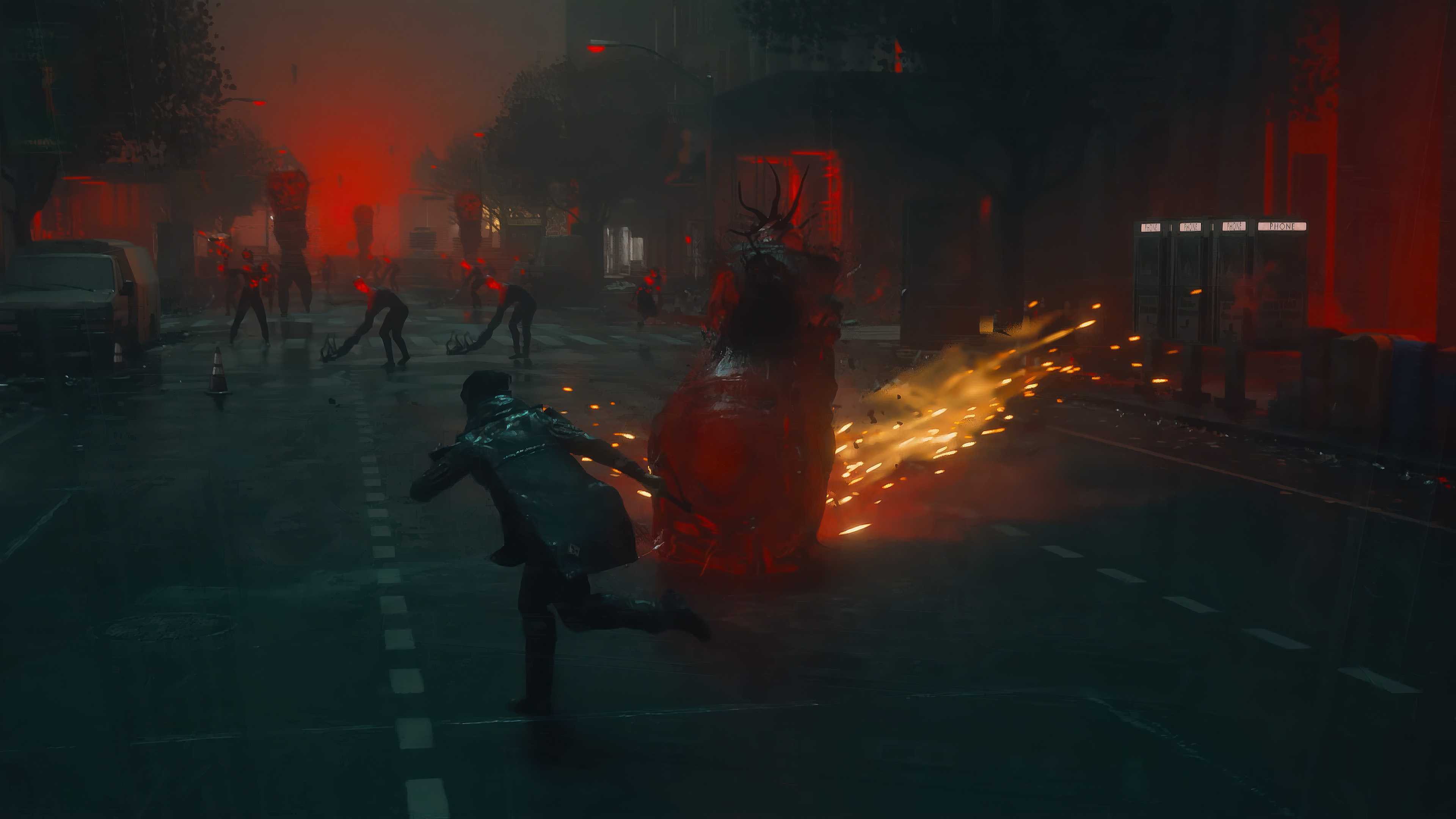
This Assist mode works so well in the world of Control Resonant because it is a true RPG. Titles like these encourage freedom of choice, creating an experience that is unique to the player. Of course, there is a set storyline with narrative-based progression from zone to zone. This entails piloting supernaturally gifted Dylan Faden in search of his long-lost sister Jesse in the city of Manhattan overrun by the Mold, Hiss, and the Patterning. That being said, most of the choices are left up to players, including difficulty. As Mohov stated in the press release:
Your time is valuable, and how you experience the game is ultimately up to you. That’s why we don’t gate any trophies or achievements behind Assist Mode. Use the settings however you need to and play Control Resonant on your terms.
This feature is especially helpful for combat, since the game’s system is akin to something like Devil May Cry. It is aggressive and melee-heavy, utilizing aerial combos and flashy midair dodges that some gamers aren’t comfortable with just yet. This Assist Mode system allows players to ease their way into it all, or not engage in combat entirely, a win for those folks who love a story-driven game.
In an Age of Rigidity, Dynamic Difficulty Adjustment is Refreshing
I love this detail because it gives players the grace to try the game before committing to a difficulty setting. It always struck me as odd that games would make people choose a specific setting at the top of the game, when this is likely a title someone is playing for the first time. How are they supposed to know which difficulty suits them best if they haven’t played before? Assist Mode makes sure gameplay is put in front of a player; they try it for themselves, and then they can decide what path to choose.
Everyone is different, so difficulty preferences will be too. It’s a refreshing change in a world of set-in-stone difficulty indicators. This system is akin to dynamic difficulty adjustments, seen in games like Resident Evil, Max Payne, and Mario Kart. However, this mechanic seems more like a shame tactic than anything, since the game changes based on how well, or how poorly, a player might be performing. Difficulty settings, which are measured on a sliding numeric scale, are meant to accommodate players, rather than scare them away from gameplay.
-

Control Resonant Gameplay Image via Remedy -

Control Resonant Gameplay Image via Remedy -
With names like “insanity” and “nightmare,” and/or “wimp” or “beginner,” it’s easy to see why some undermine or overshoot their experience in order to avoid some of these settings. Difficulty settings borderline taunt players into picking something they may not be comfortable with. If players aren’t comfortable with the setting chosen, some games won’t allow changes made to the chosen setting unless the game is start over.
Thankfully, a large pool of modern titles allows mid-game difficulty changes to accommodate every kind of player. That being said, Control Resonant‘s expanded Assist Mode has to be one of the more advanced difficulty settings I have seen. It makes much more sense than your standard settings and will be a welcome addition to the upcoming action RPG title.


- Released
-
September 24, 2026
- ESRB
-
Mature 17+ / Blood and Gore, Strong Language, Violence