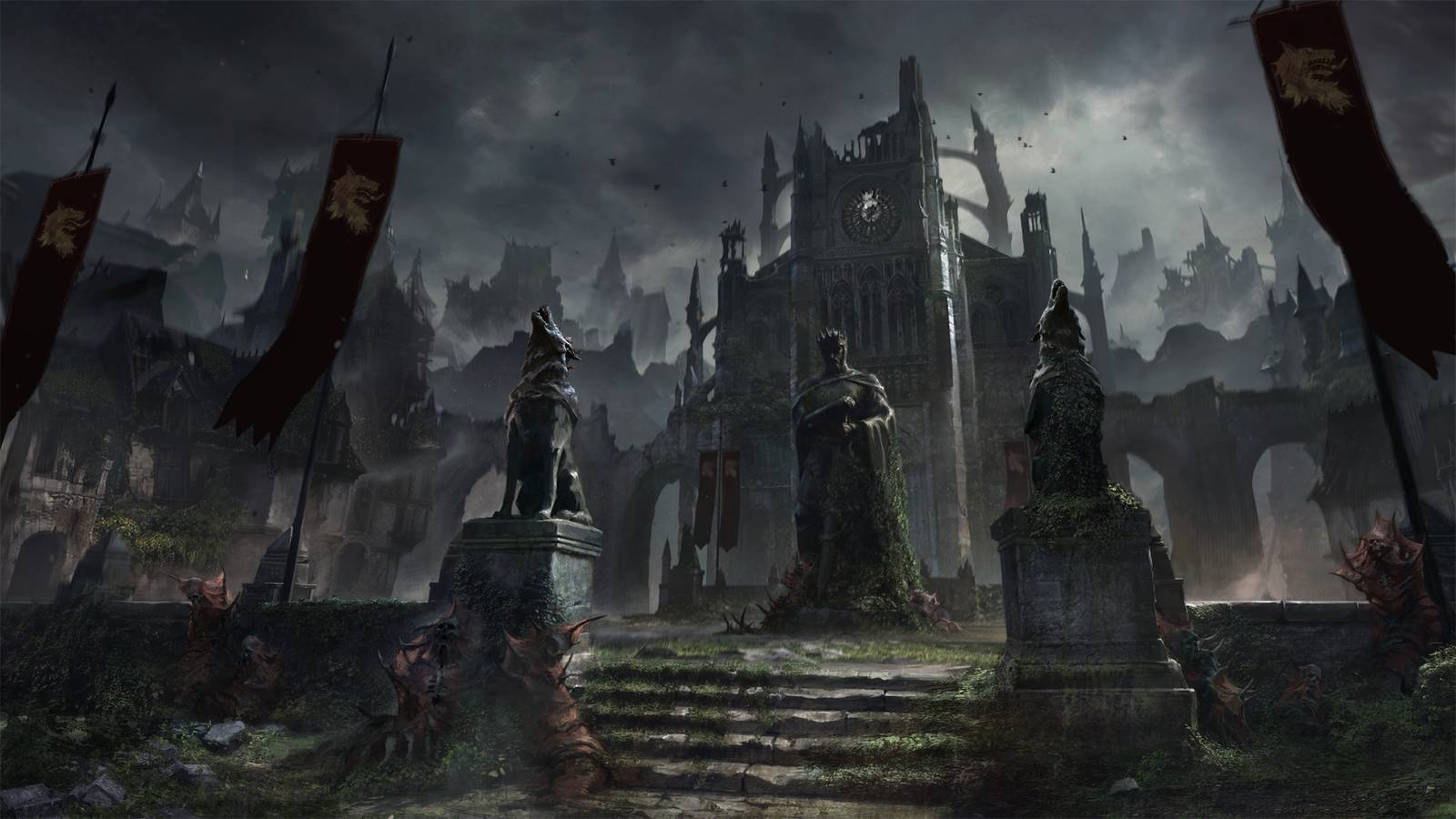
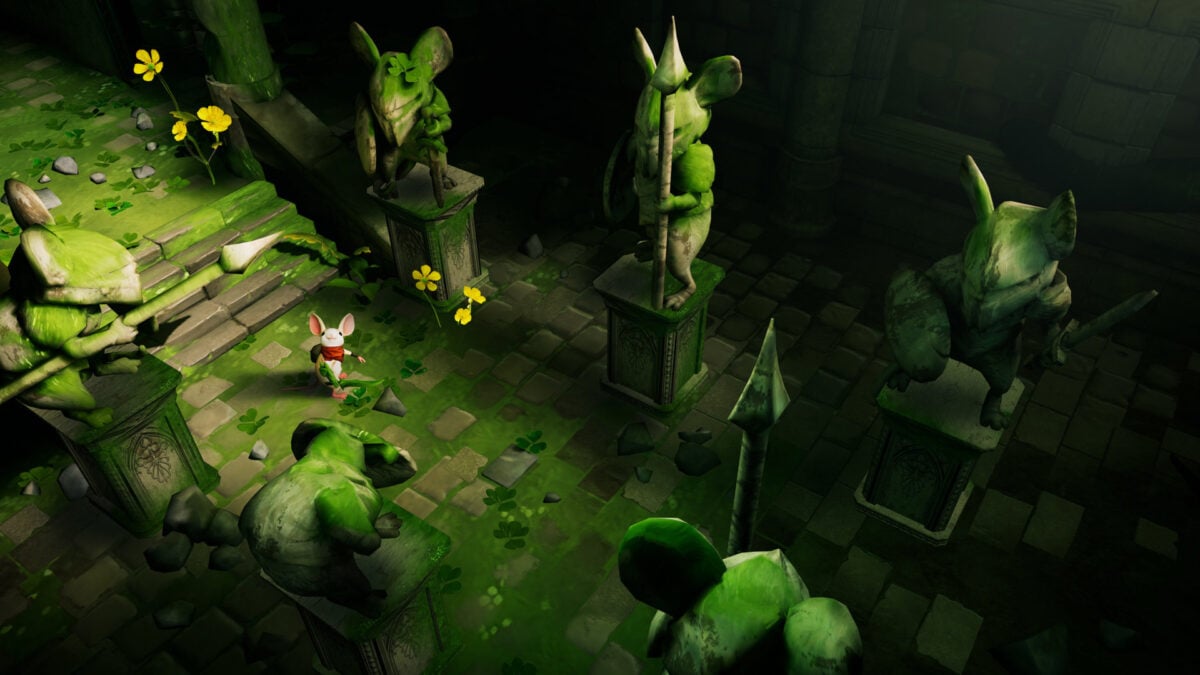





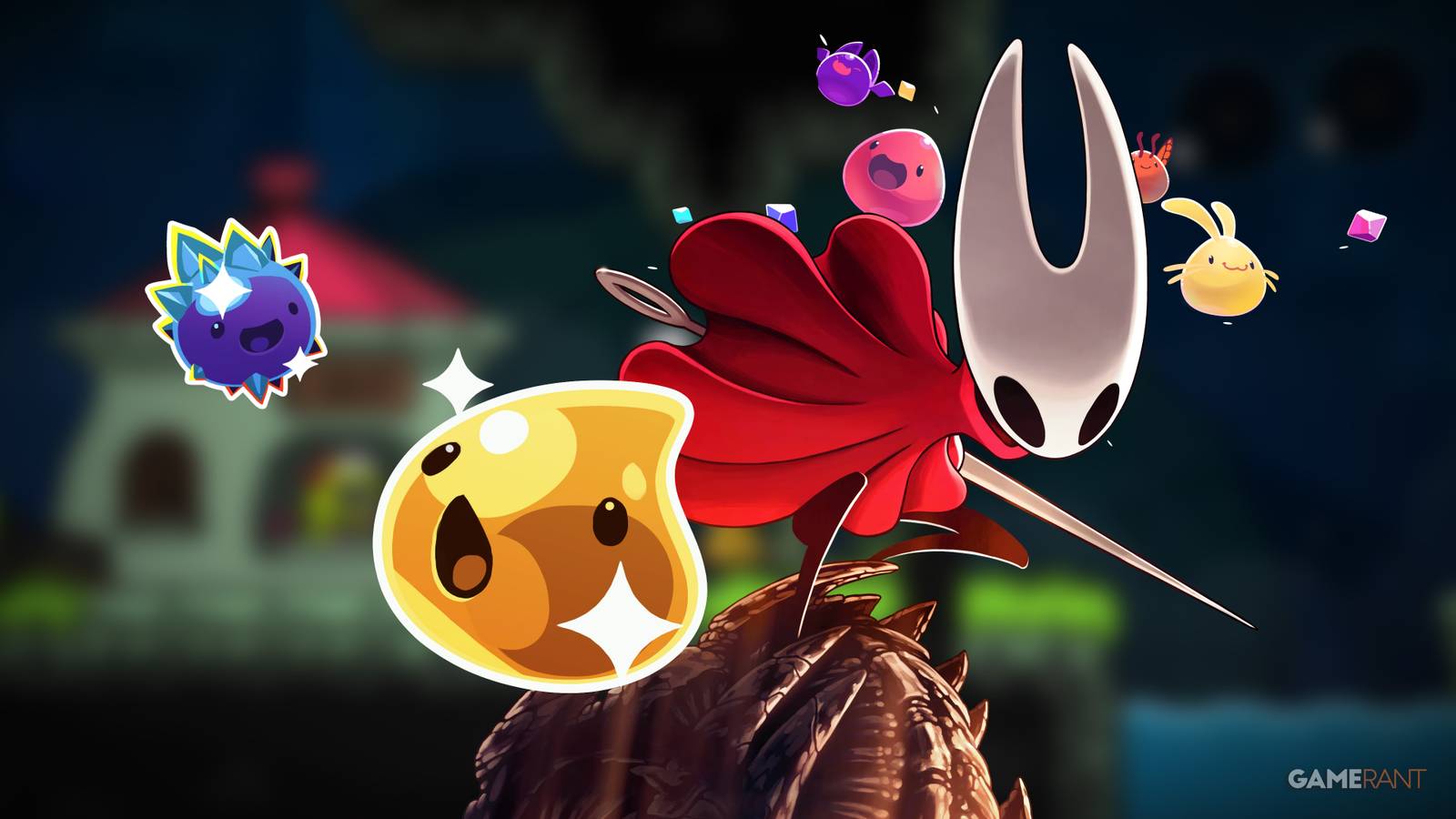
The Metroidvania genre has one of the most recognizable problems in modern indie gaming, in that it keeps mistaking ruin and darkness for depth of narrative and gameplay. But Dewdrop Dynasty, an upcoming Metroidvania on Steam, fixes that by taking the familiar insect-filled exploration of something like Hollow Knight: Silksong and filtering it through the bright, strange, inviting personality that makes Slime Rancher feel so approachable. Instead of tasking players with crawling through another dead kingdom where every hallway looks like it’s ancient and falling apart, Dewdrop Dynasty looks like a Steam Metroidvania that remembers discovery can actually be fun without being punishing.
To be clear, grim Metroidvanias aren’t inherently bad. Hollow Knight, Blasphemous, Ender Lilies, and plenty of others have proven how well sorrow, difficulty, and ruined-world storytelling can deliver unforgettable, undeniably deep experiences. But the issue is how often the genre seems to believe those elements are mandatory—as if a Metroidvania is somehow less legitimate when its world is cheerful, silly, colorful, or genuinely pleasant to exist in—and Dewdrop Dynasty seems to know the difference.
10 Near-Perfect Metroidvanias That Nobody Remembers Today
They may be less popular, and most gamers may have forgotten about them, but these Metroidvanias still rip.
What Dewdrop Dynasty Is
Goodgis and Firith Studio’s Dewdrop Dynasty is a fast-paced, lighthearted Metroidvania launching on Steam on July 21, 2026, and it feels like it exists to intentionally push back against genre staples if not for any reason but to offer something different. It still has the genre’s bones, like interconnected exploration, bosses, puzzles, secrets, abilities, and weird biomes. However, its world is full of quirky monsters, colorful pixel art, silly hats, vending machine prizes, and just enough of that oddball charm that defines games like Slime Rancher to make its insect society feel more like a Saturday morning adventure than a gloomy underground pilgrimage.


Guess the games from the emojis.
Guess the games from the emojis.
Easy (120s)Medium (90s)Hard (60s)
Dewdrop Dynasty’s Key Features
- FAST-PACED METROIDVANIA EXPLORATION across an interconnected world
- GUN-JUMPING MOVEMENT and pistol-whipping combat
- HIDDEN SECRETS, puzzles, bosses, and diverse biomes
- STRANGE MONSTERS and even stranger inhabitants
- COLLECTIBLE TICKETS that can be redeemed for vending machine prizes
- UNIQUE ITEMS and UNUSUAL ABILITIES to unlock
- Silly, stylish, and occasionally USEFUL HATS
- MAP-MARKING FEATURE for exploration
Of course, it’s easy to compare Dewdrop Dynasty to a game like Hollow Knight: Silksong, simply because it’s a Metroidvania packed with plenty of insect energy. Silksong sends Hornet through Pharloom, a fallen insect world where she uses her acrobatic combat maneuvers to subdue the dangerous creatures who lurk there. Dewdrop Dynasty seems to take that bug-sized kingdom concept and loosen its jaw a bit, giving players a place where mecha crabs, cheese mines, pistol-whipping, and stylish hats can all shamelessly share the screen.
But Dewdrop Dynasty isn’t like Slime Rancher because it’s a glorified creature collector. It’s more akin to the hit ranching sim in its tone, color, approachability, and the apparent philosophy that a game can have mechanical depth without being depressing. One of the main reasons Slime Rancher became such a beloved game is because its world felt welcoming even when it had risks, and Dewdrop Dynasty seems to understand that a Metroidvania can have challenge without punishing players for merely entering the next room unprepared.
Dewdrop Dynasty Refuses to Be Miserable
The biggest problem with Metroidvanias is not that they’re too hard or too demanding. Those are often the reasons many players love the genre in the first place. The real problem is that too many of them package those strengths in the same dead or dying-world template, where every civilization has collapsed into ruin, every NPC speaks like they’re one sentence away from giving up on life, and every new biome feels like a slightly different flavor of beautiful, colorful depression.
But Dewdrop Dynasty‘s lighthearted direction feels like a much-needed course correction. The genre has spent so long worshiping at the altar of the ruined kingdom that bright, funny, and cute now feel rebellious in the best possible way. For a Metroidvania game, being welcoming might actually be the best move left.
Dewdrop Dynasty’s Lighthearted Tone Makes It Less Intimidating
A lighthearted Metroidvania like Dewdrop Dynasty also has a better chance of softening the genre’s intimidation factor. Metroidvanias already ask a lot from players, since they require plenty of backtracking, spatial memory, mechanical patience, and the willingness to get lost and not worry about immediately finding a way back. And when a bleak world and punishing combat are stacked on top of all those things, what was originally designed to be a game is now only a game to some and an exhausting test to many others.


Even so, Dewdrop Dynasty doesn’t need to be easy to fix that problem. In fact, it shouldn’t take difficulty or pressure out of the picture entirely, because Metroidvanias lose something essential when they stop pushing back against the player. The point is that, even when a Metroidvania is difficult, it almost hits differently when the world around it is charming enough to keep players optimistic when they get their face smashed in by a giant armadillo.
Dewdrop Dynasty Stands Out By Rejecting Metroidvania Wallpaper
The “ruined kingdom” setting so many Metroidvanias are known for is also so overused now that otherwise creative games can’t stand out in that area. At some point, no matter how much work and detail developers pour into fleshing out a world, it just looks like yet another mournful descent into a fallen society. Dewdrop Dynasty‘s playful tone, then, sets it apart almost immediately and gives it a personality so many other Metroidvania games severely lack.
Darkness can be a very powerful tool in a Metroidvania when it has contrast, but it eventually becomes wallpaper when every game uses it by default. Dewdrop Dynasty, on the other hand, seems to argue that the genre has been leaving an entire emotional range untouched. Whereas most Metroidvania games like Silksong might try to distinguish themselves by offering more bosses, more secrets, or different mechanics, Dewdrop flips the script and opts for lightheartedness as a core design identity rather than a cosmetic coat of paint.
Dewdrop Dynasty may not replace the darker Metroidvanias that helped define the modern genre, but it doesn’t need to. All it needs to do is prove that a Metroidvania can be challenging without being devoid of joy. If Silksong represents the genre’s grand, haunted insect kingdom, Dewdrop Dynasty looks ready to be its weird, colorful cousin that shows up with a pistol, a hat collection, and a better idea of what Metroidvania exploration can feel like.
Dewdrop Dynasty launches on Steam on July 21, 2026.