
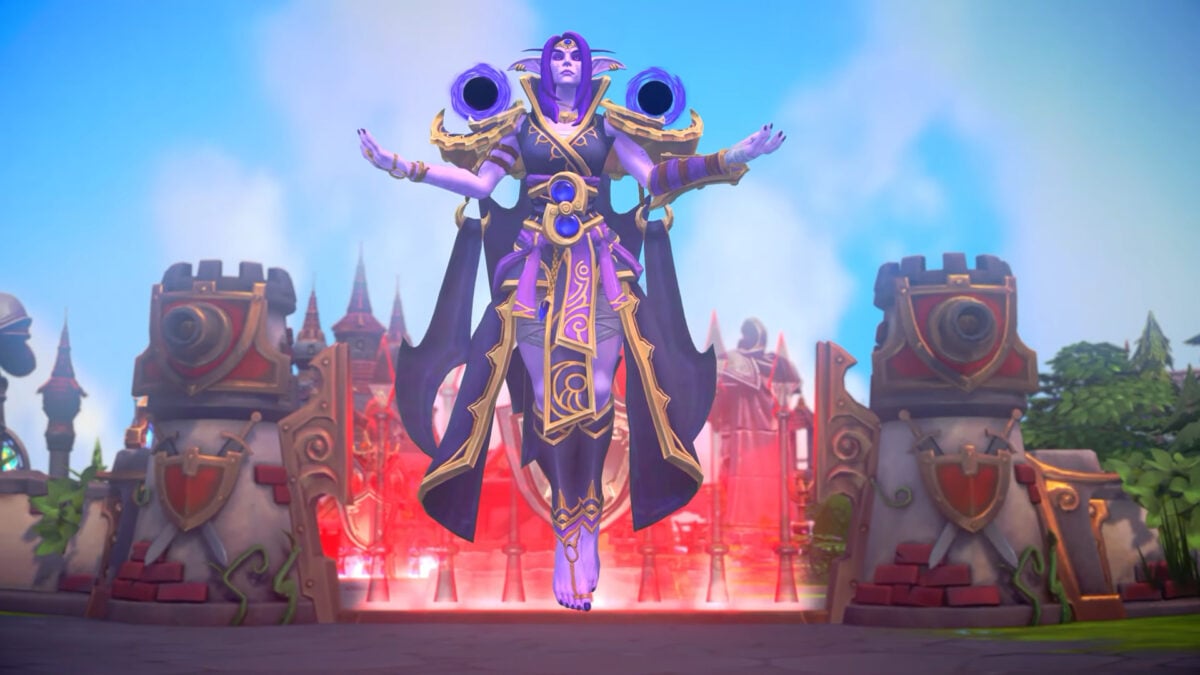





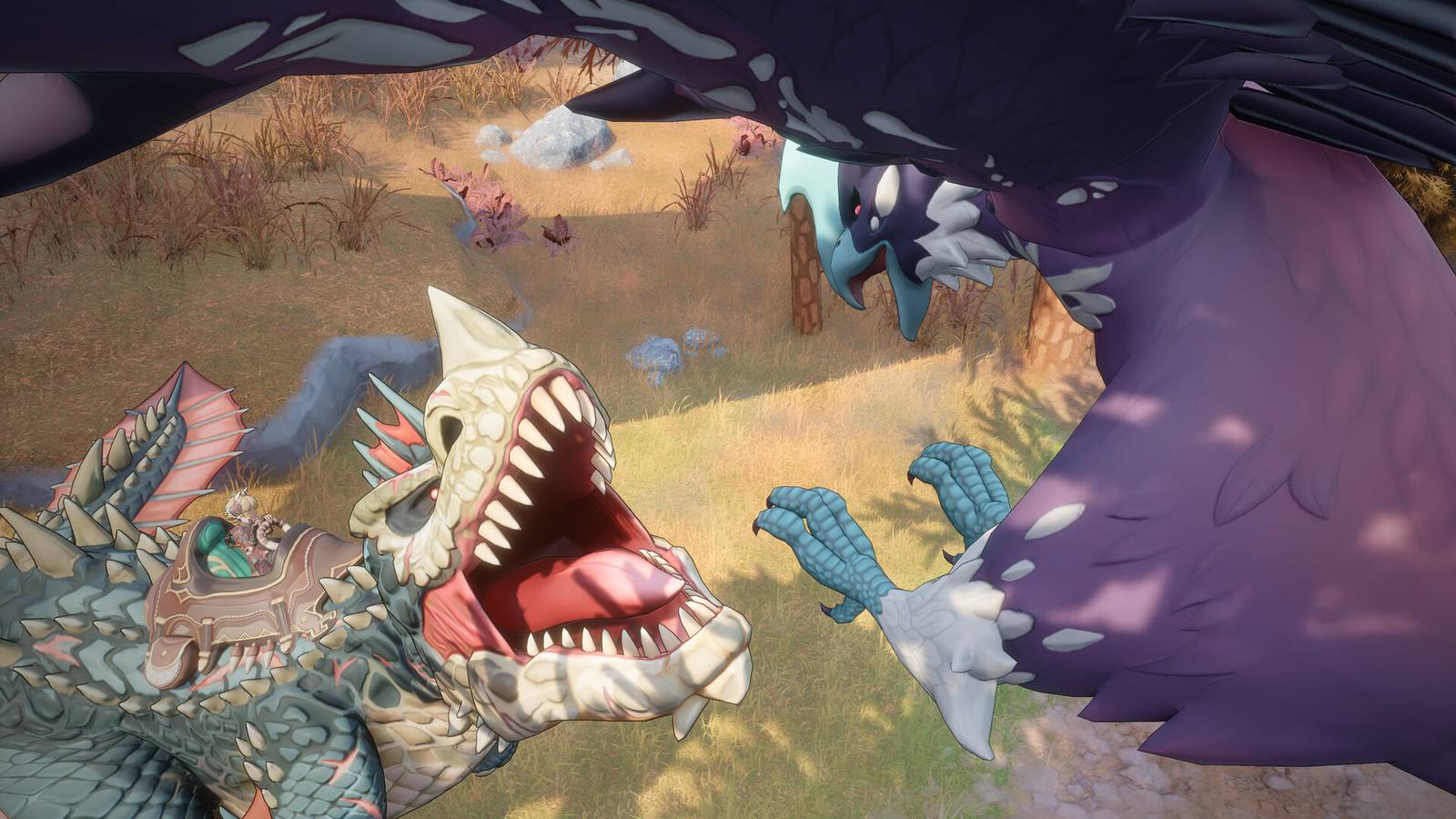
A newly announced Steam game is already drawing comparisons to Palworld, but it’s more about how it innovatively combines that formula with Monster Hunter Stories-style anime aesthetics. Indeed, as is the case with many creature-collecting games, sometimes innovation isn’t in introducing something new but in combining new specific niches in new ways. A Pokemon-inspired formula and design with survival and guns became Palworld, and Palworld‘s formula with monster bonding and more Monster Hunter-style anime results in Wild Wild Eden—an upcoming open-world creature-collecting survival-crafting anime game, if that’s not too much of a mouthful, releasing on Steam in Q1 2027.
Open-world survival crafting games have exploded in popularity over the past few years thanks to titles like Palworld, ARK: Survival Evolved, and Valheim. At the same time, monster-collecting RPGs such as Monster Hunter Stories have shown there’s plenty of demand for games centered around bonding with creatures instead of simply fighting them. Wild Wild Eden appears to sit somewhere between those ideas (with an equally cozy tone).
8 Open-World Adventure Games That Let You Play At Your Own Pace
For fans of unrestricted adventures, these open-world games offer the most leisurely style of gameplay and never rush you towards the next story beat.
Wild Wild Eden Could Be the Palworld of 2027
- Open-world survival crafting defines the world and gameplay of Wild Wild Eden
- Players befriend monsters and raise them to be part of a growing tribe
- Base building and automation gameplay sees players expand settlements and leverage unique abilities
- Exploration is far-reaching, and combat is cooperative (including late-game raids)
- It can be described as a cozy life sim meets survival game with the way it balances the defining features of the two
- Would-be players can check it out and wishlist it on Steam (Q1 2027 release)
Wild Wild Eden mixes creature collecting, base building, farming, and exploration into a colorful fantasy adventure game, with every monster becoming part of a growing family rather than just another resource. The biggest draw is its companion system, as the creatures of Wild Wild Eden are meant to be collected and cozied up with, not just battled with like Pokemon or forced into hard, unforgiving, thankless labor a la Palworld. Players have options to pet, feed, protect, and raise these creatures as part of their tribe, where they can assist in resource gathering, processing items, caring for crops, and fighting alongside the player. It’s similar to Palworld, but not as brutal. Furthermore, there’s no capture device or Pokeball-like item involved, as finding a creature in Wild Wild Eden involves setting traps and/or giving creatures a special Dream Brew.


Find the odd one out before the timer hits zero.
Like Palworld, the monsters do much of the player base’s automation. Players can freely build settlements across the world, assign companions to different jobs based on their unique abilities, craft stronger equipment and weapons, and gradually transform a dangerous wilderness into a thriving sanctuary. Exploration stretches across land, sea, and sky, with different companions helping players reach new areas and uncover the world’s ancient mysteries. In other words, some worldwide exploration expands Wild Wild Eden‘s survival and automation game underpinning.
Combat remains an important part of Wild Wild Eden‘s gameplay, despite its cozier presentation. Hostile creatures and other threats can attack your home, forcing players to fight alongside the companions they’ve spent hours raising. The Steam page also teases larger battles against powerful enemies, emphasizing that surviving together is the ultimate test of the bonds built throughout the game.
Currently targeting a Q1 2027 release on Steam, Wild Wild Eden could appeal to players looking for another creature-collecting game that also expands on what the genre is capable of. Its combination of Palworld-style survival crafting, monster-powered base automation, and the companionship-focused progression seen in games like Monster Hunter Stories gives it a familiar foundation, but its emphasis on treating every creature like family could ultimately become the feature that helps it stand out.