



An upcoming Steam game titled Dust till Dawn has generated some buzz since its reveal, and for good reason. The first-person indie has secured an original soundtrack from the legendary Silent Hill composer Akira Yamaoka, for one thing, but it has other boons on its side as well, like originality and novelty.
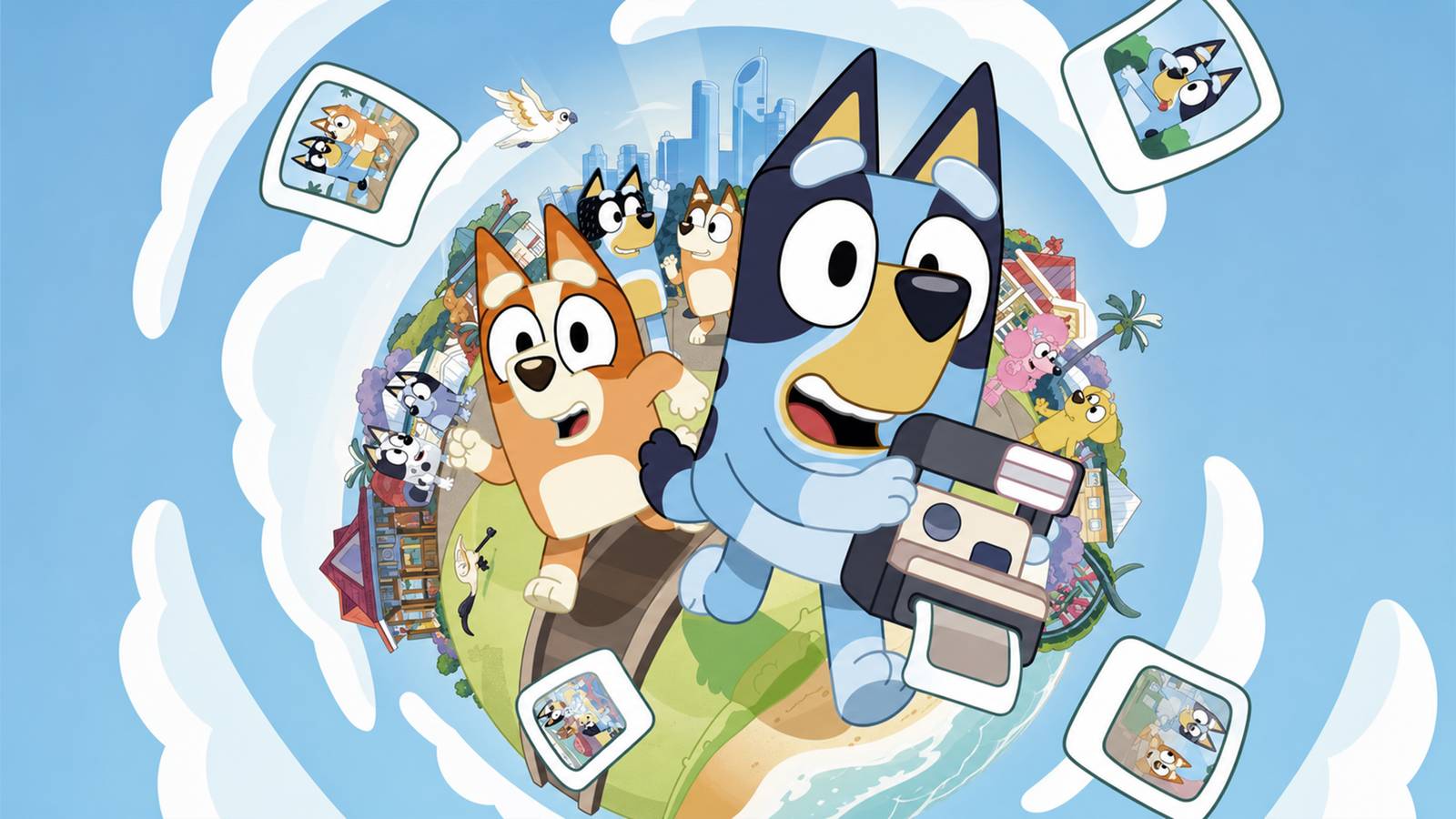
Dust till Dawn puts players in the shoes of a housekeeper working in a remote Japanese town. Adopting a first-person perspective, the game is highly reminiscent of titles like PowerWash Simulator and House Flipper, which center their mechanics around mundane tasks like cleaning and renovating. It’s a subgenre that seemingly only continues to grow, with indie darlings like Hozy and Unpacking offering further, unique experiences in the “tidy things up” space. Gamified cleaning can certainly be satisfying, but as the trend continues to evolve, cleaning-based games (which already litter Steam) will have to keep innovating and experimenting in order to stay relevant. Luckily, that seems to be precisely what Dust till Dawn is doing, leveraging the unspectacular for the ends of horror.
Dust till Dawn Hides Terror Behind Its Calming Gameplay
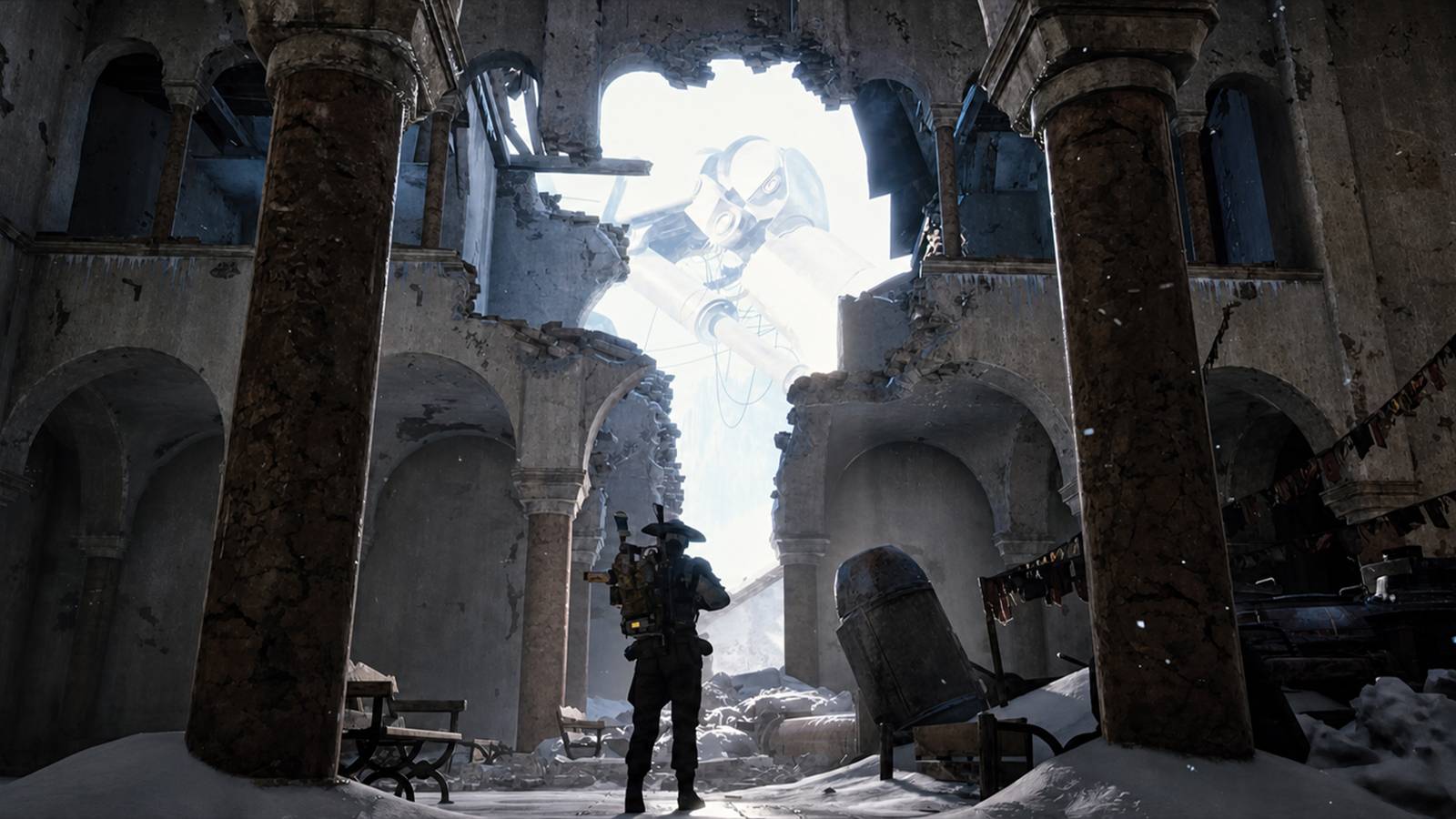
Taking a quick look at the Dust till Dawn trailer will give you a pretty good idea of what it’s aiming for: the game dons the trappings of a PowerWash Simulator, but some of the items and rooms the protagonist cleans aren’t quite right. Maybe you’ll dust off an unassuming bauble to find an eyeball staring back at you, or perhaps you’ll open a closet hoping to pack something away, only to discover a sprawling, impossible void. And of course, the game has a smattering of haunted house conventions as well, like TVs that turn on by themselves, mysterious shrines, and other “you weren’t supposed to see that” moments.
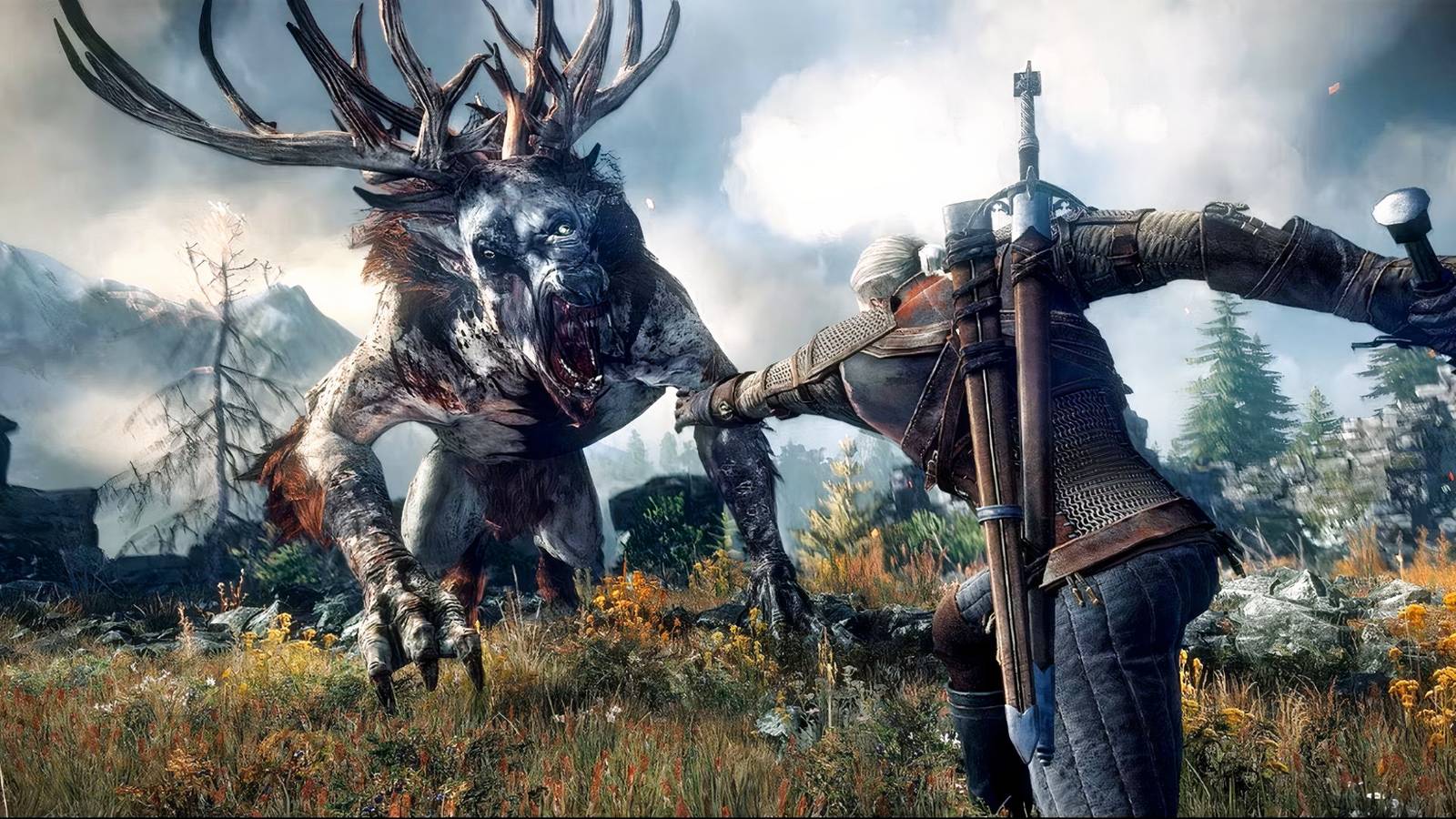
Even though we haven’t seen much of Dust till Dawn just yet, its premise is promising. One of the reasons why I’ve always found the Silent Hill games far more terrifying than their Resident Evil competitors is the franchise’s suite of main characters. In Silent Hill, you play as normal people, whether that’s depressed alcoholic James Sunderland or teenage Heather Mason. You don’t fill the shoes of a special ops expert like Chris Redfield or Leon Kennedy, who are so absurdly capable that it would make more sense for the monsters to be scared of them, rather than the other way around.
This dichotomy is one of the reasons why Resident Evil Requiem was so successful: by splitting its campaign between superhero Leon Kennedy and desk jockey Grace Ashcroft, it’s able to make players feel vulnerable and powerful in equal measure.
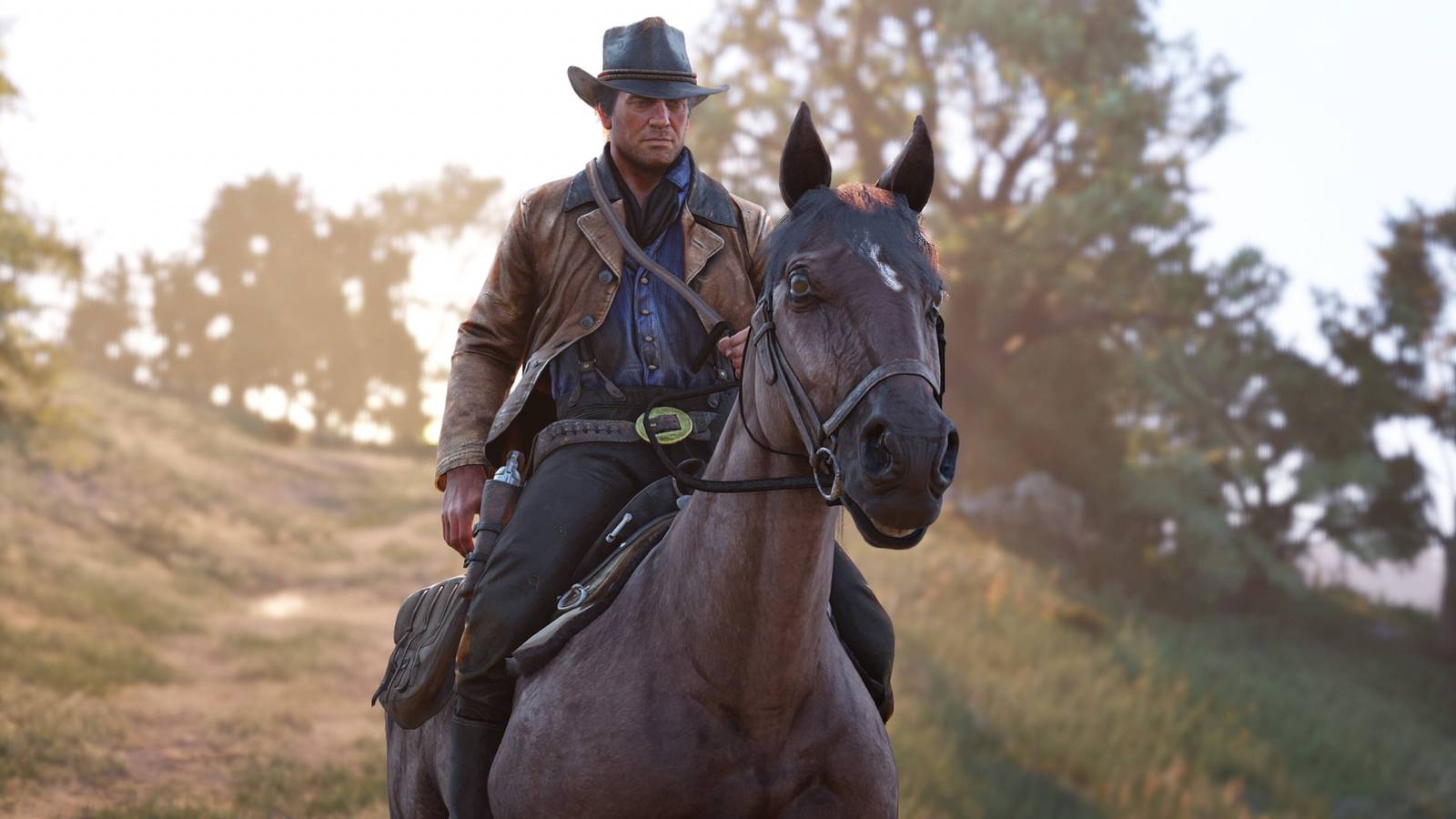
Unfortunately, not all horror games seem to understand that vulnerability plays a major role in how scared players will ultimately be during gameplay. This doesn’t just come down to mechanics. While a game can definitely enhance its scares by giving players little to no offensive tools (e.g. a gun with only a few bullets), narrative framing goes a long way as well. If a game’s story tells me that I’m one of the most extensively trained powerhouses in gaming history, I’m not going to be scared.
Dust till Dawn Can Hone In On the Everyday
Another layer to Dust till Dawn‘s promising premise is the environment and central tasks themselves. Precious few of us have visited cult-infested Spanish villages a la Resident Evil 4, or even spooky abandoned towns like in Silent Hill, but we’ve all been in a messy house before. Even if you’ve never literally been a maid, housekeeper, custodian, etc., you probably know what it’s like to dust, mop, and engage in other basic cleaning tasks.
Thus, Dust till Dawn is well-positioned to offer scares in circumstances that are familiar to its audience, which are always scarier, in my opinion. This simple idea can essentially explain the entirety of the haunted house/poltergeist genre, which hinges on stripping ordinary, boring situations of their safety. In the case of Dust till Dawn, this works on two levels. Not only is the game emulating mundane real-world cleaning tasks, but it’s also emulating other emulations, clearly taking after other leading “cozy” games like PowerWash Simulator. Dust till Dawn could lull fans of these sorts of games into a false sense of security by mimicking entertainment designed to be essentially relaxing.
Hopefully, Dusk till Dawn Makes the Most of Its Solid Foundation
As a horror fan, I’m definitely intrigued by Dust till Dawn‘s simple gameplay and story ideas. Some of the best horror stories are also the most straightforward (e.g. Obsession, Rosemary’s Baby, the first Alien), lacking complicated lore, clever subversions, or well-wrought explanations for every mysterious event. Much like how the movie Obsession succeeds by taking a fairly simple premise to its fullest conclusion, so too might Dust till Dawn impress by nailing its haunted house fundamentals.
If a game’s story tells me that I’m one of the most extensively trained badasses in gaming history, I’m not going to be scared.
There’s also a certain semi-retro vibe expressed by Dust till Dawn, which reminds me a lot of 2000s J-horror flicks like Ju-on: The Grudge and The Ring. Other ostensible inspirations include the work of Junji Ito, which bleeds through in some of the creature designs glimpsed in the game’s trailers and promo screenshots. Indeed, Dust till Dawn seems like a great fit for anyone interested in Japanese horror media.
But as anyone keyed in to contemporary gaming is already aware, it takes more than just a good idea to make a good game. This is especially true for horror titles that rely on nuanced, ephemeral qualities like tone and atmosphere, which are a lot harder to hone and control. With Dust till Dawn evoking so many classic, beloved pieces of horror media, it will need to live up to them through genuinely surprising moments, creatively integrated game mechanics, and a story/campaign that’s structured in a satisfying, plausible way. If it can succeed with these more subtle but no less critical components, Dust till Dawn could be a horror indie worth keeping an eye on.
Dust till Dawn launches on Steam in 2027.